
Best Calcium Tablets for Ladies: Matching Tablets to Your Diet (2026)
Disclosure: We may earn a commission when you buy through links on this page, at no extra cost to you. As an Amazon Associate I earn from qualifying purchases. Learn more

Dairy eater, vegan or sensitive stomach? Compare calcium tablets for ladies by diet, tablet size, form and cost per day, and check with your doctor first.
Walk down the supplement aisle and every bottle says it supports bones, yet the differences that matter to a busy woman are rarely on the front of the label. The best calcium tablets for ladies are the ones that match how you eat, how you take pills and what else is in your cabinet. This guide is general information only, so ask your doctor or pharmacist before you start a supplement, especially if you take prescription medicines.
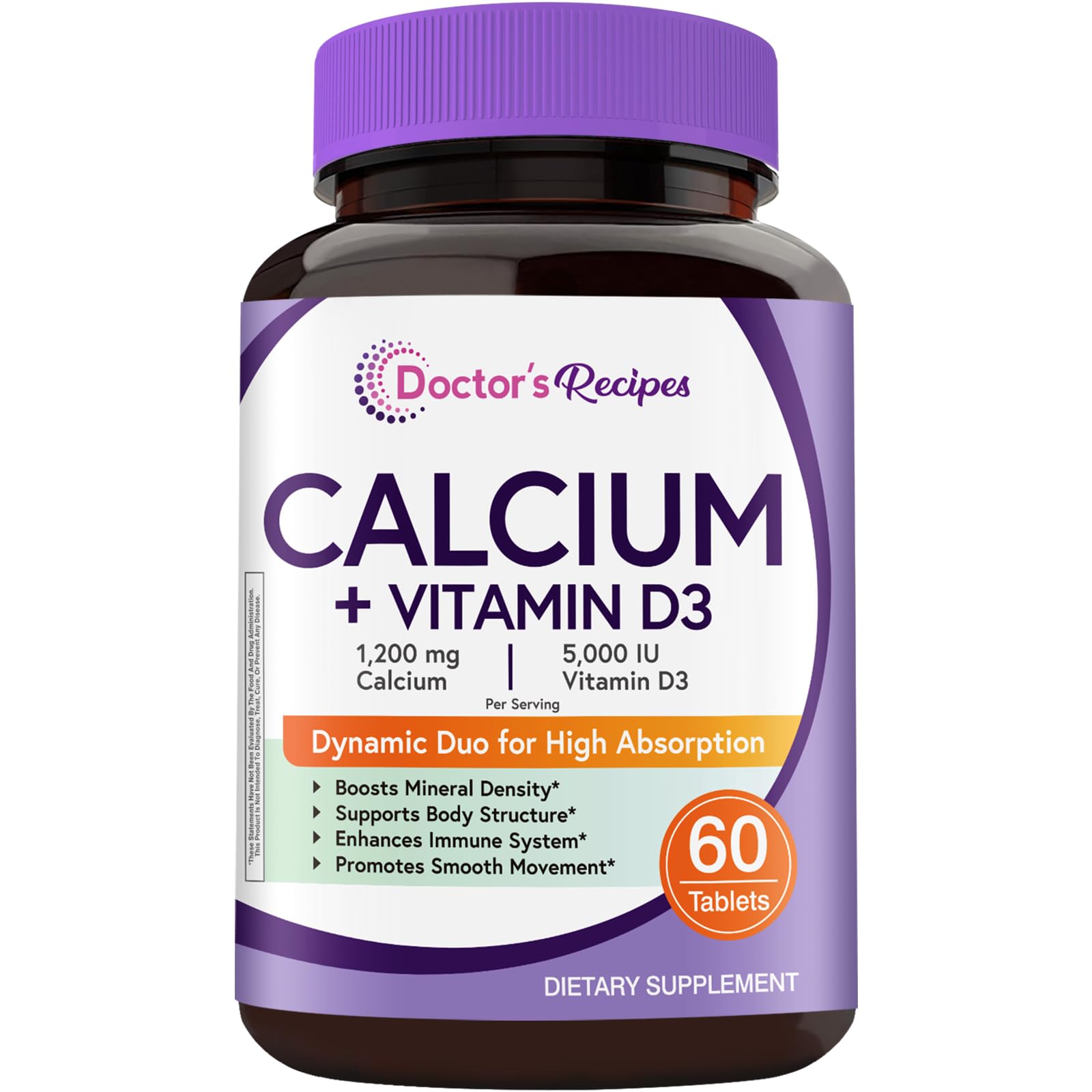
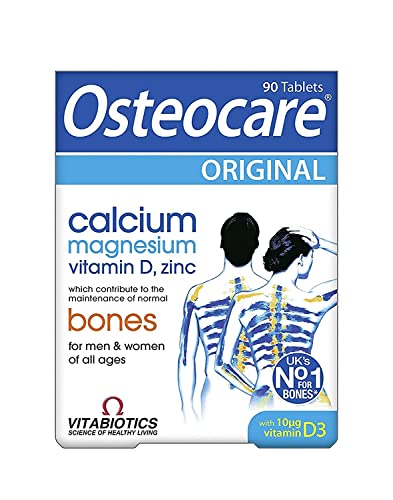
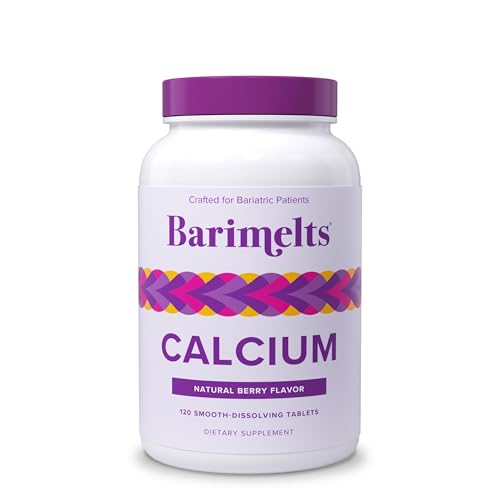
Instead of walking through life stages, we look at diet and daily habits: dairy eaters, vegetarians, people with sensitive stomachs and those who dislike swallowing large pills. The product table lists current tablets for comparison. For a stage by stage view of needs, our guide to calcium tablets for women is a useful companion.






Start With What You Already Eat
Calcium comes from many foods, so a supplement only needs to fill the gap. A woman who has yogurt, milk or cheese most days has a very different gap from one who eats mostly plants. Write down a typical day of meals, add up rough calcium from dairy, fortified drinks, tofu, canned fish and greens, and ask your clinician how much a tablet should add.
If You Eat Dairy Regularly
A modest tablet usually fills the gap, and a smaller dose can be enough. Choosing something with a lower calcium amount per tablet and taking it with a meal is an easy approach.
If You Eat Mostly Plants or Avoid Dairy
Look for calcium from algae or other plant sources, a vegan label and no gelatin in the coating. Check that the vitamin D is plant based as well, since some D3 comes from sheep wool.
Tablet Features That Matter in Practice
- Size: large tablets are hard to swallow daily, so look for smaller or coated options.
- Servings: check whether a serving is one tablet or three before comparing prices.
- Companions: vitamin D is common, and magnesium or vitamin K sometimes appear on the label.
- Fillers: dyes, sweeteners and allergens are worth scanning, especially for sensitive stomachs.
Carbonate, Citrate and Plant Calcium Compared
| Form | Usually taken | Good fit for |
|---|---|---|
| Calcium carbonate | With a meal | Budget buyers who eat regularly |
| Calcium citrate | With or without food | Sensitive stomachs, or those taking acid reducers (ask your doctor) |
| Plant based calcium | Per label directions | Vegans and people avoiding animal products |
Combining Calcium With Other Supplements
Many women also take iron, a multivitamin or a thyroid medicine. Calcium can interfere with the absorption of some of these when taken together, so timing matters. A common approach is to separate them by a few hours, but the right gap depends on the medicine, so confirm with a pharmacist. Keep a small list of everything you take and bring it to appointments.
Reading the Label Like a Pharmacist
Turn the bottle around before you compare the best calcium tablets for ladies. The supplement facts panel lists elemental calcium, which is the number that counts, and the serving size in tablets. Percent daily value figures help you see how much of a general target one serving covers. Inactive ingredients appear below the panel and show fillers, coatings and colors.
Third party seals from independent testing programs, where printed, can give added reassurance about what is in the bottle. They are not a guarantee of results, but they signal that the maker invites outside checks. Be cautious about promises of curing or preventing conditions, since supplements are not meant to treat disease.
Red Flags on a Label
Extremely high doses in a single tablet, vague terms like proprietary blend, and missing expiry dates are all reasons to move on. So is a price far below similar products with no explanation, since quality control costs money.
Life Around Your Tablet: Tea, Coffee and Exercise
Everyday habits can nudge how well a supplement fits into your day. Strong coffee and some teas may slightly affect how your body handles calcium, and very salty meals can increase losses, so there is no need to obsess, but an awareness helps. Weight bearing exercise such as walking, dancing or light strength training is a good partner to a calcium rich diet, and sunlight in sensible amounts contributes to vitamin D.
If you travel often, choose tablets that come in a small bottle or a blister pack that fits a handbag. Some women keep a seven day pill box in a desk drawer so the routine continues on busy workdays.
Budget and Value
Basic carbonate tablets with vitamin D are the cheapest option and cost only a few dollars a month. Citrate and plant based formulas cost more because of ingredients and smaller serving sizes. Compare the cost per day rather than the bottle price, and avoid paying extra for wording like boost or complete unless the label shows a real difference in ingredients.
Habits That Help You Stick With It
Pair the tablet with a meal you never skip, keep the bottle where you will see it and use a weekly organizer. If constipation or stomach upset appears, tell your clinician rather than switching products repeatedly. Store tablets in a cool, dry place with the lid closed tightly.
Choosing a Tablet for Sensitive Situations
If you are pregnant, breastfeeding, going through menopause or managing a condition such as kidney stones, do not pick a calcium product on your own. These situations change how much calcium is appropriate, so your doctor or pharmacist should set the dose. Bring the bottle or a photo of the supplement facts to the appointment, which makes it easier to check the amount and any added ingredients.
The same applies to teenagers and women over sixty-five, whose needs differ. A short conversation before you buy can prevent taking too much, and it gives you a clear answer about timing with other medicines.
FAQ
How many tablets a day do I need?
It depends on your diet and your clinician's advice. Follow the label and do not exceed it without guidance.
Do I need vitamin D with calcium?
Many products combine them. Ask your doctor whether your own vitamin D intake is enough.
Are gummies a good swap?
They are easy to take but often contain less calcium per piece and may include sugar.
Can I take calcium at night?
Some people do. Choose the time you will remember, and follow the product directions.
Final Thoughts
Look at your diet first, pick a size and form you can take comfortably and keep the cost per day in view. Those steps make it simple to find the best calcium tablets for ladies in your own routine.


