
Best Calcium Tablets for Fractures: A Recovery Day Buying Guide (2026)
Disclosure: We may earn a commission when you buy through links on this page, at no extra cost to you. As an Amazon Associate I earn from qualifying purchases. Learn more

Choosing calcium tablets for fractures? Compare swallow size, serving counts, label details and cost per month, and bring the right questions to your doctor.
After a fracture, daily routines shrink to a few essentials, and a supplement is only worth keeping if it is easy to take every day. The best calcium tablets for fractures are therefore the ones that fit your recovery routine: a size you can swallow, a form your stomach tolerates and a label you can read quickly while you juggle appointments and other medicines. This guide is general information, so ask your doctor or pharmacist before starting any supplement, especially after an injury.
Instead of comparing every ingredient, we look at the practical side of choosing: how a tablet fits a day with a cast or sling, what the label should state, how to read cost per month and which questions to bring to your clinician. The product table lists current tablets to compare against those points. For a deeper look at forms and dose, see our guide to calcium tablets for broken bones.

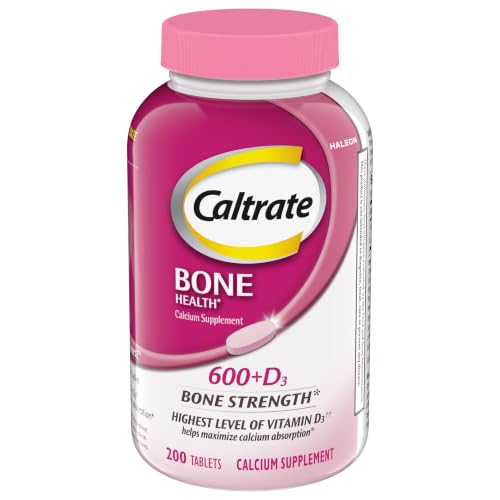


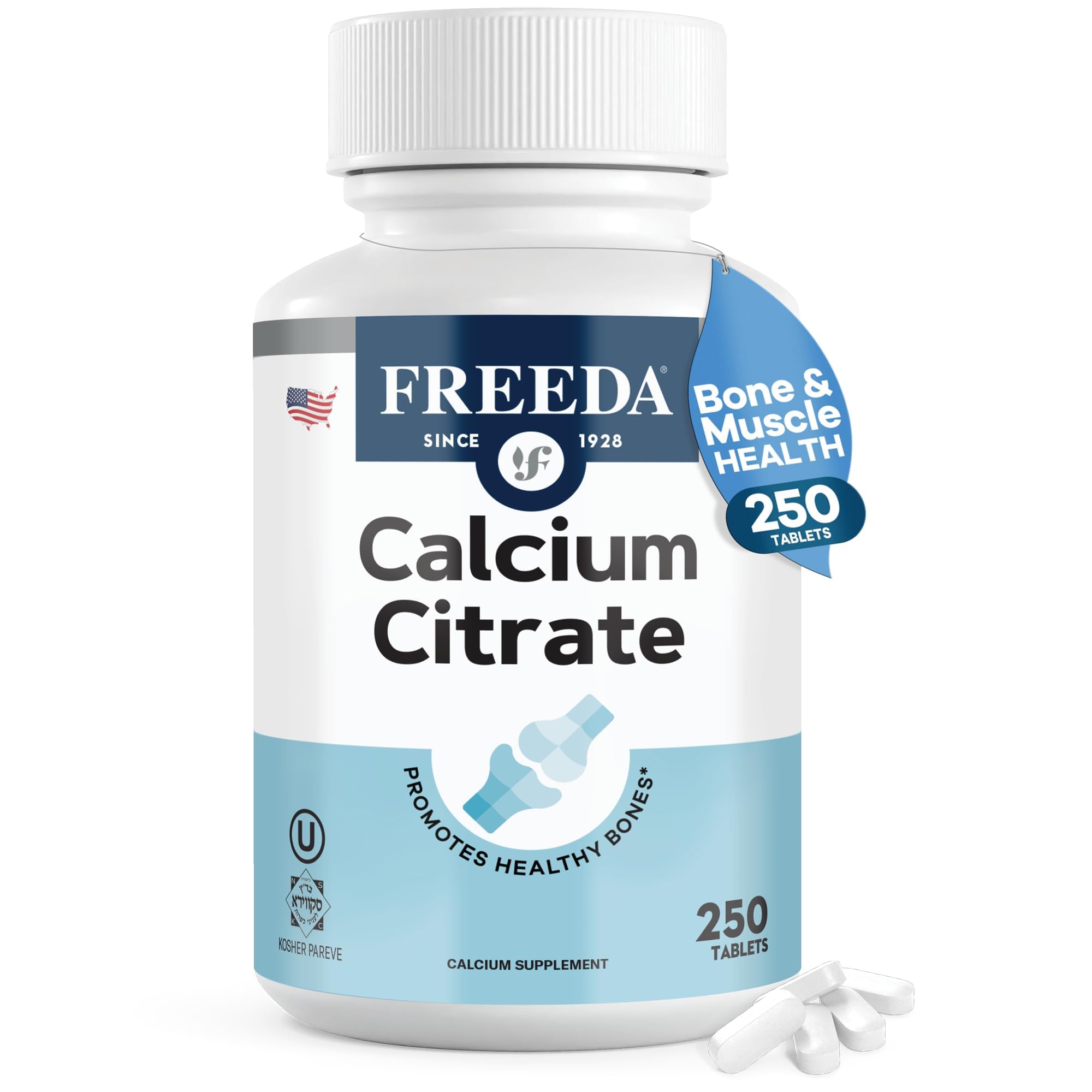
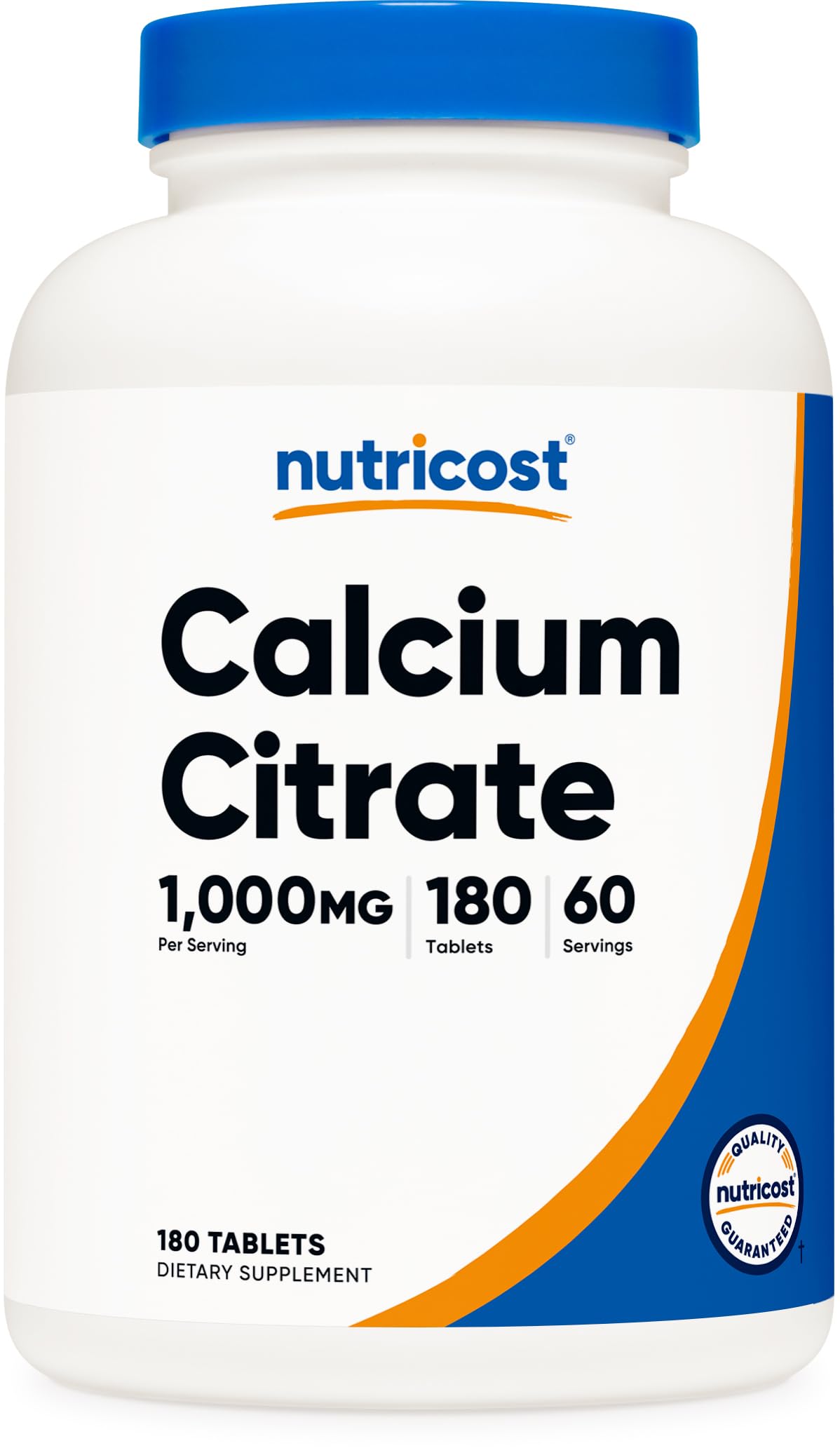
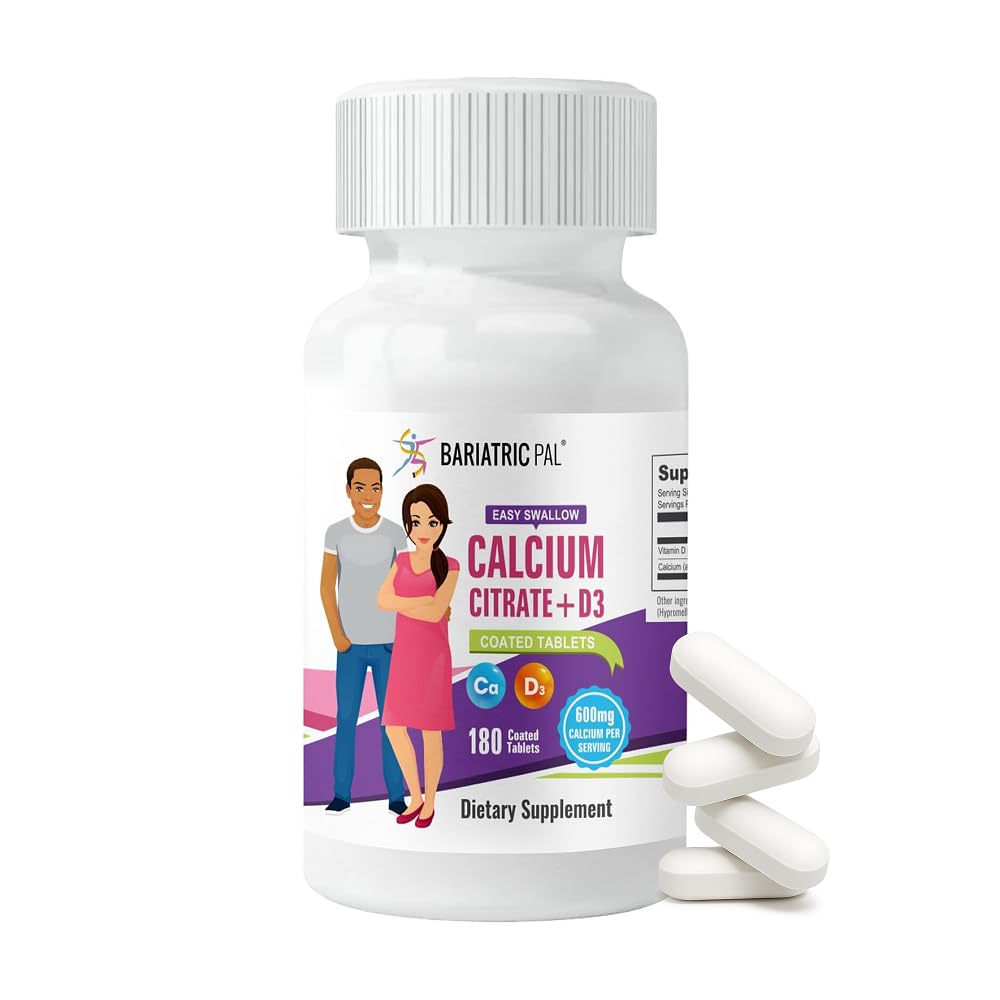
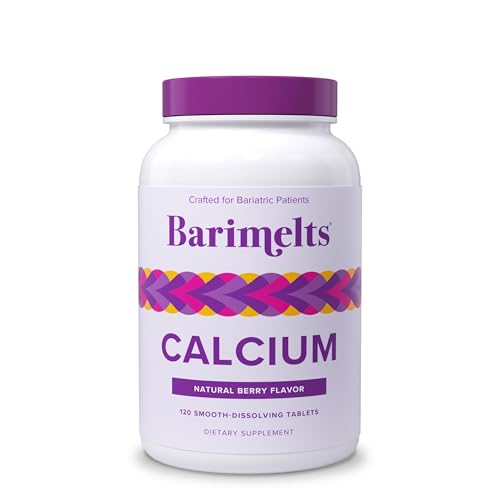



Making a Tablet Fit Your Recovery Day
Recovery often means odd hours, rest, physical therapy and several pills. A supplement that demands a complicated schedule tends to get skipped. Before you buy, picture where the bottle will sit, which meal it will go with and whether you can open it one handed.
Tablet Size and Swallowing
Large calcium tablets can be hard to swallow, particularly when you are tired or uncomfortable. Some products are coated or shaped for easy swallowing, and others are sold as smaller tablets taken two at a time. If swallowing is difficult, ask a pharmacist about alternatives rather than crushing a tablet.
Servings Per Day
Labels differ widely. Some list one tablet as a serving, others list two or three. The amount of calcium in each tablet is printed in milligrams, and the daily total depends on how many you take. Check the serving line before you compare prices, since a bottle that looks cheap may need more tablets a day.
Reading a Calcium Label Step by Step
- Find the amount of elemental calcium per serving, not just the compound weight.
- Look for vitamin D on the label, which is commonly paired with calcium.
- Note extra ingredients such as magnesium or vitamin K, and check them against any medicines you take.
- Scan for allergens, dyes and fillers you want to avoid.
- Read the directions: with food, without food or split across the day.
Carbonate or Citrate: What Changes in Daily Use
Calcium carbonate is common, inexpensive and usually taken with a meal. Calcium citrate is often easier on sensitive stomachs and can be taken with or without food, though it is typically larger and costs more per serving. Neither is better for everyone, and your clinician can suggest which suits your situation.
Comfort and Digestion While You Are Less Active
Reduced movement can make digestion sluggish, and some people notice constipation with calcium. Water, fiber from food and a split dose may help, but report persistent problems to your doctor rather than stopping or adjusting on your own. Keep a short note of how you feel in the first week so you can describe it clearly at your next appointment.
Price Per Month, Not Per Bottle
A bottle with 200 tablets sounds like a bargain, but if the serving is three tablets a day, it lasts only two months. Divide the price by the number of servings to get a cost per day. A fair range for ordinary tablets is a few dollars a month, with citrate and specialty formulas costing more.
Food and Tablets Work Together
Tablets are meant to fill gaps, not replace a balanced diet. Dairy foods, fortified plant milks, canned fish with soft bones and leafy greens all contribute calcium. A useful habit is to estimate what you already eat in a normal day, then ask your clinician how much a supplement should add. When you compare the best calcium tablets for fractures, a lower dose may be enough if your meals already supply plenty.
Protein, vitamin D and general nutrition also matter during recovery, so a simple plate with variety does more than any single product. Avoid taking your tablet at the same time as iron supplements or high fiber cereals if the label advises spacing, since these can reduce how much calcium your body takes in.
Keeping Track and Storing Tablets
A weekly pill organizer helps when your day is full of other medicines, and it makes it obvious if a dose is missed. Store the bottle in a cool, dry cupboard rather than a steamy bathroom, and keep it out of reach of children. Tablets that crumble, change color or smell unusual should be replaced. If a refill is due, order a few days early so you do not run out between appointments.
Many people also find it helpful to link the tablet to an existing habit, such as breakfast or the evening news. A simple reminder on your phone works as well. Consistency over weeks matters more than any single clever choice.
Questions to Bring to Your Clinician
- How much calcium should I get from food and how much from a tablet?
- Is vitamin D recommended alongside it, and at what amount?
- Does any current medicine interact with calcium?
- How long should I continue after the injury heals?
FAQ
Should I take calcium with food?
Carbonate tablets are usually taken with meals, while citrate may be taken at any time. Follow the manufacturer's directions and your clinician's advice.
Can I take calcium with my other medicines?
Calcium can interact with some prescriptions, so ask your pharmacist about timing before you start.
Do gummies work as well as tablets?
They are easier to take, yet they often hold less calcium per piece. Read the label to compare totals.
Is more calcium always better?
No. Taking more than the label directs or your clinician advises is not a good idea.
Final Thoughts
A tablet you can swallow comfortably, read clearly and take at the same time each day is more helpful than a fancy label. Use the checks above, talk with your clinician and choose the best calcium tablets for fractures that fits your routine and budget.


