
Best Blood Pressure Monitor Watches 2026: A Practical Buying Guide
Disclosure: We may earn a commission when you buy through links on this page, at no extra cost to you. As an Amazon Associate I earn from qualifying purchases. Learn more

How to choose best blood pressure monitor watches: compare features, fit, and price with this practical buying guide for first time buyers and everyday use.
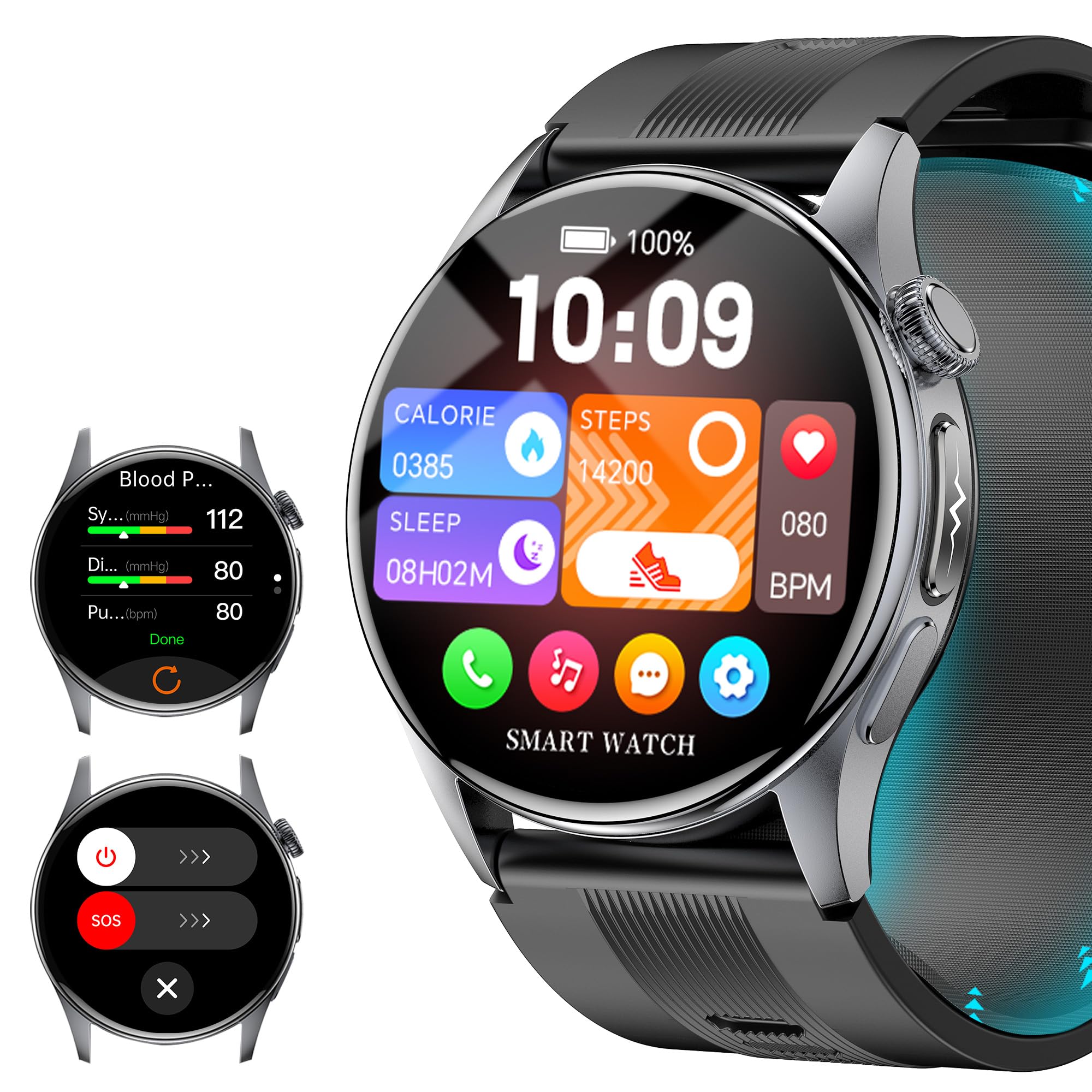
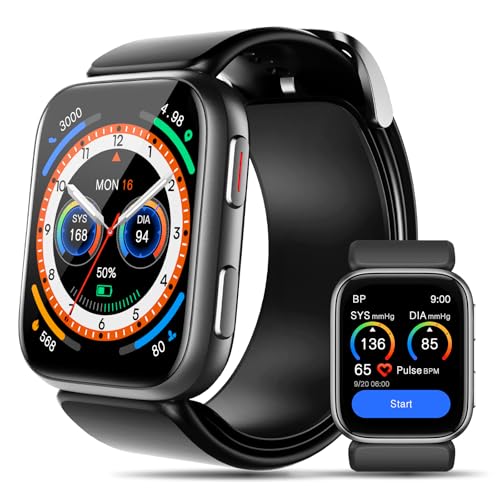
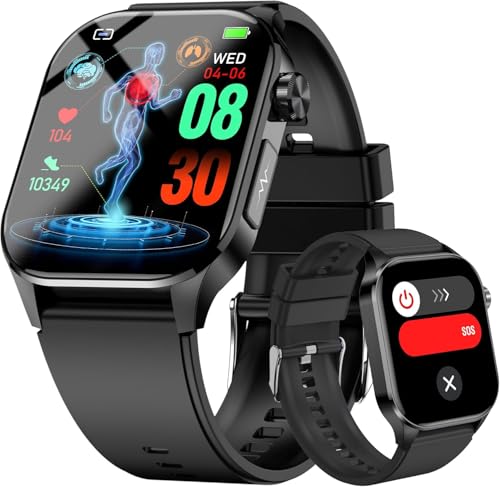
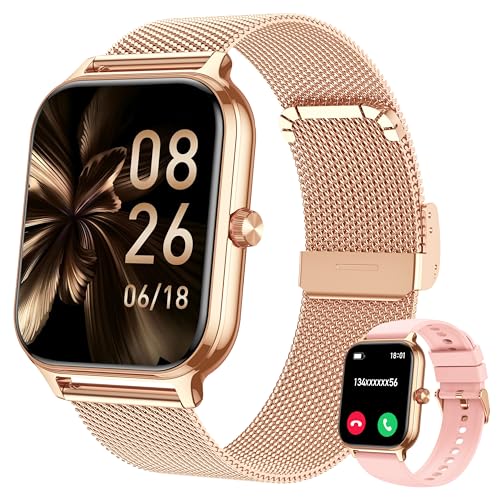
A watch that shows blood pressure sounds convenient, but the products behind that label work in very different ways. This guide to the best blood pressure monitor watches explains how they measure, what limits to expect, and which features are worth comparing. The comparison table below lists watches you can review side by side.
These watches are general wellness tools. They are not a replacement for a validated upper arm cuff or for advice from your doctor, so treat readings as trends rather than diagnoses.



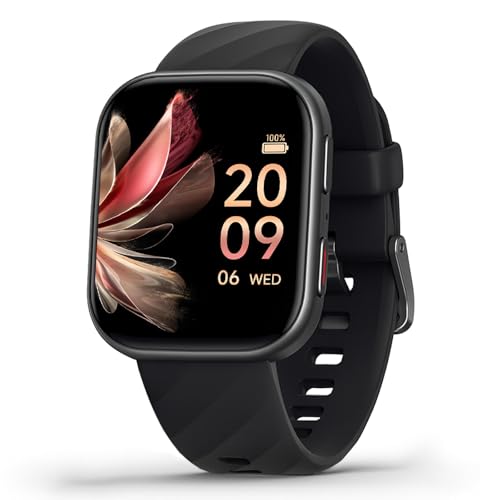
Who Should Buy Blood Pressure Monitor Watches
They suit people who like to see a daily trend on their wrist, active adults who track fitness alongside heart rate, and relatives who want an easy way to log readings. They are less suitable as the only tool for anyone who has been told to monitor blood pressure closely. If your doctor has asked you to track readings, ask which device to use and how to compare it with a cuff.
Types of Blood Pressure Monitor Watches Compared
Watches With a Built In Air Cuff
A few watches include a tiny inflatable bladder in the strap or case that squeezes the wrist during a reading. This is closer to how a wrist cuff works, and it is the style most often compared with a traditional monitor. They are bulkier and need you to stay still during the measurement.
Sensor Based Estimation Watches
Most fitness style watches estimate blood pressure from light sensors and algorithms. They are slim and comfortable and can show a trend through the day, but their numbers are estimates and can differ from a cuff reading.
Smartwatches With Health Suites
Smartwatches add heart rate, sleep and activity tracking, calls and notifications. Blood pressure may be one feature among many, so check what the product says about how it is measured.
Key Features to Compare
Measurement Method and Calibration
Read the product page to see whether the watch uses an air cuff or estimates from sensors, and whether it asks you to calibrate against a cuff reading. Calibration against a real cuff helps most estimating watches stay consistent.
Comfort and Fit
You will wear the watch all day, so choose a strap that fits your wrist and a case that is not too thick. A snug fit helps sensors but should not leave marks.
App and Data Sharing
A clear app that stores readings and lets you export or share them with a clinician is more useful than a watch that only shows a number once.
Battery Life
Air cuff watches use more power than basic trackers. Look for several days of use if you plan to take readings daily, and check how the watch charges.
Water Resistance and Everyday Use
A splash resistant watch is practical for daily wear. Check the rating if you swim or shower with it on.
How to Take a Reading
Sit with your back supported, feet flat and your arm resting at heart level. Rest for a few minutes before the reading, stay still and avoid talking. Take readings at the same times each day. Single readings can vary a lot, so look at the trend over several days instead of reacting to one number.
Common Mistakes to Avoid
Do not treat a watch reading as a diagnosis or change medication because of it. Do not measure while walking, drinking coffee or right after exercise. Do not buy on price alone, because very cheap watches may give inconsistent numbers. Do not skip comparing the watch against a cuff at least once.
Budget and Value
Basic sensor based watches cost about $30 to $100. Watches with a small air cuff usually cost about $100 to $300. A higher price does not guarantee better accuracy, so compare the method, the app and the return policy.
Care and Maintenance
Wipe the strap and sensor area regularly, since sweat and lotion can affect readings and skin comfort. Charge the watch as directed, keep the firmware updated through the app and store it away from heat.
Safety Notes
A watch is not a medical device replacement. Seek urgent medical care if you have chest pain, severe shortness of breath, fainting or other worrying symptoms, regardless of what a watch shows. Bring your watch and your readings to appointments so your clinician can judge how they compare with a cuff. This guide gives general information only and is not medical advice.
Reading Trends Without Over Interpreting
A single reading from a wrist device can be higher or lower than your usual value because of posture, a tight strap or a recent walk. Look at the average over a week and at the pattern, such as whether readings are consistently higher in the morning. Write down any symptoms as well as numbers and share the log with your doctor.
If your reading is much higher or lower than expected, rest for a few minutes and take it again, ideally with a validated arm cuff. Do not change medicines on your own, and seek urgent care for severe symptoms.
Who Should Be Cautious
People with irregular heartbeats, very narrow wrists, tremors or circulation problems may get unreliable readings from wrist devices. Ask your clinician before relying on one. These watches are best treated as a convenient extra, not as the main way to manage a health condition.
Questions to Bring to Your Doctor
Ask which device your doctor trusts for home readings, how often to measure and what range is normal for you. Ask how to compare a watch with a cuff and whether to bring both to your next visit. Share your log, including the time of day and any symptoms, so your doctor can see the pattern and give advice for your health.
Related Guides
For related choices, see our guides to the best blood pressure watches, best watch that monitors blood pressure, best smart watches with blood pressure monitor and best recommended blood pressure monitors.
Frequently Asked Questions
Are blood pressure watches accurate?
Accuracy varies by product. Air cuff watches tend to be closer to a wrist cuff, while sensor based watches give estimates. Compare the watch with a cuff reading and ask your doctor how to use the results.
Do I still need an upper arm cuff?
If you have been advised to monitor your blood pressure, ask your doctor which device to use. Many clinicians prefer a validated upper arm cuff for home readings.
How often should I calibrate a watch?
Follow the maker instructions. Many watches suggest calibrating at setup and again if readings drift from your cuff.
Why do my watch readings vary so much?
Movement, arm position, a loose strap, caffeine, stress and time of day all change readings. Take them at consistent times and positions and look at the average.
When should I seek urgent care?
If you have chest pain, severe shortness of breath, fainting, sudden weakness or a severe headache, seek urgent medical care instead of relying on a watch.
Final Thoughts
Choose by measurement method, comfort and how clearly the app shows trends, and keep expectations realistic. Use the table above to compare options among the best blood pressure monitor watches, and talk with your doctor about how to use any readings. Prices and stock change, so check the product page before ordering.


