
Best Calcium Tablets with Vitamin D: Budget, Midrange, and Premium Picks for 2026
Disclosure: We may earn a commission when you buy through links on this page, at no extra cost to you. As an Amazon Associate I earn from qualifying purchases. Learn more

Learn how to choose the best calcium tablets with vitamin d by budget, dosage, form, and testing, with clear guidance on what each price tier really offers.
Prices for combined calcium and vitamin D tablets range from a few dollars a month to several times that, and the label rarely explains what the extra money buys. Choosing the best calcium tablets with vitamin d starts with knowing which upgrades change quality and which only change packaging.
This guide walks through three price tiers, the features that are genuinely worth paying for, and the long term cost per month. Check the comparison table below for serving sizes and amounts per tablet as you read.
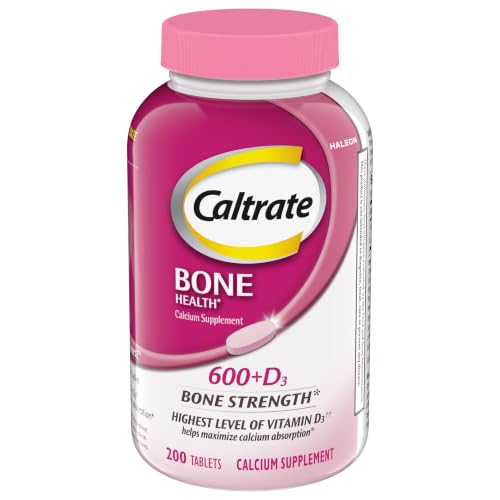



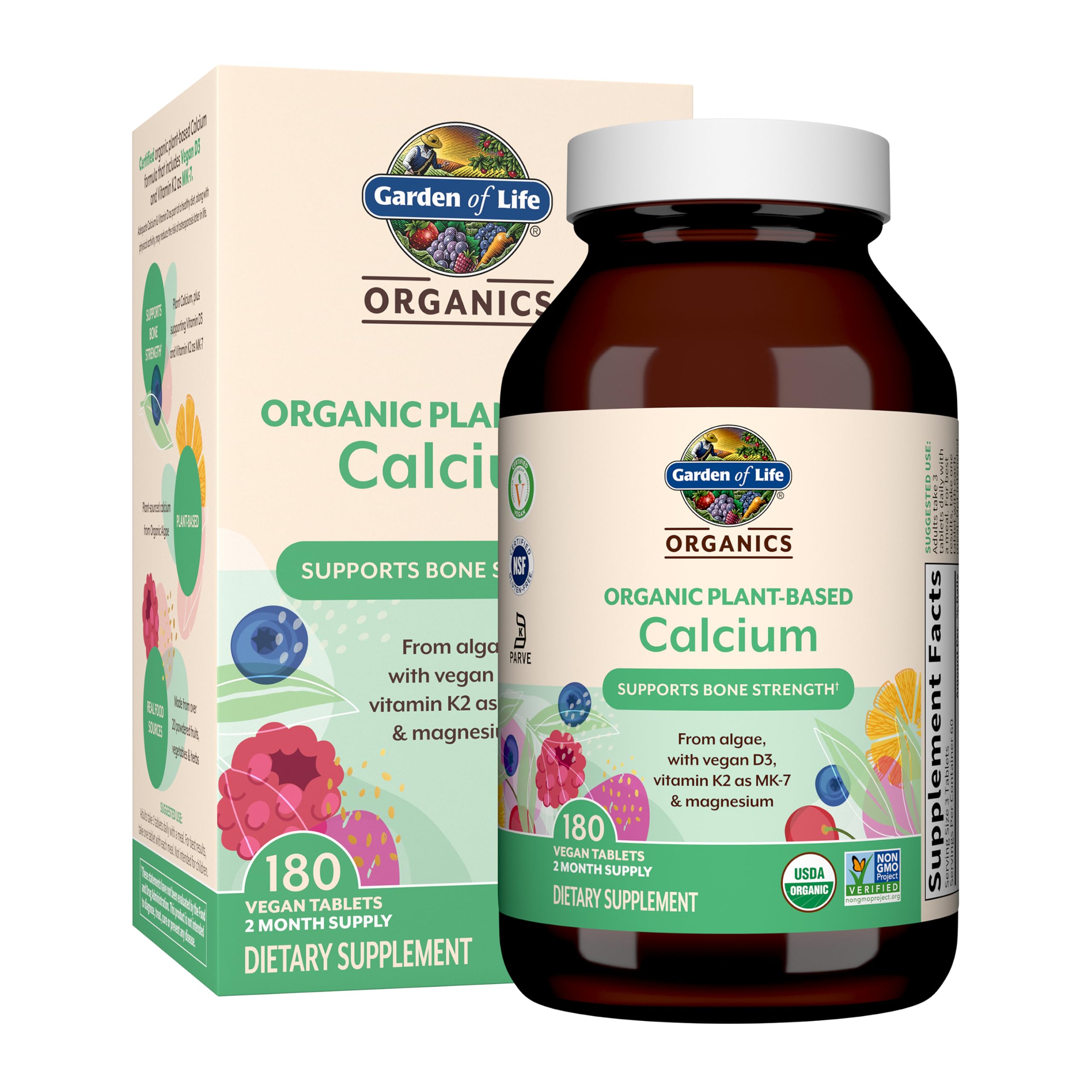
Choosing the Best Calcium Tablets with Vitamin D by Budget
Budget here means cost per day at the dose on the label, not the sticker price of the bottle. A large bottle that looks expensive can cost less per month than a small one, especially when a serving is two or three tablets rather than one.
Budget Tier: What to Expect
Budget tablets, often around $8 to $15 per bottle, usually use calcium carbonate and a modest amount of vitamin D3. They suit people who take tablets with meals, have no major stomach sensitivity, and simply want to close a clear gap in their diet. Expect plain formulas, larger tablets, and little or no independent testing shown on the label. The formula can still be perfectly sound, so judge this tier by the supplement facts panel and allergen list rather than by price alone.
Midrange Tier: The Sweet Spot for Most Buyers
Midrange options, often around $15 to $25 per bottle, commonly add third party testing, a choice of carbonate or citrate, and vitamin D amounts that better match general guidance. Tablets may be coated or smaller, and many brands publish clearer sourcing information. For most adults this tier balances cost, verification, and comfort well. If you also take a separate vitamin D product, our guide to the best vitamin d tablets helps you avoid doubling up on the same nutrient.
Premium Tier: When Spending More Pays Off
Premium tablets, often around $25 to $40 per bottle, may offer citrate form, added vitamin K, certified testing with published results, and formulas free of common allergens. You might also get smaller tablets or chewable and gummy alternatives at this level. Spending more pays off when those traits solve a real problem for you, such as swallowing difficulty or a restricted diet. It pays off far less when the premium only buys exotic added ingredients with no clear role in your plan.
Features Worth Paying For and Ones to Skip
Not every feature on the front label deserves part of your budget. The points below sort the ones that affect absorption, safety, and daily comfort from the ones that mostly affect marketing.
Why Choose a Calcium Tablet With Vitamin D
Vitamin D helps your intestines absorb calcium, so pairing the two in one tablet is convenient and often sensible, especially if you get little sun or eat few vitamin D rich foods. The limit is control, because a combined tablet fixes the ratio between the two nutrients. If blood work shows your vitamin D is already healthy, or your clinician wants a specific D dose, separate products may suit you better. Convenience is the main gain, not superior chemistry.
Added Sugars, Fillers, and Allergens
Plain tablets rarely contain sugar, but chewables and gummies often carry one to three grams per serving, which matters if you watch sugar closely. Fillers and coatings are normal, yet long lists can hide allergens such as soy, dairy, or gluten containing ingredients. Read the allergen statement even if the front label looks simple. If you follow a plant based diet, check whether the vitamin D3 comes from lanolin or from a lichen source, since brands differ on this point.
Active Ingredients and Dosage per Serving
Compare elemental calcium per serving and vitamin D in international units against the general adult guidance published by the National Institutes of Health, roughly 1,000 to 1,200 mg of calcium and 600 to 800 IU of vitamin D daily from all sources for most adults. These figures describe population guidance, not a personal prescription. Servings that require three large tablets often cost more per day than they first appear. Count food and other supplements before deciding that a high dose formula is right for you.
Brand Transparency
Trustworthy brands state the calcium form, the source of their vitamin D, and where testing was done, and some share a certificate of analysis on request. Vague labels that hide amounts inside a proprietary blend are a reason to walk away, because you cannot judge dose or value. Transparency also includes honest limits, since supplements are not approved by the Food and Drug Administration before sale as medicines are. A brand that tells you what its product cannot do is usually more credible.
Form: Tablet, Capsule, Powder, and Gummy
Standard tablets cost the least per milligram and store well, but they can be large. Capsules may go down more easily, powders mix into drinks for people who dislike pills, and gummies are pleasant but often deliver less calcium per piece with added sugar. Bioavailability depends more on the calcium form and whether you take it with food than on the delivery format itself. Pick the form you will take daily without dread, because missed doses deliver nothing at all.
Long Term Costs to Factor In
Multiply the cost per day by 365 before you commit, since a modest daily difference becomes real money over years of use. Factor in shipping or subscription discounts, the cost of a separate vitamin D tablet if your combined dose falls short, and waste from bottles that expire before you finish them. Buying very large bottles lowers unit cost but risks stale product if your routine changes. Note the expiry date on arrival and set a simple monthly reminder to check your supply. If timing questions affect whether you stick with a product, reading about the best time to take vitamin d tablets can help you settle a routine you will keep.
One practical way to judge value is to run a short trial with a single bottle before joining any subscription plan. Note how the tablet sits with your stomach, whether the size bothers you, and whether the routine fits your meals for a full month. If any of those fail, a cheaper headline price will not save the purchase. Keep the receipt and the batch details until you know the product suits you, and reorder only once your routine feels steady.
Frequently Asked Questions
When is the best time to take calcium tablets with vitamin D?
Take carbonate based tablets with a meal, because food driven stomach acid improves absorption, and fat in the meal helps vitamin D absorb as well. Citrate can be taken with or without food. Morning or evening both work, so choose the meal you eat most reliably. Separate calcium from iron supplements and certain medicines by a few hours, and confirm spacing with your pharmacist.
Are calcium tablets with vitamin D safe to take every day?
Daily use is common and is generally considered safe for many adults when total intake stays within published upper limits. Problems tend to arise when supplement, food, and fortified drinks stack up unnoticed, or when kidney disease or high blood calcium is present. Warning signs include kidney stones, persistent constipation, nausea, and unusual thirst. Discuss daily use with your clinician, especially before starting, and never treat a supplement as a substitute for medical care.
Can you get enough calcium and vitamin D from food instead?
Yes, many people can, using dairy foods, fortified plant drinks, leafy greens, canned fish with soft bones, and sensible sun exposure for vitamin D. Food also brings protein and other nutrients a tablet lacks. Supplements make sense when appetite, allergies, budget, or a restricted diet leave a persistent gap. A week of honest food tracking, or a chat with a dietitian, will show whether your gap is real before you spend anything.
Do calcium and vitamin D supplements actually work?
They reliably raise intake of nutrients that many diets lack, and they support normal bone maintenance as part of an overall healthy pattern. They are not treatments for osteoporosis or any other condition, and they do not replace prescribed medicine, exercise, or fall prevention at home. Benefits build slowly and depend on your starting point. If you have been diagnosed with low bone density, ask your doctor what role, if any, a supplement should play alongside your treatment plan.
Who should avoid calcium tablets with vitamin D?
People with a history of kidney stones, high blood calcium, certain kidney conditions, or parathyroid problems should not start without medical advice. Anyone taking thyroid medicine, some antibiotics, or diuretics should also check timing and suitability first. Children and pregnant women have different needs and limits, so adult formulas are not automatically appropriate. When in doubt, bring the exact label to your appointment. Guidance on the best calcium with vitamin d3 tablets explains the D3 form in more depth if you are comparing the two.
Final Thoughts
Decide your tier by cost per day, insist on a clear label with third party testing, and choose a form you can swallow comfortably. Those three steps filter out most poor value options using the product table above. The right best calcium tablets with vitamin d choice is the one that fits your budget, your diet, and your clinician advice, month after month. Talk with your clinician about your personal needs before you start.


