
Best Cake Stands With Cover (2026): Materials and Shapes
Disclosure: We may earn a commission when you buy through links on this page, at no extra cost to you. As an Amazon Associate I earn from qualifying purchases. Learn more

Glass, ceramic or wood? Compare size and cover height to find the best cake stand with cover for your home.
A frosted cake on the counter at breakfast can look dry and tired by dinner, and an open plate does nothing against dust, curious pets, or a crowded kitchen. A covered stand solves that small daily problem while keeping the cake easy to serve. If you are shopping for the best cake stand with cover for your home, the product table above will help you weigh size, material, and price against your space and the number of people you usually serve.
Start with how you actually bake and host. A household that makes a birthday cake twice a year needs something different from one that keeps muffins out all week. If a cover is more than you need, our guide to the best cake stand covers open display options instead.


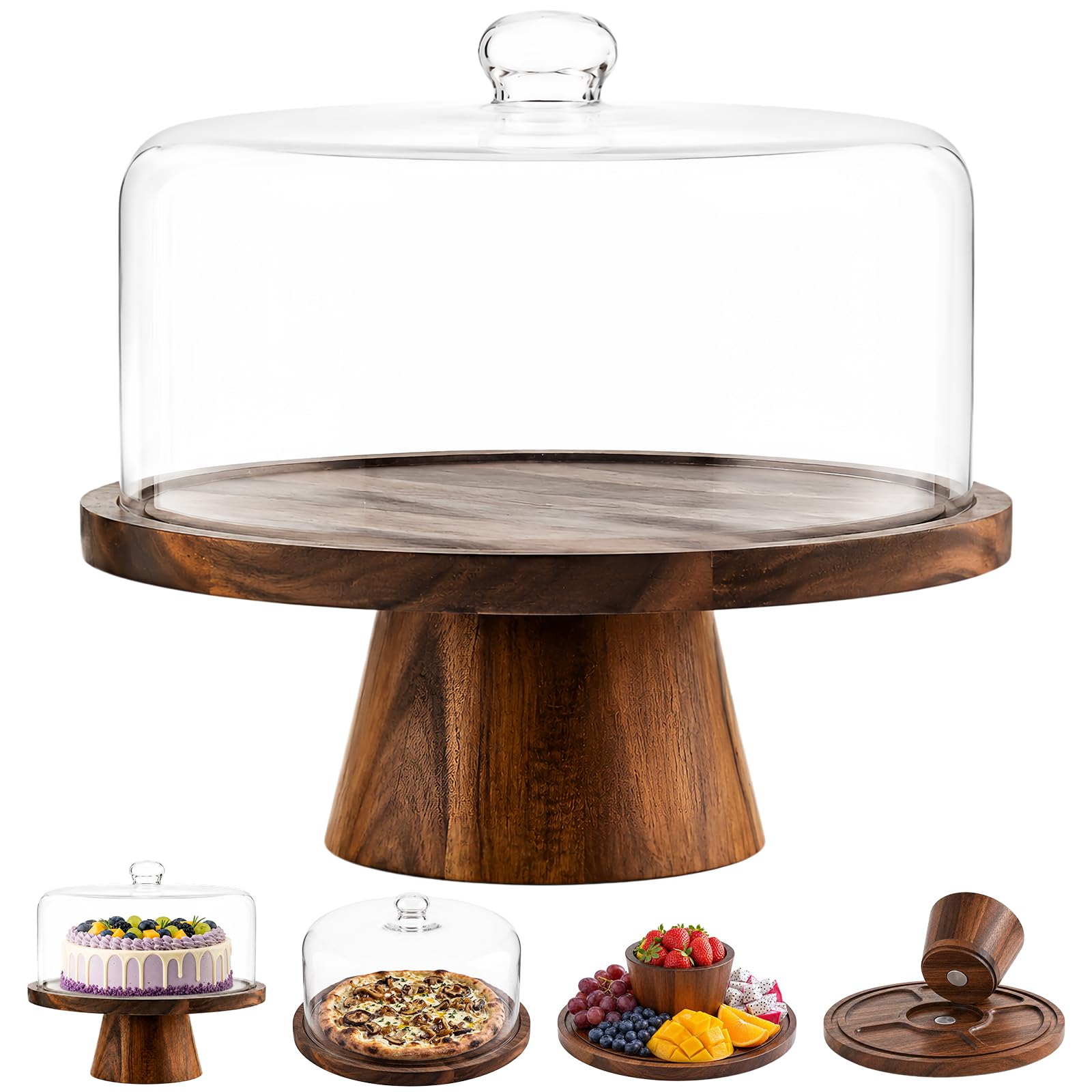


Quick Answer: Three Types That Fit Most Homes
Most buyers choose between three shapes. A flat plate with a tall cover suits everyday counters and easy slicing. A footed pedestal makes a handsome centerpiece for family meals. A tiered stand works when you serve several bakes at once and have storage room for the extra height. The sections below explain how to pick among them.
Before You Buy: A Quick Checklist for Choosing a Cake Stand
The best cake stand with cover for one kitchen can be a poor fit in another, so work through fit and care before you fall for a finish. Measure first, then think about material, cover style, safety labels, and what a replacement would cost if one part breaks.
Size: Match It to Your Space
A 10 inch plate handles most home cakes and fits inside many refrigerators, while a 12 inch plate gives frosted layers extra room so the cover stays off the icing. Mini stands suit a small loaf or a few muffins, and large or tiered models need real counter space. Check the full height with the cover on, not just the plate width, and confirm it clears your cabinets and fridge shelves before you order.
Which Type Fits Your Routine
Glass looks clean, shows the bake from every side, and wipes down fast, though it adds weight. Ceramic feels homey and holds a chill well for cream toppings. Marble stays cool and steady but is heavy to move. Wood brings warmth to the table yet needs gentle washing. Metal stands are light and sturdy, and gold tone finishes suit formal settings but show fingerprints. Match the material to how often you will lift, wash, and store the stand.
Features Worth Paying For and Ones to Skip
A tall dome protects frosted layers and decorations better than a flat lid, which is why many readers compare this guide with our notes on the best cake stand with dome before choosing. A simple lid sits lower, stacks more easily in a cabinet, and still guards against dust; see the best cake stand with lid if storage height is your main limit. A sturdy top handle and a rim that seats firmly are worth paying for. Skip ornate stems, extra tiers, or novelty shapes you will rarely use.
Lead and Cadmium in Glazes
Colored ceramic glazes are the one place to slow down and read the maker details. Look for a clear statement that the glaze is free of lead and cadmium for food contact surfaces, and be cautious with vintage or unmarked stands where the contents are unknown. Chips in a glazed plate are another reason to retire it from food use, since damaged surfaces are hard to clean well. When a listing says nothing about glaze safety, ask the seller first.
Dishwasher, Microwave and Oven Safety
Judge the plate and the cover as two separate pieces, because their care rules often differ. Many glass and ceramic plates go in the dishwasher, while wood, marble, and finished metal usually call for hand washing. A cover that is dishwasher safe may still warp against a heating element. Microwave and oven claims matter only if you plan to warm servings on the plate, so check the stated limits for each part rather than assuming the whole set shares one rating.
Set Size and Open Stock Availability
Some stands come as a single set, while others are sold as open stock, meaning the plate and cover are listed separately and can be replaced on their own. Open stock matters, since covers are the part most often cracked or lost. Before buying, confirm you can order a replacement cover alone. A stand with no replacement path costs more over its life than its first price suggests.
Realistic Budget Ranges
Prices stay approximate because they shift with sales and finishes, but the tiers below show what each range usually buys in materials and cover quality.
- under $20: simple glass or lightweight metal stands with a basic cover, fine for occasional baking and small cakes.
- under $40: sturdier glass, ceramic, or footed designs with a better fitting cover and a solid handle.
- under $80: marble, heavier ceramic, or tiered sets with finer finishes and replacement parts that are easier to find.
Types Compared: Flat, Footed and Tiered Stands With Covers
Instead of chasing a single winner, compare shapes. The right shape for the best cake stand with cover in your home depends on serving style, storage, and how formal your table tends to be.
Flat Plate With a Tall Cover for Everyday Counters
A flat plate sits low, stays stable while you slice, and slides into a refrigerator more easily than a raised design. The tall cover leaves room for frosting, fruit, or a small topper, and the low profile stores well in a deep drawer. This shape suits daily bakers who want the cake visible and reachable without ceremony. Its limit is presentation: on a dressed table it looks plain without a cloth beneath it.
Footed Pedestal With a Cover for the Table Center
A pedestal lifts the cake to centerpiece height, which helps guests serve themselves and keeps the plate clear of spills on a busy table. Footed stands suit birthdays, Sunday dinners, and homes that host often. Check that the stem and base feel balanced, since a narrow foot under a wide, loaded plate can wobble. Storage is the trade off, because the stem adds height some cabinets cannot take.
Tiered and Rotating Shapes for Parties and Decorating
Tiered stands hold cupcakes, tarts, and a small cake at once, and covers for each level keep a buffet tidy between servings. They earn their space at parties but can crowd a small counter on normal days. A rotating base serves a different job, turning the cake toward you while you frost. If decorating is your main interest, our guide to the best rotating cake stand covers turntable features in depth.
How to Compare Before You Order
Use the same short list for every candidate: material and durability, dishwasher and microwave safety for each part, cover height and fit, set contents, and value. Read the maker specifications first, then scan verified buyer reviews for repeated complaints about wobble, loose covers, or chipped rims. Give more weight to problems that several buyers describe in the same words, and treat a single angry review as a caution, not a verdict.
Do You Really Need a Cake Stand With Cover?
If your cakes are eaten the day they are baked, an open plate and a clean tea towel may be enough. A cover earns its keep when bakes sit out for hours, when your kitchen is dusty or busy, or when the fridge is full of strong smelling foods that plain cake absorbs. Covered storage also keeps frosting from drying at the edges, so the last slice tastes closer to the first. A plastic storage box protects cake too, but it hides the bake, takes two hands to open, and looks out of place on the table.
Household size matters too. A couple that bakes small cakes will use a compact stand weekly, while a large family may prefer a wide plate that moves straight from counter to table.
Common Mistakes to Avoid
- Buying by plate width alone, then finding the covered stand is too tall for your cabinets or fridge.
- Choosing a narrow pedestal for heavy layer cakes, which makes the loaded stand wobble when guests slice.
- Ignoring replacement covers, so one cracked dome turns the whole stand into clutter.
- Paying for tiers and novelty shapes you use once a year, while storage space stays tight every week.
- Putting a wooden or marble stand in the dishwasher, which can split the wood or dull the stone finish.
Cost of Ownership and Care
The first price is only part of what a stand costs you. A replacement cover, when it is sold at all, can cost a large share of the original set price, so the open stock check above protects your budget. A folded cloth between plate and cover prevents the chips that lead to early replacement. There are no running costs and no parts that wear out on a schedule, so care is the main way you extend its life.
Wash the plate and cover soon after serving, since dried frosting is harder to lift later and can stain some glazes. Dry glass fully before covering a new bake, because trapped moisture clouds the cover and softens crisp toppings. Store the cover upright on a cloth rather than upside down on a hard shelf, where its rim takes knocks.
Your Questions, Answered
How do you clean a cake stand with cover without streaks on the glass?
Wash the cover in warm water with a small amount of dish soap and a soft cloth, then rinse it fully so no soap film remains. Dry it right away with a lint free towel, working from the top down, instead of letting it air dry. Avoid abrasive pads, which can leave fine scratches that catch light and make the glass look cloudy over time.
How long does a cake stand with cover usually last in daily use?
A glass or ceramic stand can serve for many years of daily use, while wood and marble often last just as long when they are washed gently and kept dry. The usual end comes from accidents rather than age: a chipped rim, a cracked cover, or crazing in a glaze that makes the surface hard to clean. Once a crack reaches the food surface, retire the piece from serving and keep it, if you like, for wrapped goods or decoration only.
Can a cake stand with cover hold foods other than cake?
Yes, and this is where a covered stand quietly earns its counter space. Cheese, muffins, scones, cookies, and a stack of pancakes all sit well under a cover, and whole fruit looks good on a footed plate at brunch. Keep strongly scented foods separate from sweet bakes planned for the same day, since a cover holds odors in as well as it keeps them out. Raw meat belongs in sealed fridge containers instead.
Is a cake stand with cover worth it for a small kitchen?
It can be, if you choose a compact plate and let the stand do more than one job. A small covered stand can hold fruit, bread, or pastries when no cake is planned, which frees a storage box from the counter. Measure the footprint honestly, since a wide stand that blocks your only prep area will annoy you daily. For tight kitchens, a flat plate that stores in a cabinet beats a tall pedestal.
Can you carry a loaded cake stand by the handle on its cover?
No, and this habit cracks covers and drops cakes. The handle is made for lifting the empty cover off the plate, not for bearing the full weight of stand, cake, and cover together. Carry the loaded stand with both hands under the plate or base, and set it down before removing the cover. When you move it across a room, clear the path first and walk slowly, since a tall covered cake shifts more than you expect when you turn.
Final Thoughts
Match the plate to your cakes, the height to your shelves, and the material to the washing you are willing to do. Flat stands serve daily bakers, pedestals suit hosts, and tiered shapes belong in homes that entertain often. Look back at the product table above, and the best cake stand with cover for your home should stand out clearly.


