
Best Black Flatware Set in 2026: Sets, Steel and Finish Care
Disclosure: We may earn a commission when you buy through links on this page, at no extra cost to you. As an Amazon Associate I earn from qualifying purchases. Learn more

Midweight, budget and premium sets compared on steel, coating and care, to help you choose the best black flatware set for your table.
Picture a weeknight dinner where the table looks pulled together in about thirty seconds. Black flatware does that job well, because the dark finish makes plain plates look deliberate and hides small scuffs. Finding the best black flatware set for your home comes down to three things: how many people sit at your table, how the finish holds up in your dishwasher, and what you can spend.
This guide walks you through set sizes, steel grades, finishes, and care so you can match a set to your space and routine. The product table below gathers the key specs in one place, and the sections after it explain what those specs mean in daily use.
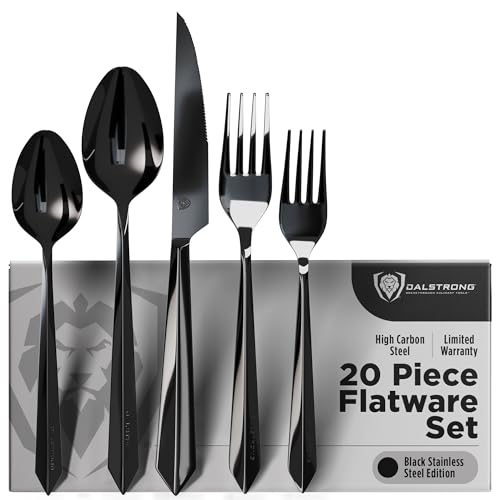


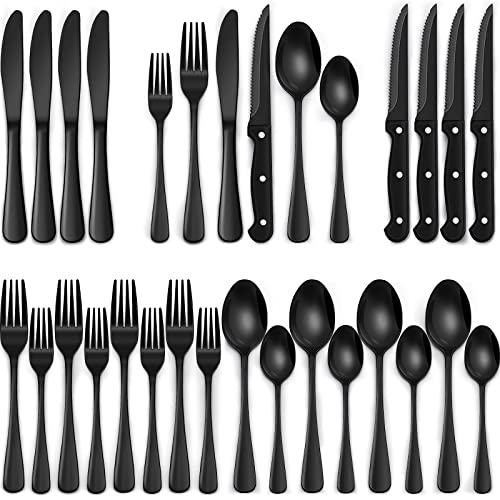

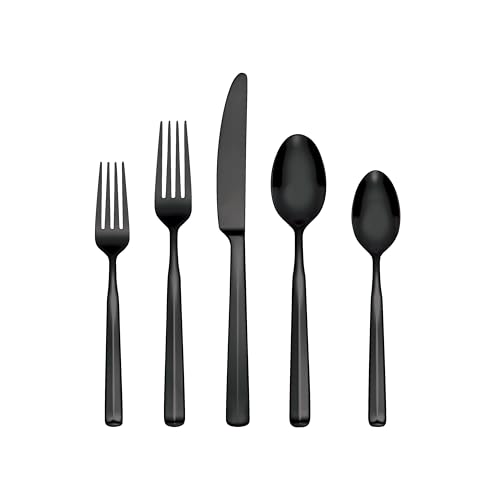
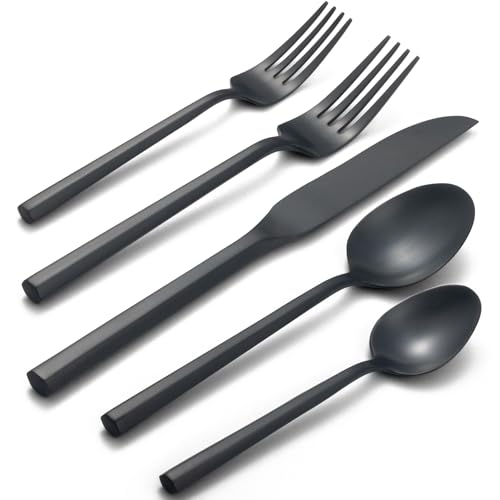

Quick Answer: The Three Types Worth Considering
Most black flatware falls into three groups. The first is midweight coated stainless steel with a matte or satin black finish, the balanced choice for most homes because it feels solid and tolerates daily dishwashing. The second is a lighter budget group in thinner steel, suited to starter kitchens and spare sets. The third is a heavier premium group built on higher grade steel, made for people who host often and want a set that still looks sharp after years of use.
No group is right for everyone. A couple in a small apartment needs a different count and weight than a family of six. Read the checklist below first, then use the type comparison to pick your group.
Before You Buy: A Quick Checklist for Choosing a Flatware Set
Size: Match the Set to Your Space and Your Table
Sets are sold by piece count, and each place setting normally holds five pieces: a dinner fork, a salad fork, a knife, a soup spoon, and a teaspoon. A 20 piece set serves four, a 40 piece set serves eight, and a 60 piece set serves twelve. Count your usual diners, then add settings for guests and for pieces sitting in the dishwasher when dinner starts. Drawer space matters too, since a large set in a shallow drawer stacks untidily and the finish rubs where pieces grind together.
Which Steel and Finish Fit Your Routine
Under the black color, nearly every set is stainless steel, and the grade changes how it behaves. Steel marked 18/10 contains more nickel, which gives better resistance to rust. Steel marked 18/0 costs less and works fine for light use, but it can show rust spots sooner in a damp dishwasher. If you want the fuller picture before you decide, our guide to 18/10 vs 18/0 flatware explains where the difference shows up in daily life. The black layer itself is a thin coating bonded to the steel, offered in matte, satin, or glossy versions. Matte hides fingerprints best, while glossy shows water spots more.
Features Worth Paying For, and Ones to Skip
Serving pieces are the extra most homes actually use, since a serving spoon and fork cover holiday meals and potlucks without extra purchases. Steak knives are worth it only if you serve steak or thick chops often. A storage tray sounds tidy, but most trays fight with standard drawer dividers, so skip one unless your drawer has no organizer at all. Decorative handle patterns add cost without changing how the set eats, so treat them as a style choice. If you are comparing finishes across colors, the same logic applies to a best gold flatware set, where the coating and steel grade matter more than the ornament on the handle.
Lead and Cadmium Safety in Coatings
Flatware is metal rather than glazed ceramic, so lead and cadmium glazes are not part of how a black set is made. The relevant question is the coating itself. Look for a maker that states the finish is food safe and free of lead and cadmium, and be cautious with sets that list no material information at all. A set that cannot tell you what the black layer is made of is one to pass over, however low the price.
Dishwasher, Microwave, and Oven Safety
Most black flatware is sold as dishwasher safe, but safe and unchanged are not the same thing, and the care section below covers how to protect the finish. One rule has no exceptions: never put any flatware in a microwave, because metal can spark and damage the appliance. Oven use is also a poor idea, since solid metal handles heat up fast and high heat can dull a coated finish. Keep black flatware for the table and the sink.
Open Stock and Replacement Availability
Teaspoons vanish. Forks bend. Before you buy, check whether the maker sells single pieces or small replacement packs in the same pattern and finish. This open stock availability decides whether one lost spoon means a small order or a mismatched drawer. Shoppers who want that security often start with a best 18/10 flatware set from a stable line, because those patterns tend to stay in production for years.
Realistic Budget Ranges
Budget sets run under $30 and usually serve four people in thinner steel with a basic finish. The middle of the market sits at about $30 to $80, where you get service for eight, better weight, and a more even coating. Spending about $80 to $200 buys higher grade steel, heavier pieces, and serving utensils in the box. Above that level you mostly pay for design rather than daily performance. For most homes, the middle range delivers the best balance of looks, weight, and finish life.
Black Flatware Types Compared
Matte Black Coated Stainless for Most Homes
This is the type to shortlist first if you eat most meals at home and wash everything in the dishwasher. The pieces carry enough weight to feel settled on the table without tiring your hand through a long meal. The matte surface shrugs off fingerprints and casual scratches better than a glossy one, so the set still looks fresh months after you bought it. Shapes tend to be simple and modern, which pairs easily with plain stoneware and wood tables.
Budget Black Sets for Starter Kitchens
Lightweight budget sets make sense for a first apartment, a dorm room, or a spare set for parties. The steel is thinner, the knife edges are plainer, and the finish may fade sooner where pieces rub in the drawer. None of that matters much if the set only needs to cover a year or two of light use. Buy the size you need now and put the savings toward the set you will keep once your household settles.
Heavy Premium Black Sets for Frequent Hosts
Premium sets use thicker steel and balanced handles that feel calm and solid at a crowded table. If you host holidays or run a wedding registry, this is the group to study, because the pieces tolerate heavy use and the patterns stay available for later additions. The gain over a good midrange set shows up in weight and finish consistency rather than in how dinner tastes. Registry shoppers often weigh these against a classic best stainless steel flatware set in plain polished steel.
How We Judge a Black Flatware Set
Our criteria start with material and durability, since the steel grade and coating decide how long the set keeps its color. Next comes balance and grip, because a fork that twists in your hand makes every meal slightly worse. We then check set contents, making sure the piece mix matches real meals rather than padding the count with rarely used items. Finally we weigh value against the years of daily use a set can reasonably give. These judgments draw on maker specifications and patterns in verified buyer reports.
What We Like and What We Do Not About Black Flatware
The appeal is easy to see. Black pieces give a table a modern, composed look, they pair with almost any plate color, and the dark finish hides the faint scratches that make polished steel look tired. Against plain stainless steel, though, black asks more of you. The coating can fade at edges after long dishwasher exposure, and a damaged piece shows bright steel underneath, which is more noticeable than wear on an uncoated set.
There is also a matching problem. If a pattern is discontinued, blending a replacement black set with your old one is harder than blending plain steel, since shades of black vary between makers. None of this rules black out. It means the finish rewards gentle care and a pattern from a line likely to stay in production. Our broader guide to the best flatware set covers how black compares with other finishes.
Common Buying Mistakes to Avoid
- Buying service for four when your table seats six, which leaves you short when guests stay for dinner.
- Choosing the cheapest thin set for heavy daily use, which leads to bent tines and early finish wear.
- Ignoring the coating care notes, then blaming the set when harsh detergent dulls the black finish.
- Picking a pattern with no replacement pieces sold, so one lost teaspoon breaks the look of the set.
- Ordering by piece count alone, since some large counts pad the box with pieces you will rarely touch.
Cost of Ownership and Care
A black set costs little to own beyond the purchase price, but care habits decide how long the finish lasts. Wash pieces with a mild detergent and skip citrus scented or chlorine based powders, which can attack coated finishes over time. Load the dishwasher with pieces separated so surfaces do not knock together, and dry the set promptly rather than leaving it in steam. Hand washing is gentler still and worth it for premium sets. Store pieces in a lined tray so metal does not grind on metal in the drawer.
FAQ
How do you clean a black flatware set without fading it?
Use warm water, a soft sponge, and a mild detergent, and dry each piece with a cloth right after washing. In a dishwasher, space the pieces so they do not touch and take the set out as soon as the cycle ends. One extra step helps a lot: rinse off salty or acidic food soon after the meal, since long contact with tomato sauce or lemon can dull the coating.
Is a black flatware set worth it?
It is worth it if you like the look and will give the finish basic care. You gain a table that feels styled with no extra effort, and you lose a little of the carefree toughness of plain steel. Households that toss everything into a packed dishwasher on the hottest cycle may be happier with uncoated steel. For everyone else, the trade is fair.
How long does a black flatware set last?
The steel itself can serve for decades, but the black finish is the limiting factor. With prompt drying and mild detergent, a quality coating keeps its color for many years of daily use. Heavy dishwasher exposure shortens that span, and the first signs are soft fading at the edges of handles and fork tines. Replacing a few worn pieces from the same pattern restores the look without replacing the set.
Are black flatware sets safe for everyday eating?
Yes, when the set comes from a maker that lists its materials and states the finish is food safe. The black layer on reputable sets is a bonded coating over stainless steel, made for direct food contact. Be wary of sets with no material information or paint that flakes when scratched with a fingernail. Those are signs to return the set rather than eat from it.
What is the best black flatware set for a wedding registry?
Choose a heavy set in a long running pattern, with service for twelve if you plan to host family holidays. Register for the serving pieces at the same time, since adding them later risks a shade mismatch. One point couples often miss: register for a few extra place settings beyond your guest count, because replacements get harder to match as years pass.
Final Thoughts
Start with your headcount, pick the steel grade your routine can support, and choose the finish you will enjoy seeing every day. The product table above pulls those choices together so you can compare types at a glance. For most households, the best black flatware set is a matte midweight set in service for eight, from a line that sells replacement pieces. Choose that combination and your table is set for years to come.


