
Best Cake Stands for Your Home: Types, Sizes, and Care (2026)
Disclosure: We may earn a commission when you buy through links on this page, at no extra cost to you. As an Amazon Associate I earn from qualifying purchases. Learn more

The best cake stand fits your cakes, your shelf, and your cleaning habits. See sizes, materials, covers, and glaze safety.
A cake stand earns its keep in small everyday moments. A birthday cake looks taller on a raised plate, muffins stay visible instead of hiding in a container, and leftovers sit covered on the counter where your family can find them. The best cake stand for your home depends on three things: the space you have, how many people you serve, and how often you bake. This guide walks through sizes, materials, and covers so you can match a stand to your kitchen, and the comparison table below sums up the main types side by side.





Quick Answer: The Three Types Most Homes Need
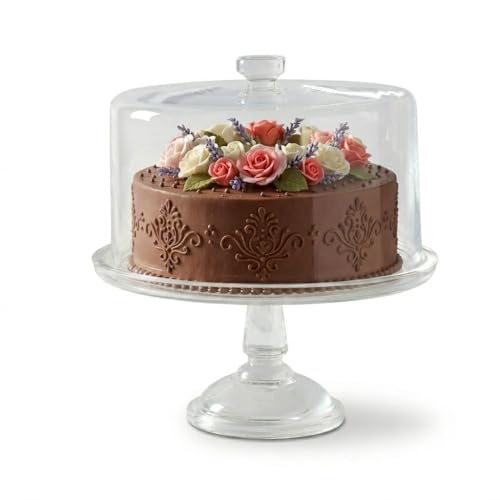
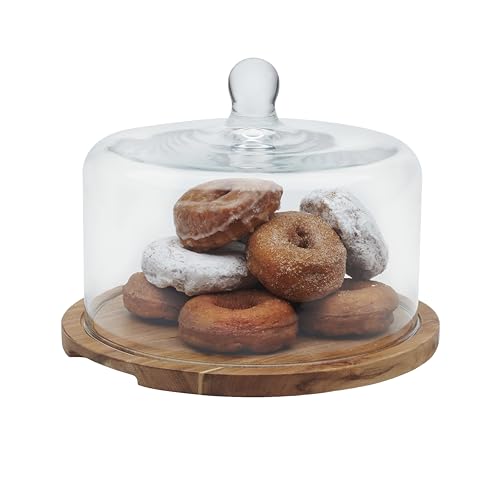
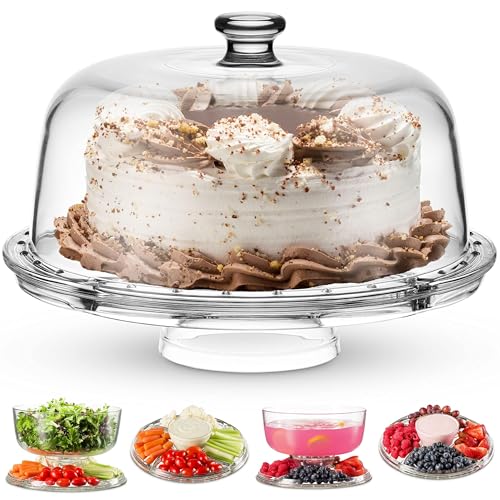
Most households end up choosing between three styles. A classic pedestal stand suits weekly baking and small gatherings, since it stores easily and presents a standard round cake well. A stand with a glass dome suits homes that bake ahead, because the cover keeps cakes moist and visible for a day or two. A tiered stand suits parties, when you want cupcakes, cookies, and fruit stacked in a small footprint. Start with the style that matches how you serve, then use the checklist below to narrow down size, material, and budget.
Before You Buy: A Quick Checklist for Choosing a Cake Stand
Size: Match It to Your Space
Diameter decides both fit and usefulness. A 10 inch plate holds a standard 8 or 9 inch layer cake with a little room for frosting tools, and it fits inside most kitchen cabinets. A 12 inch plate gives space for a decorated cake plus a border of berries or candles, but measure your shelf height before you buy, since a pedestal base adds several inches. Mini stands hold a single cupcake or a small cheese round. Tiered stands trade width for height, so check the gap between tiers if you plan to stack frosted cupcakes rather than flat cookies.
Which Type Fits Your Routine
Material shapes how a stand looks, feels, and survives daily use. Glass reads clean and modern, shows off colorful layers, and wipes clean fast, though it chips if it knocks against a stone counter. Ceramic brings color and weight, so it stays put while you slice. Marble stays naturally cool, which helps buttercream hold its shape at a warm party, but it is heavy and can stain from berries or turmeric. Wood feels warm and pairs well with breads and pastries, while metal stands, including gold toned finishes, suit formal tables and resist chipping.
Features Worth It (and Ones to Skip)
A dome, lid, or cover is the feature most buyers are glad they chose, because it protects a cake from drying air, curious pets, and dust between servings. If you often bake the night before a party, start with our guide to the best cake stand with dome so the cover shape matches your tallest cakes. A rotating base helps if you frost cakes at home, since you can turn the cake instead of walking around the counter; the best rotating cake stand options focus on that job. Skip ornate stem shapes and novelty finishes you will tire of, and skip a stand that doubles as a punch bowl unless you truly host that way.
Lead and Cadmium Free Glazes
Decorative ceramic and painted stands can carry glazes that contain lead or cadmium, two metals you do not want migrating into food. Reputable makers state on the product page that a stand is lead free and cadmium free, or that it complies with California Proposition 65 limits. Bright red, orange, and yellow pigments on older or unbranded pieces deserve extra caution. If a listing says nothing about glaze safety, treat the stand as decorative only and place a parchment round between the cake and the surface. When in doubt, choose clear glass or plain white ceramic.
Dishwasher, Microwave and Oven Safety
Care labels vary more than buyers expect. Plain glass and most glazed ceramic plates usually tolerate the dishwasher, while stands with metallic trim, wooden bases, or marble plates call for hand washing to protect the finish. A cake stand rarely needs the microwave or oven, but a removable ceramic plate that is oven safe lets you warm a coffee cake right on its serving plate. Check whether the rating applies to the whole stand or only the top plate, since glued pedestal joints can loosen under heat or long soaking.
Set Size and Open Stock Availability
Some stands sell as part of a serving set with matching tiers, while others sell as single pieces. A maker that sells each tier separately lets you start with one stand and add a second later in the same pattern. Open stock availability matters most after an accident: a chipped plate you can replace on its own costs far less than a whole new set. Before buying, check that the maker lists replacement domes and plates.
Realistic Budget Ranges
Under $20 usually buys a simple plastic, melamine, or plain glass stand with no cover, a sensible start for occasional bakers and outdoor parties where breakage is a real risk. The under $40 range is where most homes land: expect sturdy glass or ceramic, a footed base with clean lines, and sometimes a dome included. Under $80 opens up marble, heavier cut glass, and larger tiered sets. Spending beyond that mostly buys design and brand rather than function, so let your serving habits set your ceiling.
Three Stand Styles Compared: Everyday, Value and Long Term
The Everyday Pedestal for Most Homes
A footed glass or ceramic pedestal in the 10 to 12 inch range covers the widest set of jobs: birthday cakes, pie nights, croissants at brunch, or fruit on the counter. Look for a plate with a slight rim so crumbs stay on board, a base wide enough that the stand does not rock when you press a knife down, and a stem height that lifts the cake clear of other dishes. This is the style to buy first if you own no stand at all, since it presents food well without demanding storage space for extra parts.
The Value Style for Occasional Bakers
If you bake a few times a year, a simple flat plate stand or a lightweight melamine pedestal gives you the raised presentation without the storage burden or the worry of chipping. Choose a design that stacks with your dinner plates, and favor smooth surfaces over carved patterns, since frosting hides in grooves and slows washing. A value stand also makes a smart second stand for parties, holding the overflow dessert while your main stand carries the cake. What you give up is weight, presence on the table, and a cover.
The Long Term Investment Style
Marble, heavy glass, and solid ceramic stands with classic shapes are the pieces that stay in a family for decades. The extra money goes into thickness, balance, and finishes that do not date quickly, so avoid trendy colors at this tier. Check that the maker sells a matching dome or compatible cover, because a covered stand gets used weekly while an uncovered one waits for parties. Weight cuts both ways: a heavy stand feels stable while slicing, but if anyone in your home has grip or wrist trouble, test how a similar weight feels to carry first.
Choosing by Household and Space
A household of two that bakes small cakes does best with a 10 inch pedestal that fits a cabinet shelf, while a family that hosts Sunday dinners should size up to 12 inches. If your cakes usually sit out for hours, read our guide to the best cake stand with lid for options that seal more securely than a loose dome. Apartment kitchens with shallow counters favor tiered stands, which build upward instead of outward. And if pests, pets, or dust make you cover everything by default, the best cake stand with cover roundup focuses on stands sold with protection included.
Common Buying Mistakes to Avoid
- Buying a plate smaller than your usual cake, so frosting smears every time you lift a slice.
- Ignoring total height, then finding the pedestal plus dome does not fit between your cabinet shelves.
- Paying for features you will not use, such as a rotating base when you never frost cakes at home.
- Choosing a pattern the maker may discontinue, so a chipped plate later means replacing the entire set.
- Putting a stand with metallic trim or a wooden base in the dishwasher, which dulls the finish.
Cost of Ownership and Care
A cake stand has no running costs, so ownership cost comes down to replacement parts and how gently you treat it. A replacement dome or plate usually costs far less than a new stand. Store domes upside down on a soft cloth, since a dome rim chips easily when it rolls in a cabinet. Wash marble and wood by hand and dry them right away, and never soak a stand with a glued pedestal joint. Stack plates with a cloth pad between them to prevent scratches.
Your Questions, Answered
What makes a cake stand brand reliable?
Reliability shows up in consistency rather than fame. A dependable maker publishes full dimensions, states glaze and food safety details plainly, sells replacement domes and plates, and keeps the same designs in production for years. Buyer feedback patterns matter too: repeated comments about level plates and sturdy stems signal good quality control, while repeated notes about wobble or rim chips point the other way.
How do you clean a cake stand?
Start by lifting off crumbs and frosting with a soft spatula so grit does not scratch the surface during washing. Wash glass and glazed ceramic in warm water with mild soap, using a cloth rather than an abrasive pad, and dry with a towel to prevent water spots on glass. For marble, wipe spills from berries or coffee promptly, since acids and pigments can etch or stain the stone. A paste of baking soda and water lifts light stains from ceramic.
Is a cake stand worth it?
It is worth it if you bake or buy cakes more than a few times a year, because a raised, covered stand keeps desserts fresher and makes a simple cake feel like an occasion. It also frees your dinner plates, which otherwise disappear under cakes for days. If space is extremely tight and you rarely serve dessert to guests, borrow one for big events instead. The deciding question is storage: if you can name the shelf it will live on, buy it.
How long does a cake stand last?
A glass, ceramic, or marble stand can last decades, since none of these materials wears out in normal use. Lifespan is really about accidents and finishes: metallic coatings can fade with harsh detergents, wooden bases can split if soaked, and glued pedestal joints can fail after years of heat and water exposure. Treat the stand gently, and its working life is measured in generations rather than years.
What is the best cake stand for a tall layer cake?
Look at two numbers: plate diameter and dome clearance. A tall layer cake needs a plate at least 2 inches wider than the cake so you can frost and slice without crowding, and a dome tall enough to clear decorations like piped rosettes or a topper. Some domes peak in the center and slope fast, so usable height at the edge is less than the listed height. If you bake tall cakes often, a flat topped dome serves you better than a rounded one.
Final Thoughts
Start with how you serve, then check size, cover, and care in that order, and the right stand almost chooses itself. The product table above pulls the main types together so you can compare them at a glance. For most homes, the best cake stand is a sturdy 10 to 12 inch pedestal in glass or ceramic, with a dome added if your cakes often wait overnight. Choose the style that fits your shelves and your table, and it will earn its place at every birthday and holiday.


