
Best Burgundy Wine Glasses (2026): Materials, Sets and Care
Disclosure: We may earn a commission when you buy through links on this page, at no extra cost to you. As an Amazon Associate I earn from qualifying purchases. Learn more

Compare material, rim and set size to find the best burgundy wine glasses for pinot noir and chardonnay at home.
A burgundy glass is a lovely thing at a tasting table, but at home it also has to survive your dishwasher, fit your cabinet, and feel right in the hand of a guest who is reaching across the table for the bread. If you are shopping for the best burgundy wine glasses for real home use, this guide helps you choose by room, household size, and budget, and the product table above shows the options we compared.
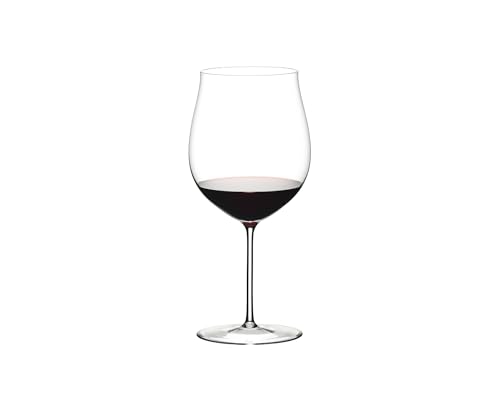
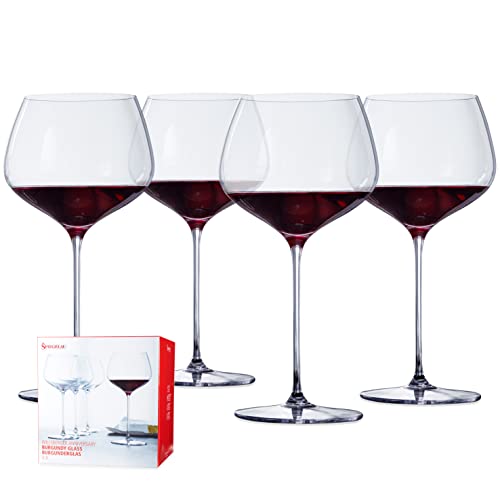
The burgundy shape itself is simple: a very wide bowl, a narrower opening, and a rim that curves outward slightly. That broad surface suits pinot noir and chardonnay because both wines show their aroma best with room to breathe. The rest of this guide matches that shape to the way your household eats, drinks, and cleans up.





Quick Answer: How to Choose in 30 Seconds
Start with three decisions. First, pick your material: soda lime glass for relaxed daily use, or lead free crystal for a thinner rim and a clearer ring. Second, pick your set size based on how many people sit at your table most weeks, not on your biggest holiday. Third, decide on stems: a classic stem keeps hands off the bowl, while a stemless shape stores more easily and feels steadier around kids. Keep that in mind when choosing the best burgundy wine glasses for your table.
Before You Buy: A Quick Checklist for Choosing Burgundy Wine Glasses
Size: Match It to Your Space
Burgundy bowls are the widest in the wine glass family, and that width drives everything else. A typical bowl holds about 20 to 25 ounces, though you would pour only about 5 ounces at a time so the wine has surface area to open up. Before ordering, measure your cabinet shelf height and your dishwasher rack, because a tall stemmed glass with a broad bowl needs more clearance than a standard red wine glass. If storage is tight, a set of 2 or a set of 4 beats a set of 12 you cannot put away.
Which Type Fits Your Routine
Machine made glass is the workhorse choice: consistent, affordable, and usually fine in the dishwasher. Hand blown glasses feel lighter and more delicate, with a rim so thin it almost disappears, but they cost more and ask for gentle handling. Lead free crystal sits between the two, giving you clarity and a fine rim with better strength than traditional crystal. Plastic burgundy shapes exist for patios and poolside use and make sense outdoors, though the aroma experience is flatter than with real glass at the table.
Features Worth It (and Ones to Skip)
A gift box is worth having if the set is headed to a wedding or a housewarming, since wide bowls chip easily in transit. A bundled decanter can be a fair value if you drink young pinot noir often, because a short rest in a decanter softens firm tannins. Skip oversized novelty bowls that hold a full bottle, since a bowl that large warms the wine in your hand. Also skip sets padded with extra glass shapes you never pour, because cabinet space is the real limit in most kitchens.
Lead and Cadmium Safety
Traditional crystal gets its sparkle and weight from lead oxide, which is why many households now choose lead free crystal or plain glass for daily pours. If a set has painted rims or colored stems, check the maker notes for lead and cadmium free glazes, since decoration sits exactly where your lips touch. For long storage of wine or spirits, plain glass is the safer vessel, because acidic liquid left for weeks in lead crystal can draw out small amounts of lead. For a normal dinner pour, either material is a reasonable choice.
Dishwasher and Storage Safety
Most machine made burgundy glasses are labeled dishwasher safe, but the wide bowl is the problem, not the wash cycle. Bowls knock against each other and the rack tines, and the rim is where chips start. Load glasses on the top rack with space between them, skip the heated dry setting when you can, and never stack bowls inside one another for storage. Hand blown and thin crystal pieces are better washed by hand in warm water, then dried upright on a towel.
Set Size and Open Stock Availability
Think about replacement before you fall for a set. Open stock availability means the maker sells the same glass singly or in small packs later, so one broken bowl does not orphan the rest of your set. A set of 6 suits most couples who host another couple or two, while a set of 8 or a set of 12 fits homes that run larger dinners. If you entertain in bursts, two matching sets of 4 bought at the same time age more evenly than one large set bought years apart.
Realistic Budget Ranges
Under about $20, expect sturdy soda lime glass in simple sets, fine for daily dinners and easy to replace. Around $50, you move into lead free crystal with a thinner rim and better clarity, and most households find this tier the sweet spot. Under about $100, sets add finer stems, larger counts, and nicer packaging. Approaching about $200, you are paying for hand blown work and very light glass, which rewards careful owners but punishes clumsy cleanup. No tier changes the bowl shape, so spend on the material and rim you will enjoy most.
Burgundy Glass Types Compared
Rather than naming specific products, it helps to compare the three broad types in almost every listing, because the type predicts your daily experience far better than any single model name. Machine made glass is the easiest to live with: it tolerates the dishwasher, shrugs off small knocks, and costs little to replace, though its rim is thicker and its feel heavier. Lead free crystal gives you the fine rim and bright clarity that make pinot noir feel special, at a moderate price and with moderate care needs.
Hand blown glasses sit at the far end: remarkably light, beautifully balanced, and priced so that every wash feels like a small event. They suit quiet dinners and careful hands, not busy family kitchens. For a wider view of shapes beyond burgundy, see our overview of the best wine glasses. If most of your drinking is red, our guide to the best wine glasses for red wine explains when a bordeaux shape serves you better.
The Criteria That Matter Most
When listings all look alike, judge them on five things. Material and durability come first, because they decide how the glass survives your sink. Rim thickness comes next, since a thin, smooth rim lets wine flow cleanly while a rolled rim feels clunky. Then check the stated dishwasher guidance, the set contents, and the price per glass rather than the price per box. Finally, weigh the proportions: a wide bowl on a short stem suits casual rooms, while a taller stem reads more formal.
Burgundy vs Other Wine Glasses: What Works and What Does Not
What works: the wide bowl genuinely helps aromatic wines. Pinot noir, gamay, and oaked chardonnay all smell more open in a burgundy glass than in a narrow one, and the effect is easy to notice at home with no special skill. White wine drinkers benefit too, which is why our notes on the best wine glasses for white wine often point chardonnay fans toward this shape. What does not work: the same wide bowl makes tannic wines like cabernet sauvignon taste softer and less structured than they should, and the large surface warms white wine faster on a warm evening.
There is also the stem question. A stem keeps your hand off the bowl, which keeps white wine cool and the glass free of fingerprints. A stemless burgundy shape is steadier on a crowded coffee table and fits low cabinets, but it warms the wine and smudges the bowl. Our comparison of stemmed vs stemless wine glasses walks through that trade off in full, and our picks among the best stemless wine glasses show what to look for if you go that route.
Common Buying Mistakes to Avoid
- Buying the largest bowl you can find, then discovering it fits neither your cabinet shelf nor your dishwasher rack.
- Choosing a set of 12 for one annual holiday dinner, while your weekly table of four rattles around in storage the rest of the year.
- Ignoring replacement cost, so the first chipped rim turns a matched set into a mixed shelf of near matches.
- Paying for hand blown thinness in a home with young kids and a busy sink, where a sturdier glass would bring more pleasure and less worry.
- Putting every glass in the dishwasher on a hot cycle with heated dry, which dulls crystal and loosens nothing but your patience at replacement time.
Cost of Ownership and Care
The purchase price is only part of what a set costs you. Budget for one or two replacement glasses a year in an active household, plus a soft drying cloth and a foam tipped brush for the wide bowl. Store glasses upright and keep a little space between bowls so rims do not touch. Wash soon after use when red wine has sat in the bowl, because dried wine leaves a film that takes soaking to lift. For a full routine, read our walkthrough on how to clean wine glasses.
Your Questions, Answered
Does the brand of a wine glass matter much?
Less than the shape and rim do. A well made glass from a mid priced maker pours pinot noir just as pleasantly as a famous name, because the bowl geometry does most of the work. Where brands differ is consistency: established makers hold rim thickness and bowl size steady across production runs, so a replacement bought later matches the set you own. That consistency, plus open stock availability, is the real reason to pay for a known maker.
How do you clean burgundy wine glasses without breaking them?
Support the bowl in your palm rather than holding the stem, because twisting a wide bowl against a gripped stem is how stems snap. Use warm water, a drop of mild soap only when residue demands it, and a foam tipped brush that reaches the bowl base without pressure. Rinse in water of a similar temperature to avoid thermal shock, then dry upright on a lint free towel. Polishing with a microfiber cloth while the glass is still slightly damp prevents water spots.
Are expensive burgundy wine glasses worth it?
They are worth it if you drink aromatic wines often and handle glassware gently, because the thinner rim and lighter balance do change how a pour feels. They are harder to justify for large gatherings, outdoor meals, or homes where glasses are washed by whoever is nearest the sink. A sensible middle path is a fine set for the dining table and a sturdy, cheaper set for the kitchen and patio.
How long do burgundy wine glasses last?
There is no fixed lifespan, because glass does not wear out the way a coating or a blade does. A cared for set can serve for many years, with losses coming almost entirely from chips, knocks, and dishwasher collisions rather than age. Crystal can slowly cloud if washed often with hard water and harsh detergent, a cosmetic change rather than a safety one. Most households replace glasses one accident at a time, which is again why open stock matters.
Are burgundy wine glasses worth it if I mostly drink other wines?
They earn their shelf space if pinot noir or chardonnay shows up at your table even a few times a month, because those wines gain the most from the wide bowl. If your drinking runs to cabernet, syrah, and crisp whites, a bordeaux shape and a smaller white wine glass will cover more of your week. Some households solve this with one universal glass for daily use and a small burgundy set of 2 or 4 for the wines that reward it.
Final Thoughts
The right choice fits your shelves, your table, and your cleanup routine, in that order. Pick a material you will not fuss over, a set size matched to your usual company, and a rim thin enough to make the first sip feel clean. Do that, and the best burgundy wine glasses for your home become the glasses you reach for without thinking. Use the product table above to compare the main types before you order.


