
Best Bordeaux Wine Glasses (2026): Bowl, Material and Set Size
Disclosure: We may earn a commission when you buy through links on this page, at no extra cost to you. As an Amazon Associate I earn from qualifying purchases. Learn more

Bowl, height and care advice for choosing the best bordeaux wine glasses, from everyday glass sets to fine lead free crystal.
Picture a Friday dinner at a small kitchen table. A bottle of cabernet is open, and the tall glasses from a wedding set keep catching on the low cabinet shelf you store them in. The best bordeaux wine glasses for that home are not the tallest or thinnest ones you can buy. They are the ones that suit bold reds, fit your shelves, and survive your normal routine.
This guide helps you choose by room, household size, and budget rather than by looks alone. You will compare bowl size, height, material, and set size, then weigh three broad styles. Start with the product table below, and if you want the wider view first, see our guide to best wine glasses before you narrow your choice.


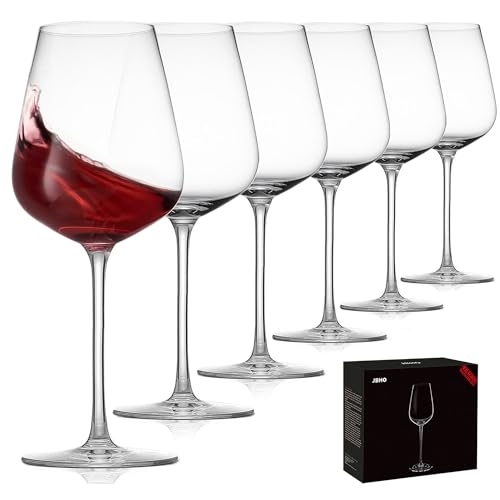


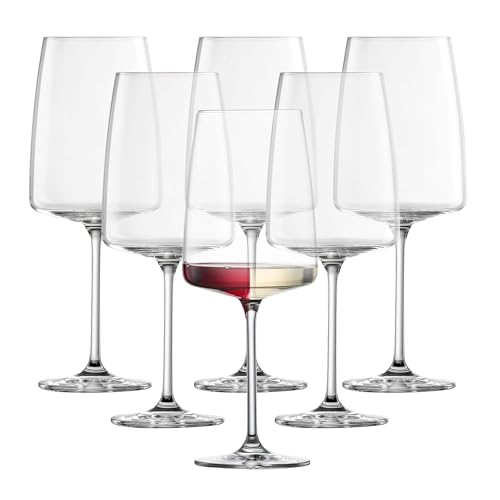
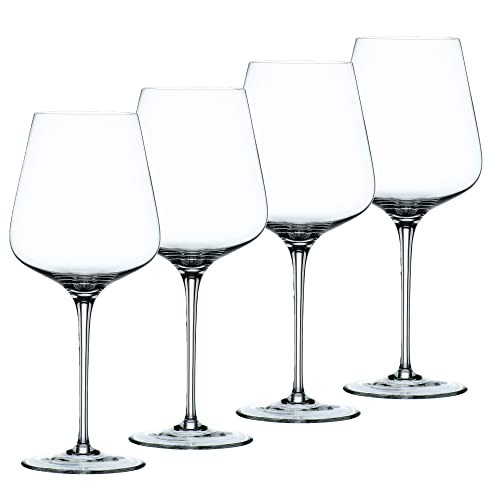

Quick Answer: How to Choose in 30 Seconds
Start with the bowl. A bordeaux glass has a tall bowl with a broad base and a slightly narrower opening, built for cabernet sauvignon, merlot, and blends with firm tannins. Then check height against your cabinet shelf and dishwasher rack, since a glass you cannot store or wash easily will sit unused. Next pick a material you can live with, glass for low cost ease or crystal for a thinner rim. Last, favor open stock lines so one broken glass does not end the whole set.
Before You Buy: A Quick Checklist for Choosing a Wine Glass
Size: Match It to Your Space
Bordeaux bowls are larger than most white wine bowls, often holding about 20 to 25 ounces filled to the top, though you would pour only about 5 ounces so the wine has room to breathe. Height matters more at home. Many bordeaux glasses stand about 9 to 10 inches tall, so measure your cabinet shelf and the gap between dishwasher racks before you order. Wide bowls also need elbow space, and in a tight dining area a slightly smaller bowl keeps place settings from feeling crowded.
Which Type Fits Your Routine
Stemmed glasses keep your hand off the bowl, so the wine stays at serving temperature and the bowl stays clear of fingerprints. Stemless versions store in shorter cabinets and feel steadier, but they warm the wine faster and show smudges sooner. If that trade off tempts you, compare the best stemless wine glasses and read the full stemmed vs stemless wine glasses breakdown before you commit. Plastic glasses belong outdoors, where a dropped glass is a safety issue, though plastic never shows aroma as clearly as glass or crystal.
Features Worth It (and Ones to Skip)
A smooth, thin rim is worth paying for, since a thick rolled edge changes how the wine reaches your tongue and feels clumsy by comparison. A gift box is worth it only when the set is a gift, though sturdy packaging also protects glasses in storage. A matching decanter can help young, tannic reds soften with air, but it is an extra, not a need. Skip colored bowls that hide the true shade of the wine, deep etched designs that trap residue, and novelty oversized bowls that pour badly.
Lead and Cadmium Safety
Most modern wine glasses sold for home use are lead free glass or lead free crystal, and makers state that on the listing or box. Read that wording before you buy instead of assuming every crystal glass is the same. If a listing gives no material detail at all, choose a maker that states its composition plainly. Be extra careful with old vintage glasses of unknown origin, since their makeup cannot be confirmed from looks alone. When in doubt, ask the seller directly.
Dishwasher, Microwave and Oven Safety
Many plain glass sets can go on the top rack of a dishwasher, while fine crystal often needs hand washing or a gentle cycle with space between each stem. Turn off heated dry if your machine runs very hot, and never crowd bowls so they touch. Wine glasses do not belong in a microwave or an oven, because stems, thin rims, and any gold or painted trim can fail or spoil under that heat. Treat the dishwasher claim as the only heat question that matters here.
Set Size and Open Stock Availability
Sets come in counts of 2, 4, 6, 8, and 12, and the right count follows your real table, not your biggest imagined party. A couple that hosts four friends needs six, not twelve, and the spare cash can go toward better material. Check whether single glasses or pairs are sold on their own later. Open stock lines let you replace one chipped stem and keep the set matched for years. A closed set looks cheap on day one and costly the first time a bowl breaks.
Realistic Budget Ranges
A set for under $20 usually buys plain glass with a thicker rim, fine for casual weeknight pours. About $20 to $50 is where most homes land, with thinner rims, better balance, and sets of 4 or 6. About $50 to $100 brings lead free crystal, lighter weight, and open stock support. About $100 to $200 buys very fine crystal, and at that level you pay for refinement rather than function. Every tier can serve bordeaux well, so spend where your routine will notice it.
Three Styles Compared: Types That Fit Real Homes
Classic Stemmed Glass for Most Homes
A mid priced stemmed glass set is the safe middle path for most households. The rim is thinner than bargain glass, the bowl shape is true to the bordeaux style, and a broken stem stings less than with fine crystal. This style suits couples and small families who drink red wine a few times a month and want one set for weeknights and guests alike. Choose a set of 4 or 6, and confirm the height fits your shelves.
Everyday Value Glass for Casual Use
Plain soda lime glass sets cost the least and shrug off daily handling better than delicate crystal. The bowls are thicker and the rims less fine, yet the wine still tastes as it should for everyday bottles. This style fits busy households where glasses get used hard and replaced without drama. If red wine is your main pour, our guide to the best wine glasses for red wine shows how this shape compares with other red wine styles. Buy the larger set size here, since low unit cost makes spares painless.
Fine Crystal for the Long Term
Lead free crystal gives the thinnest rim and the lightest feel in the hand, a small pleasure regular drinkers notice. This style suits settled households that open good bordeaux often, store glasses in a dedicated cabinet, and wash with care. The trade off is fragility and price, since one careless knock costs far more than with plain glass. Before you spend at this level, the crystal vs glass wine glasses comparison explains exactly what the extra money buys in clarity, weight, and care needs.
How to Judge Bordeaux Wine Glasses
The criteria that matter are material and durability, dishwasher safety, bowl and rim design, set contents, and value for the price tier. Maker specifications, common sizing for bordeaux bowls, and patterns in verified buyer feedback, such as rim chips and stems that outgrow standard cabinets, are the best guide. A listing that hides its height, capacity, or material has already told you something useful.
Bordeaux Glasses Compared With Other Wine Glasses
The bordeaux shape earns its place when you drink bold reds. The tall bowl gives tannic wine room to open up, and the narrower opening gathers aroma toward your nose instead of letting it spill away. On the down side, that height is the tallest in most cabinets, the large bowl looks awkward with a small pour of white wine, and one shape cannot flatter every style. A smaller all purpose glass serves mixed drinkers better, even if bordeaux purists prefer the dedicated bowl.
Common Buying Mistakes to Avoid
- Buying by looks alone. A glass that clashes with your shelf height or rack space ends up stored in a box and rarely used.
- Ordering the biggest set first. Twelve glasses for a household of two tie up money and storage that a set of four would have spared.
- Ignoring replacement cost. A cheap closed set with no single replacements can cost more over five years than a pricier open stock line.
- Choosing novelty shapes. Colored, squared, or heavily cut bowls hide the wine and complicate washing without improving a single sip.
- Skipping the rim check. A thick rolled rim is the one flaw you feel in every mouthful, so it should never be an afterthought.
Cost of Ownership and Care
The purchase price is only part of what a set costs you. Add a drying rack if your sink is crowded, a soft lint free cloth for polishing, and the odd replacement stem each year in a busy home. Store glasses upright with a little space between bowls, since rim to rim contact is how chips start. Wash soon after use so red wine pigment does not sit overnight, dry with the cloth to avoid water spots, and follow the advice in our guide to how to clean wine glasses for stubborn film. Careful storage stretches a mid priced set across many years of dinners.
Your Questions, Answered
Are bordeaux wine glasses worth it if you drink many red styles?
Yes, for most red drinkers they are the most versatile single shape you can own. The tall bowl handles cabernet, merlot, syrah, and blends with similar structure, so one set covers the reds most homes actually buy. It is less ideal for delicate pinot noir, which prefers a wider bowl, but it will still serve that wine respectably. For a mixed red habit, the bordeaux bowl remains the practical default.
Can bordeaux wine glasses be used for white wine?
They can, and nothing about the wine will be harmed, but pour a smaller measure than you would for red. A modest pour keeps a chilled white cooler for longer and gives it a little room to move. Hold the glass by the stem, since a large bowl warms fast when cupped in your palm. Crisp whites will smell slightly less focused than in a narrow white wine bowl, yet for casual meals most drinkers will not mind the difference at all.
How long should bordeaux wine glasses last?
Plain glass sets in daily use often serve for many years, while fine crystal lives or dies by handling rather than age. The clear sign to retire a glass is a chip or crack at the rim, because that edge touches your lip and a flaw can worsen without warning. Cloudiness is different. A dull film usually lifts with a vinegar soak, while etched glass from harsh detergent will not clear, which is a cosmetic loss rather than a safety one.
Are expensive bordeaux wine glasses worth the extra cost?
They are worth it only if your habits protect the investment. A household that hand washes, stores glasses in a quiet cabinet, and opens good bottles weekly will feel the thinner rim and lighter balance at every pour. A home with frequent parties and glasses in constant rotation will lose stems faster than the refinement can repay. In that case a mid priced open stock set gives matching replacements and most of the pleasure for far less worry.
Why do bordeaux wine glasses smell odd after washing?
The wide bowl holds aroma well, including aroma you did not invite. Detergent residue, a damp cabinet, and the cardboard of a closed box can leave a stale scent that coats the first pour. Rinse glasses in plain hot water before use, store them in open air rather than sealed boxes, and keep them away from strong kitchen odors. A bowl that still smells after rinsing should be washed again with baking soda and water.
Final Thoughts
Choose the bowl that fits your wine, your shelves, and your washing routine, and the rest of the decision gets simple. Most homes will be happiest with a mid priced stemmed set of 4 or 6 in an open stock line, while careful collectors can justify fine crystal and busy households can save with plain glass. Look back at the product table near the top, match it against your cabinet measurements, and pick the best bordeaux wine glasses your household will reach for.


