
Best Bundt Pan for Your Home in 2026: A Buying Guide and Quick Checklist
Disclosure: We may earn a commission when you buy through links on this page, at no extra cost to you. As an Amazon Associate I earn from qualifying purchases. Learn more

Compare the best bundt pan for your kitchen with clear guidance on size, material, finish, coating, and care so your cakes release cleanly every time.
You bake a cake for a family dinner, let it cool, turn the pan over, and half the pattern stays stuck inside. That moment is usually about the pan, not your batter. Choosing the best bundt pan for your oven, household size, and storage space helps cakes bake evenly and release with their ridges intact, and the comparison table below shows the main options side by side.
This guide focuses on everyday home use. You will learn how capacity, material, finish, and coating change results, what each budget level gives you, and how care affects how long a pan stays useful.

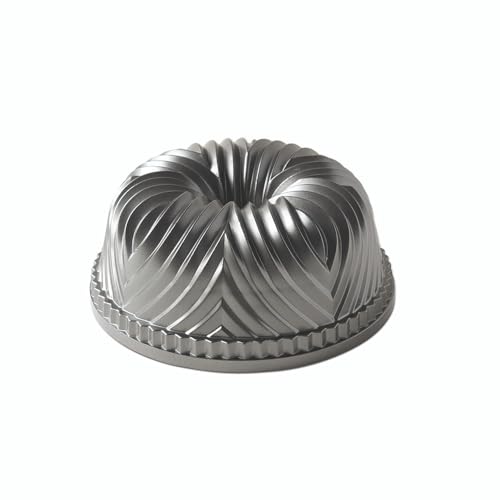


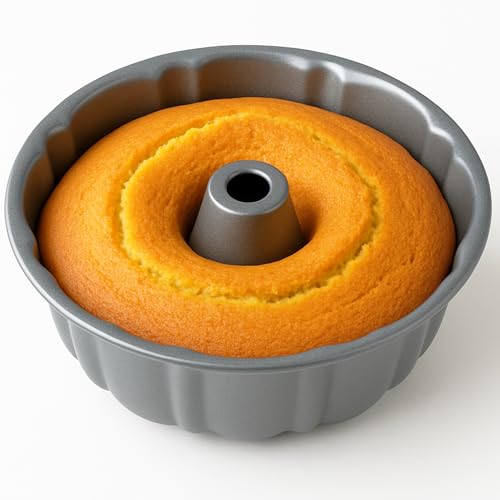
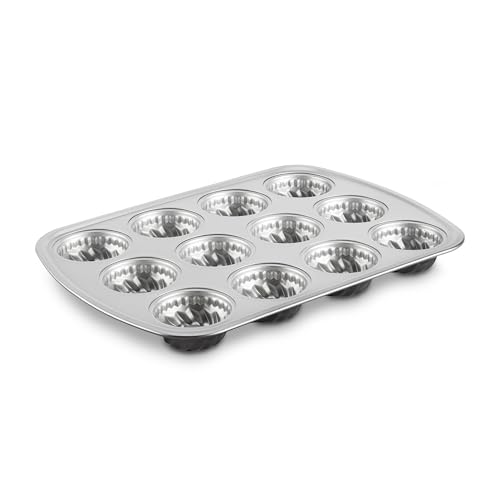
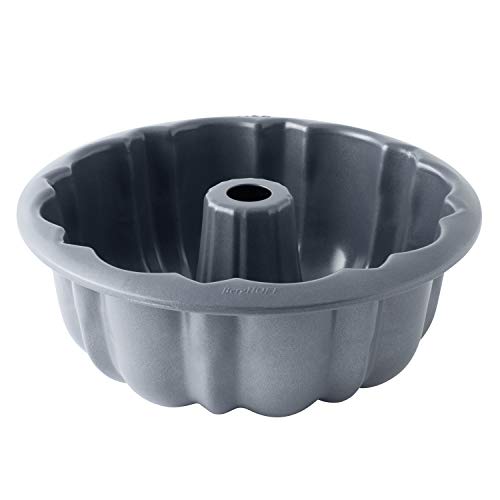
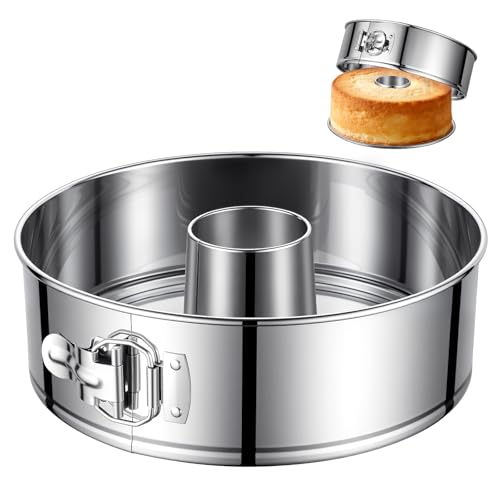
Quick Answer: How to Choose in Under a Minute
Start with size, then material, then coating. Most homes that bake for four to six people do well with a 10 cup or 12 cup pan, because most standard recipes are written for that range and fill the mold without spilling over. If you bake for one or two people or have a small oven, a 6 cup pan gives you smaller cakes and faster baking times.
For material, cast aluminum is the common middle ground for sharp detail and even heat. Silicone is flexible and easy to store, while steel and ceramic suit bakers who prefer a heavier feel. Decide on coating last, based on how much careful washing you will do.
Before You Buy: A Quick Checklist for Choosing a Bundt Pan
Size: Match Capacity to Your Household and Oven
Capacity is measured in cups, and it should match both your recipes and your oven. A 6 cup pan suits small households and half recipes, a 10 cup pan covers most family cakes, a 12 cup pan handles larger mixes, and a 15 cup pan is for big gatherings and needs a roomy oven. Measure the inside of your oven and your storage shelf before you buy, and leave at least one inch of space around the pan for hot air to move.
Material: Which Type Fits Your Routine
Cast aluminum holds heat well and captures fine ridges, which is why detailed patterns look clear in this material. Thinner aluminum and steel heat faster and cost less, but they can brown less evenly and may warp if they are very light. If easy release with gentle handling sounds right for you, read more about the best nonstick bundt pan options and the coating care they need. If storage is tight, compare that route with the best silicone bundt pan style, which bends for storage but needs a firm baking sheet underneath when you move it.
Light Versus Dark Finish and Browning
Finish color changes how fast the outside of your cake browns. Light finishes reflect more heat and tend to give a paler, more even crust, which helps delicate lemon and vanilla cakes keep a soft color. Dark finishes absorb more heat and can give deeper browning and crisper edges, but they raise the risk of a dark bottom or dry edges. If you choose a dark pan, many bakers lower the oven temperature by about 25 degrees and check a few minutes early.
Oven Safe Temperature and Heat Limits
Every pan has a maximum temperature, and that limit matters more for coated and silicone pans than for plain metal. Check the stated limit before you buy, especially if you bake at high heat, and note that most bundt pans should never go under a broiler. Silicone often has a lower limit than metal, and some coatings lose performance if heated well beyond their rating again and again. Match the limit to your real habits so the pan stays safe for the way you actually bake.
Nonstick Coating Versus Uncoated Surfaces
A coated surface helps detailed cakes release with less fuss, but it asks for gentle tools, no metal utensils inside the pan, and washing by hand. An uncoated metal pan can last for many years and tolerates stronger scrubbing, but it depends fully on careful greasing in every ridge. Neither choice releases well if the cake is turned out too soon or left far too long in the pan. Think honestly about your routine, because the best choice is the one you will care for correctly every time.
Realistic Budget Ranges for a Home Kitchen
Price mostly reflects material thickness, coating quality, and how sharp the mold detail is. Pans under $20 are usually thinner metal or basic silicone and suit occasional baking if you accept softer detail. Pans at about $20 to $40 often give thicker aluminum and a coating that releases more reliably. Pans at about $40 to $60 tend to offer the heaviest cast construction and the crispest patterns. Paying more does not fix a wrong size, so settle capacity first and let budget guide material and finish.
Three Buying Profiles and What to Prioritise
The Everyday Family Baker Profile
You bake a birthday cake, a coffee cake for guests, and a simple pound cake a few times a month, and you want one pan that handles all of them. Prioritise a 10 cup or 12 cup cast aluminum pan with a light or medium finish and a durable coating, because that mix gives even baking and clear detail without constant recipe adjustments. Look for a wide rim you can grip with mitts, and a weight that feels solid but not tiring to lift when full.
The Small Budget and Small Kitchen Profile
You bake now and then, store pans in a crowded cabinet, and do not want a large pan taking space you need for other cookware. Prioritise a 6 cup metal pan or a flexible silicone pan that stores flat or nested, and focus on simple fluted shapes rather than very fine detail. A simpler pattern releases more easily, which matters when a lower cost coating is thinner. This profile also suits a bundt cake pan used for gelatin molds in summer, as long as you check the temperature limit before any oven use.
The Frequent Entertainer and Long Term Value Profile
You bake for holidays and larger tables, and you want a pan that still releases cleanly after years of regular use. Prioritise thick cast aluminum, a 12 cup or 15 cup capacity, and a shape with bold ridges rather than tiny points that trap batter. An uncoated or premium coated surface can both work here, as long as you commit to the care each one needs. For this profile, cost per bake over many years matters more than the first price.
How to Evaluate a Bundt Pan Before You Buy
Look at five points in order: heat distribution, food release, warp resistance, material safety, and cleaning effort. Heat distribution shows in wall thickness and weight, since thicker walls smooth out hot spots in home ovens. Food release depends on coating or greasing, pattern depth, and whether the center tube and grooves have a smooth finish. Warp resistance matters most in thin steel, so check whether the rim is reinforced and whether the pan sits flat without rocking.
For material safety, buy only pans sold for food use with clear temperature limits and care instructions you can read before purchase. For cleaning, picture the pattern after a sticky glaze has baked on, and ask whether you have a soft brush that can reach those grooves. If you are unsure whether this shape is the right one, our explainer on bundt pan vs tube pan covers when a plain tube shape suits angel food and chiffon cakes better than a fluted mold.
Choosing by Household Size and Storage Space
A home with one or two people often wastes cake with a large pan, so a smaller capacity lets you bake fresh and freeze less. A family of four to six usually gets the most use from one standard pan, because most recipes fit without scaling. Larger households and frequent hosts may want one standard pan plus one large pan, rather than two standard pans, so weeknight cakes and party cakes are both covered.
Storage shapes the choice just as much as baking does. A tall detailed pan needs upright cabinet space and should not have heavy pots stacked inside it, since dents and scratches harm release. If space is very tight, a silicone pan that flexes into a narrow gap may be used far more often than a rigid pan in a hard to reach cupboard.
Common Buying Mistakes to Avoid
- Buying a 15 cup pan for standard recipes, which leaves the cake low and dry because the batter cannot fill the pattern.
- Choosing the most detailed pattern for your first pan, which raises the risk of sticking before you have a greasing routine that works.
- Ignoring the oven safe limit and using a coated or silicone pan at a higher heat than it allows, which shortens the life of the surface.
- Skipping the oven and shelf measurement, which leads to a pan that fits the oven only without mitts or does not fit your storage at all.
- Paying for extra pans you will not use, when one right size pan would cover nearly every cake you bake.
Cost of Ownership and Care That Helps a Pan Last
The purchase price is only part of the cost. You will also use butter and flour or spray for greasing, a soft brush for cleaning grooves, and storage space that could hold other tools. Coated pans may need replacing sooner if the surface wears, while heavy uncoated pans can serve for many years with basic care. Factor that replacement cycle into your budget instead of comparing first prices alone.
Greasing is the step that decides most releases, so learn a method that coats every ridge and the center tube without pooling in the bottom. Our guide on how to grease a bundt pan walks through using a brush to reach deep grooves, which is the detail new bakers most often miss. After baking, let the pan cool, soak it briefly in warm soapy water, and clean it with a soft brush rather than an abrasive pad. For stubborn spots, see our advice on how to clean a bundt pan before you reach for anything harsh, and dry the pan fully before storing it.
Your Questions, Answered
What makes a bundt pan reliable over many years of home baking?
Reliability comes from thick walls, a smooth finish, and a shape that releases without force. A pan that heats evenly will not create one burnt side and one pale side, which is the main reason home bakers lose trust in a pan. Consistent care matters too, since a well kept surface stays reliable far longer. A classic shape you enjoy also helps, because a pan you reach for often is easier to learn and judge fairly.
How do you clean a bundt pan after baking a sticky glazed cake?
You clean a bundt pan after a sticky bake by soaking it in warm soapy water once it has cooled, then brushing the grooves gently. Scrubbing while the pan is still hot can set sugars harder and can damage a coated surface. A narrow bottle brush reaches the center tube better than a sponge, which is a useful extra point for deep patterns. If residue remains, a second short soak usually lifts it without metal tools or harsh powders.
Is a bundt pan worth buying if you already own a tube pan?
A bundt pan is worth buying if you want shaped cakes that look finished without frosting or layering. A plain tube pan bakes the same batter, but it gives a smooth cake that needs decoration to look special for a table or a gift. The fluted mold also creates more crust surface, so each slice has more golden edge. If you mostly bake angel food cake, keep the tube pan as your main pan and add a bundt shape only when you will use it.
How long does a bundt pan last with regular home use?
A bundt pan lasts from a few years to several decades depending on material and care. Heavy uncoated aluminum can last the longest, because there is no surface layer to wear away, as long as it is not dented. Coated pans often give their best release in the first years and then need more careful greasing as the coating thins. Storing the pan without heavy items inside it and washing it gently extend its useful life the most.
What size bundt pan should a first time buyer choose for standard cake recipes?
A first time buyer should choose a 10 cup or 12 cup bundt pan for standard cake recipes. Most recipes, including many boxed mixes, are written to fill that range to about two thirds full, which gives room to rise without overflow. A useful check is to test the stated capacity at home with water before your first bake. That simple test prevents both a sunken small cake in a large pan and a messy spill from an overfilled small pan.
Final Thoughts
The right pan fits your oven, your recipes, and the way you clean up after baking. Match capacity first, choose a material and finish you understand, and pick a coating you will care for without resentment. When you compare your shortlist in the product table above, you will see that the best bundt pan for most homes is not the most detailed or expensive one, but the pan whose size and care routine fit your kitchen so well that you use it with confidence again and again.


