
Best Butter Warmers by Budget for 2026
Disclosure: We may earn a commission when you buy through links on this page, at no extra cost to you. As an Amazon Associate I earn from qualifying purchases. Learn more

Learn how to shop for a butter warmer by budget, from low cost warming to premium features, plus long term costs, care tips and answers to common questions.
Best butter warmers span a wide price range, and the right choice depends less on spending the most and more on how you serve, how often you warm butter, and how much space you have. A simple warmer can suit a quiet breakfast table, while a larger household may value steadier heat and easier cleaning. The comparison table below can help you line up the main types side by side before you compare prices.
This guide looks at what each spending level usually delivers, which features are worth paying for, and which extras you can skip. It also covers long term costs, so the price on the box is not the only number you weigh. Use the sections below to match a warmer to your kitchen habits, not to a sales claim.


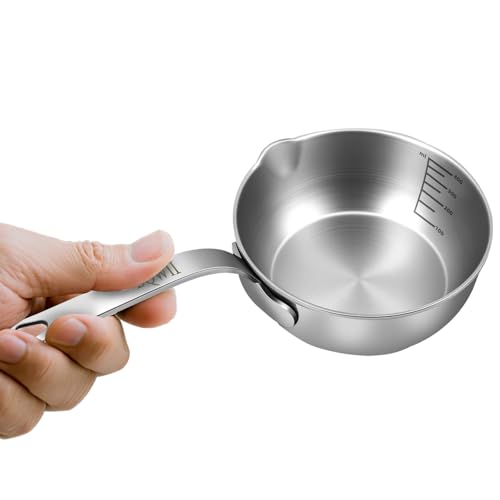


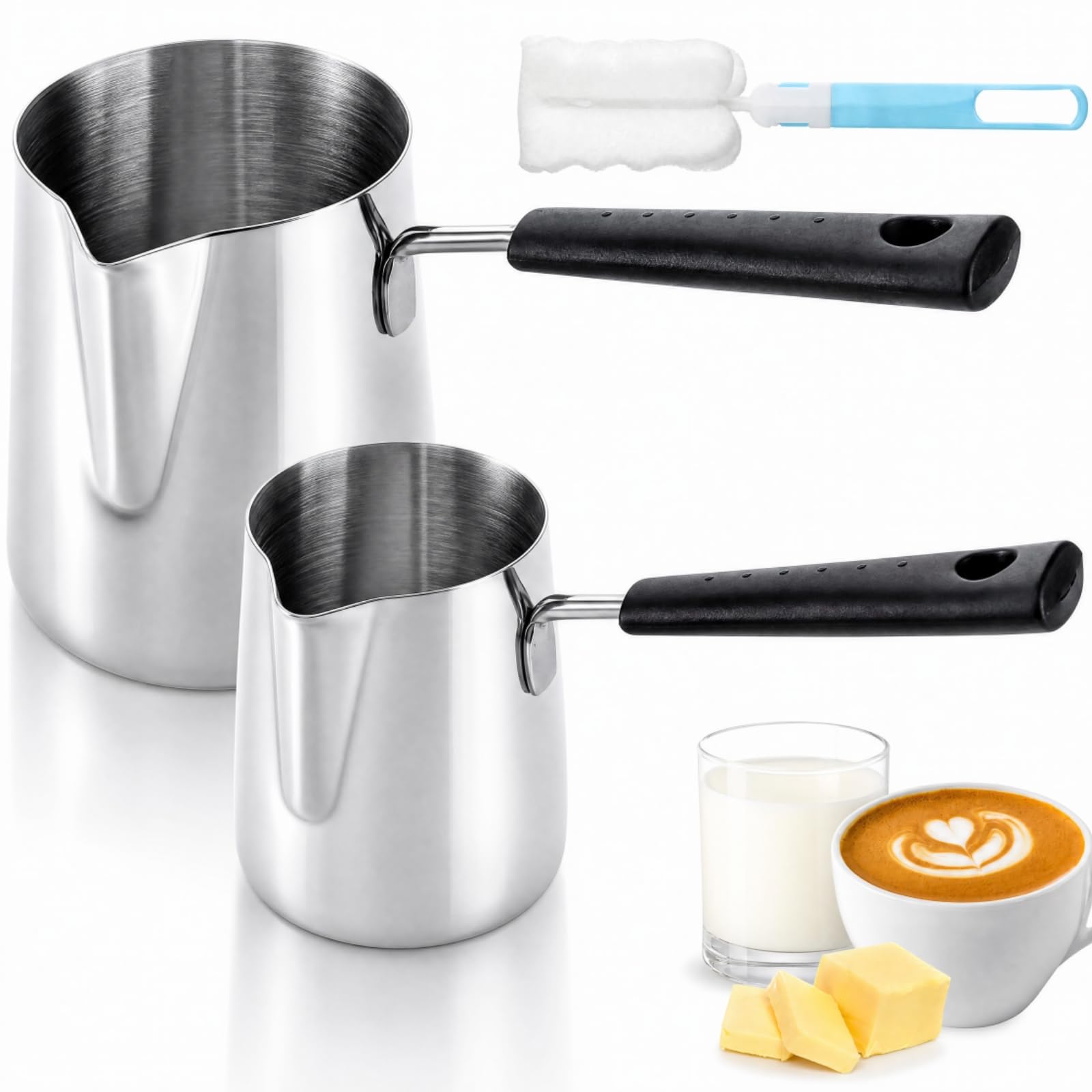


What Your Money Gets You at Each Price Tier
Price tiers for a butter warmer are best understood as tradeoffs in heat control, capacity, build, and cleanup. A low cost option often warms a small amount of butter with simple controls. A mid cost option usually adds steadier heat and a sturdier dish. A higher cost option may add finer control, a larger serving size, and materials that feel more durable in daily use.
Low Cost Warming
Low cost warming usually means a small dish, a basic heat source, and manual control. You may need to watch the butter more closely, stir it, and remove it from heat once it reaches the texture you want. This level suits occasional use, small servings, and kitchens where a warmer is a nice extra rather than a daily tool. Prices often sit at about $15 to $30, and the main tradeoff is less precise heat control.
Mid Cost Warming
Mid cost warming often brings a more even heat, a lid or cover, and a dish that is easier to lift and clean. The warmer may hold heat for longer without scorching the butter, which helps when breakfast or dinner service runs a little long. This level suits regular use and small gatherings. Prices often sit at about $30 to $60, and for many buyers this range offers the best balance of control, capacity, and cleanup.
Higher Cost Warming
Higher cost warming may offer adjustable heat settings, a larger capacity, and a heavier dish that holds temperature well. The finish and fittings may also feel more refined, and replacement parts may be easier to find. This level suits frequent hosts, larger tables, and buyers who want a warmer that can stay in service for a long meal. Prices often sit at about $60 to $120, so spend at this level only if you will use the extra control and capacity often.
Features Worth Paying For (and Ones to Skip)
Not every feature improves the result. Heat control, dish size, and cleanup matter most, because they affect texture, serving, and how often you will reach for the warmer. Decorative extras matter less if they make the dish harder to wash or harder to store. Judge each feature by how it changes a normal serving, not by how it looks in a listing.
Ease of Use and Setup
A good warmer should be simple to set up, simple to fill, and simple to serve from. Look for a stable base, a handle or rim that stays cool enough to grip with care, and controls you can read at a glance. If setup takes several steps or the dish is awkward to lift when warm, you may use it less often. Follow the maker guidance for heat settings, placement, and cleaning, and never leave a heated warmer unattended.
Who It Is For
Butter warmers suit people who serve melted butter often, whether for seafood, bread, vegetables, or a shared table. A small warmer suits a couple or a single diner. A larger warmer suits a family meal or a gathering where several people serve themselves at once. If you melt butter only a few times a year, a small and simple warmer is usually enough, and a larger model may only take up cupboard space.
Size, Weight, and Fit for Your Space
Measure the shelf or cupboard where the warmer will live, and check the footprint of the dish plus its base. A heavy dish can hold heat well, but it can also be harder to lift when full. A light dish is easier to store, but it may cool faster once removed from heat. Choose a size that matches your usual serving, not the largest size you might use once a year, and choose a lid that helps keep heat in and keeps the butter protected during service.
Maintenance and Long Term Costs
Check whether the dish and lid can be washed easily, and whether any coating or seal needs gentle care. A warmer with parts that are hard to clean may collect residue and lose its appeal over time. Also check whether spare dishes, lids, or cords are available, since a single broken part should not force you to replace the whole warmer. Keep the warmer away from children, unplug an electric warmer when it is not in use, and inspect cords and seals before each use.
Long Term Costs to Factor In
The purchase price is only part of the total cost. Electric warmers use power during service, and candle or fuel warmers need refills. Replacement dishes, lids, and cords can add cost over time, especially if the warmer is used often. A longer warranty can help, but read what it covers and how long it lasts, since a simple warmer with cheap refills and easy cleaning may cost less over time than a fancier model with costly parts.
Serving habits also affect cost, since a warmer that holds butter at a steady temperature can reduce waste and you are less likely to scorch a batch and start again. See our guide to best butter dishes for serving dishes that pair well with a warmer at the table. See our guide to best butter knives for a knife shape that suits soft butter. See our guide to best beverage warmers for warming options for cups and mugs.
Mistakes to Avoid
- Buying the largest warmer first, then finding it hard to store and slow to warm a small serving.
- Ignoring cleanup, then discovering that residue builds up in seams and around the lid.
- Choosing a warmer by looks alone, without checking heat control, stability, and dish size.
- Leaving butter on heat too long, which can change flavor and texture.
- Skipping the maker guidance on placement, cord care, and safe handling.
Butter Warmers: Your Questions Answered
How do I maintain a butter warmer?
You maintain a butter warmer by cleaning it after it cools, following the maker guidance for the dish and base, and checking seals, cords, and lids for wear. Wash the dish with warm soapy water unless the maker says otherwise, and dry it fully before storage. Store the warmer in a dry place, away from heat and sharp objects. Replace a cracked dish or a damaged cord right away, since a damaged part can affect safety and performance.
What features matter most when buying butter warmers?
The features that matter most are steady heat control, a dish size that matches your serving, a stable base, and easy cleanup. A lid helps hold heat and protect the butter during service. A handle or rim that is easy to grip with care helps you serve safely. Features such as decorative finishes matter less than these basics, and they should not outweigh a dish that is hard to wash or a base that tips easily.
How much should I spend on a butter warmer?
You should spend an amount that matches how often you will use the warmer and how many people you serve. Occasional users often do well at about $15 to $30. Regular users often find better heat control and cleanup at about $30 to $60. Frequent hosts may justify about $60 to $120 for larger capacity and finer control, but if you are unsure, start with a simpler model and upgrade only after you know your serving habits.
How long does a butter warmer last?
A butter warmer can last for years when it is cleaned after use, stored dry, and handled with care. Life depends on build quality, frequency of use, and whether parts such as lids and cords are replaced when worn. Electric models may last longer when cords are not bent sharply and the base is kept dry. Simple models with fewer parts can also last well, since there is less to break, so check the warranty before you buy and keep the maker guidance for care.
Are expensive butter warmers worth it?
Expensive butter warmers are worth it when you use the extra capacity, finer heat control, and sturdier build often enough to notice the difference. For a large table or frequent hosting, steadier heat and a larger dish can make service smoother. For occasional use, a low cost or mid cost warmer often gives the same result for melted butter. Compare the features you will actually use, not the price alone, before you decide.
The Bottom Line
The best choice balances heat control, dish size, cleanup, and total cost. A low cost warmer suits occasional use, a mid cost warmer suits regular serving, and a higher cost warmer suits frequent hosting. Check maker safety guidance, keep the warmer away from children, and never leave a heated warmer unattended. When you weigh those points, best butter warmers become easier to compare, and the product table above can help you narrow the field to the level that fits your table.


