
Best Cabinet Speakers: Budget, Midrange, and Premium Picks for 2026
Disclosure: We may earn a commission when you buy through links on this page, at no extra cost to you. As an Amazon Associate I earn from qualifying purchases. Learn more

Learn how to choose the best cabinet speakers for your room and budget, with clear guidance on drivers, cabinet size, power handling and setup tips.
Cabinet speakers cover a huge price range, from simple bookshelf pairs for a desk to large floor standing models that can fill a living room. Spending more does not always buy better sound for your space, because room size, placement, and your amplifier matter as much as the speaker itself. This guide explains where money actually improves the best cabinet speakers for a typical home, so you can shop the comparison table below with a clear plan.
You will learn what each price tier usually delivers, which features change what you hear, and which extras you can safely skip. No single model suits every room, so focus on fit first and brand second.
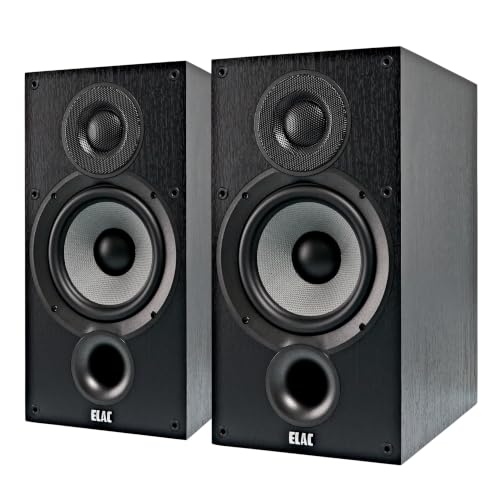
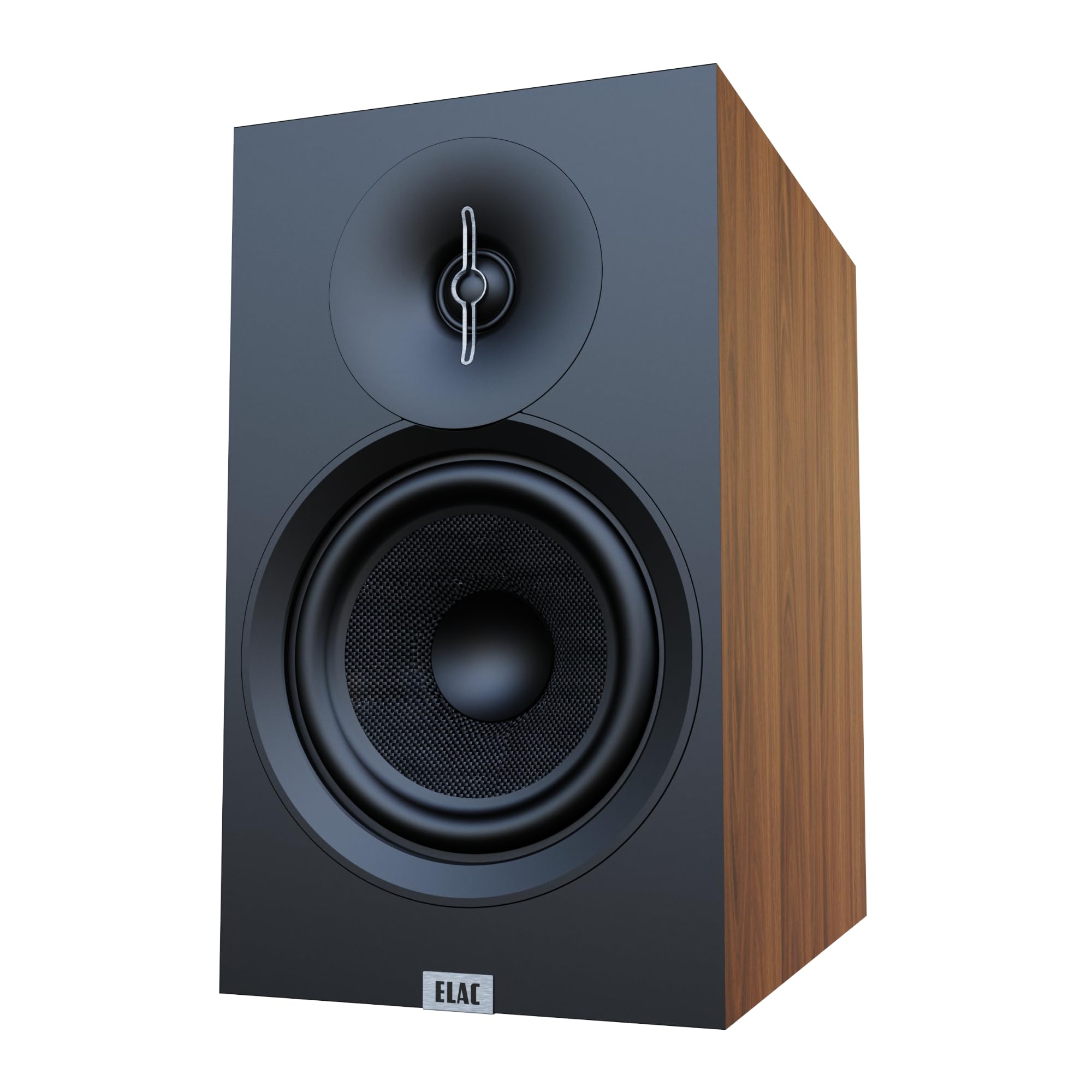

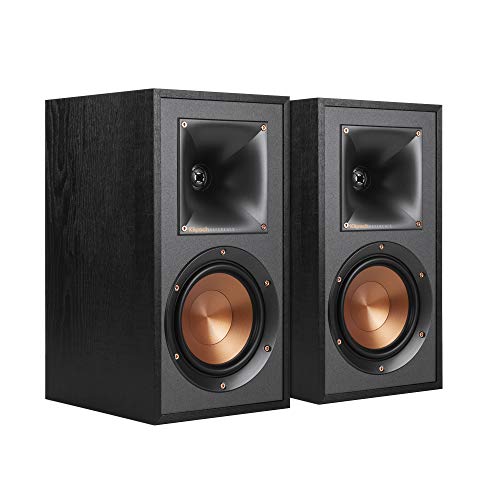


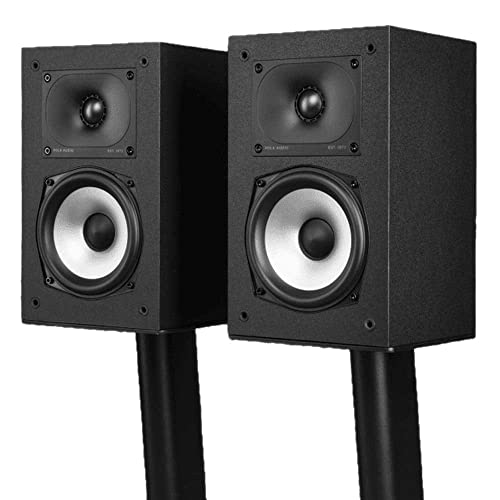
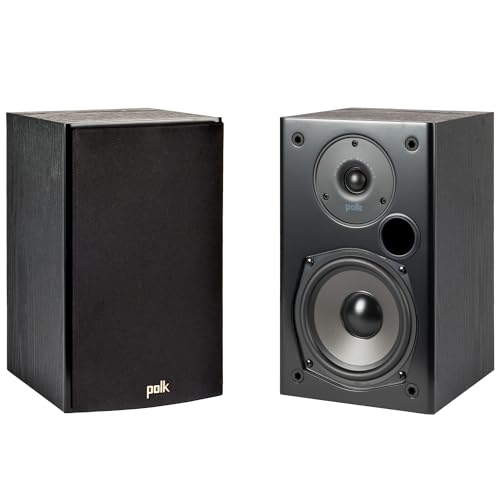
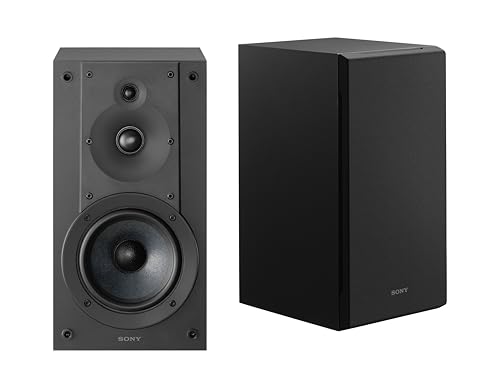
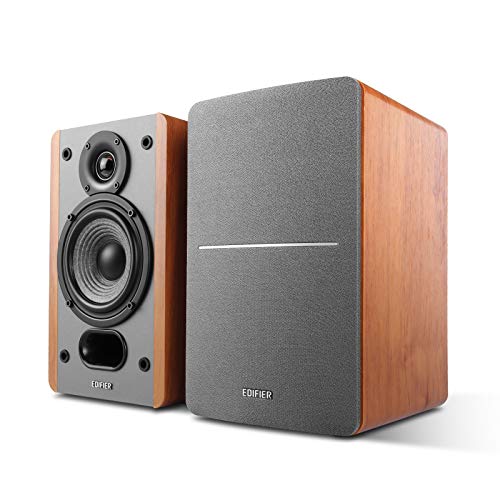
Top Options by Budget
Rather than chasing a single winner, think in tiers. A good budget choice, a strong midrange choice, and a premium choice solve different problems, and the right tier depends on room size and how closely you listen.
Budget Choice
Around $100 to $250 per pair is where sensible home listening starts. Expect compact bookshelf cabinets, a woofer around 4 to 5 inches, and a simple dome tweeter. These suit desks, bedrooms, and small living rooms where you sit fairly close. Bass will be modest, so voices and acoustic music sound clearer than deep movie effects. The main limit is volume: push them hard in a large room and the sound can turn harsh or thin.
Midrange Choice
Around $250 to $600 per pair is the sweet spot for many buyers. Cabinets tend to be sturdier, woofers grow to about 5 to 6.5 inches, and crossovers are better tuned, so vocals sit forward and instruments separate more clearly. You also get nicer finishes and binding posts that accept banana plugs. This tier fills a medium living room comfortably and pairs well with most stereo receivers and streaming amplifiers without demanding huge power.
Premium Choice
Above about $600 per pair, and often well past $1,000, you pay for larger cabinets, heavier bracing, and more refined drivers. The payoff is deeper bass, lower distortion at higher volume, and a wider soundstage in bigger rooms. Premium models also hold tuning consistency better from pair to pair. The trade off is size and amplifier demands: some premium speakers need careful placement away from walls and a receiver that can deliver stable current.
What Your Money Gets You at Each Price Tier
Budget Tier: What to Expect
Budget cabinets often use thinner panels and basic vinyl finishes, which is fine at low to moderate volume. Power handling is usually modest, and sensitivity ratings vary, so check how loud a speaker plays with one watt before assuming it suits your amp. At this level, spend on correct placement and simple stands before you spend on cables. A budget pair placed well will sound better than a costlier pair pushed into corners or set on a crowded shelf.
Midrange Tier: The Sweet Spot for Most Buyers
Midrange models usually add real improvements you can hear: stiffer woofer cones, better tweeters, and cabinets that vibrate less. Many include front or rear ports tuned for fuller low end, plus bi wire capable terminals that most buyers will simply use in the standard single wire setup. This tier also tends to offer more finish choices that match furniture. For a main living room system used daily for music, TV, and streaming, this is where value and performance balance best.
Premium Tier: When Spending More Pays Off
Premium pricing buys refinement rather than loudness alone. Expect hand finished cabinets, advanced waveguide designs around the tweeter for wider dispersion, and crossovers built with higher grade parts. Some models extend bass low enough that a subwoofer becomes optional for music. Spending more pays off if you listen critically, have a larger room, and plan to keep the speakers through several amplifier upgrades. If your source is mostly casual background streaming, the extra cost is harder to justify.
Features Worth Paying For (and Ones to Skip)
Driver Size and Configuration
Driver size shapes bass and room fit more than almost any other spec. A two way design with one woofer and one tweeter is simple, coherent, and ideal for small to medium rooms. A three way design adds a dedicated midrange driver, which can clarify voices in larger cabinets, but it costs more and needs a bigger box. Bigger is not automatically better: an oversized speaker in a tiny room can overload the space with bass and sound boomy.
Cabinet Build and Port Design
A solid cabinet should feel dense and sound dull when you knock on the side panel, not hollow. Internal bracing reduces vibration that muddies detail. Port location matters for placement: rear ported speakers usually need space behind them, often about 12 to 24 inches, while front ported or sealed designs tolerate placement closer to a wall or inside a bookshelf. If your only option is a shelf against the wall, put port style high on your checklist.
Sound Quality and Tuning
Frequency response figures only help when they include a tolerance, such as plus or minus 3 dB, because a bare range can mislead. Neutral tuning suits most music and makes TV dialogue clear, while a bass lifted tuning feels exciting at first but can tire you during long sessions. Sensitivity, stated in dB, tells you how much amplifier power you need. Higher sensitivity speakers play louder with modest amps, which is useful for low powered receivers. For instrument specific needs, our guide to the best guitar cabinet speakers covers a very different cabinet job, since guitar cabs shape tone rather than reproduce it.
Connectivity and Amplifier Matching
Most passive cabinet speakers need a separate amplifier or receiver, so confirm impedance, usually 6 or 8 ohms, matches what your amp supports. Powered cabinet speakers include the amp inside, which simplifies setup for a desk or TV, but replacement and upgrades are less flexible. If low end for movies matters, check whether your receiver has a subwoofer output and crossover settings. Players focused on deep bass may also want to read about the best bass cabinet speakers before deciding whether a subwoofer is the smarter spend.
Long Term Costs to Factor In
The purchase price is only part of ownership. Budget for speaker stands or isolation pads if the speakers sit on a desk, because stable placement improves clarity more than pricey wire. Add the cost of an amplifier if you choose passive models, plus a subwoofer later if your room or taste demands deeper bass. Foam surrounds on older style drivers can age, but modern materials last many years with normal indoor use. Keep cabinets out of direct sun and away from heat vents, dust the grilles gently, and check terminal connections once a year. A modest warranty of at least two years is common in midrange tiers and worth having.
Frequently Asked Questions
How much amplifier power do cabinet speakers need?
Most home cabinet speakers sound fine with about 25 to 75 watts per channel in an average room. Sensitivity matters more than the headline watt number. A speaker rated around 88 dB or higher will play loudly with modest power, while a low sensitivity model near 84 dB needs a stronger amp for the same volume. Match impedance first, then worry about watts.
Do cabinet speakers need a subwoofer?
Not for most music in small and medium rooms. Bookshelf models roll off in the lowest bass, so movie effects and electronic music may feel light without a subwoofer. Floor standing models with larger woofers often cover that range well enough alone. A practical test is your seating distance and room size: the larger both get, the more a subwoofer helps.
Where should I place cabinet speakers in a room?
Place the tweeters near ear height when seated and form a rough triangle between the speakers and your main seat. Start with the speakers a few feet apart and angled slightly toward you. Keep rear ported models away from the wall as noted above, and avoid corners, which exaggerate bass. Small moves of a few inches can change clarity more than a price step up.
What is the difference between passive and powered cabinet speakers?
Passive speakers need an external amplifier or receiver, which gives you flexible upgrades and easy repair paths. Powered speakers have amplification built in, so setup is simpler and the amp is matched to the drivers by the maker. For a main system you plan to grow, passive is usually the better long term route. For a single source desk or TV setup, powered can be the cleaner choice.
How do I judge overall sound quality before buying?
Start with specs that are honestly stated, then weigh cabinet build, sensitivity, and tuning style against your room. If you are comparing broad sound character across speaker types, see our guide to the best sounding speakers for context on what balanced reproduction means. In your own room, clear voices at low volume are a good sign, because a speaker that needs high volume to sound alive rarely suits daily home use.
The Bottom Line
Choose the tier that fits your room first: budget pairs for close listening, midrange pairs for most living rooms, and premium cabinets only when size and placement support them. Prioritize driver fit, cabinet solidity, and amplifier matching over flashy extras. Compare the product table above against those three points, and the best cabinet speakers for your home will usually stand out without overspending.


