Best Bass Cabinet Speakers: Budget, Midrange, and Premium Tiers for 2026
Disclosure: We may earn a commission when you buy through links on this page, at no extra cost to you. As an Amazon Associate I earn from qualifying purchases. Learn more

Compare the best bass cabinet speakers at every price point. Learn what you get at budget, midrange, and premium levels and where spending more pays off.
Bass cabinets span a wide price range, from small practice friendly boxes to touring rigs that cost more than many basses. Price alone tells you little, because two cabinets at the same figure can spend that money on very different things. What you need is a clear map of where extra money actually improves sound, weight, and reliability.
This guide gives you that map for the best bass cabinet speakers at each level. You will see what each tier typically delivers, which features are worth paying for, and which ones you can safely skip, and the comparison table below lets you check real prices and specs as you go.
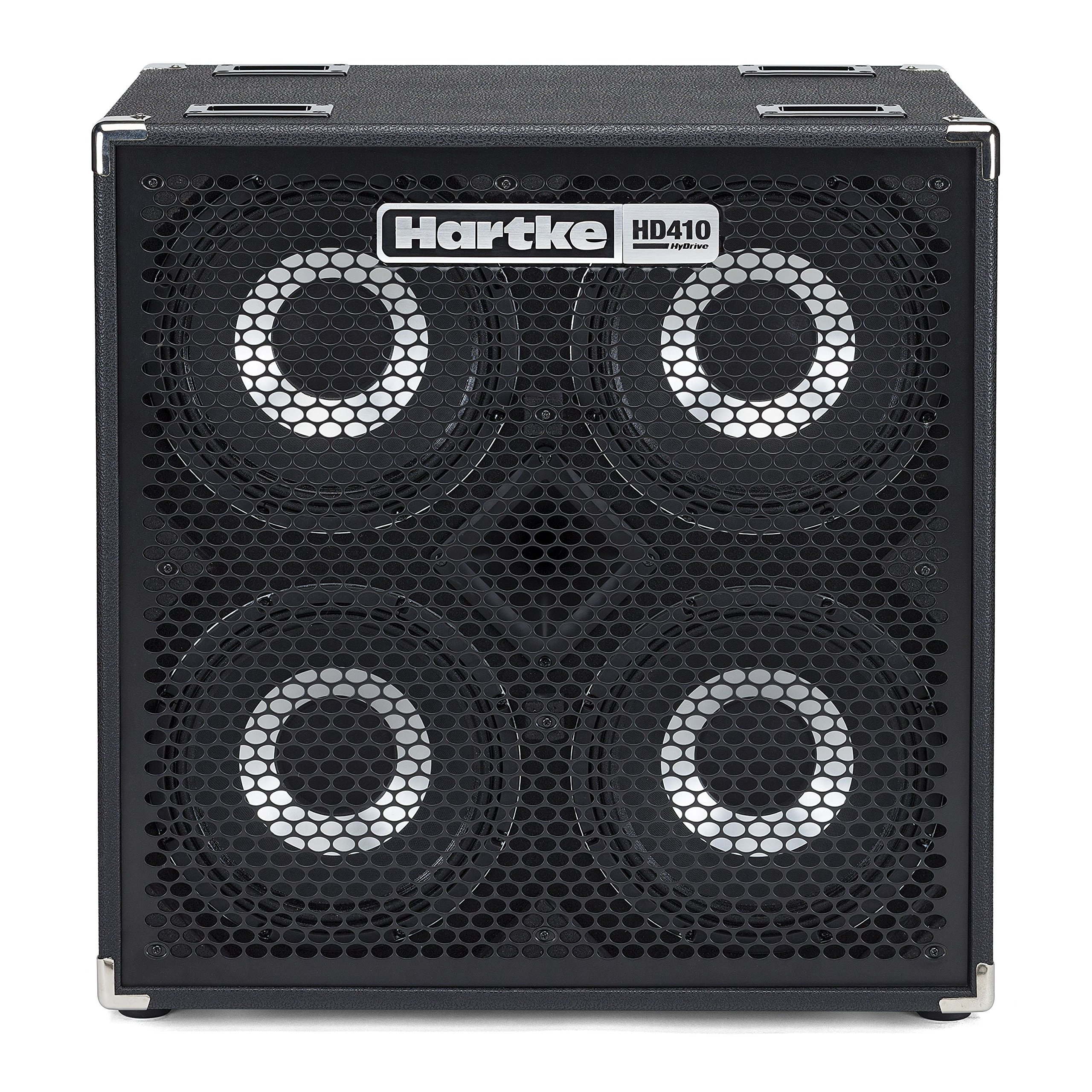


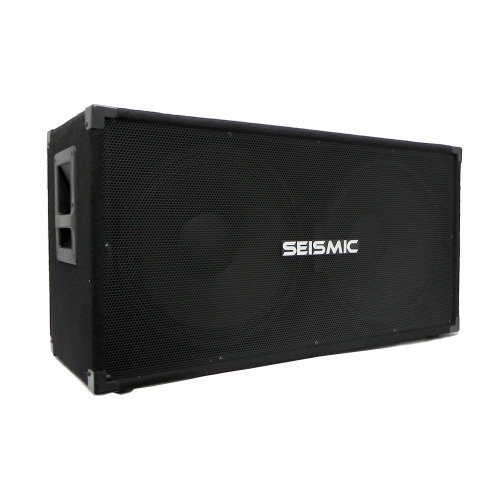
Choosing by Budget: Who Each Tier Suits
Start with your playing life, not with a price tag. The right tier is the one that matches your venues, your transport, and how often you play, and it leaves room in the budget for a suitable amp and good speaker cables.
Budget Tier: First Gigs and Rehearsal Rooms
Choose the budget tier, roughly about $250 to $500, if you are playing your first shows, rehearsing weekly, or building a first rig around a modest amp. These cabinets handle small rooms and moderate stage volume well, and many include a horn and dual jacks, so they stay useful as a second or backup cabinet later. The honest limits are weight, headroom, and finish. Expect a heavier box and drivers that compress when pushed toward their ceiling. If your band plays loud rock in large rooms every weekend, this tier will feel strained, and saving longer for the next tier is the smarter purchase.
Midrange Tier: The Working Player Sweet Spot
Choose the midrange tier, roughly about $500 to $1,000, if you gig regularly and need one cabinet that covers rehearsals, club shows, and recording without drama. This is where most players get the best return per dollar. Cabinets here usually pair strong output with manageable weight, honest power ratings, and build quality that survives years of load ins. A pair of midrange cabinets, bought one at a time, also gives you a modular rig: one box for small rooms, both stacked for larger stages. If you earn money playing, or you simply want to stop thinking about gear, start your search in this tier.
Premium Tier: Touring, Studio, and Buy Once Buyers
Choose the premium tier, roughly about $1,000 to $2,500, if you tour, record often, or have a back that demands the lightest possible load. Premium money buys refinement you can hear as even response across the whole neck and feel as a cabinet that is easy to carry despite its size. It also buys service support, spare parts availability, and resale value that holds up over time. What it does not buy is automatic suitability. A premium cabinet paired with a weak amp or played only at bedroom volume is money parked, not money working. Match the tier to your actual calendar of shows.
What Your Money Gets You at Each Price Tier
The tiers differ in predictable ways once you look past the logo. Construction materials, driver quality, and hardware explain most of the price gap, and each shows up in daily use rather than in a spec sheet headline.
Budget Tier: What to Expect
Budget cabinets typically use thicker, heavier panel materials such as medium density fiberboard or basic plywood, with simple butt joints and a vinyl covering. Drivers are usually ferrite magnet designs with stamped frames, which sound perfectly respectable at moderate volume. Hardware is functional but plain: plastic corners, basic handles, and feet that may slide on smooth floors. Power ratings cluster around 200 to 400 watts. None of this makes a budget cabinet a bad buy. It makes it a cabinet with a clear comfort zone, and your job is to keep your playing inside that zone. For a wider look at cabinet styles across prices, see our guide to the best cabinet speakers.
Midrange Tier: The Sweet Spot for Most Buyers
Midrange cabinets move to void free plywood, braced interiors, and cast frame drivers that stay composed at higher volume. You also start to see lighter neodymium magnets, which cut carrying weight without cutting output, plus better horns with proper level controls. Ratings of about 400 to 800 watts are common, with impedance options that make pairing two cabinets easy. Small quality of life details appear here too: stacking corners that actually align, handles placed for a balanced one person carry, and grilles that remove for cleaning. These details rarely headline a listing, yet they decide whether you still like the cabinet in year three.
Premium Tier: When Spending More Pays Off
Premium cabinets spend money on engineering you feel more than see. Enclosures use advanced composites or carefully braced thin plywood that is both lighter and stiffer than standard boxes. Drivers are built to tight tolerances, so two cabinets of the same model sound genuinely alike, which matters when you stack a pair. Ports are tuned and flared to reduce air noise at high output. You also get thoughtful extras: high quality casters, fitted covers, tilt back hardware, and feet that grip. Spending more pays off when you move gear constantly, record with microphones on the cabinet, or need identical spares on the road.
Features Worth Paying For (and Ones to Skip)
Within any tier, some features earn their cost on every gig, while others mostly decorate a listing. Use this section to decide where your money should go once you have picked a tier.
Sound Quality and Tuning
Pay for tuning that suits your music, because you will hear it on every note. A cabinet voiced with a gentle low end lift flatters fingerstyle and reggae, while a flatter, tighter tuning suits fast metal lines and busy funk where note definition matters. Published frequency response helps, but the honest test is the low B or low E at volume: the pitch should stay clear, not swell into a blur. An adjustable horn is worth real money here, since it lets one cabinet cover both mellow and bright basses. Skip exotic driver materials with no measurements behind the claims. Our overview of the best bass speakers explains tuning differences across combos, cabinets, and powered designs.
Weight, Handles, and Moving It
Treat weight as a feature, not a footnote. A cabinet you can carry up a flight of stairs alone will get used more, kept longer, and sold more easily than a slightly deeper sounding box you dread moving. Pay for light magnets and smart bracing when you load your own gear, and check handle placement in person if you can: a balanced carry beats a low weight figure with awkward grips. Skip paying extra for decorative hardware that adds pounds without adding protection. If a cabinet needs casters, confirm they are removable or lockable, because a rolling cabinet on a sloped stage is a hazard.
Placement and Room Size
Pay for a shape that fits your rooms. Tall, narrow cabinets stack neatly, aim sound toward your ears, and leave floor space for the rest of the band. Wide, low cabinets couple strongly with the floor and can overwhelm small rooms with boom, no matter their price tier. Think about the vehicle too: measure your trunk or hatch opening before falling for a large format cabinet. A slightly smaller cabinet that fits your car and your stage is worth more than a larger one that needs a borrowed van. Skip oversized formats unless your venues truly need the output, since unused headroom still costs you weight on every trip.
Connections and Cabinet Linking
Bass cabinets are wired devices, full stop. There is no Bluetooth, no codec, and no app, and any listing suggesting wireless features belongs to a different product type. Pay instead for solid connection hardware: locking Speakon style jacks, a second jack for linking a partner cabinet, and clear impedance labeling on the back panel. An 8 ohm cabinet is the flexible choice for players who may add a second box later, while a 4 ohm cabinet suits a single cabinet rig that must draw full power from the amp. Skip cabinets with a single flimsy jack and no stated impedance, because linking and matching become guesswork.
Long Term Costs to Factor In
The purchase price is only part of ownership. Budget for a padded cover at roughly about $40 to $90, a quality speaker cable, and possibly casters or a hand truck if your venues involve long corridors. Replacement drivers and recone kits cost far less than a new cabinet, so choosing a brand with available spare parts lowers your long term risk. Electricity costs are minor, but amp wear is real: running an amp at its limit into an undersized cabinet shortens the life of both. Finally, weigh resale. Cabinets from makers with steady demand sell quickly, which effectively lowers the true cost of the midrange and premium tiers. For powered systems built for parties rather than band rigs, our guide to the best party speakers with bass covers that separate category.
Frequently Asked Questions
How much should I spend on a bass cabinet speaker?
Spend in line with how and where you play. Home and rehearsal players can do well at about $250 to $500, regular gigging players get the best value at about $500 to $1,000, and touring or recording players can justify more. One rule protects every budget: never let the cabinet consume money your amp needs. A balanced rig, where amp and cabinet sit in the same tier, almost always sounds better than a premium cabinet driven by an entry level amp.
Is a heavier bass cabinet speaker always better built?
No, weight alone proves nothing about build quality. Older style cabinets gained weight from thick panels and heavy ferrite magnets, while many modern cabinets use stiff braced plywood and light magnets to be both stronger and easier to carry. Judge construction by materials, joinery, bracing, and hardware, and tap the side panels to listen for hollow ringing. A light cabinet that sounds dull and solid when tapped is usually better built than a heavy one that rings.
Can one bass cabinet speaker cover a live gig?
Yes, one good cabinet covers most club and bar gigs when the band keeps stage volume sensible and the venue system supports the bass at larger shows. Choose a cabinet with enough sensitivity to get loud without straining your amp, and place it where you can hear it, raised or tilted if needed. Add a second cabinet for outdoor stages, large halls, or very loud bands. Many players buy one midrange cabinet first, then add its twin later for a matched stack.
Should I buy one large cabinet or two smaller cabinets?
Two smaller cabinets give you options that one large cabinet cannot. You can bring one to rehearsals and small rooms, stack both for big stages, and replace or repair one without losing your whole rig. The pair also aims sound higher, closer to your ears. One large cabinet wins on simplicity and sometimes on price, and it suits players with a fixed venue and a vehicle that fits it. If your schedule mixes room sizes, the modular pair is usually the better long term answer.
Do bass cabinet speakers need break in time?
Yes, most new drivers loosen up slightly over the first hours of real playing. The suspension softens, and the low end can gain a touch of ease and depth, though the change is modest rather than dramatic. Play at moderate volume for your first few sessions instead of pushing a brand new cabinet to its limit. This gentle start also gives you a baseline sound, so later changes, such as new strings or a different room, are easier to judge fairly.
Wrapping Up
Pick your tier by your calendar, then judge cabinets inside that tier by tuning, honest power ratings, and weight you can live with. Budget boxes serve new players well, midrange cabinets are the sweet spot for most working bassists, and premium models reward touring and recording demands. Compare your shortlist in the product table above, and you will find best bass cabinet speakers that fit both your music and your budget.