Best Business Casual Shoes for Standing All Day 2026
Disclosure: We may earn a commission when you buy through links on this page, at no extra cost to you. As an Amazon Associate I earn from qualifying purchases. Learn more

Business casual shoes for standing all day need cushioning, arch support, and a polished look, so this guide explains how to balance comfort and style.
Finding best business casual shoes for standing all day means solving a real tension: shoes must look polished enough for the office while cushioning your feet through hours of standing. Many stylish shoes fail by mid afternoon, while many comfortable shoes look too casual for business settings.
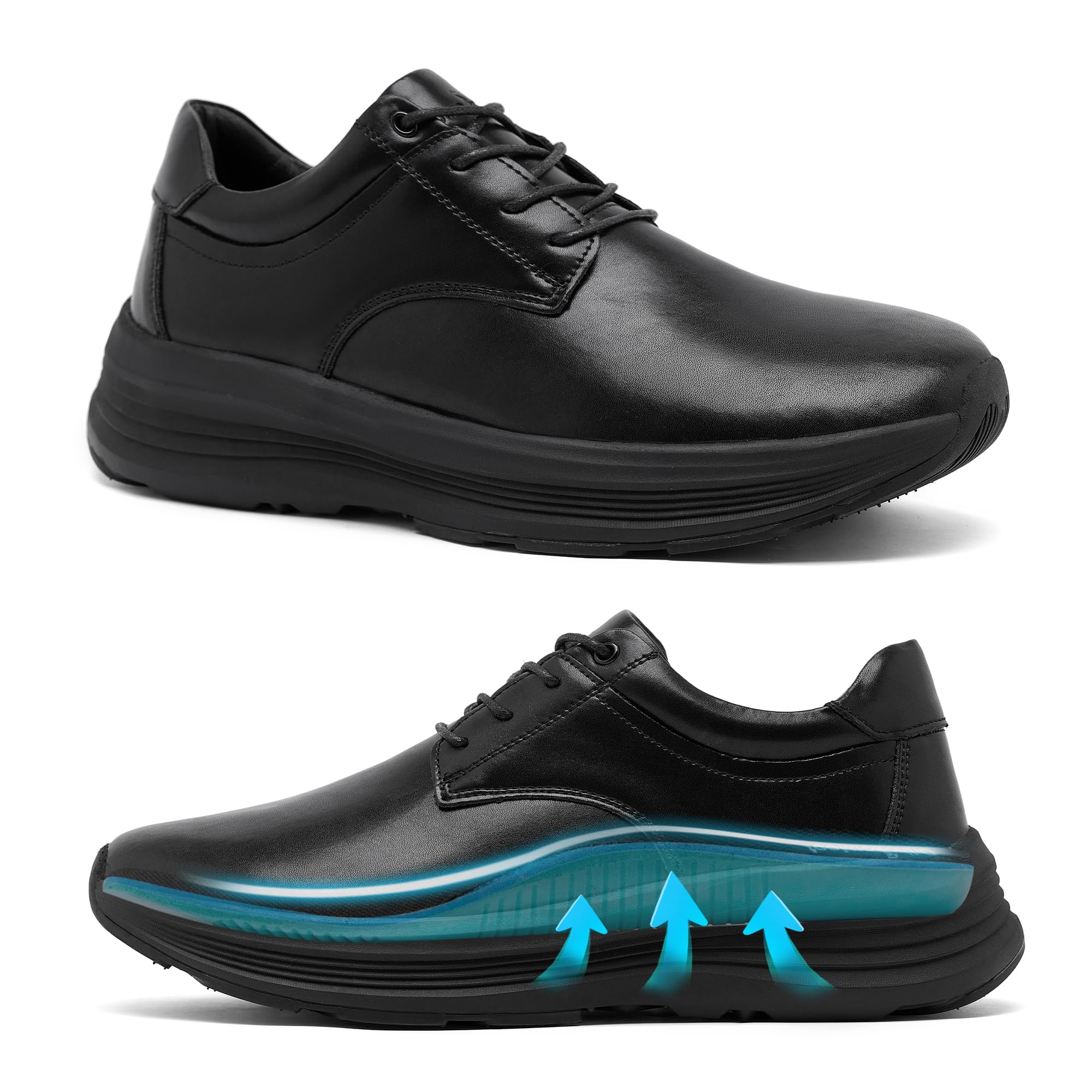
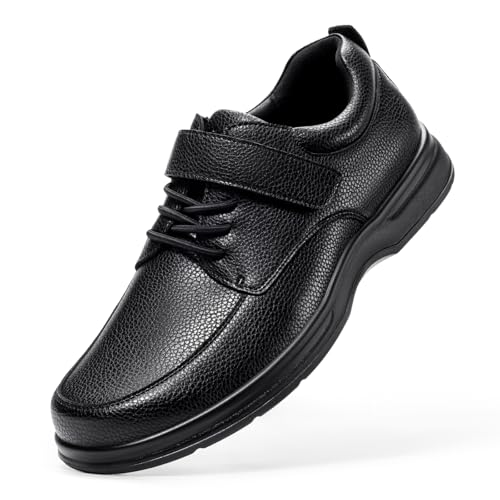
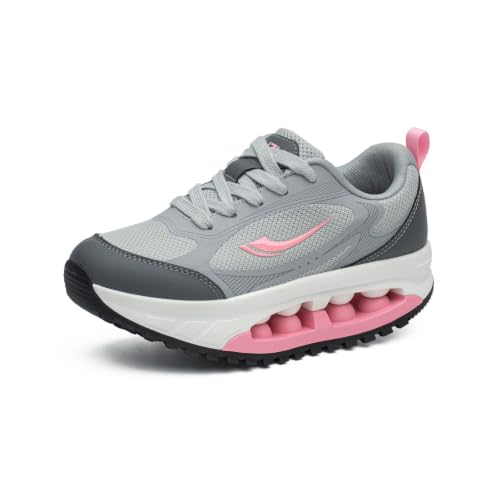
This guide explains cushioning, arch support, and office appropriate styling in plain language. The comparison table below sets out the main shoe styles side by side, so you can compare loafers, oxfords, and hybrid designs before you buy.

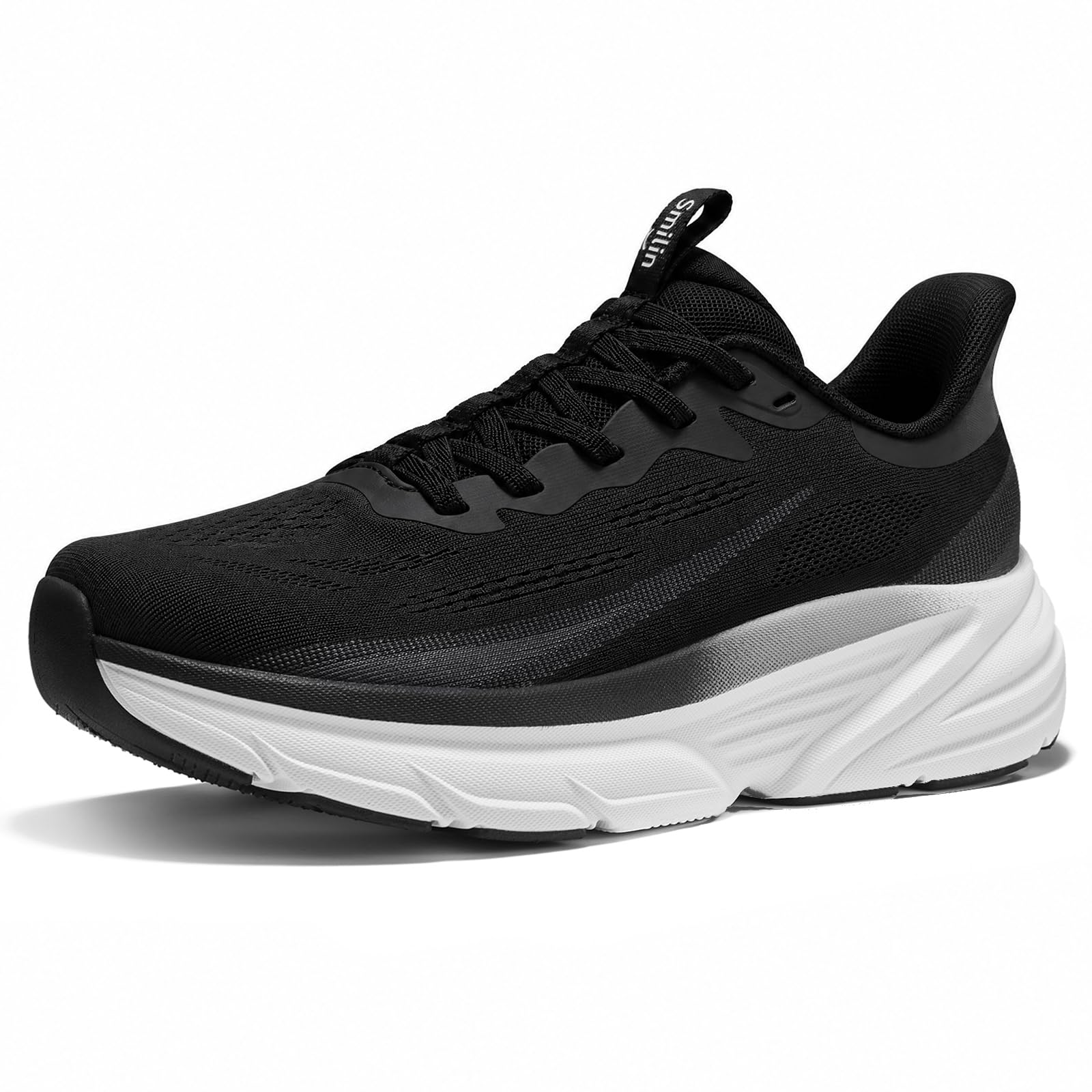
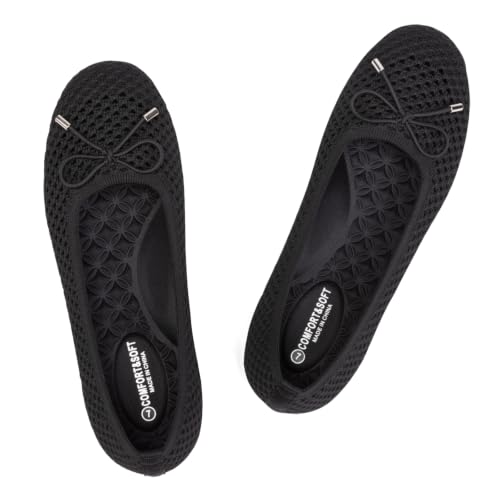


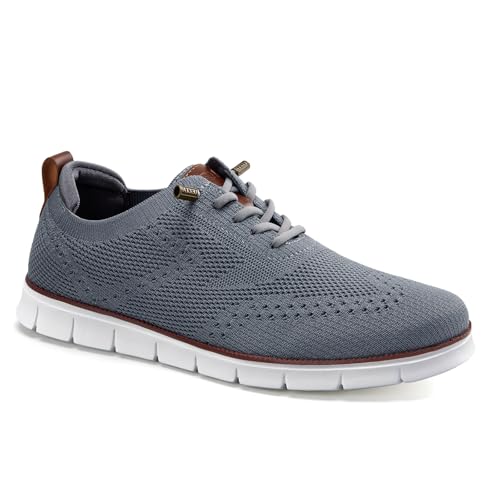
Why Standing All Day Changes Shoe Needs
Standing for hours loads feet differently from walking, since pressure stays on the same areas without the relief of stride motion. Cushioning must therefore support sustained pressure, not just absorb impact steps. Arch support matters more too, since tired arches flatten over a long shift and strain ankles, knees, and lower backs.
Weight also matters, since heavy shoes tire legs faster over a full day. Breathability prevents sweat buildup during long wear, while a stable heel counter keeps the foot aligned hour after hour. A shoe that feels fine for a short shop trial may fail by afternoon, so judge standing shoes on sustained comfort features.
Key Features Worth Comparing
Cushioning and Midsole Design
Look for midsoles that combine soft initial cushioning with firmer support underneath, since pure softness bottoms out over hours. Foam that rebounds well keeps its feel late in the day, while flat insoles often need aftermarket inserts for real support. Removable insoles are a plus, since they let you add custom orthotics if needed.
Arch Support and Foot Shape
Arch support should match your foot type, whether flat, neutral, or high arched. Built in arch contours help many wearers, but they cannot fit every foot perfectly. If you use orthotics, choose shoes with removable insoles and enough depth to accommodate them without crowding your toes.
Outsole Grip and Stability
Office floors vary from carpet to polished tile, so outsoles need reliable grip without looking sporty. Rubber outsoles with shallow tread patterns balance traction and office style. A wide, stable base resists rolling, which protects ankles during long standing shifts.
Office Appropriate Styling
Business casual styling means clean lines, muted colours, and minimal sporty details. Leather or quality synthetic uppers in black, brown, or navy suit most offices. Avoid bright colours, chunky athletic soles, and loud logos, which read as casual even when the shoe feels comfortable.
Who Should Buy Which Style
For Office and Retail Workers
Office and retail workers need shoes that transition from desk to shop floor gracefully. Loafers and clean oxfords with cushioned insoles cover this range well. Prioritise all day comfort features over fashion details, since you will wear these shoes for eight hours or more.
For Healthcare and Hospitality Staff
Staff who stand on hard floors need maximum cushioning and slip resistant outsoles. Shoes with easy cleaning uppers handle spills better, while secure closures prevent slipping off during fast movement. Comfort and safety outweigh pure style here, though many models now offer both.
For Commuters Who Walk and Stand
Commuters need shoes that handle walking to work plus standing through the day. Hybrid designs with athletic cushioning and office styling suit this dual role best. Check that the shoe stays comfortable after both a brisk walk and a long standing stretch.
Mistakes to Avoid
A common mistake is buying shoes that feel comfortable for ten minutes in a shop but lack sustained support. Cushioning that feels plush initially may flatten by afternoon, leaving feet aching. The product table above shows the main styles, and looking for rebounding foam and real arch contours matters more than first impressions.
Another mistake is ignoring fit changes through the day. Feet swell slightly during long standing, so shoes that fit snugly in the morning may pinch by evening. Try shoes on later in the day when possible, and leave a little toe room for natural swelling.
Foot Care for Long Standing Days
Rotate shoes when possible, since rest days let cushioning rebound and uppers dry fully. Use supportive socks, take seated breaks when you can, and stretch calves and arches during pauses. Anti fatigue mats help when you stand in one spot, since they encourage subtle movement that improves circulation.
Watch for warning signs such as persistent swelling, sharp pain, numbness, or skin sores that do not heal. If any of these occur, seek advice from a clinician or podiatrist rather than pushing through. Good shoes reduce strain, but they cannot replace rest, movement, and professional advice when needed.
If you are still narrowing down the choice, related guides can help you compare nearby options. Readers often compare this guide with best shoes to wear for standing all day, best casual shoes for standing all day, best shoes for standing walking all day, best business casual shoes and best tennis shoes for standing all day before settling on a final option, since each one covers a slightly different use case. The comparison table above can help you line up the main features side by side before you decide.
Standing Comfort Habits
Footwear is only part of standing comfort, since habits during the day matter just as much. Shift your weight subtly every few minutes, rise onto your toes occasionally, and take short walking breaks when possible. These micro movements improve circulation and reduce the stiffness that builds during static standing.
Footwear rotation helps too. Alternating two pairs lets cushioning rebound fully between wears, so each pair supports better and lasts longer. Rotation also gives you a dry pair if one gets wet or sweaty, which matters for both comfort and foot health over long shifts.
End of day care completes the picture. Stretch calves and arches gently, elevate feet briefly if they feel swollen, and let shoes air out overnight. These small rituals, combined with well chosen shoes, make standing days noticeably easier over weeks and months.
Sock choice quietly affects standing comfort, since cushioning, moisture control, and fit all interact with the shoe. Cushioned work socks add padding without changing shoe size much, while moisture wicking fibres keep feet drier through long shifts. Avoid cotton socks for all day standing, since cotton holds sweat and increases blister risk. A good sock and shoe combination outperforms either item alone.
Insoles wear out faster than shoes, so replacing footbeds every few months can restore comfort without buying new shoes. Signs of worn insoles include flattened cushioning, persistent odour despite cleaning, and new foot fatigue. Fresh insoles cost little yet often make old shoes feel nearly new again.
Frequently Asked Questions
What makes a business casual shoe good for standing all day?
Sustained cushioning, real arch support, a stable base, and a fit that accommodates slight foot swelling all matter. The shoe should look polished while supporting your feet hour after hour. Removable insoles help, since they allow custom orthotics. Light weight and breathability also reduce fatigue over a full shift, while a stable heel counter and a wide base further protect ankles on hard floors.
Should I size up for standing all day shoes?
Many people benefit from a half size up or a wider fit, since feet swell during long standing. Try shoes on later in the day when feet are naturally larger, and wear your work socks. Leave enough toe room to wiggle toes slightly, but avoid a loose heel that slips. A proper fit balances room with secure lockdown.
Are loafers or lace ups better for standing all day?
Lace ups generally offer better lockdown and adjustability, which helps during long shifts. Loafers offer convenience and a clean look, but they must fit precisely to avoid heel slip. If you choose loafers, look for secure heel grips and cushioned insoles. For maximum support, lace ups usually win for all day standing.
How often should I replace standing shoes?
Replace standing shoes when cushioning flattens, arch support collapses, or outsoles wear smooth, typically every six to twelve months of daily use. Signs include new foot pain, uneven wear patterns, or shoes that lean to one side. Rotating two pairs extends the life of each pair and lets cushioning recover between wears.
Can insoles make business casual shoes more comfortable?
Yes, quality insoles can greatly improve cushioning and arch support in shoes with removable footbeds. Choose insoles matched to your arch type, and test them with your work socks. Avoid stacking thick insoles in shoes that already fit snugly, since crowding causes new problems. A good insole transforms many stylish shoes into genuine all day options.
Final Thoughts
Choosing best business casual shoes for standing all day is about sustained comfort that still looks right in the office. Cushioning that rebounds, arch support that matches your feet, and styling that suits your workplace matter more than brand or fashion alone.
Compare the styles in the table above, try shoes on late in the day, and prioritise the pair you can stand in happily at hour eight, not just minute ten. That is the real test.