Best Calf Boots: Types Compared and How to Choose for 2026
Disclosure: We may earn a commission when you buy through links on this page, at no extra cost to you. As an Amazon Associate I earn from qualifying purchases. Learn more

Compare calf boot types by shaft fit, waterproofing, cushioning and sole grip, with a simple measuring guide to help you choose a comfortable pair.
Calf boots sit in a useful middle ground, taller than ankle boots and easier to wear than knee high styles, but the range can feel confusing. Shaft heights and calf widths vary a lot between brands, so the best calf boots for you depend on your leg shape, your weather and how you plan to wear them.
This guide compares the main types side by side, then walks through fit, materials, soles and care. Use the comparison table below to see how the styles differ, then read on for measuring steps that prevent common sizing mistakes.



Types of Calf Boots Compared
Calf boots are grouped less by fashion labels and more by shaft construction, upper material and intended weather. The four types below cover most pairs you will see, each suiting a different leg shape and climate.
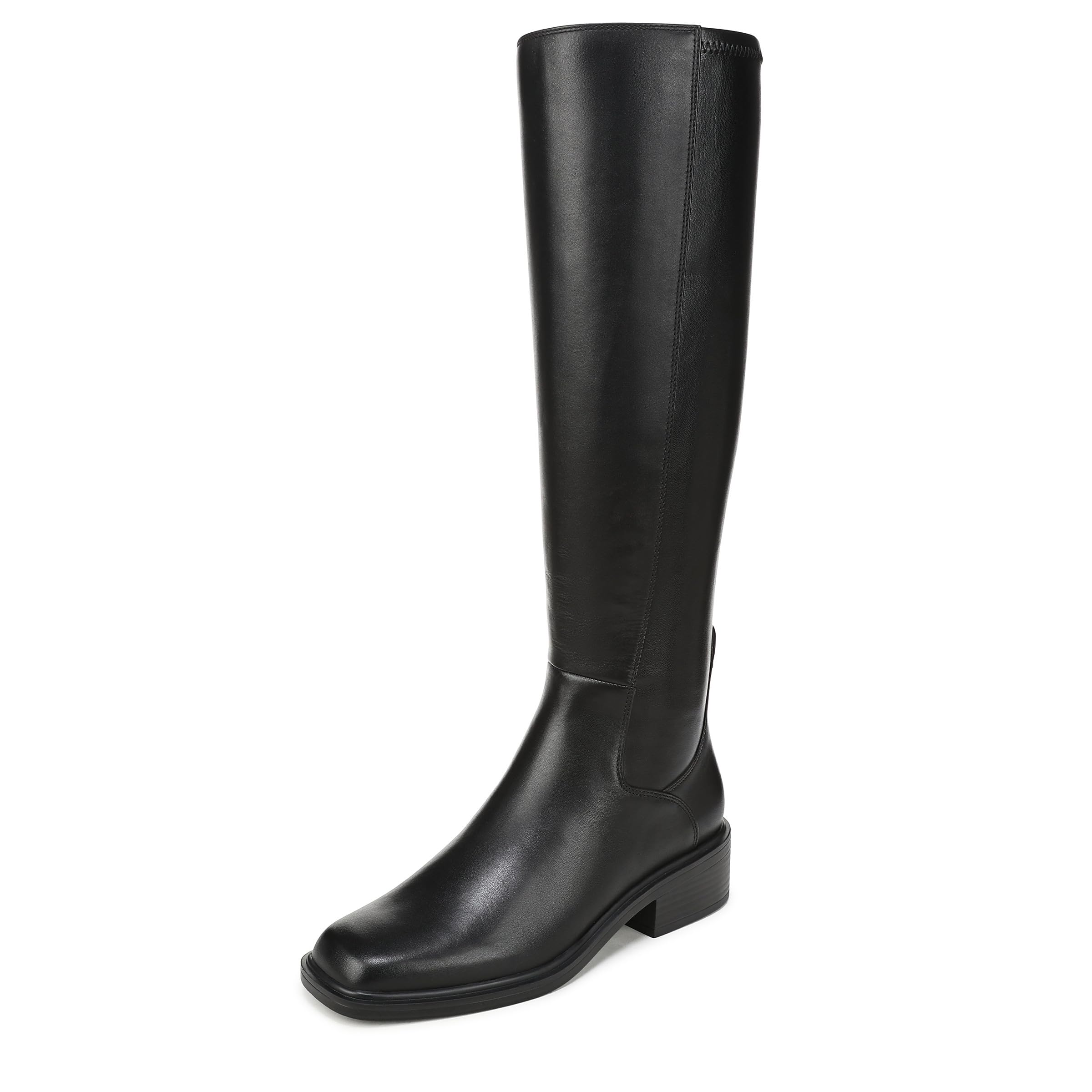
Classic Leather Calf Boots for Town and Office Wear
A classic leather pair rises to the middle of the calf, closes with a side zip and carries a heel of about 1 to 2 inches. Smooth leather looks polished with trousers and dresses, breathes better than most synthetics and softens around the ankle. If this height is exactly what you want, see our guide to the best mid calf boots for a closer look at that single style. Expect to pay about $100 to $250.
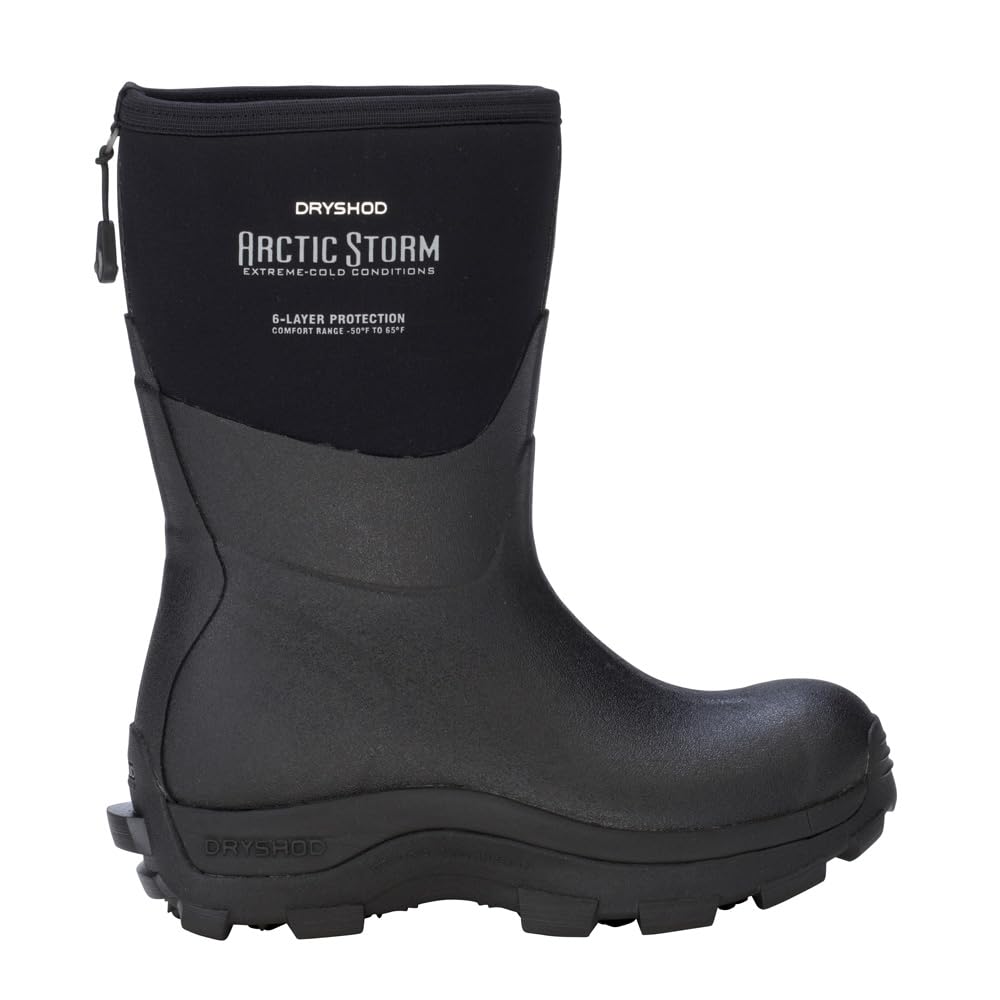
Waterproof Calf Boots for Rain and Snow
Waterproof calf boots pair a treated leather or synthetic upper with a sealed membrane and taped seams, so rain and slush stay outside instead of soaking through stitching holes. A rubber outsole with shallow lugs adds grip on wet pavement and light snow. The trade off is lower breathability, which can feel stuffy indoors. Choose this type if your commute crosses puddles, wet grass or slushy streets. Most cost about $90 to $220.
Wide Calf Boots for Fuller Legs
Wide calf boots build in extra shaft room through a larger circumference, stretch panels at the back or a longer zip that opens the shaft wider for entry. The foot part usually matches the standard version, so the change is about leg comfort rather than shoe size. A roomy shaft prevents pinching when you sit or wear thicker socks. If standard shafts feel tight, see our guide to the best wide calf boots for sizing focused advice. Prices run about $90 to $240.
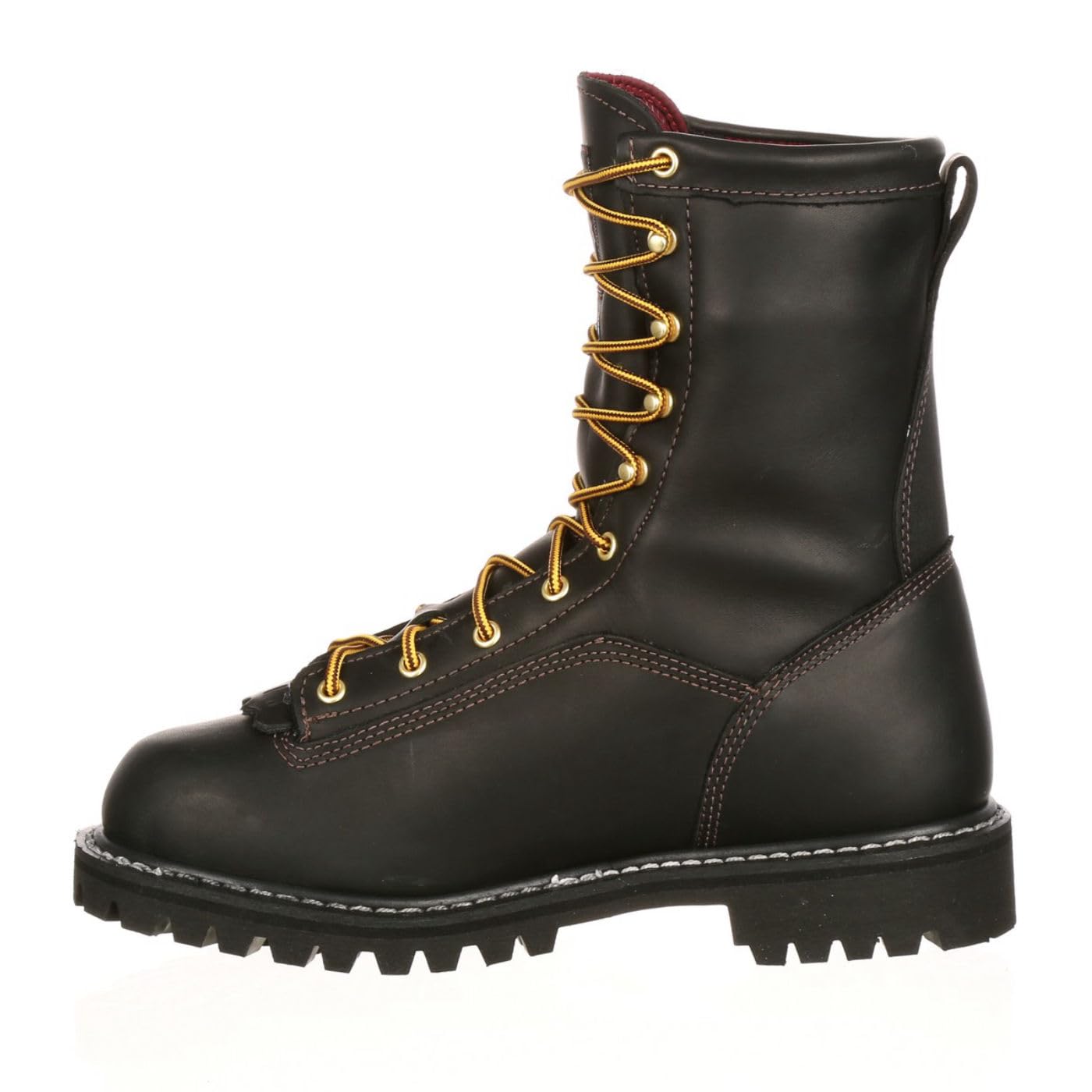
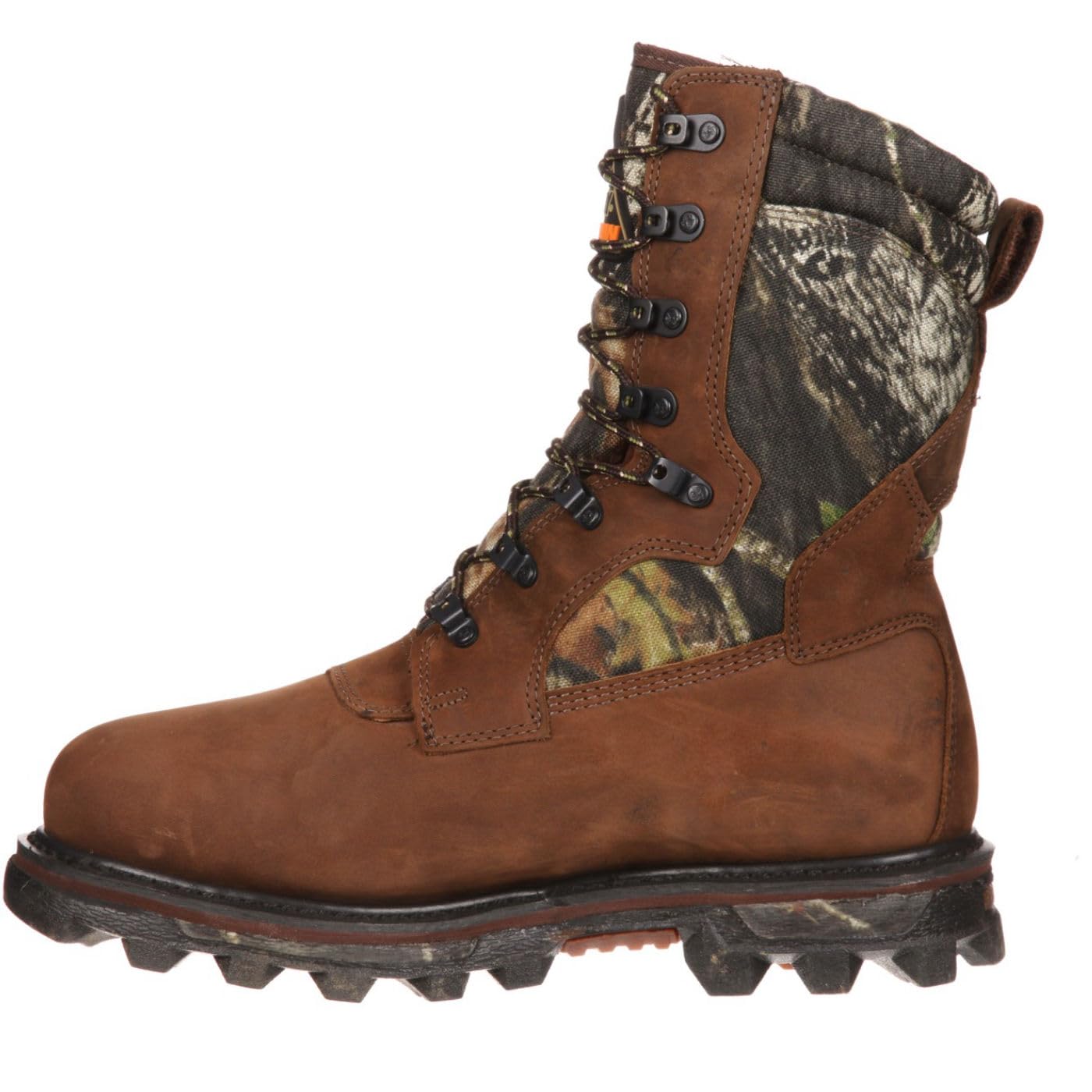
Lace Up Calf Boots for Outdoor and Work Wear
Lace up calf boots use eyelets up the front of the shaft, which lets you tighten the lower leg firmly and loosen the top for driving or sitting. Uppers tend to be thicker leather or rugged synthetic fabric, with a padded collar and deeper sole lugs for trails and work sites. They look more casual than zip styles and take longer to put on, but the adjustable fit helps when calves swell during a long active day. Most cost about $80 to $200.
Waterproof Calf Boots vs Classic Leather Calf Boots: Which Should You Choose?
The direct choice comes down to weather first. Waterproof pairs win on wet days because the membrane and sealed seams keep socks dry, and their rubber soles grip slick ground better. Classic leather pairs win across a long indoor day because plain leather linings let more heat escape, and the smoother finish pairs with more outfits.
Upkeep differs too. Waterproof boots need little beyond rinsing off salt and mud, while smooth leather asks for conditioning to stay supple. If you face rain or snow several days a month, pick waterproof. If most walking happens indoors, classic leather will feel better.
How to Choose the Right Calf Boot
When you compare the best calf boots side by side, start with your calf measurement, then work through the four factors below. Getting the shaft right matters more than style details, because a boot that fights your leg stays in the closet.
Shaft Height and Calf Circumference
Shaft height is measured from the top of the heel up the back of the boot, and calf boots usually land around 10 to 14 inches, ending near the widest part of your lower leg. Circumference is the measurement around that point, and it decides whether a zip closes without a struggle. A shaft ending exactly at your widest point can dig in, so many buyers prefer a top edge just above or below it.
Cushioning, Arch Support and Heel Height
The footbed decides how a calf boot feels after several hours of standing. A cushioned insole with gentle arch support spreads pressure across the foot, while a flat thin sole can leave the ball of the foot sore by evening. Removable insoles help because you can swap in a more supportive pair. Heel height matters too: a low heel of about 1 inch keeps weight balanced, while taller heels shift pressure forward.
Outsole Traction and Terrain
The outsole is the rubber layer that meets the ground, and its lug pattern should match the surfaces you walk on most. Smooth or shallow tread is quiet on office floors and dry sidewalks. Deeper lugs, around 4 to 6 mm, bite into gravel, mud and packed snow, but they can feel clunky on concrete. Rubber grips wet stone better than hard plastic soles, which can skate on polished floors.
Fit, Sizing and the Toe Box
Try calf boots late in the day, when your feet and calves are at their largest, and wear the socks you plan to use most. Your longest toe should have about half an inch of space in front, and the toe box should let toes lie flat without squeezing the sides. The heel should lift only slightly as you walk; repeated slipping blisters the skin. Between sizes, the larger size with a thicker sock usually beats a tight smaller pair.
How to Measure Your Calf for Calf Boots
Measuring takes two minutes and removes most guesswork from ordering. Sit with your foot flat and your knee bent, then follow these steps.
- Wrap a soft tape around the widest part of your calf and note the number without pulling it tight.
- Measure the other calf as well, and shop using the larger number.
- Add about half an inch if you plan to tuck in trousers or wear heavy socks.
- Compare your number with the shaft circumference listed for your shoe size.
If your measurement sits above about 17 inches, standard shafts will likely feel restrictive. In that case, see our guide to the best extended calf boots, which covers styles with the most generous shaft room.
Common Mistakes to Avoid
Most returns trace back to a few avoidable errors.
- Buying by shoe size alone and ignoring shaft circumference, so the zip will not close.
- Measuring your calf while standing on a cold morning, then finding the boots too tight by the end of the day.
- Choosing a tall fashion heel for all day walking, which pushes weight onto the forefoot.
- Wearing smooth soles on icy or muddy ground, which leaves you with almost no grip when you need it most.
- Forcing a tight shaft instead of sizing up the width, which stresses and can damage the zip.
Care and Maintenance for Calf Boots
Brush dirt off after wear and wipe leather with a damp cloth before grit dries into the creases. Let wet boots air dry at room temperature away from radiators and direct heat, because forced heat cracks leather and weakens sole glues. Condition smooth leather every few months, and stuff shafts with rolled towels so tops stand upright in the closet.
Check the outsole and heel edges every season, since worn smooth tread is the first sign that grip is fading. A cobbler can often replace a heel cap or resole a stitched boot for far less than a new pair. Rotate two pairs if you wear calf boots daily, because a rest day lets linings dry fully.
FAQ
How should calf boots fit around the calf and ankle?
Calf boots should feel snug but never pinched, with roughly a finger of space at the top edge. One check the size charts skip: sit down and cross one leg over the other, then stand and walk a few steps. The shaft should stay comfortable in both positions, because a fit that only works while standing will annoy you at a desk or in a car.
How long is the break in period for calf boots?
Most calf boots settle in within about one to two weeks of regular short outings. Stiff leather softens first at the ankle crease, so wear new pairs around the house before a full day out. If a spot still rubs after two weeks of gradual wear, the size or shaft shape is probably wrong rather than the boot needing more time.
Can I wear calf boots all day at work?
Yes, you can wear calf boots all day at work if the heel stays low and the insole has real padding. A practical test is the commute check: walk your normal route to transport or your car in them for several days. Boots that pass usually stay comfortable at work, while pairs that pinch on a short walk rarely improve over eight hours.
Are expensive calf boots worth the extra cost?
Expensive calf boots are worth it mainly when the extra money buys stitched soles, full leather uppers and replaceable parts. Those features extend the life of the boot and let a cobbler repair wear instead of forcing a replacement. If a higher price only buys a fashion label on a glued sole, a mid priced pair will serve you just as well.
How often should I replace calf boots?
Replace calf boots when the tread runs smooth, the shaft sags out of shape or the zip fails repeatedly. For most wearers that point arrives after several years rather than on a fixed schedule. One early warning is slipping on ground the boots once gripped well, which suggests the sole has worn past its useful life even if the upper still looks fine.
The Bottom Line
Start with your calf measurement, pick the type that matches your weather, and then check the sole and footbed against your longest day. That order solves most buying regrets before they happen. Look back at the product table above and choose the best calf boots that fit your leg, your ground and your routine.