Best Boots for Standing All Day: Every Type Explained Side by Side 2026
Disclosure: We may earn a commission when you buy through links on this page, at no extra cost to you. As an Amazon Associate I earn from qualifying purchases. Learn more

Compare boot types side by side for long shifts. Learn about support, fit, cushioning, and traction to choose a comfortable pair for your workday.
Standing for hours can turn a small footwear problem into a long day. The best boots for standing all day are not a single style, because nurses, cooks, warehouse staff, and retail workers all face different floors, temperatures, and dress codes. This guide compares the main boot types side by side so you can match a pair to your work and your budget.
Use the product table below to narrow the field, then work through the fit and feature sections before you buy. If you deal with persistent foot or leg pain or swelling, talk with a clinician before relying on footwear alone.


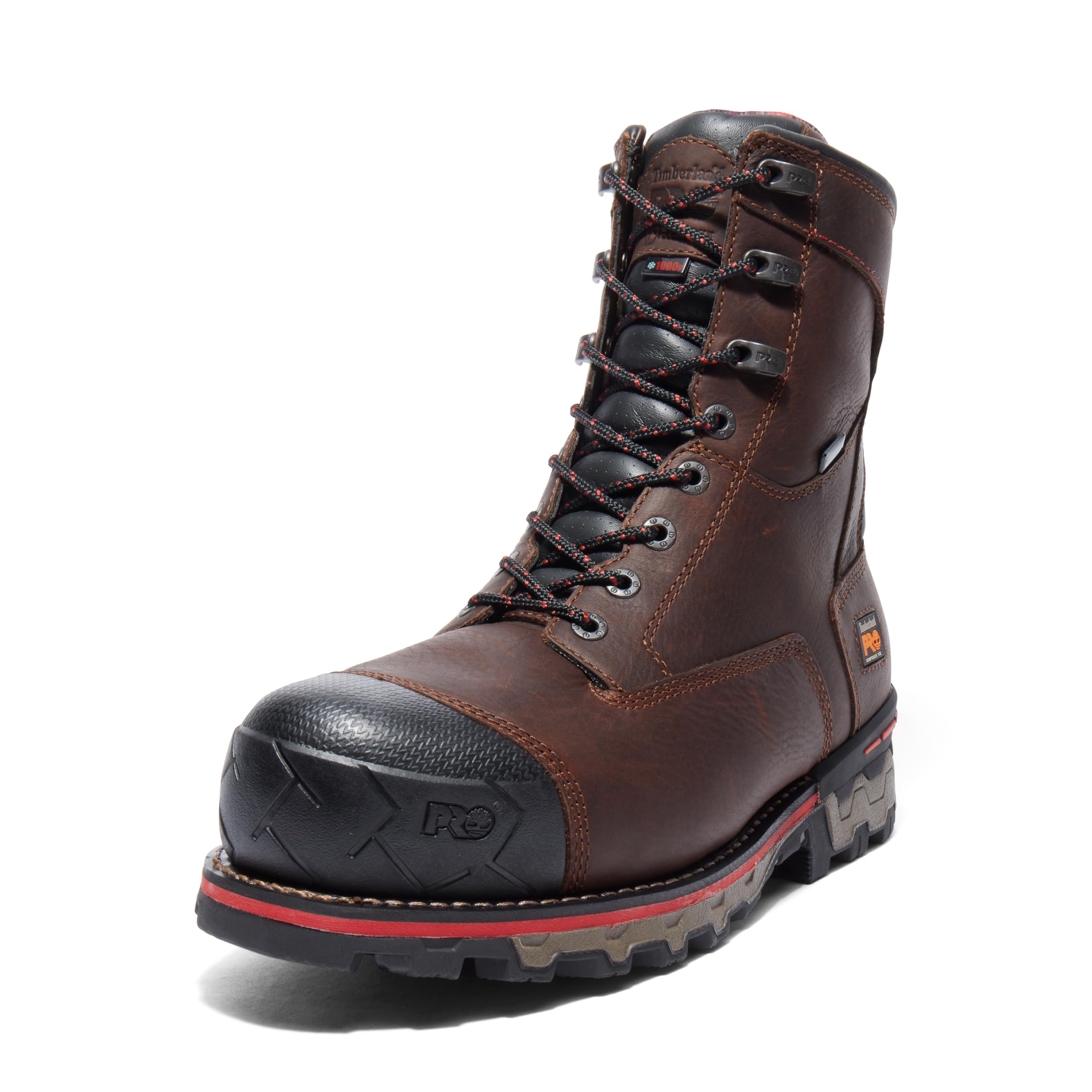
Types of Boots Compared
The table gives a quick view of the main options, followed by a closer look at each one. Prices are approximate and vary with materials, construction, and brand.
| Type | Best For | Pros | Cons | Typical Price |
|---|---|---|---|---|
| Cushioned leather work boots | Hard floors and long shifts | Durable, supportive, easy to wipe clean | Heavier, needs break in | around $130 to $290 |
| Lightweight hiker style boots | Mixed standing and walking | Low weight, flexible feel | Softer protection | around $60 to $160 |
| Waterproof boots | Wet floors and outdoor tasks | Keeps feet dry, sturdy tread | Warmer in summer | around $70 to $220 |
| Orthopedic and stability boots | Tired arches and wide feet | Structured support, roomy toe box | Firm feel, higher price | around $100 to $180 |
Cushioned Leather Work Boots
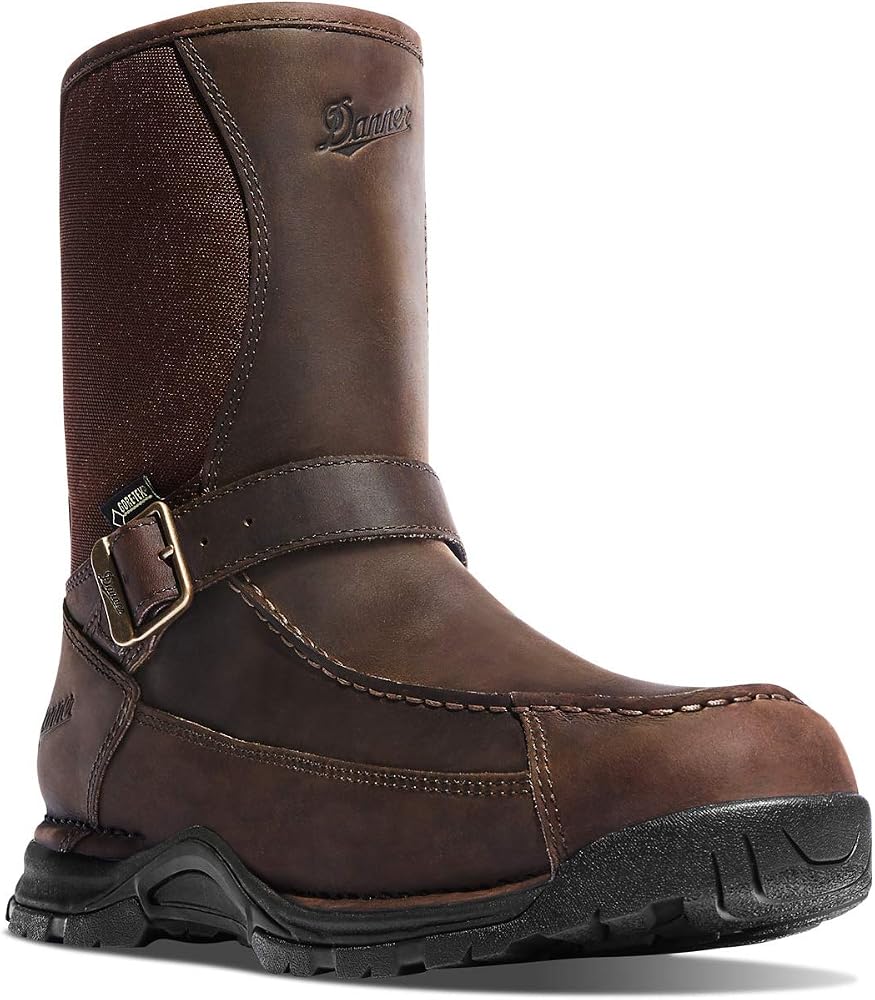
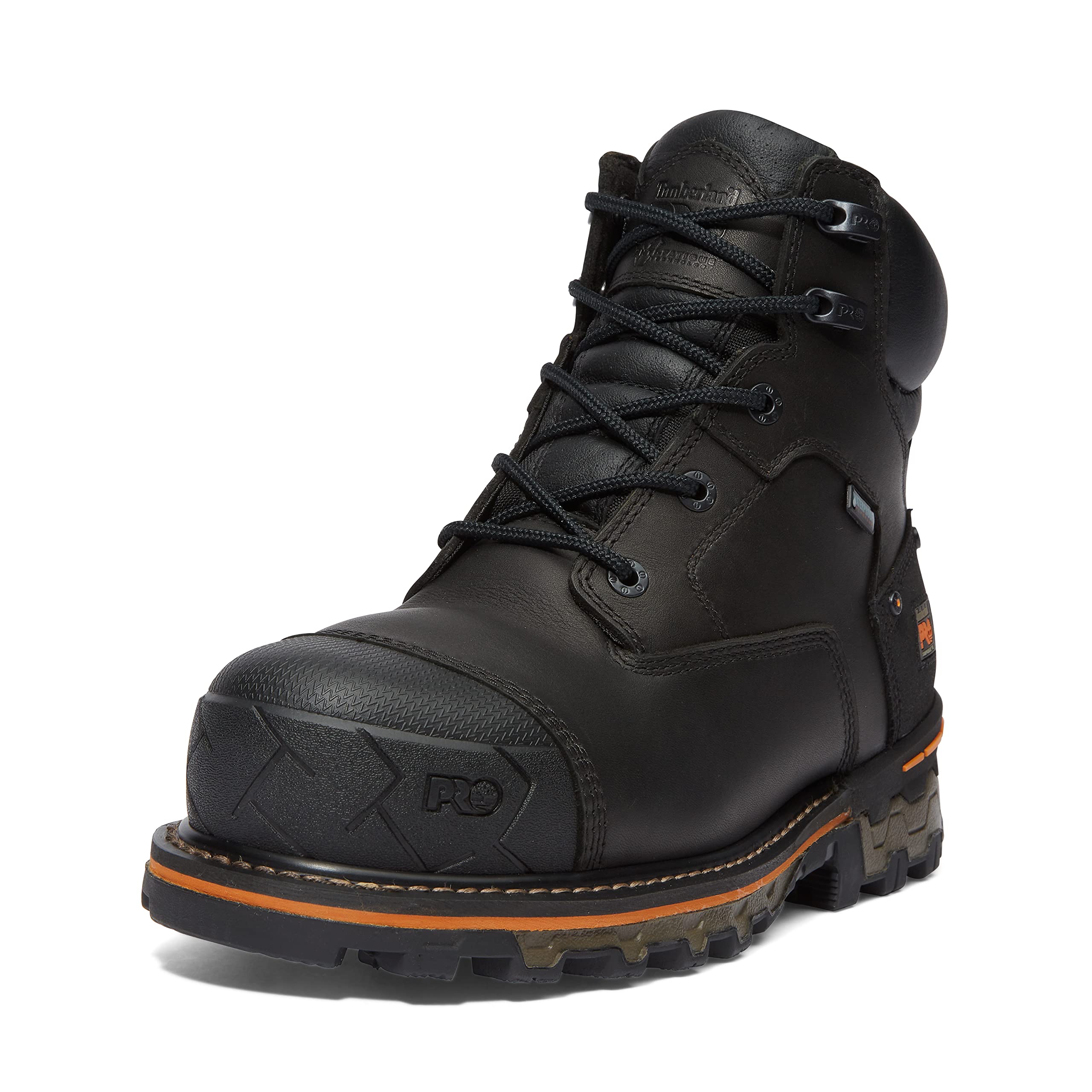
These boots pair a thick midsole with a leather upper that molds to your foot over the first weeks. They suit concrete, tile, and loading areas where you stand for most of the shift. Many workplaces also require the protection a full boot offers.
The trade off is weight and warmth. Plan a gradual break in, and wear moisture wicking socks to manage heat.
Lightweight Hiker Style Boots
Lightweight boots use foam midsoles and mesh or synthetic panels, so each step feels easy. They fit people who move constantly, such as servers, retail staff, and hospital workers. A low profile also pairs well with everyday work clothes.
The weakness is structure. Soft foam may flatten under a full day of pure standing, so check whether the boot accepts a supportive insole.
Waterproof Boots
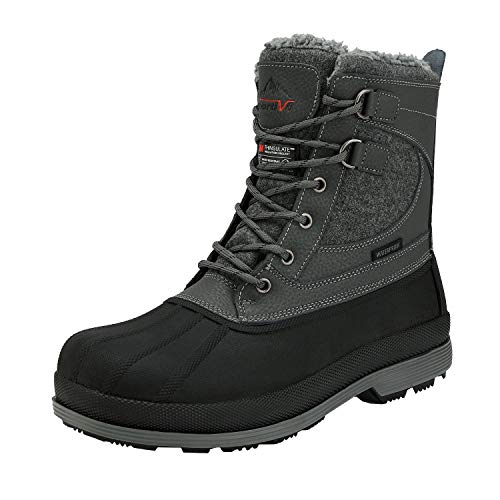
Waterproof boots use sealed seams and membranes to keep water out, which helps in kitchens, car washes, and outdoor work. The taller shaft protects the ankle and lower leg, and deeper tread helps on slick ground. They are often the safest all weather choice.
The cost is heat. A membrane traps warmth as well as water, so feet can feel hot during summer shifts.
Orthopedic and Stability Boots
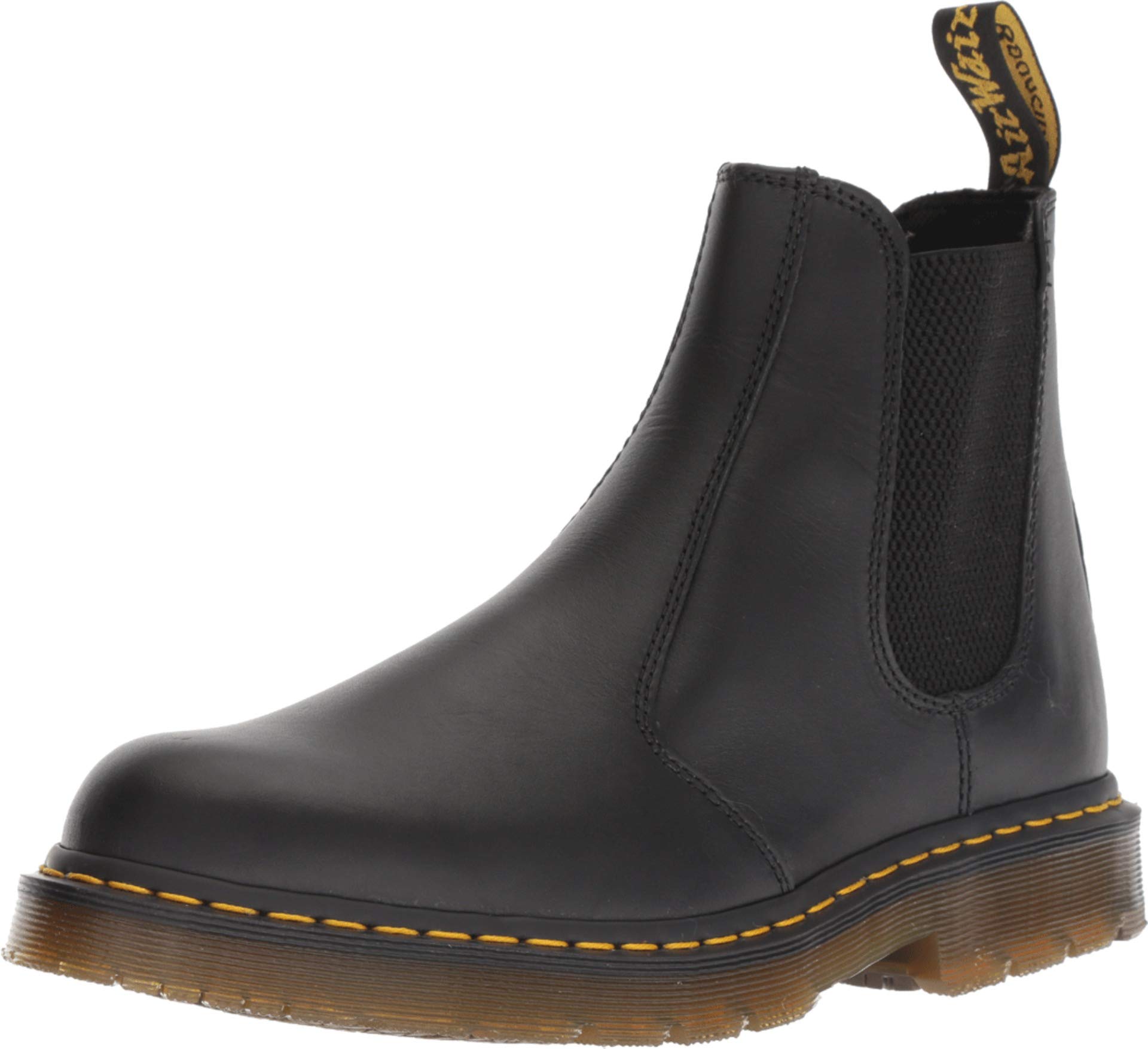
Stability boots hold the foot in a neutral position with a firmer midsole and a structured heel counter. They suit people whose arches ache by midday or whose feet need extra width. The steady platform reduces the small wobbles that add up over a long shift.
The firmer feel is not for everyone, so try them late in the day when your feet are closer to their working size.
Cushioned Work Boots or Lightweight Boots: Which Should You Choose?
Start with your workplace rules and floor. If you stand in one spot on concrete or tile, cushioned work boots with a stable heel give the most lasting support. If you walk long distances through a shift, lightweight boots reduce fatigue and feel easier at the end of the day.
Think about durability too. Leather work boots usually last longer under constant use, while lightweight boots need earlier replacement as the foam compresses. Many people keep both and rotate them, which lets each pair dry fully between wears.
How to Choose the Right Boot
Choosing well means matching features to your floor, your shift length, and your feet. The sections below cover the details that matter most when you will be standing all day.
Features That Matter for Standing All Day
Look for cushioning that does not collapse by afternoon, arch support that matches your foot shape, and a stable heel. A heel to toe drop of around 8 to 12 millimeters suits many wearers, while a lower drop can feel more grounded. Press the midsole with your thumb: it should spring back rather than stay dented.
Upper Materials and Breathability
Mesh uppers breathe best and suit warm indoor work. Leather offers durability and a neater look for some workplaces. If your feet sweat heavily, prioritize ventilation and a removable insole you can dry or replace.
Fit, Sizing, and Toe Box
Measure your feet in the afternoon, when they are slightly larger, and wear the socks you use at work. A roomy toe box lets your toes spread, which matters when you stand for hours. Your heel should stay put, and the widest part of your foot should sit comfortably over the widest part of the boot. If one foot is larger, fit the larger foot.
Outsole Traction and Terrain
Traction depends on the lug pattern and rubber compound. A flatter, slip resistant pattern suits smooth indoor floors, while deeper lugs grip outdoor and uneven ground. Check your workplace floor type and any safety requirements before choosing.
Common Mistakes to Avoid
- Buying in the morning, when feet are smallest, leads to pinching by the end of the shift.
- Choosing the softest sole leaves a tired foot to roll and ache sooner.
- Skipping the break in turns the first full shift into blisters.
- Wearing thin socks with boots fitted for thick work socks lets the heel slip.
- Keeping worn flat insoles in a good boot removes the support you paid for.
Tips to Get the Most From Your Boots
Rotate two pairs so each can dry and recover its cushioning between shifts. Replace work boots when the midsole feels flat or the tread wears smooth. Air dry wet boots away from direct heat, since radiators and dryers can warp materials and weaken adhesives.
If you add insoles, fit them before judging size, and recheck the fit after a week of wear. For sturdier styles, see our guide to the best work boots for standing all day, and for lighter footwear, see our guide to the best shoes for standing walking all day.
Frequently Asked Questions
What features matter most in boots for standing all day?
Cushioning that holds up, arch support that matches your foot, and a stable heel matter most. A roomy toe box and a slip resistant outsole come next, since cramped toes and slick floors cause trouble fast. Breathability matters on long warm shifts.
How long is the break in period?
Lightweight boots usually feel comfortable within a few days. Leather boots and structured support boots need one to two weeks of gradually longer wears. If pain or blisters persist, the fit may be wrong, and another size or width is worth trying.
Are expensive boots worth it?
Higher prices often bring better materials, more durable cushioning, and stronger construction, but price alone does not guarantee comfort. A mid priced pair that fits your foot will beat an expensive pair that pinches. Focus on fit first, then on the features your job demands.
How often should I replace my boots?
Replace boots when the cushioning feels flat, the tread wears smooth, or the upper no longer holds your foot steady. For daily wear, that often means every 6 to 12 months, depending on hours, weight, and floor type. Rotating two pairs extends the life of each one.
How should boots fit?
Boots should feel snug at the heel and midfoot with room for your toes to move and spread. Try them on in the afternoon with your work socks and walk on a hard surface for several minutes. If you are between sizes, the larger size is usually safer for long shifts.
Our Verdict
Fit, cushioning that lasts the whole shift, and traction suited to your floor are the criteria that matter most. Cushioned leather boots suit hard floors, lightweight boots suit constant walking, waterproof boots suit wet jobs, and stability boots suit tired arches. The best boots for standing all day are the ones that fit your feet, meet your workplace rules, and still feel good in the final hour, so compare the options in the product table above before you decide.