
Best Affordable Shoes for Standing All Day 2026: Guide
Disclosure: We may earn a commission when you buy through links on this page, at no extra cost to you. As an Amazon Associate I earn from qualifying purchases. Learn more
Find affordable shoes for standing all day with lasting cushioning, steady support, and a fit that keeps feet comfortable through long shifts.
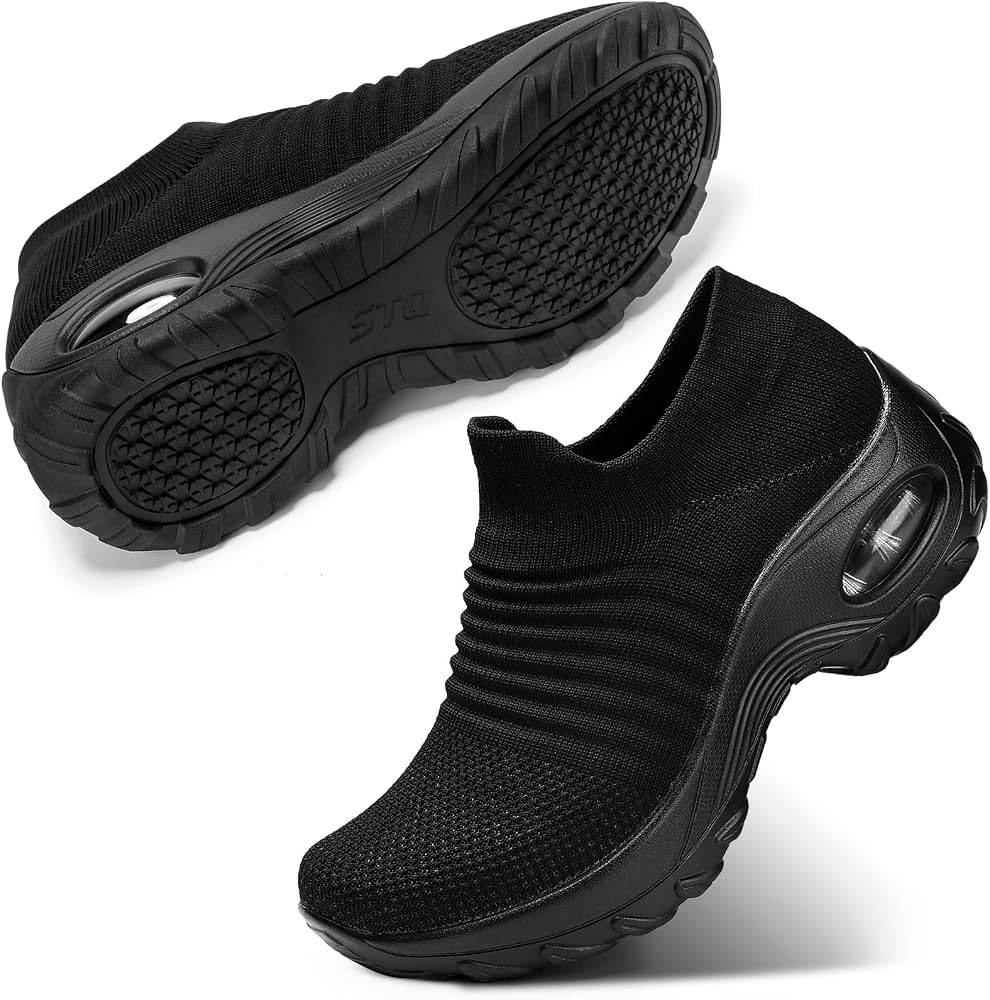
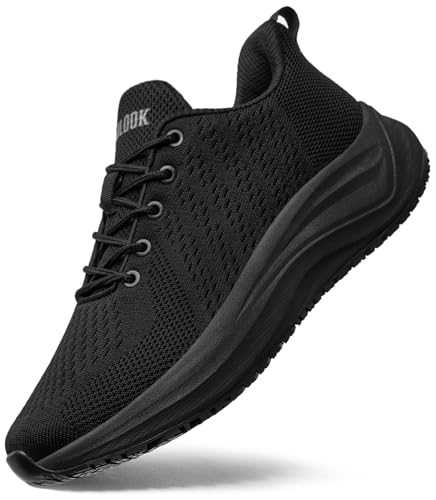
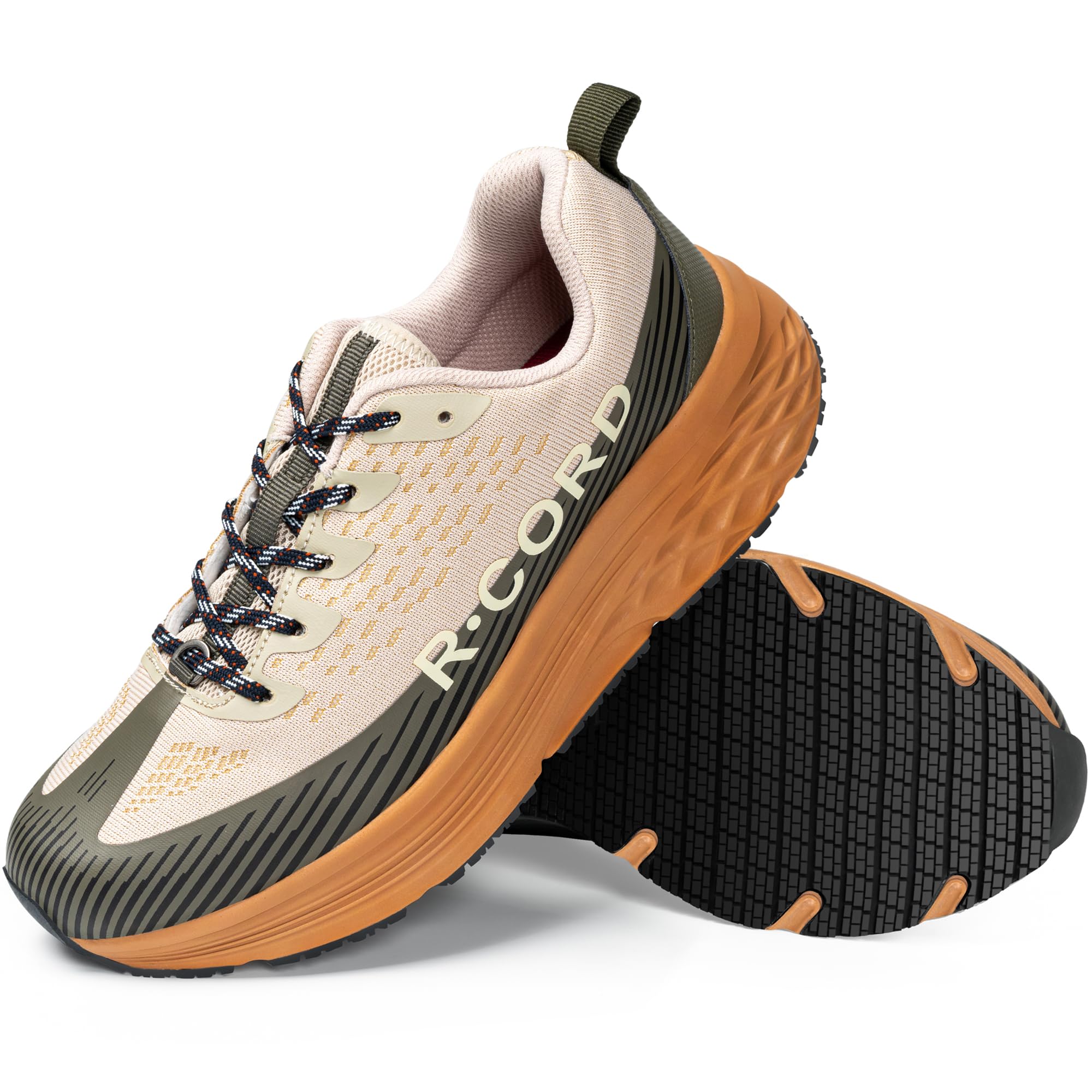
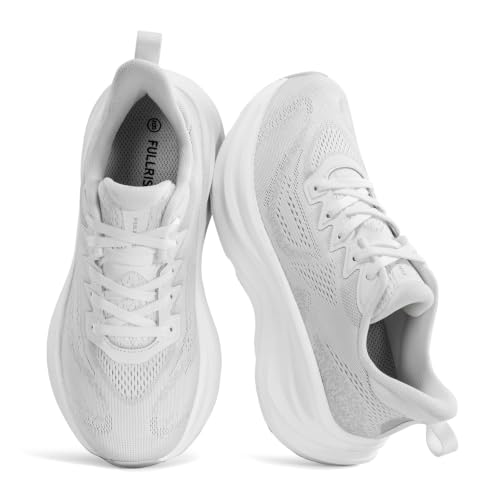
Best affordable shoes for standing all day can transform a long shift, since the right cushioning and support reduce the ache that builds hour by hour. The comparison table below sets out the main types side by side so you can match support, weight, and slip resistance to your job. Nurses, retail staff, teachers, and factory workers all stand for hours, yet each workplace demands slightly different footwear.
Standing shoes differ from running shoes, because they prioritise steady support and pressure relief over bounce and speed. A good pair spreads your weight evenly, cushions your heels, and keeps your arches supported from the first hour to the last. This guide explains what to look for, so your feet feel better at the end of a shift than they did in your old shoes.



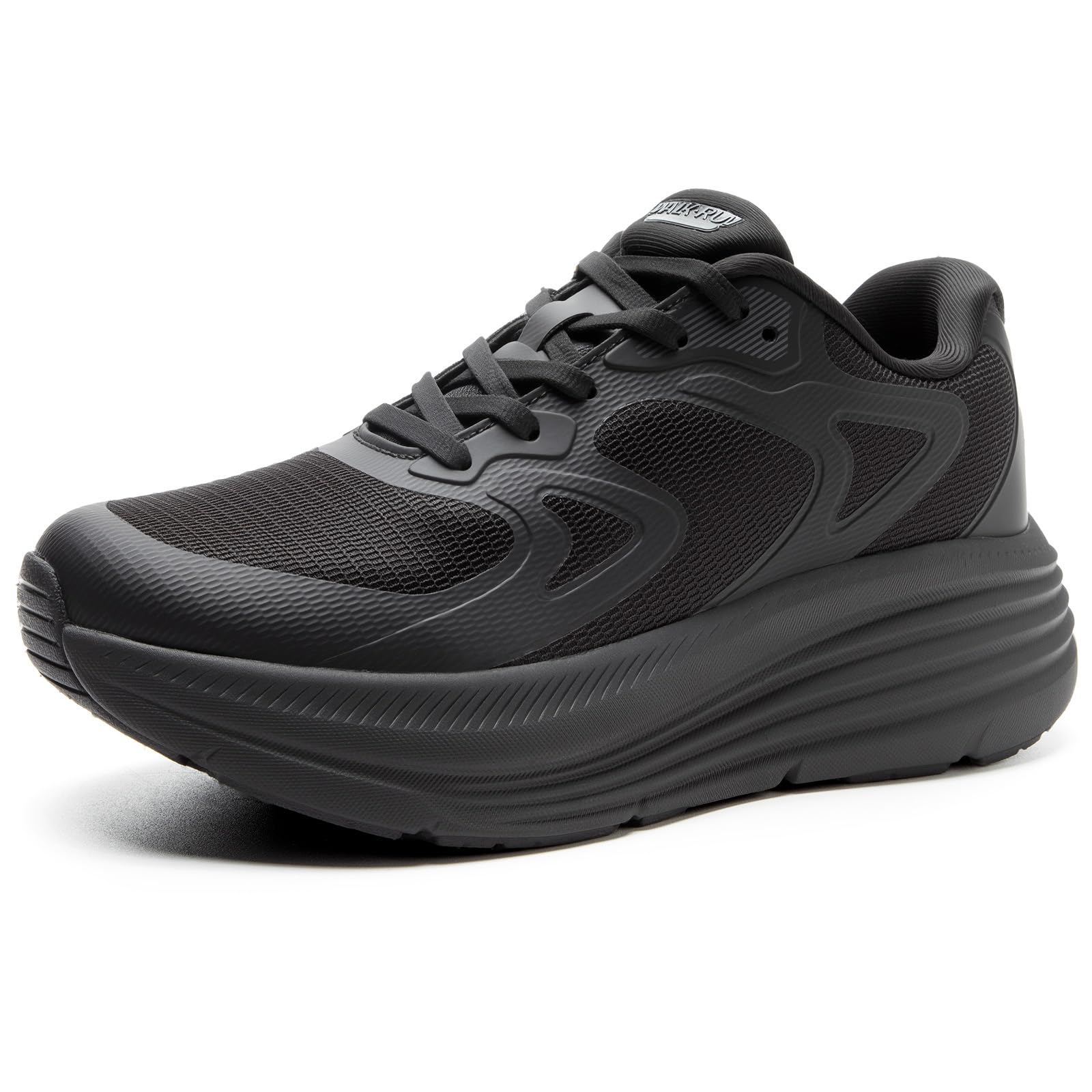
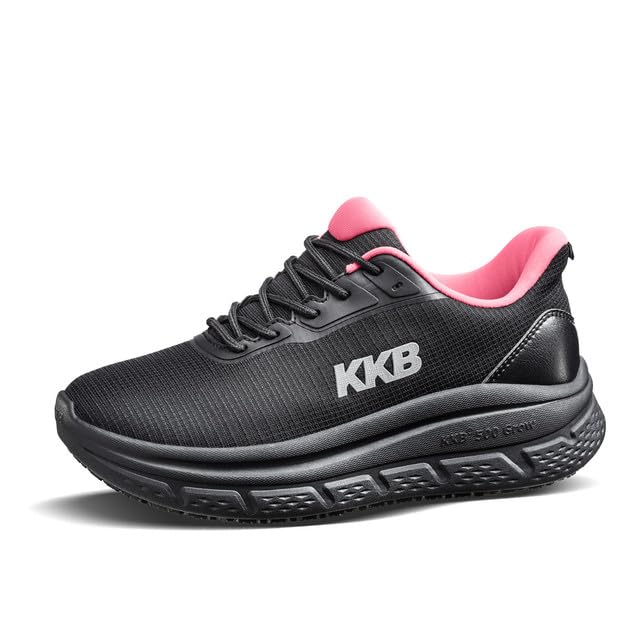

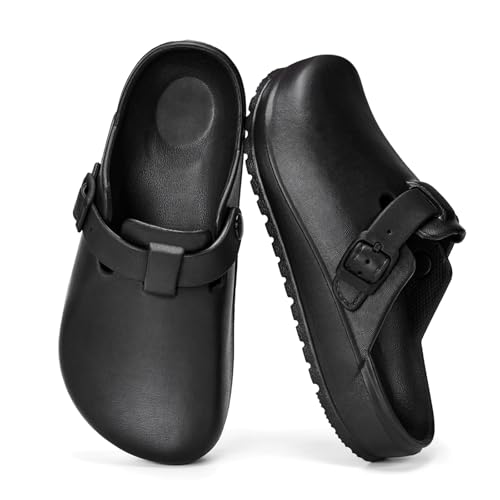
Who Should Buy Standing Shoes
Standing shoes suit anyone who spends most of a shift on their feet, including nurses, chefs, retail assistants, teachers, and warehouse staff. They also suit people who stand at home, such as home cooks and hobbyists at a workbench. If your feet ache daily after work, your current shoes probably lack the support a standing shoe provides.
People with flat feet, high arches, or sensitive heels benefit most from a structured standing shoe with proper arch support. If you have ongoing foot pain, swelling, or numbness, talk with your clinician about footwear and any underlying cause rather than relying on shoes alone. Good shoes help comfort, but they do not replace professional advice for persistent problems.
Cushioning That Lasts a Whole Shift
Cushioning in a standing shoe must last, since foam that feels soft in the morning can flatten by afternoon. Look for dense foam or gel inserts that rebound after each step rather than thin foam that compresses permanently. A removable insole helps, since you can replace it when it wears out instead of buying new shoes.
Heel cushioning matters most, because standing loads the heel heavily. A slightly raised, well cushioned heel reduces pressure, while a flat, hard heel tires feet quickly. Test shoes by standing in them for several minutes, not just walking a few steps, since standing comfort shows up differently from walking comfort. For general standing advice, see best shoes to wear for standing all day, and best shoes for standing walking all day covers shoes for days that mix standing and walking.
Support, Stability, and Fit
Support keeps your foot aligned through a long shift, which reduces strain on ankles, knees, and lower back. A firm heel counter holds the heel steady, while a supportive arch prevents the foot collapsing inward. Shoes with a wide base feel more stable than narrow shoes, especially on smooth floors.
Fit should be snug at the heel and midfoot with room for toes to spread, since swollen feet need space later in the day. Try shoes on in the afternoon when feet are largest, and wear your work socks. Laces or straps let you adjust fit as feet swell, which slip on styles cannot match. Sportier options include best tennis shoes for standing all day, best gym shoes for standing all day, and best athletic shoes for standing all day for people who also move quickly during shifts.
Slip Resistance and Workplace Safety
Many standing jobs involve smooth, wet, or greasy floors, so slip resistance is a safety feature, not a luxury. Look for rubber outsoles with a tread pattern designed for your floor type, and check any safety ratings that apply to your workplace. Kitchens, hospitals, and warehouses each present different slip hazards, so match the sole to your floor.
Some jobs also need toe protection, water resistance, or easy cleaning, so check your workplace rules before you buy. A shoe that meets safety rules and feels comfortable will serve you far better than a comfortable shoe that breaks the rules. Replace shoes once the tread wears smooth, since worn grip fails exactly when you need it most.
Budget Tiers and Value
At the lowest prices, you can find standing shoes with decent cushioning, though materials and durability may be basic. These suit part time workers and people testing what support they need. Check the insole and heel counter carefully, since those features decide comfort more than the outer style.
In the middle range, you gain longer lasting cushioning, better slip resistance, and sturdier build for daily shifts. This tier suits full time workers who stand every day. Above it, you pay for premium comfort systems and specialised safety features, which matter most to people with demanding jobs or sensitive feet.
Care and Daily Habits
Standing shoes last longer when you rotate two pairs, giving foam a day to recover between shifts. Air shoes out after work, and remove insoles to dry when they get damp. Washable shoes suit messy workplaces, while leather shoes need regular cleaning to stay smart and supple.
Simple daily habits help your feet as much as good shoes do. Shift your weight, stretch your calves during breaks, and sit when you can. If pain persists despite good shoes and sensible habits, talk with your clinician, since ongoing pain deserves proper attention rather than a new pair alone.
Easing Into Long Shifts in New Standing Shoes
New standing shoes deserve a gradual introduction, starting with shorter shifts or half days before a full week on your feet. Wear them around the house first, standing and walking for an hour at a time, and note any pressure points while you can still adjust lacing or swap insoles. A shoe that feels good after an hour at home will usually handle a shift, while early pinching rarely improves with stubborn persistence.
Shift routines matter as much as shoe choice, including brief seated breaks, calf stretches, and weight shifts that keep blood moving. Even the best shoe cannot replace movement, so walk a few steps when possible, roll your ankles during quiet moments, and elevate your feet during breaks. These small habits reduce swelling and tiredness noticeably across a long week.
Track how your feet feel across the first fortnight, noting whether soreness fades as shoes adapt or persists in one spot. Persistent pain in the same place may signal a fit issue, an insole mismatch, or a foot problem worth discussing with your clinician. Good standing shoes should make each week feel easier, not merely less painful than the last pair.
Frequently Asked Questions
What makes a shoe good for standing all day?
A shoe for standing all day offers lasting cushioning, firm arch support, a stable heel, and a roomy toe area. Dense foam or gel cushioning resists flattening, while a supportive midsole keeps your foot aligned. Slip resistant soles add safety on smooth floors, and adjustable laces let you adapt fit as feet swell. Comfort should hold from the first hour to the last, not fade by midday.
Are running shoes good for standing all day?
Running shoes can work for standing all day when they offer firm support and lasting cushioning, but many are built for bounce rather than steady standing. Very soft running shoes may feel great at first, then flatten and strain your feet over a long shift. Shoes designed for standing usually give better arch support and stability. Test any shoe by standing in it for a while before trusting it for a full shift.
Should I use insoles for standing all day?
Insoles help many people who stand all day, since they add cushioning and arch support tailored to your feet. Start with the shoe insole, and add a supportive insert when your arches ache or your heels feel sore. Replace insoles when they flatten, since worn insoles stop helping. If you have persistent foot pain, ask your clinician about custom options rather than guessing with shop bought inserts alone.
How do I reduce foot swelling after long shifts?
Reduce foot swelling by wearing shoes with room for toes, elevating your feet after work, and moving your ankles during breaks. Compression socks help some workers, though they suit not everyone, so check with your clinician when you have circulation concerns. Drink water through the shift and avoid standing perfectly still for hours when you can shift weight or walk briefly. Ongoing swelling deserves medical attention rather than home remedies alone.
When should I replace standing shoes?
Replace standing shoes when cushioning feels flat, the sole tread wears smooth, or your feet ache more than they did in the same shoes months earlier. Full time workers often need replacement sooner than occasional wearers, since daily use compresses foam faster. Check heel wear and sole grip monthly, and keep a spare pair ready so worn shoes do not catch you by surprise midweek.
Final Thoughts
Best affordable shoes for standing all day prove that long shift comfort does not require a luxury price. Use the product table above to compare cushioning, support, slip resistance, and fit against your workplace demands. The right pair should leave your feet noticeably better at the end of a shift, not merely less sore.
Try shoes on late in the day, rotate pairs when possible, and talk with your clinician when pain persists. With a careful choice and sensible daily habits, budget standing shoes can make every working day kinder to your feet.


