
Best Boots for All Day Standing: Comfort, Support, and Fit
Disclosure: We may earn a commission when you buy through links on this page, at no extra cost to you. As an Amazon Associate I earn from qualifying purchases. Learn more

How to choose the best boots for all day standing: cushioning, arch support, weight, and fit for long shifts on hard floors.
Standing for eight to twelve hours is hard on the feet, knees, and lower back, especially on concrete or tile. The right boot spreads pressure, supports the arch, and stays comfortable through the last hour of a shift. This guide explains how to choose the best boots for all day standing by cushioning, arch support, weight, fit, and sole, so you can buy a pair that works as hard as you do.
The product table lists current options. The sections below cover the details that decide how a boot feels at hour ten, not hour one.


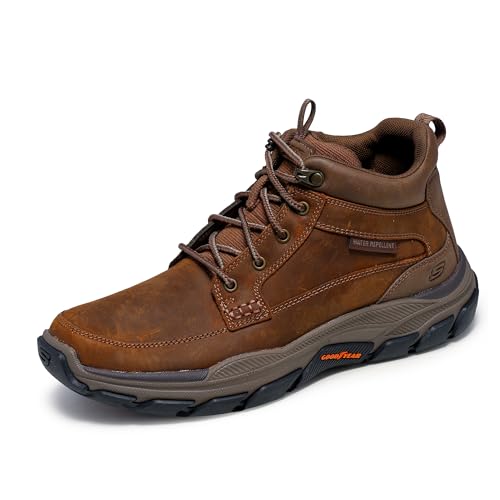


Why Standing Is Different From Walking
When you walk, load moves from heel to toe and the muscles keep circulation going. When you stand still, the same parts of the foot carry your weight for hours, blood pools in the lower legs, and the arch slowly fatigues. Hard floors add impact and give nothing back. That is why a boot that feels fine for a short walk can become painful on a long shift. A good standing boot gives steady support under the arch and heel, enough cushioning to take the edge off hard floors, and a wide, stable base.
Types of Boots for Standing
Cushioned work boots
Soft toe or composite toe work boots with a thick midsole and removable insole. They suit warehouses, retail, kitchens, and factories, and they give the most all-round comfort.
Safety toe boots
Steel and composite toe boots protect against impact. Composite toes are lighter and do not conduct cold. Choose them only if your job calls for protection.
Waterproof boots
Useful on wet floors, outdoors, and in food service. A waterproof lining adds some heat, so check breathability.
Slip-resistant boots
Kitchens, hospitals, and wet floors call for a soft rubber outsole with a slip-resistant rating. Look for the rating on the listing.
Lightweight athletic-style boots
Boots built on a sneaker platform with foam midsoles feel light and flexible. They suit people who walk and stand and do not need heavy protection.
Boot Types for Standing Compared
| Type | Best For | Watch For |
|---|---|---|
| Cushioned work boots | Warehouse, retail, general work | Break in time, weight |
| Safety toe boots | Jobs that require toe protection | Extra weight, narrow toe box |
| Waterproof boots | Wet floors, outdoor shifts | Warmer, slower to dry |
| Slip-resistant boots | Kitchens, hospitals | Soft soles wear faster |
| Lightweight athletic style | Walking and standing mix | Less protection |
Key Features to Compare
Cushioning
Look for a midsole with dense foam or a molded footbed. Very soft foam feels great at first but compresses by midday. A balance of cushion and firmness holds up better.
Arch support
A shaped footbed that matches your arch keeps the foot from sagging and reduces fatigue. Flat feet usually need a firmer, higher arch, while high arches benefit from cushioning under the heel and ball. A removable insole lets you swap in your own.
Weight
Every ounce is lifted thousands of times a day. Lighter boots reduce leg fatigue, but very light models may have thinner protection. Look for a good balance.
Fit and toe box
Feet swell during the day, so choose a boot with a thumb's width in front of the longest toe and a toe box that lets toes spread. A snug heel prevents blisters.
Outsole
A slip-resistant rubber outsole gives grip on wet or oily floors. A rocker-shaped or slightly raised sole can reduce strain on the forefoot.
Waterproofing and breathability
A membrane keeps feet dry, but sweaty feet are cold and uncomfortable. Leather with a breathable lining is a good compromise.
How to Get the Fit Right
- Try boots on in the afternoon, when feet are largest.
- Wear the socks you will wear at work.
- Stand on a hard floor for a few minutes and rock heel to toe.
- Check that the heel stays put and toes can move.
- Replace the stock insole with a supportive one if you need more arch.
Expect a break-in period of one to two weeks for leather boots, and alternate with another pair on shifts while the new pair softens.
Socks, Insoles, and Habits That Help
Good socks matter as much as boots. Choose cushioned, moisture-wicking socks, and carry a spare pair for long shifts. A supportive insole can transform an average boot. Shift your weight, stretch your calves, and take short breaks when you can. Anti-fatigue mats help where available, and so does changing your stance every few minutes. If you have ongoing foot, knee, or back pain, talk with a clinician or podiatrist about footwear and support that suits your feet.
Choosing the Best Boots for All Day Standing by Job
Warehouse and factory workers usually do best with cushioned safety toe boots and a slip-resistant sole. Retail and light industrial workers can choose lighter, athletic-style boots. Kitchen and healthcare staff need a slip-resistant, easy-to-clean boot. Outdoor workers benefit from waterproof leather with a lugged sole. Anyone on hard concrete should prioritize a thick midsole and a supportive insole over a lightweight upper.
Care and Replacement
Rotate between two pairs when you can, so foam recovers between shifts. Wipe off dirt, air dry, and condition leather every few months. Replace boots when the midsole stays compressed, the outsole wears smooth, or your feet start aching in a pair that once felt fine.
Choosing by Budget
Comfortable work boots range from about $70 to $300. Spend more where it matters: cushioning, an arch that fits, and durable construction. A $150 pair that lasts two years is often cheaper per shift than a $60 pair replaced every few months.
Common Mistakes to Avoid
- Buying on style or safety rating alone and ignoring cushioning.
- Choosing a size that is tight by the end of the day.
- Keeping the stock insole when you need more arch support.
- Wearing the same pair every day without rotation.
- Ignoring early pain that points to the wrong boot.
Related Guides
For related reading, see our guides to the best work boots for standing all day, the best women's boots for standing all day, and the best shoes for standing walking all day.
Frequently Asked Questions
What matters most in boots for all day standing?
Fit, arch support, and cushioning matter most, followed by weight and a slip-resistant sole.
Can I wear boots all day?
Yes, if the fit and support are right and you have gone through the break-in period.
Are expensive boots worth it?
They can be when the extra money buys better cushioning, construction, and fit. Price alone is not a guarantee.
How should boots fit for long shifts?
A snug heel, a thumb's width in front of your toes, and a toe box that lets toes spread, tried on late in the day.
How long is the break-in period?
Leather work boots often need one to two weeks. Lightweight athletic styles may feel right within a day or two.
Final Thoughts
Look for cushioning that does not collapse, arch support that fits your foot, and a stable, slip-resistant sole, and the best boots for all day standing will make long shifts easier. Use the product table above to compare current options and try new pairs with your work socks.


