
Best Bundt Pans for Pound Cake (2026): Materials and Sizes
Disclosure: We may earn a commission when you buy through links on this page, at no extra cost to you. As an Amazon Associate I earn from qualifying purchases. Learn more
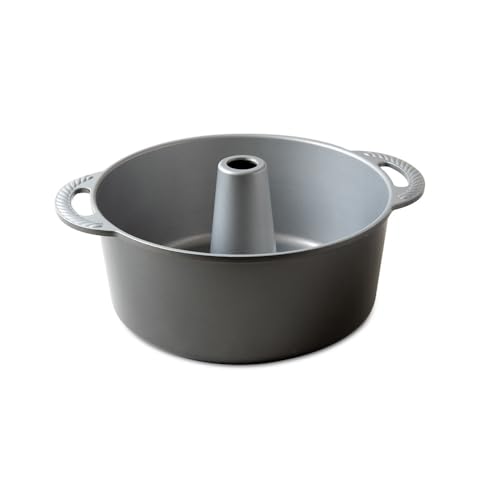
Capacity, material and finish decide success. Pick the best bundt pan for pound cake and learn how to grease it.
A pound cake is a simple batter with very little room to hide. If the pan heats unevenly, the crust browns too fast while the dense center stays underdone, and if the release fails, that pretty ring shape tears apart on the plate. Finding the best bundt pan for pound cake comes down to how the pan handles thick batter, how it fits your kitchen, and how your household bakes week to week.
This guide walks through sizes, materials, finishes, and budgets so you can match a pan to your space and routine. Start with the product table above, then use the checklist that follows. Our guide to the best bundt pan covers more shapes.

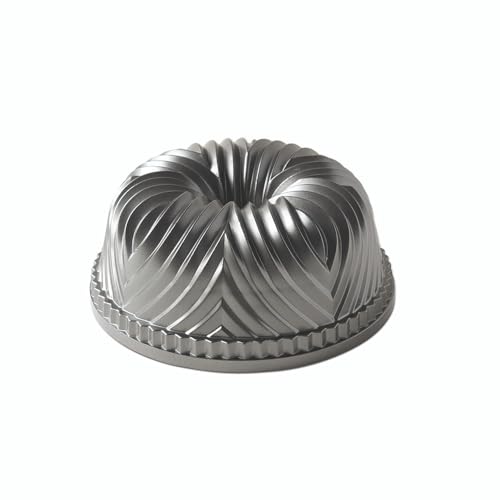
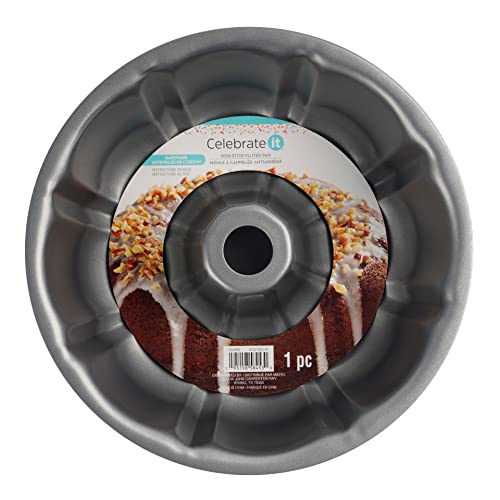
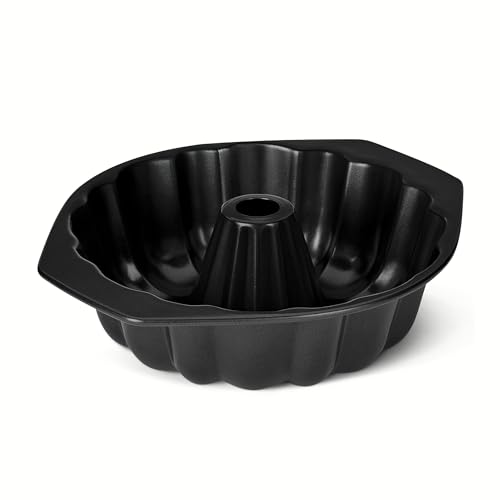

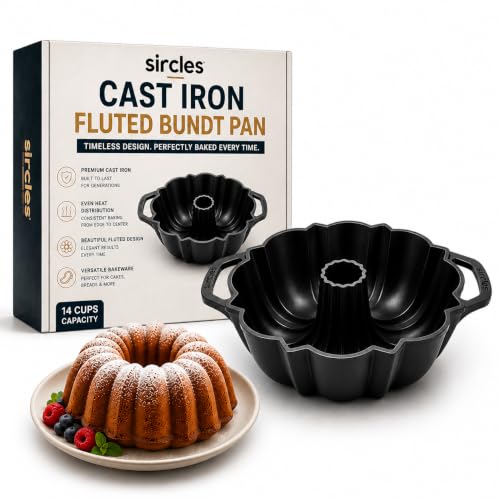

Quick Answer: How to Choose in 30 Seconds
For most homes, a 10 cup or 12 cup cast aluminum pan with a light finish is the safest starting point. That size holds a standard recipe with headroom to rise, and the metal heats dense batter evenly. Choose nonstick if easy release matters most, silicone if storage space is tight, and a 6 cup pan only if you regularly halve recipes. Keep that in mind when you pick the best bundt pan for pound cake.
Before You Buy: A Quick Checklist for Choosing a Bundt Pan for Pound Cake
Size: Match It to Your Space
Capacity is the first decision because pound cake batter is thick and heavy. A classic recipe built on a pound each of flour, butter, sugar, and eggs makes roughly 8 to 10 cups of batter, so a 10 cup pan is the minimum and a 12 cup pan gives safer headroom. A 6 cup pan suits half recipes, while a 15 cup pan only makes sense for doubled batches and large ovens. Check the outside diameter and height against your oven racks and storage shelf before you buy, because a pan that barely fits will crowd airflow and bake unevenly.
Which Type Fits Your Routine
Cast aluminum is the workhorse type, with thick walls that spread heat steadily and hold crisp detail. Nonstick versions add a coating that helps sugary crusts let go, which suits bakers who dread a stuck cake. Silicone pans flex for release and stack into small cabinets, though they need a baking sheet underneath when you carry heavy batter. Mini pans turn one batch into individual cakes for gifts, and ornate shapes trade some easy release for sharper decoration.
Light vs Dark Finish and Browning
Finish color changes how your crust behaves. Dark finishes absorb more heat, so the outside of a pound cake browns faster and can turn thick or bitter before the center sets. Light and natural metal finishes brown more gently, which suits long bakes at moderate heat. If you already own a dark pan, lower the oven temperature slightly and start checking for doneness a few minutes early. For a first purchase, a light finish is the more forgiving choice, especially with recipes high in sugar.
Oven Safe Temperature
Check the rated oven temperature before any pan goes on your list. Most metal pans handle cake temperatures with ease, but some coatings and silicone pans carry lower limits, often around 450 degrees Fahrenheit or below. Pound cake usually bakes between 325 and 350 degrees Fahrenheit, so the limit rarely blocks the recipe itself. It matters more if you plan to use the same pan for breads at higher heat.
Nonstick Coating vs Uncoated
A coating lowers the odds of a stuck cake and speeds up washing, but it is also the part of the pan that wears out first. Uncoated metal asks more of your greasing routine, yet it can serve for decades with nothing to peel or fade. If easy release on your first bakes is the priority, start with our guide to the best nonstick bundt pan and compare coating care needs. If you prefer durability over convenience, uncoated cast aluminum rewards careful preparation.
Realistic Budget Ranges
Under $20 usually buys a lighter stamped metal or basic silicone pan, fine for occasional baking if you grease it well. Spending about $20 to $40 moves you into heavier cast aluminum with better heat spread and sturdier rims. At about $40 to $60 you pay for thicker casting, more detailed shapes, and finishes built to resist warping. None of these tiers changes your recipe, so spend where it fixes your real problem, whether that is sticking, uneven browning, or a pan that feels flimsy under a heavy batter load.
Types Compared: Three Routes to the Right Pan
Best for Most Homes: Cast Aluminum in 10 to 12 Cup Sizes
This is the default route for a reason. Thick cast aluminum pulls heat evenly into a dense batter, so the crumb sets at a steady pace from the center tube outward. The weight feels stable when you lift a full pan, and the classic fluted shape gives pound cake its familiar ridges without tiny crevices that trap batter. A light interior finish keeps the crust golden rather than dark. For a household that bakes a few times a month, this type covers the most recipes with the fewest adjustments.
Best Value: Simple Nonstick or Silicone Pans
If you bake pound cake a few times a year, a simpler pan can be the smarter spend. Basic nonstick models release sweet crusts reliably while the coating is new, and silicone versions store flat in a drawer, which helps in small kitchens. Silicone fans can compare shapes in our guide to the best silicone bundt pan before deciding. The trade off is longevity and browning, since thin pans brown less evenly and coatings age. Treat this route as a low cost way to learn whether bundt baking fits your routine.
Best Long Term Investment: Heavy Uncoated Cast Pans
A heavy uncoated cast pan costs more up front and then asks very little of you for years. There is no coating to baby, the casting resists warping, and surface performance stays the same as long as your greasing habits stay consistent. This route suits bakers who make pound cake often or dislike replacing coated bakeware on a cycle. The honest trade off is effort. Release depends entirely on your preparation, and the pan is heavier to wash and store than the value options above.
Our Selection Process for the Best Bundt Pans for Pound Cake
This guide weighs five criteria that matter for dense cakes: heat distribution, food release, warp resistance, material safety, and cleaning effort. The comparisons draw on manufacturer specifications for capacity, dimensions, and temperature ratings, plus patterns in verified buyer feedback about sticking and browning. Each type above is judged on how its specs line up with what pound cake batter demands during a long bake.
Living With It: What Really Matters in a Bundt Pan for Pound Cake
Day to day success with a bundt pan is mostly about preparation and timing. Grease every ridge and the center tube with care, getting fat into the crevices and dusting lightly with flour, because pound cake batter grips detail as it sets. Our step by step guide on how to grease a bundt pan shows the full routine. Fill the pan no more than about two thirds full, tap it gently on the counter to settle thick batter, and let the cake rest for about 10 to 15 minutes before you turn it out, so the crumb firms up enough to hold its shape.
It also helps to know when a bundt pan is the wrong tool. A tube pan has straight sides and a removable bottom, which suits foam cakes that need support while cooling, while a bundt pan gives you a molded shape in one piece. The full comparison in bundt pan vs tube pan explains which pan fits which batter. For pound cake, the bundt shape wins on presentation and even baking, since the center tube shortens the distance heat must travel through the thickest part of the cake.
Common Buying Mistakes to Avoid
- Buying a 6 cup pan for a full recipe, so batter overflows and the cake bakes with a raw center.
- Choosing an ornate shape with deep narrow grooves for your first pan, so release fails and the design tears.
- Ignoring the pan height, so a tall pan touches the top element or blocks heat flow in a small oven.
- Paying for extras you will never use, while skipping the capacity your recipes need.
- Assuming a dark finish bakes the same as a light one, so the crust over browns before the crumb sets.
Cost of Ownership and Care
A bundt pan has almost no running cost, but care decides how long it earns its shelf space. Wash metal pans by hand with warm soapy water and a soft brush that reaches into the grooves, then dry them fully before storing. Our walkthrough on how to clean a bundt pan covers baked on residue without harsh scrubbing. Store the pan where other cookware cannot dent or scratch it, and skip cooking sprays on coated pans, because their additives build up into a sticky film that ruins release. The only repeat expense is replacing a coated pan once its surface wears, which is why uncoated metal often costs less across a decade of baking.
Your Questions, Answered
Which bundt pan material is most reliable for pound cake?
Cast aluminum has the strongest track record for pound cake because its thick walls heat evenly and hold up for years without a coating to wear away. Reliability also depends on shape, since plain fluted designs release more predictably than intricate patterns. Pair that material with careful greasing and you get consistent results across many recipes and ovens.
How do you clean a bundt pan after a cake sticks?
Fill the pan with warm water and a little dish soap and let it soak for about 20 to 30 minutes, which loosens most stuck crust without force. Work a soft bottle brush into the grooves, rinse, and repeat the soak rather than reaching for abrasive pads. For a stubborn spot, a paste of baking soda and water left on for 15 minutes helps lift residue. Dry the pan upside down so water drains out of the center tube area.
Is a bundt pan worth it for pound cake?
Yes, if you bake pound cake more than once or twice a year, because the center tube solves the main problem of this cake, a dense middle that lags behind the edges. A loaf pan works, but the thick center takes longer to set and the top often domes and cracks. A bundt pan also turns the cake out presentation ready with no frosting needed. If you bake rarely, buy a value tier pan first and upgrade only if the habit sticks.
How long does a bundt pan last?
An uncoated cast aluminum pan can last for decades, and many home bakers use one pan for their whole lives. Coated pans have a shorter working life because the surface slowly wears, and release quality fades first, often after several years of regular use. Silicone sits in between, staying flexible for a long time but picking up odors and stains. Retire any pan that warps so it rocks on the rack, since uneven contact means uneven baking.
What should I look for in a bundt pan for pound cake at the store?
Beyond size and material, check three things in person. Look at the interior under bright light, because scratches or thin spots in a coating predict sticking later. Grip the handles with oven mitts on to confirm you can lift a heavy, hot pan safely. Finally, set the pan on a flat counter and press each side. Any rocking means the rim is uneven, which points to warping risk and lopsided cakes.
Final Thoughts
Match the pan to your household and the rest takes care of itself. A 10 cup or 12 cup cast aluminum pan in a light finish serves most homes, value nonstick or silicone pans suit small kitchens and rare bakers, and heavy uncoated cast rewards frequent baking for years. Whichever route you take, the best bundt pan for pound cake is the one sized to your recipes, light enough to handle when full, and easy for you to grease and clean. Check the product table above before you order, and confirm the capacity against your oven one last time.


