
Best Building Sets for 3 Year Olds: A Parent Buying Guide for 2026
Disclosure: We may earn a commission when you buy through links on this page, at no extra cost to you. As an Amazon Associate I earn from qualifying purchases. Learn more

A parent guide to building sets for 3 year olds: large safe pieces, fine motor play, storage, and the features that keep toddlers building happily.
Three year olds build to explore, not to follow complex plans, so the right set favors large pieces, bright colors, and satisfying connections over tiny parts and detailed instructions. The best building sets for 3 year olds support stacking, sorting, knocking down, and rebuilding, all of which build fine motor skills and early problem solving. The comparison table below gives a quick side by side view, and this guide explains safety, size, and play value for toddlers.
At this age, frustration tolerance is low and curiosity is high. A set that clicks together easily and comes apart without a struggle will get played with daily, while a set with fiddly connections will be abandoned quickly. Choosing for the child developmental stage, rather than for an older sibling interests, keeps building joyful.
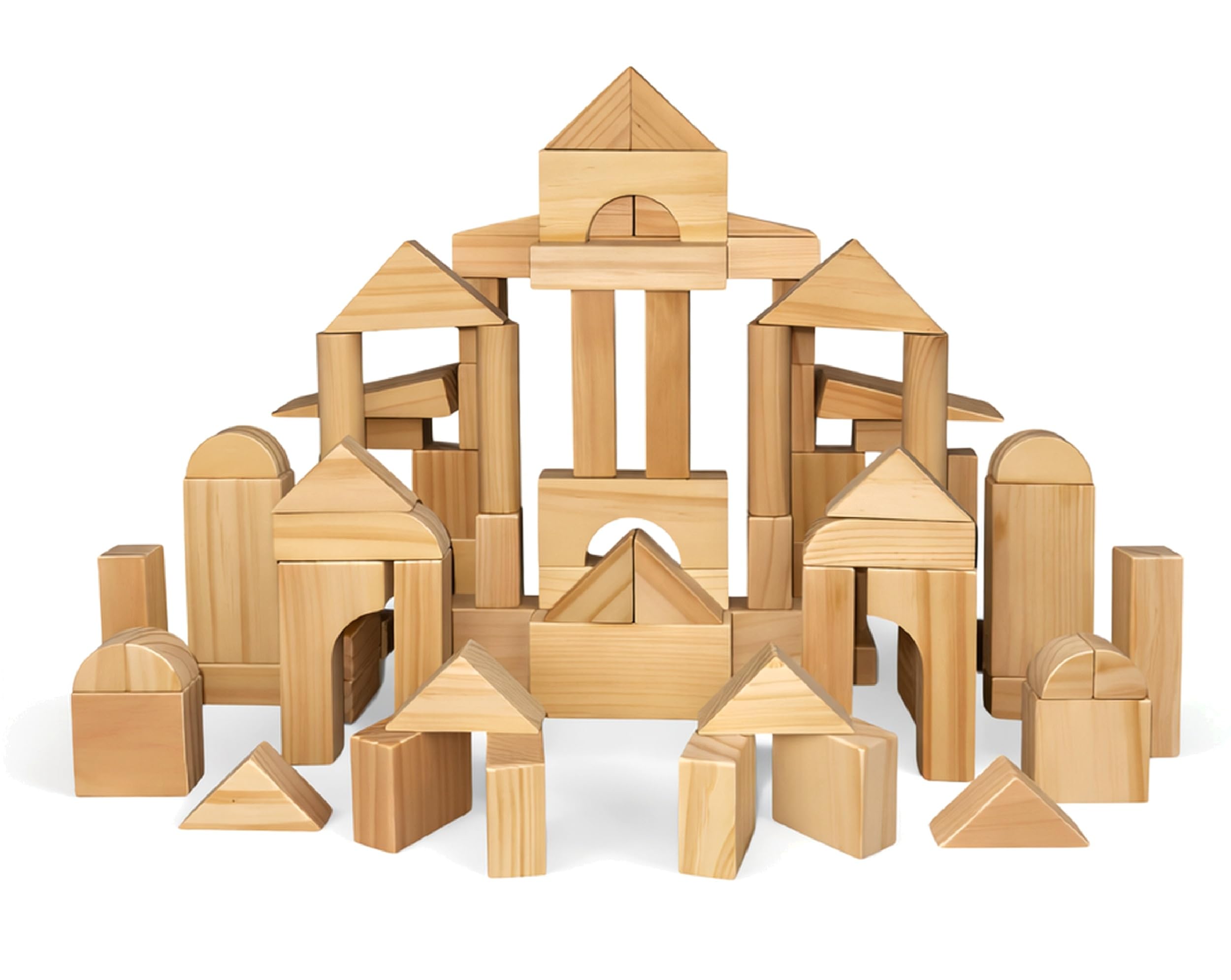


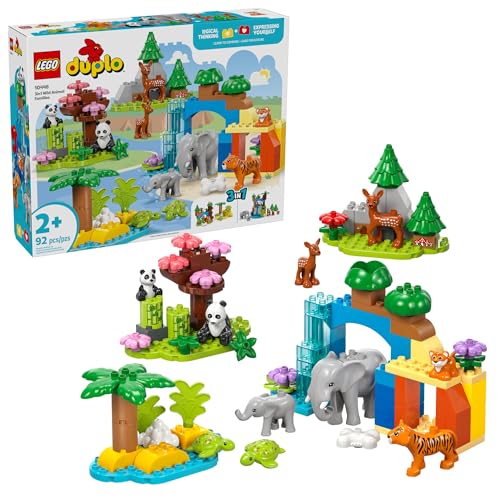
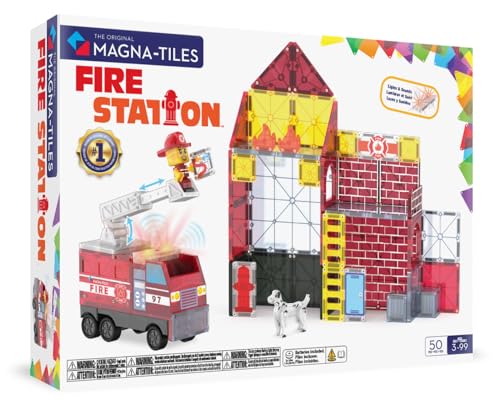

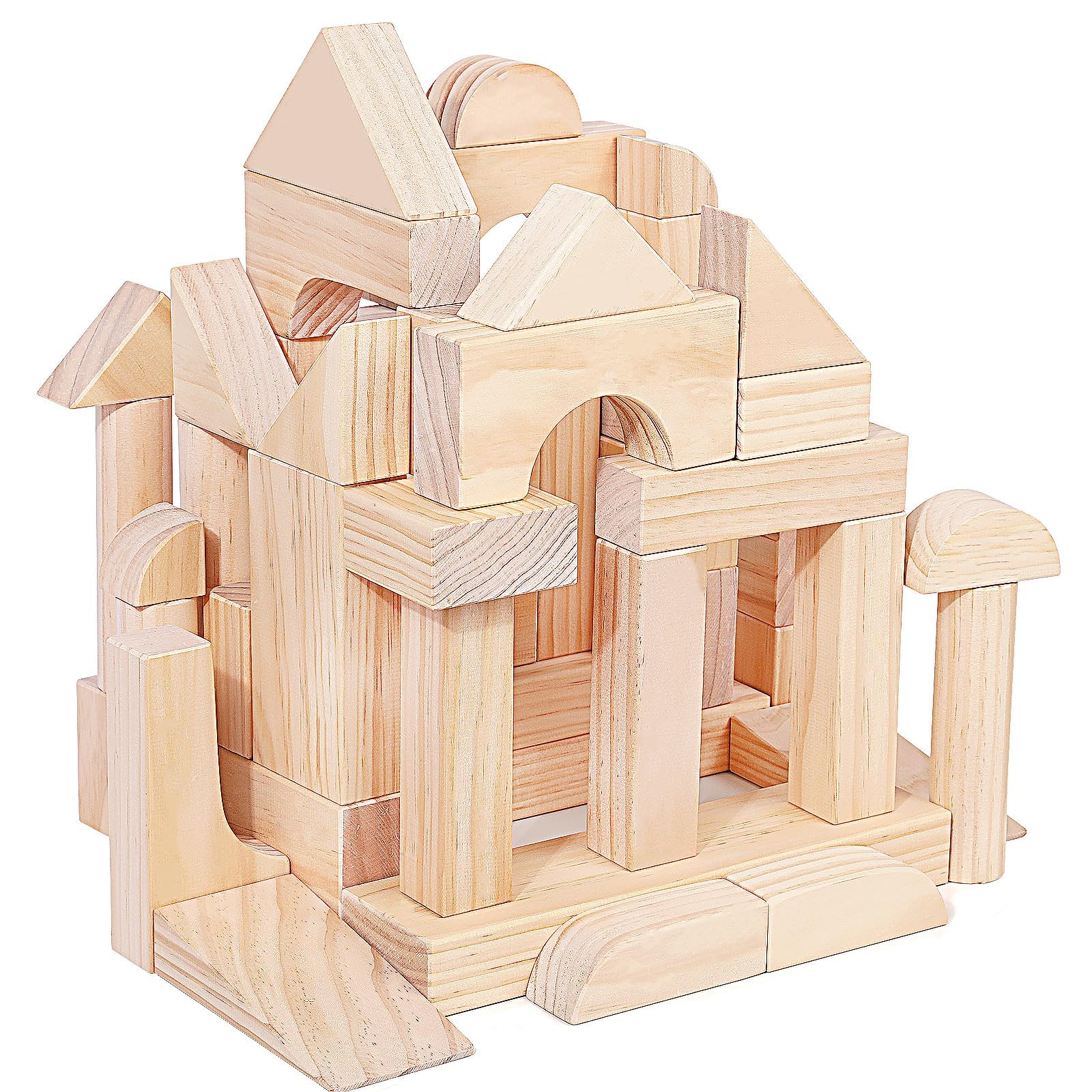


Safety First: Size and Materials
Safety starts with piece size. Pieces should be large enough that they cannot fit entirely in a mouth, since toddlers still mouth objects during play. Check age labeling carefully and inspect pieces for sharp edges, loose small parts, and weak joints that could break under enthusiastic play. Reputable makers test for toddler use, and that testing matters more than colorful packaging.
Materials also matter. Sturdy plastic, wood, and foam all suit toddlers when well made, though each feels different: wood offers weight and warmth, plastic offers bright colors and easy cleaning, and foam suits quiet indoor play. Whichever material you choose, check that paint and finishes are non toxic and that pieces survive drops, throws, and the occasional step without splintering or cracking. Supervise play, especially with younger siblings nearby, and store sets out of reach of babies.
Piece Size, Grip, and Connection Ease
Three year olds grip with whole hands rather than precise fingers, so larger bricks and chunky connectors suit them far better than small studs. Look for pieces that press together with light force and pull apart without adult help, since independence builds confidence. A set that a child can use alone, after a short introduction, will see far more play than one that needs constant adult rescue.
Also consider the number of pieces. A modest set of larger pieces often beats a huge box of tiny parts for this age, since toddlers lose small pieces quickly and feel overwhelmed by too much choice. Start with a core set, watch which shapes your child reaches for most, and expand with compatible pieces in those shapes rather than buying the largest box available.
Play Value Beyond Stacking
Good toddler building sets support more than towers. Children sort by color, build enclosures for toy animals, create roads for cars, and invent stories around structures. Sets with varied shapes, such as arches, wheels, and flat plates, invite that open ended play, while sets limited to identical bricks can feel repetitive sooner.
Watch how your child plays before expanding. If they love vehicles, wheel pieces and ramps add value. If they love animals, figures and enclosures extend play.
If they love knocking things down, sturdy pieces that rebuild quickly matter most. Following the child lead keeps building sets relevant as interests grow through the preschool years. Older age options are compared in our guides to best building sets for 5 year olds and best building sets for 7 year olds.
Storage, Cleaning, and Daily Reality
Storage decides whether a set stays in rotation or becomes floor clutter. A single bin or bag that a toddler can fill independently makes tidy up part of play rather than a battle. Label the bin with a picture for pre readers, and keep the set in one place so pieces do not migrate around the house and get lost.
Cleaning should be simple. Plastic pieces wipe or wash easily, wood needs a damp cloth rather than soaking, and foam may need airing after spills. Check the set regularly for damaged pieces and remove any that crack or loosen, since toddlers test toys hard. A well stored, well maintained set lasts through the preschool years and often passes to younger siblings.
Growing With Your Child
A good toddler set should grow for at least a year or two. Compatible expansion pieces, such as extra plates, figures, or themed additions, let the same core set support more complex builds as fine motor skills improve. That growth path offers better value than a set tied to a single narrow theme that a child outgrows quickly.
Also think about playmates. Sets that work for parallel play, where two children build side by side without fighting over scarce special pieces, suit playdates and siblings. Duplicates of popular pieces, such as wheels or figures, reduce conflict and keep building social rather than stressful. Lego style options for this age are covered in our guide to best lego sets for 3 year olds.
A Final Check Before You Buy
Before you buy, check age labeling, piece size, and connection ease, and confirm the set suits your child hand strength and interests. Count pieces realistically for your storage space, and plan a bin or bag from day one. Those practical checks prevent most toddler toy disappointments.
Introduce the set with a short joint build, then step back and let your child lead. The best toddler building play looks messy, repetitive, and joyful, with towers falling as often as they rise. The product table above summarises set types, and your child play style will narrow them to the right box.
Building Together: Play Ideas for Parents
Building together with a toddler works best when the adult follows the child lead rather than directing a perfect model. Start by sorting pieces by color or shape, then build a simple tower together and celebrate knocking it down, since destruction is part of toddler learning. Narrate what you do in simple words, naming colors, shapes, and actions, which builds language alongside motor skills.
Story play extends building naturally. Build a house for a toy animal, a garage for cars, or a bridge for figures, and let the child decide what happens next. Resist correcting a wobbly structure unless safety demands it, since a child solution, even an unstable one, teaches more than an adult perfect build. Praise effort and ideas rather than neatness, and keep sessions short, ending while play still feels joyful.
As confidence grows, introduce gentle challenges such as building as tall as a book, making a bridge that spans a toy, or sorting pieces before building. Those small goals stretch problem solving without pressure. End each session with a shared tidy up, using the picture labeled bin, so building stays a complete, satisfying routine from start to finish.
Frequently Asked Questions
What piece size is safe for a 3 year old?
Pieces should be large enough that they cannot fit entirely in a mouth, since toddlers still mouth objects. Check age labeling, inspect for sharp edges and loose small parts, and supervise play, especially with younger siblings nearby. Larger bricks and chunky connectors suit toddler hands best.
How many pieces should a toddler set have?
A modest set of larger pieces often beats a huge box of tiny parts for 3 year olds, who lose small pieces quickly and feel overwhelmed by too much choice. Start with a core set, watch which shapes your child uses most, and expand with compatible pieces in those shapes.
Are wooden or plastic building sets better for toddlers?
Both work well when well made. Wood offers weight, warmth, and durability, while plastic offers bright colors and easy cleaning. Choose based on your child preferences and cleaning needs, and check that finishes are non toxic and pieces survive drops without splintering or cracking.
How do I store a toddler building set?
Use a single bin or bag that a toddler can fill independently, labeled with a picture for pre readers. Keeping the set in one place prevents pieces migrating and getting lost. Tidy up becomes part of play when the container is easy to use and always in the same spot.
Will a 3 year old set last into age 4 and 5?
A good set with compatible expansion pieces can grow for a year or two, supporting more complex builds as fine motor skills improve. Expansion plates, figures, and themed additions extend play value. Sets tied to a single narrow theme are often outgrown faster.
Final Thoughts
Toddler building sets should prioritize large safe pieces, easy connections, and open ended play over complexity or piece count. A well chosen core set supports stacking, sorting, stories, and rebuilding, all while building fine motor skills and confidence. The product table above compares set types, and your child play style will guide the final choice.
Start modest, store simply, and follow your child lead as interests grow. That approach keeps building joyful through the preschool years and offers far better value than the largest box on the shelf. It is the heart of choosing the best building sets for 3 year olds for happy daily play.


