
Best Building Sets for 6 Year Olds: Every Type Explained Side by Side for 2026
Disclosure: We may earn a commission when you buy through links on this page, at no extra cost to you. As an Amazon Associate I earn from qualifying purchases. Learn more

Match piece size, difficulty, and price to your child with this guide to the best building sets for 6 year olds, compared by type.
Six year olds can follow picture instructions, plan a simple structure, and stick with a build for half an hour or more, yet sets vary a lot in piece size, difficulty, and staying power. This guide compares the best building sets for 6 year olds by type, so you can match the format to your child instead of guessing from a box photo. Use the comparison table below to see how the main types differ at a glance.
Age six sits between simple stacking and true model building. The right set stretches new skills without causing tears at step three. The wrong set either bores your child in a week or frustrates them on day one, so type matters more than piece count alone.

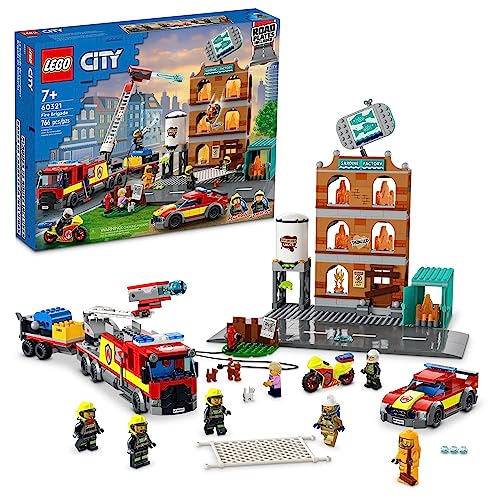
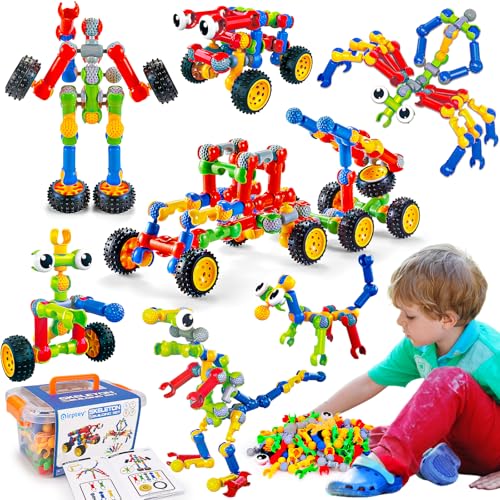


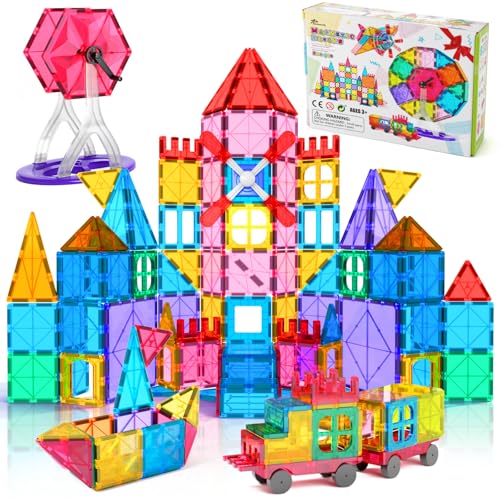
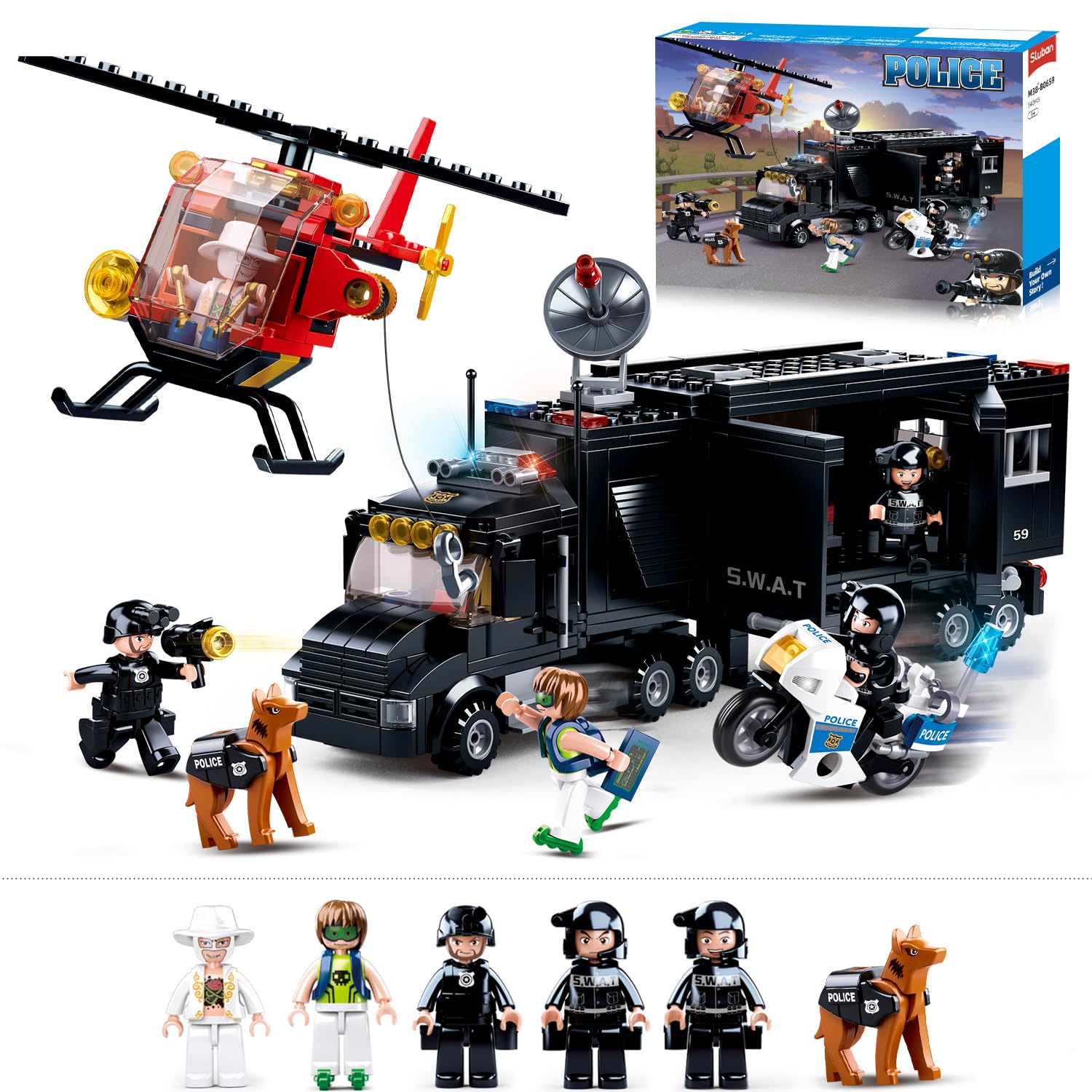


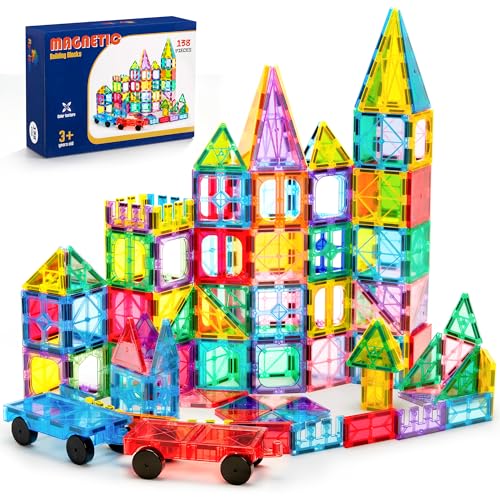
Types of Building Sets Compared
Building sets for this age fall into three broad price and size groups. Compact options travel well and cost less. Mid range options give the richest mix of pieces and ideas. Premium options add specialty parts, larger builds, and longer projects. The sections below explain how each group works, where it shines, and where it falls short.
Compact Options
Compact sets usually hold about 50 to 150 pieces in a small box or tub. They suit short builds such as a car, a small house, or a simple animal, and they work well for travel, waiting rooms, and quiet time at a restaurant. Storage is easy because everything fits back into one container.
The limits show up fast for eager builders. Fewer pieces mean fewer rebuild ideas, and a child who builds daily may finish every pictured model within a week. Compact sets make a smart first purchase or a low cost add on, but they rarely serve as the only set in the house for long.
Mid Range Options
Mid range sets typically include about 200 to 500 pieces, a mix of basic parts and specialty pieces, and an idea booklet with several models. This is the sweet spot for most six year olds because the piece mix supports both guided builds and free building. Your child can follow instructions on Monday and invent a castle on Friday.
Value is the main strength here. Cost per piece is usually the lowest of the three groups, and the variety keeps interest alive for months. The drawback is storage, since a few hundred pieces need a real bin with a lid. For most families, this group offers the best balance of price, features, and durability.
Premium Options
Premium sets often contain 600 or more pieces, themed parts, or moving elements such as wheels, hinges, and simple gears. Builds take longer, sometimes across two or three sessions, which suits children who love a project. Finished models also tend to look more detailed, which matters to kids who display their work.
The trade off is price and complexity. A frustrated child gains little from a set that needs adult help at every step, and small specialty parts are easy to lose. Choose premium when your child already finishes mid range builds alone and asks for more challenge, not as a first set.
Compact Options vs Mid Range Options: Which Should You Choose?
Start with building time. Compact sets fill 10 to 20 minutes, while mid range sets hold attention for 30 to 60 minutes. Next, consider space. A compact box fits a backpack, but a mid range tub needs shelf room. Then weigh growth. Compact pieces get outgrown sooner, while mid range mixes stay useful as skills rise.
Budget points the same way. A compact set at around $15 to $30 tests interest at low risk. A mid range set at around $35 to $70 costs more upfront but usually delivers far more building hours per dollar. If your child already builds several times a week, skip straight to mid range. If building is a new interest, start compact and upgrade later.
How to Choose the Right Building Set
Intended Use and Who It Is For
Decide who will build most often. A child who builds alone needs clear picture instructions and pieces that connect without much hand strength. A child who builds with siblings needs enough pieces for two projects at once. If the set is a gift, think about the home it enters, because a huge tub can overwhelm a small apartment.
Also match the set to temperament. Patient kids enjoy longer guided builds. Active kids often prefer sturdy pieces they can rebuild quickly and play with right away. If you are shopping a year ahead for a younger child, see our guide to the best building sets for 5 year olds for simpler formats that build early confidence.
Size, Weight, and Fit for Your Space
Piece size matters for both comfort and safety. Standard small bricks suit most six year olds, while larger chunky pieces feel babyish to many kids this age. Check the finished model size too. A wide baseplate build needs table space, and a tall tower needs a spot where it will not get knocked over daily.
Storage deserves a plan before you buy. Sets that include a sturdy box or tub get put away more often and lose fewer pieces. Loose bags and flimsy cartons spill and frustrate. Measure your shelf or bin space if you expect the collection to grow, because a second and third set usually follow a successful first one.
Features That Matter for 6 Year Olds
Look for instructions with one clear step per picture and a parts list for each model. Six year olds can track about five to eight steps before needing a pause, so booklets that break builds into stages help. Wheels, doors, and figure pieces add play value after the build, which extends interest well beyond construction time.
Safety needs attention at this age. Follow the age label on the box, since sets rated for older kids may include very small parts. Small parts are a choking hazard for younger siblings under three, so store pieces off the floor and away from toddlers. If a piece cracks or a sharp edge appears, remove it and supervise play until you can replace it.
Price vs Value
Budget sets under around $25 work for testing interest and for party gifts. Mid range sets around $35 to $70 usually give the best value, with more pieces, better sorting, and idea books. Premium sets above around $80 should earn their price through specialty parts, larger builds, or themes your child loves deeply.
Judge value by rebuilding potential, not box size. A set with varied basic pieces in many colors supports hundreds of free builds. A set built around one large molded piece may look impressive yet rebuild poorly. Warranty terms and easy access to replacement pieces also add quiet value over years of use.
Build Quality and Materials
Good pieces connect firmly, come apart without a struggle, and feel consistent from piece to piece. Poor quality parts either fall apart during play or grip so tightly that small hands cannot separate them. Plastic should feel solid rather than thin and bendy, with smooth edges and even color.
Compatibility is part of quality too. Sets that connect with major standard brick sizes can grow with pieces you already own. If your child loves classic bricks in particular, see our guide to the best lego sets for 6 year olds for brick specific advice. Whatever type you choose, check that the maker lists the material and age grade clearly on the box.
Picking the Right Building Sets for Different Uses
Different homes need different sets. Apartment families often do best with a mid range tub that closes tightly. Families with a playroom can handle premium builds that stay on display. For travel, a compact set in a zip case beats any large box. Think about where building will actually happen in your week.
Best Building Sets for 6 Year Old Boys
When you shop for best building sets for 6 year old boys, focus on action features rather than color themes. Vehicles, working wheels, ramps, and simple launch or lift elements tend to hold interest because the finished build becomes a toy to play with. Sturdy pieces matter too, since play built models get driven, crashed, and rebuilt often. Choose a set with extra wheels and connectors so repairs and new designs stay easy.
How to Make Your Building Set Last Longer
Read the manual before first use and keep the idea booklet with the set, since lost instructions shorten a set life. Clean and inspect pieces regularly. Warm soapy water works for most plastic pieces, and you should dry them fully before storage. Store the set in a dry place in a closed bin, away from heat vents that can warp plastic.
Set one simple house rule: pieces stay on the table or tray, not the floor. This cuts loss, keeps parts away from pets and toddlers, and makes cleanup fast. Sorting by color or type into small compartments also speeds up building and teaches care habits. For a child who is nearly ready to move up, see our guide to the best building sets for 7 year olds to plan the next step.
Frequently Asked Questions
What features matter most in building sets for 6 year olds?
Clear picture instructions, pieces that connect with moderate hand strength, and a good mix of basic and play pieces matter most. Wheels and doors extend play after building. Also favor sets with a parts list per model, because it teaches your child to check pieces before starting, a habit that prevents most mid build frustration.
How do I maintain a building set?
Wash plastic pieces in warm soapy water when they get sticky, rinse well, and air dry fully before closing the bin. Check monthly for cracked pieces and remove them. Keep the instruction booklet in a folder or inside the lid. A quick piece count after big builds helps you spot losses while the missing part is still nearby.
How long does a building set last?
A quality plastic building set lasts many years of regular play, often long enough to pass to younger siblings. Interest usually lasts one to three years per set at this age, shorter than the pieces themselves. Sets lose life mainly through lost pieces and lost booklets, so storage habits decide real lifespan more than material does.
How much should I spend on a building set?
Most families do well spending around $35 to $70 on a main set for a six year old. Under around $25, expect a smaller piece count suited to testing interest. Above around $80, spend only when your child builds often and wants longer projects. One mid range set plus one compact travel set often beats a single premium box.
What features matter most when buying building sets?
Piece compatibility, instruction clarity, and rebuild variety matter most across all ages. Check that new pieces connect with sets you already own. Favor varied basic pieces over many single use molded parts. If cousins or friends bring much younger children to your home often, review the best building sets for 3 year olds and the best building sets for 4 year olds for larger piece formats that are safer around toddlers.
Are expensive building sets worth it?
Expensive sets are worth it when the extra cost buys more varied pieces, sturdier plastic, or longer guided projects your child will truly finish. They are not worth it when the price reflects one large theme piece or a license your child barely knows. Match the spend to building habits you already see, not habits you hope will appear.
Our Verdict
For most families, a mid range set with clear instructions, varied pieces, and a solid storage tub is the safest first choice. Go compact for travel and trial runs, and go premium only when your child finishes builds alone and wants more. Compare the options in the product table above, and remember that the best building sets for 6 year olds are the ones your child rebuilds again and again. If small parts or a health concern affect your child, talk with their clinician about personal needs before you buy.


