
Best Budget Elliptical for Home Use: Every Type Explained Side by Side for 2026
Disclosure: We may earn a commission when you buy through links on this page, at no extra cost to you. As an Amazon Associate I earn from qualifying purchases. Learn more

Compare each type's pros and cons, ideal users and price range to choose the best budget elliptical for home use.
Elliptical listings can look nearly identical in photos, yet the stride, drive layout, and frame size change how each type feels in a real room. Choosing a best budget elliptical for home use gets easier once you sort machines by type instead of by price tags alone.
This guide explains each type in plain terms, compares the two most popular budget styles head to head, and walks through fit and space checks. Use the comparison table below to spot the differences quickly, then read the sections that match your home and your height.
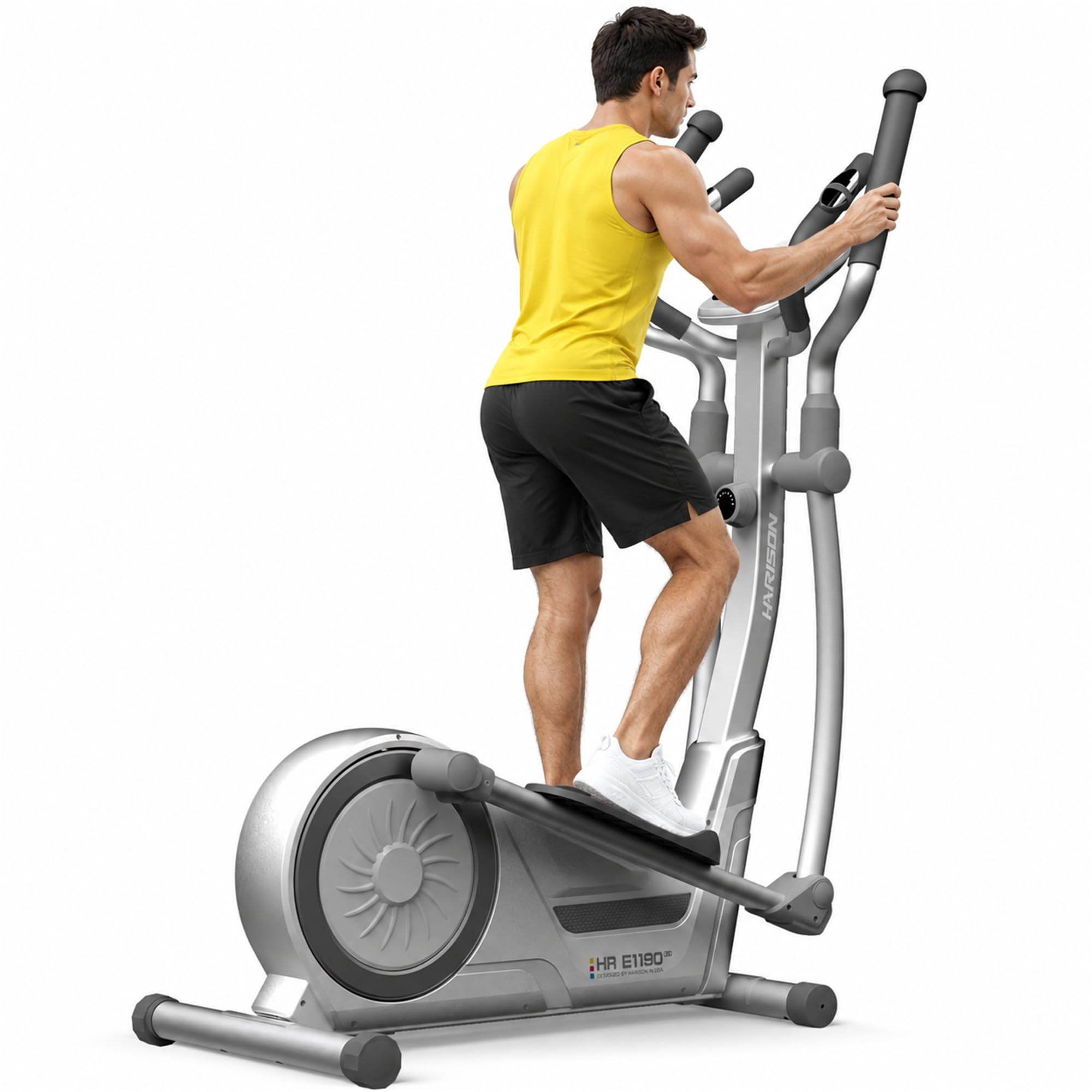


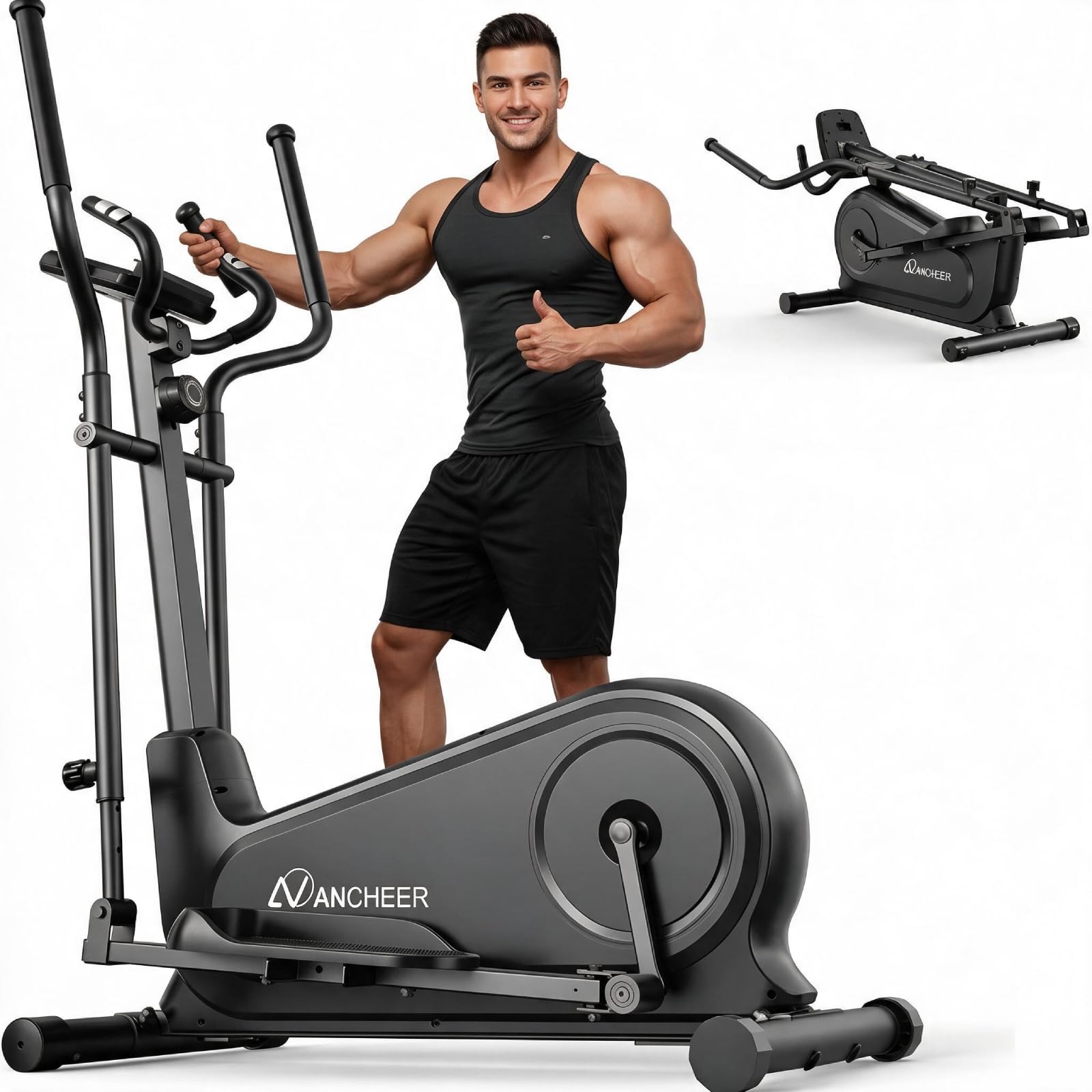
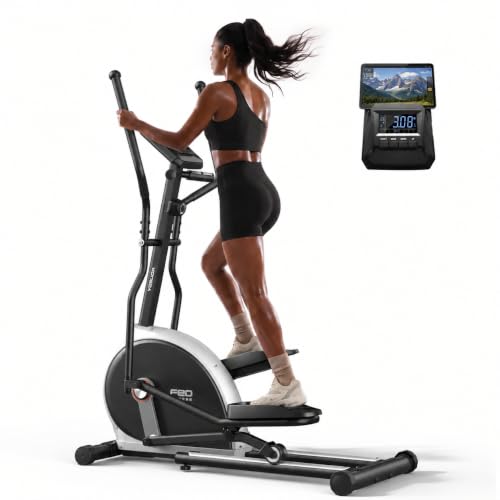


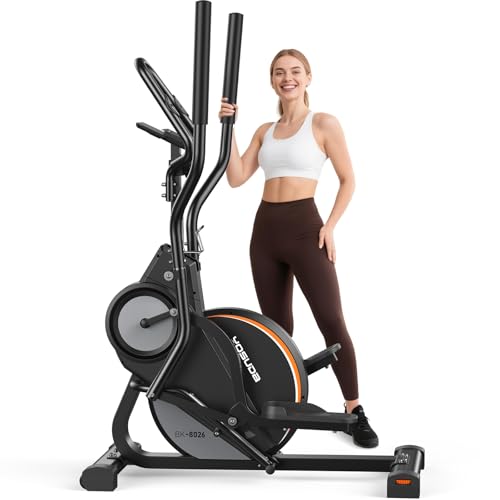
Types of Ellipticals Compared
Most budget ellipticals share magnetic resistance, but they differ in where the flywheel sits, how long the stride runs, and whether the frame folds or stays fixed. Those design choices decide comfort for your joints, noise in your home, and how much floor the machine claims every day. The three types below cover the budget market.
Compact and Folding Models
Compact models use a shorter frame and a stride that often runs sixteen to eighteen inches, while folding models hinge or roll away to free floor space. They suit apartments, bedrooms, and multipurpose rooms where exercise gear must share space with daily life. The main limits are stability during fast efforts and a stride that can feel short if you are tall.
If storage is your deciding factor, this type is the practical answer. Check the folded dimensions and the weight you must lift or roll, because a folding feature only helps if you can use it without strain. Transport wheels, a secure lock, and a handle in the right spot make daily setup far more likely to happen.
Budget Starter Models
Starter models keep a fixed full size frame but trim the console, programs, and finish to hold the price down. You get the standard elliptical motion, adjustable magnetic resistance, and basic workout feedback. The stride is often a step up from compact models, which helps average height users move naturally without paying for premium extras.
This type fits first time buyers with a dedicated corner for the machine. You trade away Bluetooth and incline, but you gain a steadier feel for the money. If you want context on higher rated fixed frame options, see our guide to the best rated elliptical for home use and compare stride and capacity figures.
Commercial Grade Models
Commercial grade models bring heavier frames, longer strides of twenty inches or more, and parts rated for many hours of daily use. At home they feel planted and quiet, with smooth motion even under strong effort. The costs are money, weight, and space, since these machines rarely fold and can be hard to move once assembled.
Choose this type if several adults will share the machine, if you are tall or heavy, or if you plan long daily sessions for years. For most single user homes it is more machine than needed, but the durability is real. Our guide to the best commercial elliptical for home use explains when that extra build quality earns its price.
Compact and Folding Models vs Budget Starter Models: Which Should You Choose?
Compare storage first. A folding model wins when the room must return to normal use after workouts, while a starter model wins when a fixed spot is available and you want maximum stability per dollar. Next compare stride length against your height, because compact strides below eighteen inches can feel rushed for users over about five feet nine inches tall.
Then weigh assembly and daily effort. Folding mechanisms add parts that need care, while starter frames assemble once and stay put. Finally, consider noise and floor protection. Both types run quietly on a mat, but a heavier fixed frame usually creaks less over time. Your room layout, not the sale price, should settle this choice.
How to Choose the Right Elliptical
Assembly and Portability
Most budget ellipticals arrive in one large box and take one to two hours to assemble with a second person helping. Count the parts and read the manual length before buying if you plan to build it alone. Portability depends on transport wheels and total weight, so test the tilt and roll path in your mind, including door widths and turns. A machine you cannot move for cleaning will gather dust and small problems underneath.
What You Can Realistically Get on a Budget
For around $350 to $650 you can expect magnetic resistance, a stride near eighteen inches, and a frame that feels steady at moderate pace. You will usually give up power incline, a large display, and app based coaching. Below around $350, strides shorten and capacities drop, so check those numbers closely. Spend first on fit and frame, because screens cannot fix a stride that strains your hips or knees.
Space, Footprint, and Ceiling Height
Allow about six to seven feet of length, two to three feet of width, and two feet of open space behind the pedals for safe entry and exit. Your head height on the machine equals your height plus roughly fourteen to seventeen inches, so measure low ceilings, basement beams, and ceiling fans. Keep the power cord, if any, away from the pedal path. Good clearance makes workouts feel relaxed instead of cramped.
Stride Length, Range of Motion, and Ergonomics
Stride length should match your natural gait. Users under about five feet four inches often do well at sixteen to eighteen inches, average height users at eighteen to twenty inches, and tall users at twenty inches or more. Pedals should sit close together for natural hip alignment, and handlebars should let you stand tall without hunching. If possible, mimic the motion in a store or watch the pedal path in listing videos before ordering.
How to Make Your Elliptical Last Longer
Use a mat to protect floors and reduce noise, and place it on a level surface so the frame does not rock and loosen its own bolts. Wipe down the frame, handles, and console after each workout, because sweat corrodes metal and clouds displays over time. Tighten bolts monthly, especially at the pedal arms and stabilizers. Every few months, vacuum around the flywheel cover and check pedal straps or surfaces for wear, replacing small parts early before they affect the motion.
Choosing between trainer styles also affects upkeep access and part layout. If you are still comparing formats, see our guide to the best elliptical trainer for home use for notes on drive position and stride feel.
Frequently Asked Questions
How long does a budget elliptical for home use last?
A budget elliptical typically lasts five to eight years of regular use, and longer with consistent basic care. The most common wear points are pedal bearings, small rollers, and console batteries. Keeping bolts snug prevents the wobble that accelerates wear on joints. If a model offers readily available spare parts and a clear parts diagram, that is a strong sign it was designed to be maintained rather than replaced.
Which budget elliptical type is better for beginners?
A starter model with a fixed frame is better for most beginners because it feels stable while you learn posture and pacing. Its simple console keeps the focus on time and effort instead of menus. Beginners in small homes can still choose a folding model, but should confirm the stride fits their height. Start with ten to fifteen minute sessions and build gradually to protect joints and confidence.
Is a subscription required for a budget elliptical for home use?
No, a subscription is not required on most budget models, and manual resistance control works with no account or app at all. Only connected consoles tie extra classes or advanced tracking to a paid plan. Read the listing for phrases about required activation, because that detail decides whether the screen stays fully useful. When in doubt, favor models whose built in programs are listed clearly.
How much space does a budget elliptical for home use need?
Most models need about six to seven feet of floor length during use, plus head clearance of your height plus about fifteen inches. Folding models reduce storage length but need the same room while you exercise. Measure the delivery path as well, including stair turns and door frames. Leaving a small gap on all sides also makes cleaning and bolt checks far easier.
Is a budget elliptical for home use quiet enough for an apartment?
Yes, magnetic models are among the quietest cardio machines, with a soft mechanical hum and no foot strike impact. Noise problems usually trace back to loose assembly bolts or an uneven floor, both of which you can fix. A dense mat helps further, especially on wood floors. Avoid placing the machine directly against a shared wall if you train late at night.
Wrapping Up
Let type follow space, let stride follow your height, and let frame capacity follow your weight with room to spare. Those three checks will narrow the field faster than any feature list. Compare your short list against the product table above, and a best budget elliptical for home use that truly fits your home will stand out clearly.


