
Best Budget Elliptical Machine For Home 2026
Disclosure: We may earn a commission when you buy through links on this page, at no extra cost to you. As an Amazon Associate I earn from qualifying purchases. Learn more

Learn how to choose a budget elliptical machine for home, from stride length and resistance to space, noise, and durability. Compare options first.
Finding the best budget elliptical machine for home means finding low impact cardio that fits your space, your budget, and a realistic workout habit. Budget ellipticals vary widely in stride, stability, and durability, so the cheapest machine is not always the best value. This guide explains what to check before buying.
The comparison table below gives an overview of the main kinds, while the sections that follow explain stride, resistance, space, and noise. A machine that feels smooth and fits your room will be used far more than a bargain that wobbles or crowds your home.
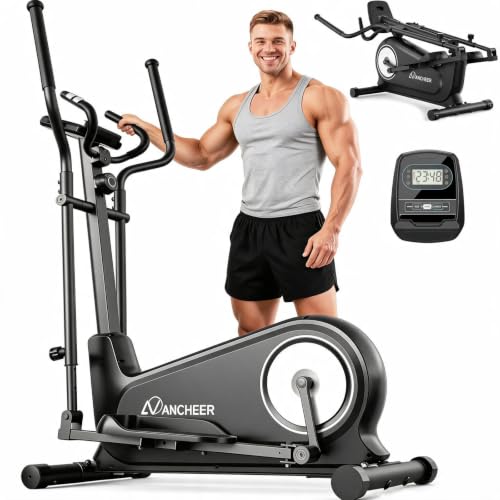
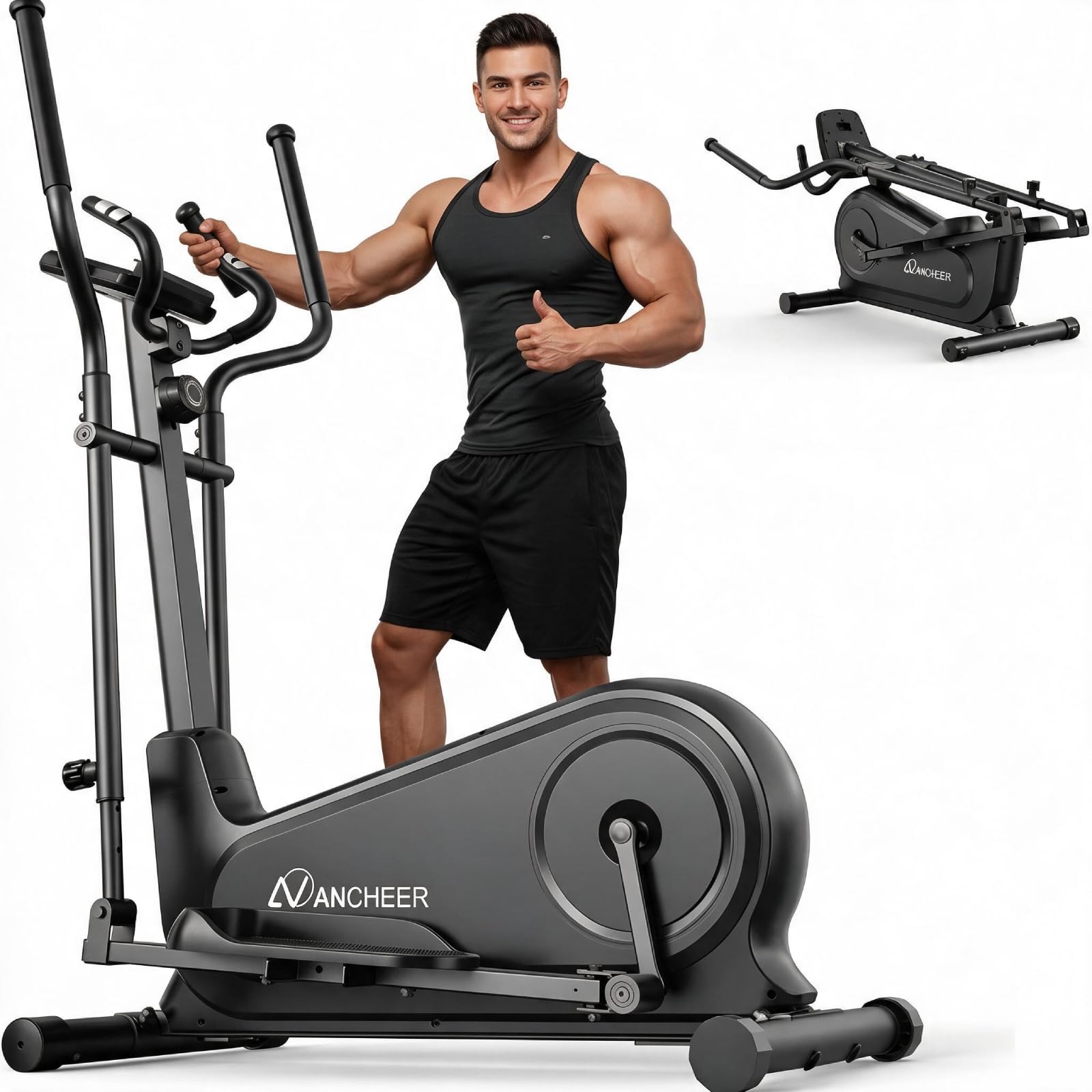
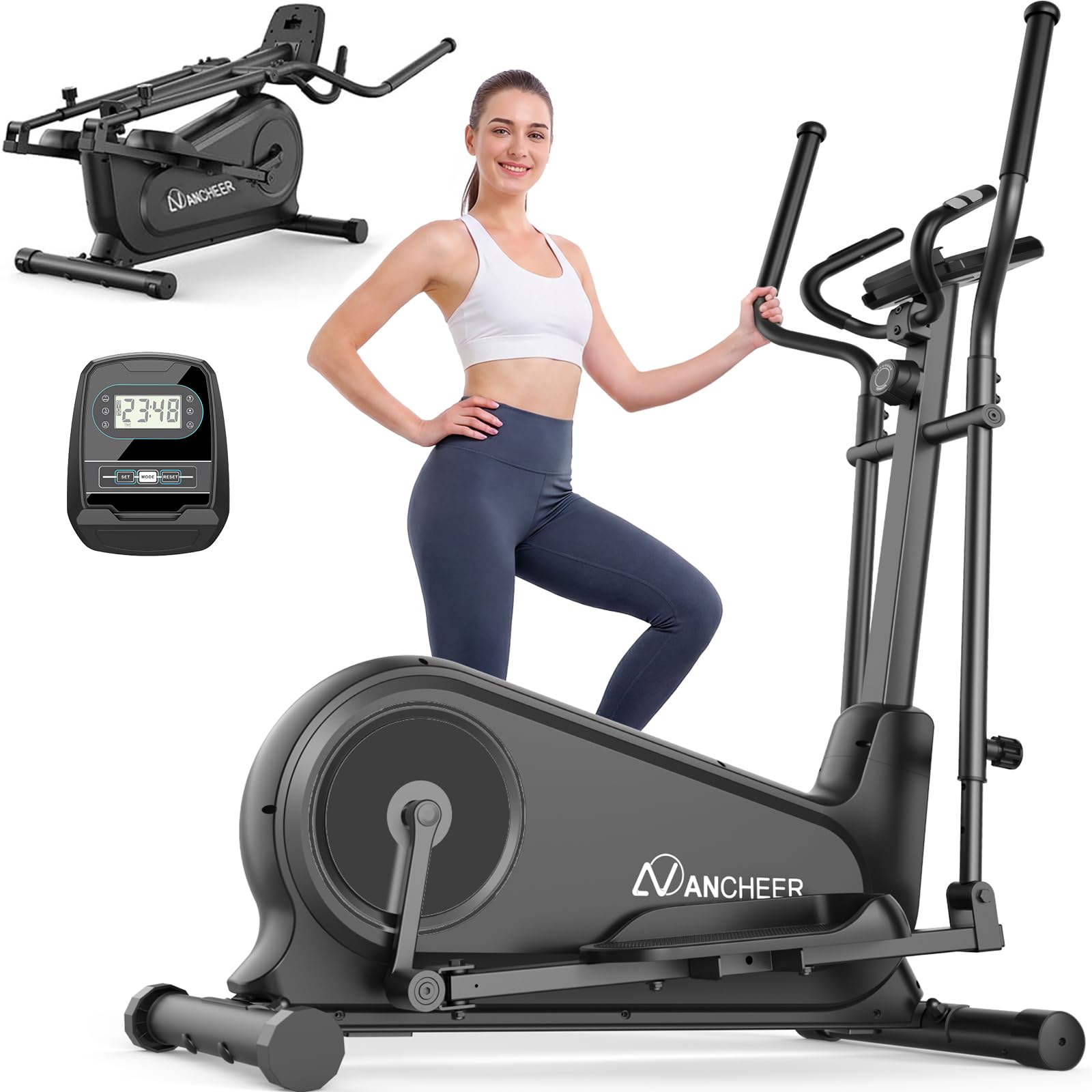


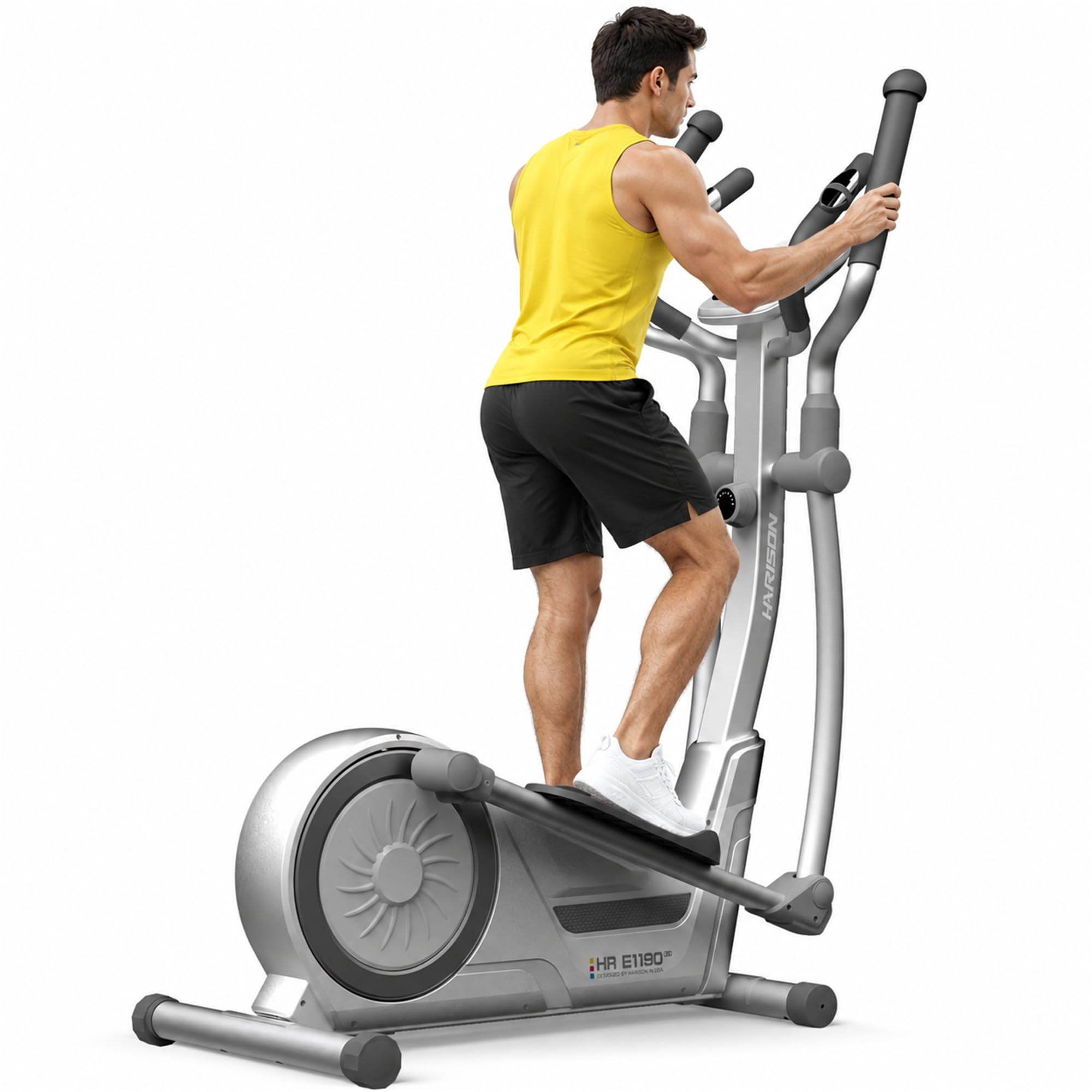
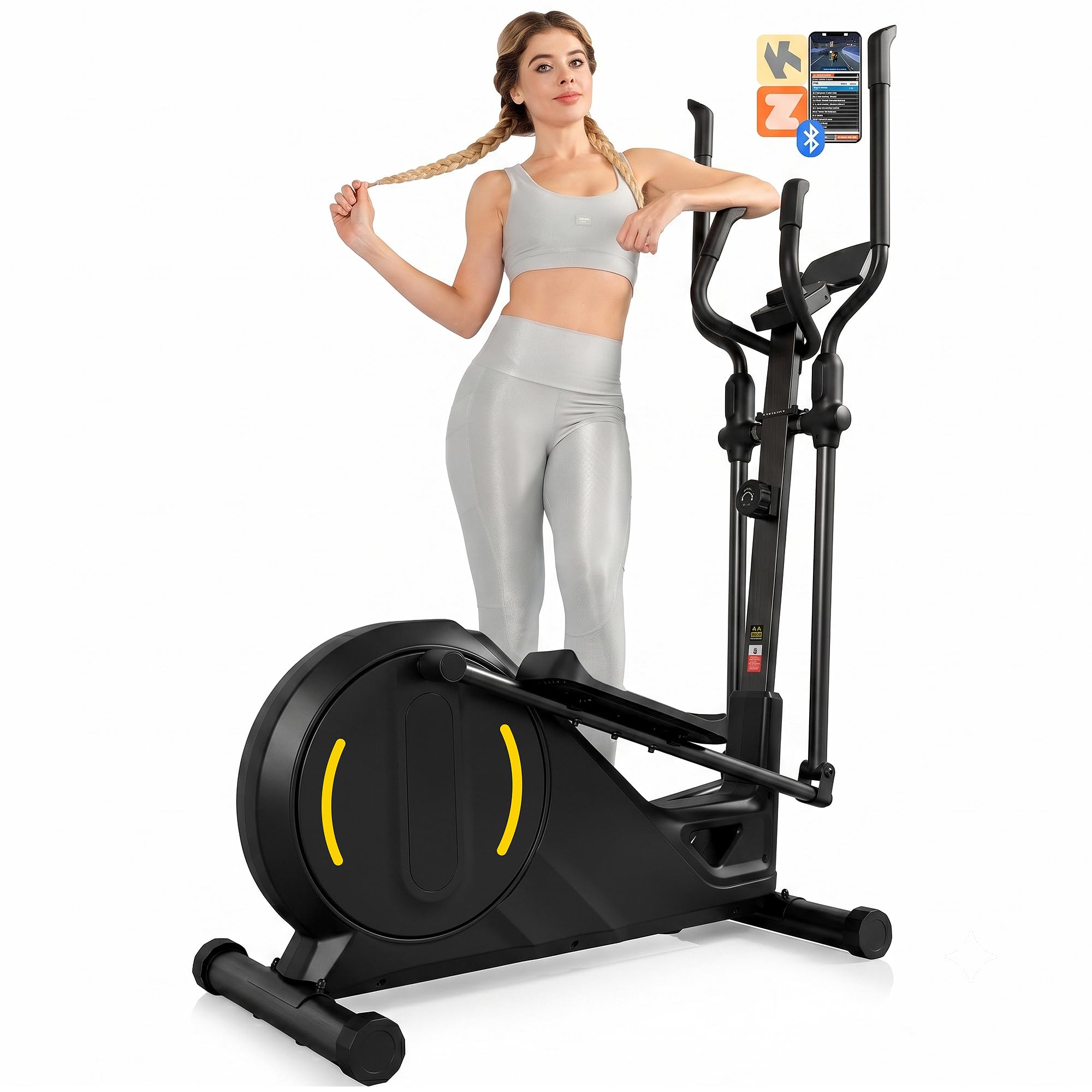

Who Should Buy Which Machines
For Beginners Starting Cardio
Beginners benefit from a simple machine with a comfortable stride, clear controls, and preset workouts that guide intensity. Avoid complex consoles at first, since ease of use encourages regular sessions. A stable frame and smooth motion matter more than a long feature list.
For Joint Friendly Exercise
People seeking low impact exercise often choose ellipticals because the feet stay on the pedals and impact is lower than running. Check stride smoothness and pedal spacing, and start with short sessions. If pain appears, stop and talk with a clinician rather than pushing through, since equipment cannot diagnose joint problems.
For Small Homes and Apartments
Small homes need a compact footprint and a machine that can sit near a wall without blocking walkways. Measure your space including ceiling height and pedal swing, and check noise levels for neighbours below. Folding or compact designs help, but never sacrifice stability for a smaller footprint.
Key Features to Compare
Stride Length and Motion
Stride length shapes how natural the motion feels, with longer strides suiting taller users and shorter strides suiting compact machines. Test the motion if possible, or read user feedback about smoothness and knee comfort. A stride that feels cramped will discourage use, even if the price was attractive.
Resistance Types
Magnetic resistance offers quiet, smooth changes and low maintenance, while friction systems cost less but wear faster and can feel uneven. Look for enough resistance levels to grow with your fitness, from gentle warm ups to challenging intervals. Smooth transitions matter more than a high maximum level.
Stability and Weight Capacity
Stability depends on frame weight, base width, and build quality, so check weight capacity and footprint together. A machine that rocks during use feels unsafe and wears faster. Heavier frames usually feel steadier, though they are harder to move, so balance stability with your space.
Console and Tracking
Consoles range from simple time and distance displays to app connected screens with guided workouts. Simple consoles suit many home users and fail less often, while connected screens add motivation for some. Decide whether you need entertainment or just clear workout data.
Types Worth Knowing
Rear Drive Ellipticals
Rear drive machines place the flywheel behind the user, often giving a flatter, more natural stride. They tend to be longer, so they need more floor space. Many home users find the motion smooth and comfortable for regular sessions.
Front Drive Ellipticals
Front drive machines place the flywheel at the front and often feel like climbing, with a more upright posture. They can be more compact in length but may feel steeper. Try the motion style if possible, since posture preference varies by person.
Centre Drive and Compact Ellipticals
Centre drive and compact designs save space by placing the mechanism under or beside the user. They suit apartments and small rooms, though stride may be shorter. Check stability carefully, since compact frames vary more in build quality.
Budget, Care, and Common Mistakes
Prices for budget home ellipticals usually range from about 200 dollars to about 700 dollars, with most dependable options in the middle of that range. Very cheap machines often cut frame quality and resistance smoothness, which shows up quickly in daily use. Budget for a mat to protect floors and reduce noise.
A common mistake is buying without measuring space, including the full pedal swing and ceiling clearance. Another is ignoring assembly time and tool needs, which can delay first use. Lubricate moving parts as the manual directs, tighten bolts periodically, and wipe sweat from rails to prevent corrosion.
Before you order, measure your room, check ceiling height while standing on the pedals, and confirm delivery and assembly options. Check stride and stability if a showroom visit is possible. The product table above is a starting point, but space and smooth motion should make the final call.
A Closer Look at Building a Home Routine
Routine beats intensity for home cardio, since regular moderate sessions deliver more benefit than occasional exhausting workouts. Schedule elliptical time like an appointment and start with short sessions that leave you wanting more. Consistency over months matters far more than any single heroic workout.
Entertainment helps many home users stay consistent, whether music, podcasts, or a screen mounted nearby. Set up entertainment before the first workout so sessions feel enjoyable rather than dutiful. A machine placed near a window or screen gets used more than one facing a blank wall.
Form matters on ellipticals, with upright posture, relaxed shoulders, and a smooth stride protecting knees and back. Avoid leaning heavily on handlebars, since that reduces workout quality and strains posture. Start with low resistance and focus on smooth motion before adding intensity.
Progress tracking keeps motivation alive, so note session length, resistance, and perceived effort weekly rather than daily. Weekly trends show real improvement while daily numbers bounce with sleep and mood. Celebrate consistency milestones like four weeks of regular sessions.
Household noise and vibration deserve planning in apartments, with mats reducing both and thoughtful scheduling respecting neighbours. Test noise at varied intensities and times of day before settling a routine. Considerate scheduling keeps home workouts welcome in shared buildings.
Finally, combine elliptical sessions with simple strength and flexibility work for balanced fitness, since cardio alone misses muscle and mobility needs. Short bodyweight routines after rowing or elliptical sessions complement cardio well. A balanced week feels better and reduces injury risk over time.
Family use adds value to a home elliptical, since several household members can share one machine with different programmes. Agree simple usage routines and cleaning habits together so the machine stays pleasant for everyone. Shared equipment encourages shared healthy habits across the household.
Frequently Asked Questions
What stride length do I need?
Stride needs vary with height and comfort, with many home users finding 18 to 20 inches comfortable, while taller users may prefer longer strides. A cramped stride feels awkward and can strain knees, so test the motion if possible. Compact machines with shorter strides suit smaller users and tighter spaces.
Are budget ellipticals durable enough for daily use?
Many budget ellipticals handle daily moderate use well if the frame is sturdy and resistance is magnetic. Very light machines may wear faster under heavy daily use. Check weight capacity, warranty length, and build feedback, and keep up with basic maintenance for longer life.
How much space does an elliptical need?
Allow the machine footprint plus room for pedal swing, safe mounting, and ceiling clearance while standing on the pedals. Measure length, width, and height in your actual room rather than trusting brochure figures alone. A mat underneath protects floors and helps with stability and noise.
Is an elliptical good for bad knees?
Ellipticals are often chosen for low impact exercise because feet stay on the pedals, but suitability depends on your condition and pain pattern. Start gently and stop if pain increases. Talk with a clinician or physiotherapist about your knees before starting a new routine, since equipment alone cannot guide treatment.
How noisy are budget ellipticals?
Magnetic resistance machines are usually quiet enough for apartments, while friction systems and loose parts can squeak. Regular tightening and lubrication keep noise down. If you live above neighbours, use a mat and avoid late night sessions to keep the peace.
Related Guides
Budget home cardio comparisons include best budget home elliptical and best at home elliptical machines, which cover similar machines from different angles. For a dedicated home gym setup, best home gym elliptical machine explains larger and sturdier options.
Use these guides alongside the product table above when weighing space, stride, and price for your home.
Final Thoughts
Choosing best budget elliptical machine for home comes down to a smooth stride, a stable frame, and a footprint that truly fits your room. A machine that feels good and sits comfortably in your home will earn regular use, while a cramped or wobbly bargain will gather dust. Measure carefully and prioritise motion quality.
Use the product table above as a starting point, then check stride, stability, and warranty for your shortlist. With the right budget machine, low impact cardio becomes a sustainable part of your week.


