
Best Budget Elliptical Trainer in 2026: Every Type Explained Side by Side
Disclosure: We may earn a commission when you buy through links on this page, at no extra cost to you. As an Amazon Associate I earn from qualifying purchases. Learn more

Compare types of the best budget elliptical trainer, check stride, resistance and space needs, and choose a model that fits your room and goals.
Budget ellipticals look alike in photos, yet the feel under your feet can differ a lot. Drive layout, stride length and resistance design change comfort, noise and workout range more than console size does. The best budget elliptical trainer for you is the type that matches your body, your room and your weekly routine, and the comparison table below groups those choices clearly.
This guide compares the main types side by side, then walks through stride, resistance, footprint, weight capacity and warranty. It also covers what a modest price can realistically include, so you know where to spend and where a simpler model is enough.


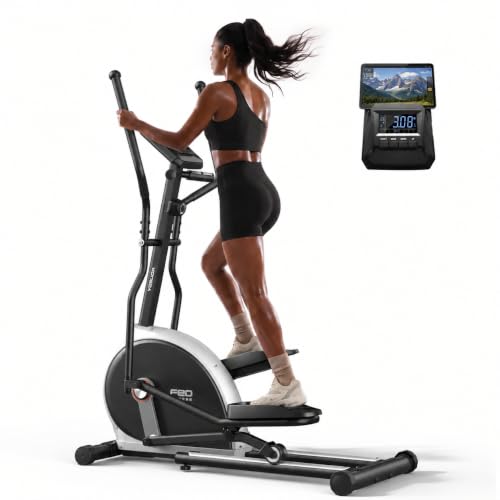


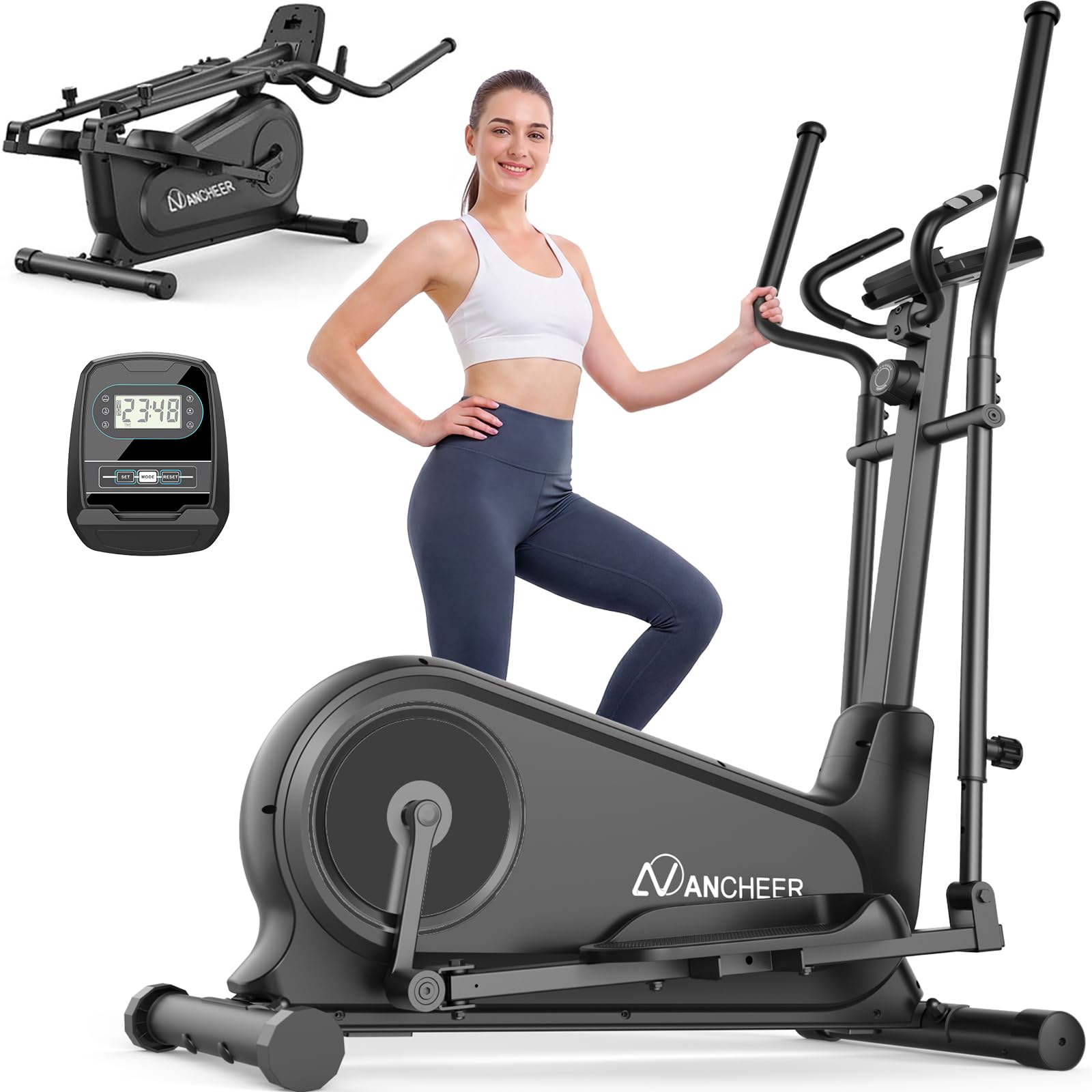
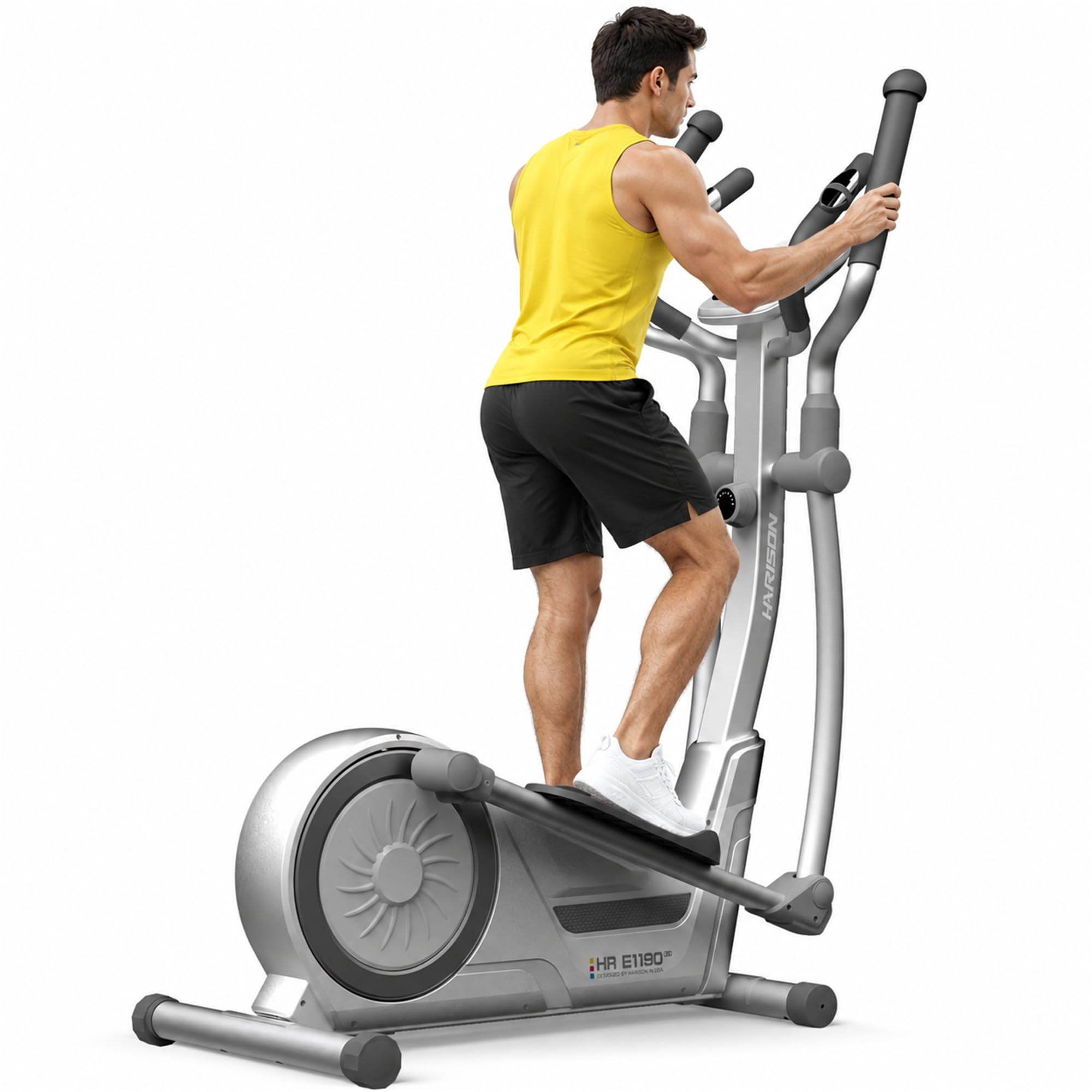
Types of Elliptical Trainers Compared
Most budget machines fall into three broad types. They differ in frame weight, electronics and how hard they can push you. Start with the type, then compare details inside that type.
Smart Connected Models With Screens and Apps
Smart connected models pair a magnetic flywheel with Bluetooth, an app and often a built in screen or a holder for your tablet. Resistance can change on its own during a guided class, and the console tracks distance, time and heart rate from the handle sensors. This type suits you if structure keeps you consistent. The trade off is cost. Screens raise the price, some features sit behind a paid plan, and a failed console can limit a machine that still moves well.
Commercial Grade Models With Heavy Steel Frames
Commercial grade models use a thick steel frame, a heavier flywheel and parts built for many users each day. The stride feels steady at high effort, weight capacity is usually higher, and warranties tend to run longer. On a budget, this type usually means a basic console version or a sale model, at about $800 to $1,500. Choose it if two or more adults will train hard or if lighter frames feel unstable. The cost is size, weight and harder delivery.
Budget Starter Models With Simple Consoles
Budget starter models keep the design simple. You turn a knob or press buttons to set magnetic resistance, read basic stats on a small display and store the machine in a corner. Prices often run about $250 to $600, and some frames fold or roll on transport wheels. This type suits new exercisers and anyone in a small room. The limits are real. Stride length is often shorter, flywheels are lighter, and resistance may top out once your fitness improves.
Smart Connected Models vs Commercial Grade Models: Which Should You Choose?
These two types spend your money in opposite places. A connected model spends on guidance, tracking and automatic resistance changes. A commercial grade model spends on steel, flywheel weight and long service life. If motivation is your main problem, guidance may matter more. If you already follow your own plan, frame strength matters more.
Think about upkeep too. A connected model needs updates, a stable signal and sometimes a subscription, while a heavy frame needs more floor space and more help to move. Shoppers still deciding on terminology can see our guide to the best budget elliptical cross trainer, since the two names describe the same basic machine in most stores.
How to Choose the Right Elliptical Trainer
Use the checks below in order. Room fit and stride come first, because no console feature can fix a machine that feels cramped or will not fit through the door.
Warranty for the Frame, Parts and Labor
Warranty terms tell you how long the maker expects the machine to last. Budget models often cover the frame for about 5 to 10 years, parts for about 1 to 3 years and labor for about 90 days to 1 year. Read what counts as normal wear, since pedals and belts may sit outside parts cover. Short labor cover means early setup matters, so check every bolt during the first weeks.
What You Can Realistically Get on a Budget
At this price, the best budget elliptical trainer is the one that gets the basics right rather than the one with the longest feature list. Expect magnetic resistance, a steel frame, a simple console and a weight capacity around 250 to 300 pounds. Expect to give up a large screen, a very long stride and powered incline on most models. Do not accept a choppy stride, loose pedals or a frame that rocks, because those flaws show up in every session.
Space, Footprint and Ceiling Height
Most home ellipticals need about 60 to 75 inches of length and about 25 to 30 inches of width, plus clear space behind the pedals for safe mounting. Ceiling height is easy to forget. Add your height to the highest pedal rise, often about 12 to 18 inches, and leave a few inches above your head. A foldable frame helps in a shared room, but measure the folded size too, since some models fold tall rather than short.
Resistance Type and Range
Magnetic resistance is the standard choice at this price, and it is quiet because magnets slow the flywheel without contact. More resistance levels, often about 8 to 24, give you finer steps between easy and hard, but flywheel weight shapes the feel as much as the number does. A heavier flywheel usually feels smoother at low speed. If you train early or late, magnetic drive with a belt is usually the quietest pairing.
Stride Length, Range of Motion and Ergonomics
Stride length is the front to back distance your feet travel. Many budget models offer about 12 to 16 inches, while taller users often feel better at about 18 to 20 inches. A short stride can feel like stair stepping and may strain your knees, so match stride to your leg length before you pay for extras. Pedal spacing matters too. Narrow spacing keeps your hips in line, and cushioned pedals reduce foot numbness on longer sessions.
Common Mistakes to Avoid
These errors are common at this price, and each one is hard to fix after delivery.
- Buying the shortest stride to save money leaves tall users with a cramped motion that hurts their knees.
- Ignoring ceiling height means your head nearly touches the ceiling at the top of each stride.
- Choosing a screen over frame strength leaves you with a machine that wobbles during hard intervals.
- Skipping the weight capacity check lets a frame flex and wear out sooner under daily use.
- Placing the machine tight against a wall makes mounting unsafe and cleaning almost impossible.
- Paying for a connected plan before checking the free content can lock you into costs you never use.
How to Make Your Elliptical Trainer Last Longer
Place the machine on a mat to protect your floor, cut down noise and stop small shifts during use. Wipe the pedals, handles and console after each workout, since sweat can corrode metal and cloud a display over time. Keep the area around the flywheel clear of dust and pet hair.
Tighten bolts monthly during the first season, then check them each few months once the frame settles. Listen for new squeaks, because a sound that changes often points to a loose part you can fix early. If pain in your chest, strong dizziness or sharp joint pain starts during exercise, stop at once and seek medical care, and talk with your clinician about personal needs before you train again. Readers comparing frame styles can also see our guide to the best elliptical trainer machine.
FAQ
How much space does a budget elliptical trainer need at home?
A budget elliptical trainer needs its full footprint plus working room around it. Allow about 2 feet of clear space behind the pedals so you can step on and off without turning sideways, and some room at one side for a safe dismount. Also check the door swing, since a door that opens into the pedal path is a daily hazard.
Which type of budget elliptical trainer is better for beginners?
A budget starter model is better for most beginners. Simple controls let you start moving within minutes, and manual resistance teaches you how effort levels feel without a class setting the pace. Start with short sessions at a pace where you can still speak in full sentences, then add a few minutes each week. A low step up height also helps if your balance is still improving.
How long does a budget elliptical trainer usually last?
A budget elliptical trainer usually lasts about 3 to 7 years with regular home use. Life span depends more on user weight, weekly hours and bolt checks than on the console. The drive belt and pedal bearings are often the first parts to wear. Storing the machine in a damp garage shortens its life, since moisture reaches bearings and electronics even when the frame looks fine.
Is a subscription required to use a budget elliptical trainer?
No, a subscription is not required to use most budget elliptical trainers. The pedals, resistance and basic stats work without a plan, and many connected models still offer a few free workouts. A plan mainly adds classes, routes and deeper tracking. Before you buy a connected model, check what the screen shows without a plan, since some displays stay very limited until you subscribe.
Is a budget elliptical trainer quiet enough for an apartment?
Yes, a magnetic budget elliptical trainer is usually quiet enough for an apartment. The main sounds come from your feet, the frame and the floor, not from the resistance system. A thick mat, level feet and a spot away from a shared wall reduce what neighbors hear. Avoid early interval sessions on a hollow floor, since impact sounds travel more than machine hum.
Final Thoughts
Match the type to your habit first. Choose connected guidance if you need structure, a heavy frame if you train hard or share the machine, and a starter model if you want simple daily movement at the lowest cost. Then confirm stride, ceiling height and weight capacity before price extras.
Use the product table above to compare those points side by side. When the best budget elliptical trainer you pick fits your body and your room, you are far more likely to use it each week. Readers still weighing price against features can see our guide to the best elliptical budget for more on setting a sensible spending limit.


