
Best Budget Binoculars for Bird Watching: Every Type Explained Side by Side for 2026
Disclosure: We may earn a commission when you buy through links on this page, at no extra cost to you. As an Amazon Associate I earn from qualifying purchases. Learn more

Compare full size, mid size, and compact budget binoculars for bird watching by type, with clear notes on field of view, close focus, and price.
Standing in a shop or scrolling a long list, every pair of binoculars starts to look the same. Sizes, prism names, and number pairs blur together, and the price gaps give no clue about what you gain or give up. If you want the best budget binoculars for bird watching without paying for glass you do not need, the clearest path is to sort by type first and by brand last.
This guide takes that type first approach from start to finish. You will meet each main type side by side, see a direct comparison of the two most popular sizes, and learn which numbers on the box actually change what you see. Use the comparison table below as your map, because the type table later in this guide builds directly on it.
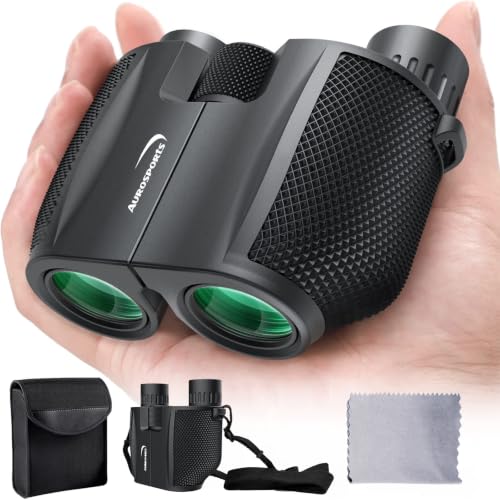

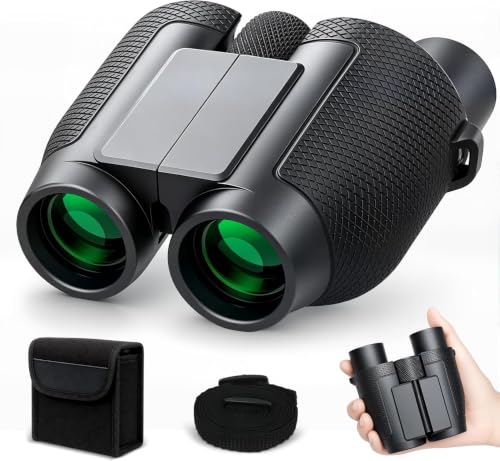
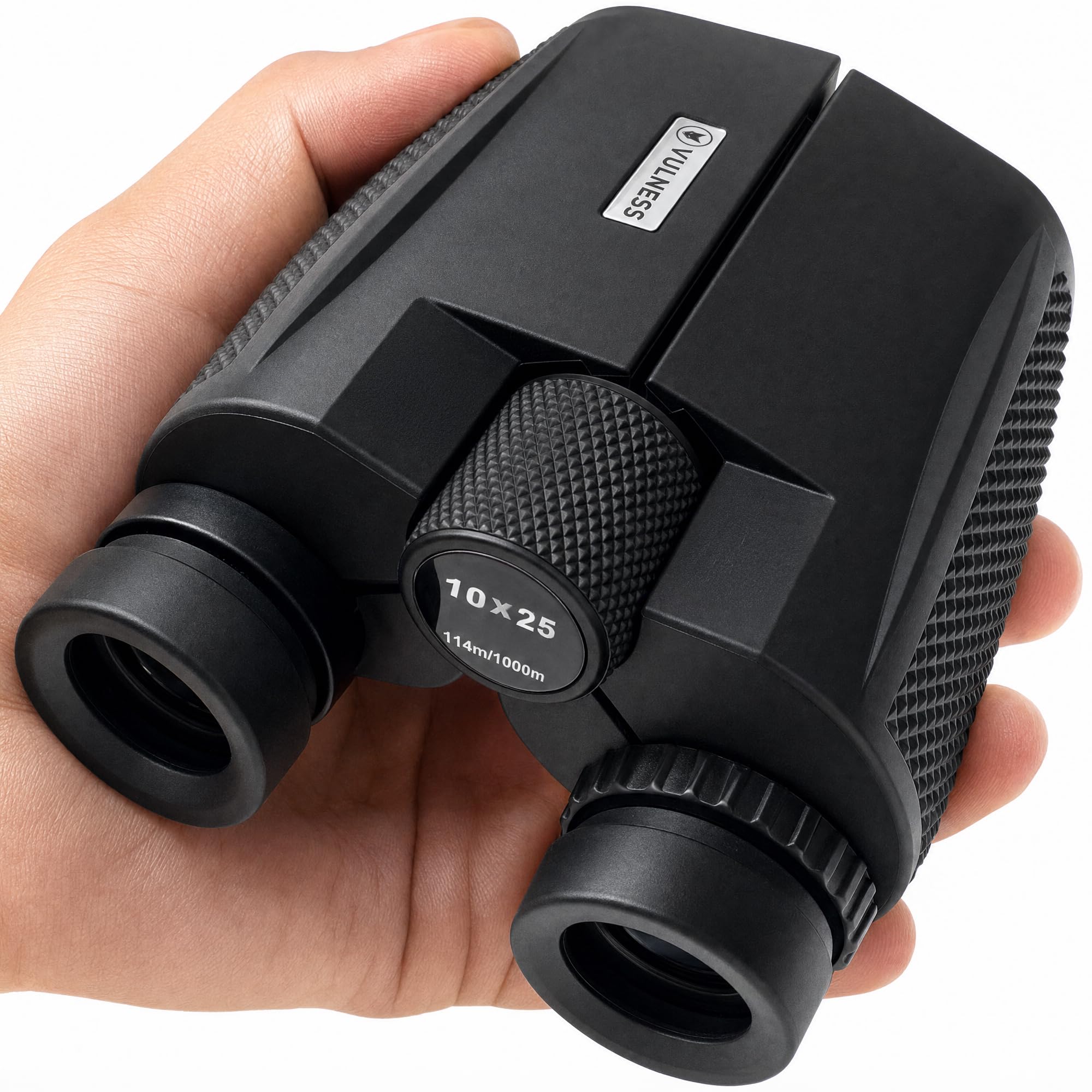
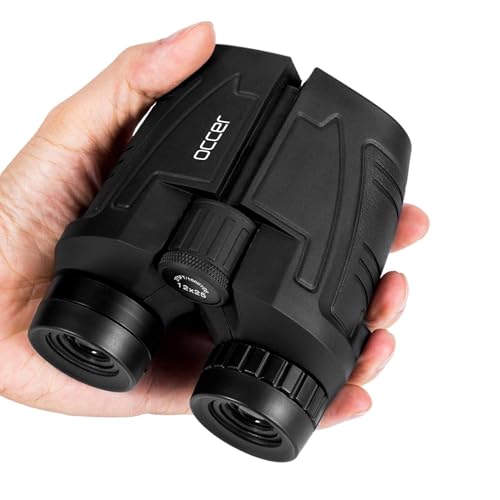
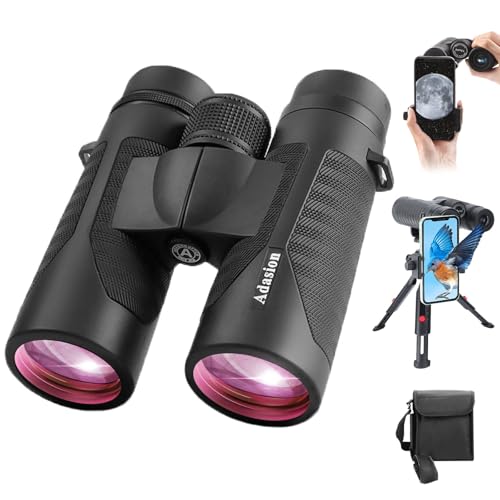

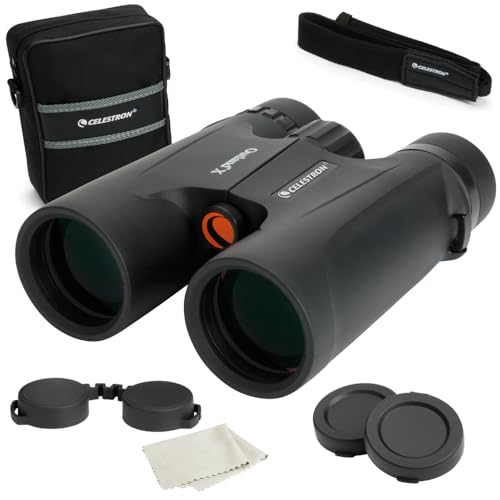
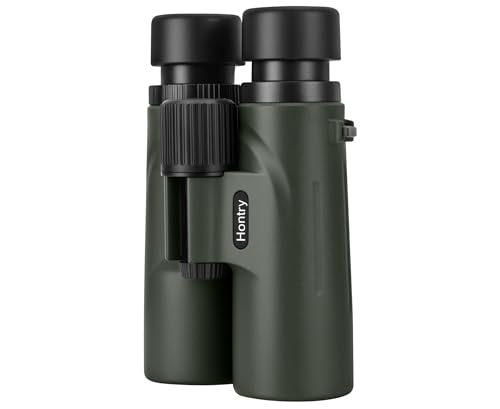
Types of Binoculars Compared
Bird watching is a light and identification task before it is anything else. You scan in changing light, often at dawn or in shade, and you must read color, markings, and shape in the seconds before a bird moves on. Two facts follow from that task and shape every type below. A wide field of view helps you find and follow a moving bird, and a short close focus distance lets you study a perched bird, or even a butterfly, only a few steps away.
Budget buying adds a second honest frame around those birding facts. At a budget price, coatings and build are the honest tradeoffs, because glass treatments and housing quality are where money is saved first. Treat maker figures as best case numbers, measured in ideal conditions with fresh samples, so real pairs vary a little in brightness and edge sharpness. Judge a budget pair by focus smoothness, fit to your face, and a clear center view, not by a perfect spec sheet.
| Type | Best For | Pros | Cons | Typical Price |
| Full Size | Dawn watching and open wetlands | Brightest view and widest field in this class | Heaviest type to carry all day | about $80 to $150 |
| Mid Size | Woodland walks and travel days | Balanced weight with a still generous field | Dimmer than full size at dusk | about $60 to $120 |
| Compact | Long hikes and casual outings | Pocket friendly and easy to keep at hand | Narrow field and weaker low light view | about $40 to $90 |
Full Size Binoculars
Full size binoculars are the traditional birding format, most often sold as 8x42 or 10x42. The larger front lenses gather more light, so the view stays bright in shade and in the first and last hours of the day. The field of view is usually the widest of the three types, which makes finding a bird in branches calmer work, and the cost of that view is weight, since a full size pair can feel heavy on a neck strap after several hours. Choose this type if you mostly watch from paths, hides, and field edges, and if dawn and dusk sessions are your favorite hours.
Mid Size Binoculars
Mid size binoculars, commonly 8x32 or 10x32, split the difference between brightness and burden. They keep the same two handed hold and center focus wheel as the full size type, but in a body that rides far more easily on a long woodland walk. The view is a step dimmer at dusk and the field is often a touch narrower, yet in daylight the difference can be hard to see. This is the type many walkers settle on, because a pair that feels light gets carried on every outing instead of only special ones, so choose mid size glass if your birding mixes watching with miles of walking.
Compact Binoculars
Compact binoculars fold the format down to pocket scale, usually as 8x25 or 10x25. They shine on hikes, trips, and casual days when a larger pair would simply stay home, and a compact pair in a jacket pocket beats a fine pair left in a drawer. The tradeoffs are plain, since small front lenses gather less light and the field of view narrows, so following a fast bird takes more practice, and handling also feels tighter, with smaller eyecups and a finer focus wheel. Readers who want this pocket format as their main pair can compare options in our guide to best compact binoculars for bird watching before deciding.
Full Size Binoculars vs Compact Binoculars: Which Should You Choose?
These two types pull in opposite directions, so a direct comparison settles most buying doubts. On brightness, full size glass wins clearly, holding a usable view earlier and later in the day. On field of view, full size glass also leads, which matters every time you lift the pair to a moving warbler or a passing raptor. On weight and carry comfort, compact glass wins just as clearly, slipping into a pocket while the larger pair demands a strap or harness and a deliberate decision to bring it.
Handling splits the difference in a subtler way, since a full size body gives your hands more to hold, which steadies the view and suits gloves on cold mornings, while a compact body can feel fiddly with cold fingers. Price overlaps between the types, so let your hours and your walking distance decide rather than the tag. Readers who want the full size decision broken down further can work through our guide to best size binoculars for bird watching with their own outings in mind. If you watch mainly at dawn from set spots, choose full size, and if you watch while walking far, choose compact.
How to Choose the Right Pair of Binoculars
With a type in mind, the box numbers become simple to read. Work through the five points below in order, and check your shortlist against the product table above as you go.
Magnification and Objective Lens Size
The first number in a pair such as 8x42 is magnification, and it tells you how much closer a bird appears. Eight power is the calmer choice for most birders, because the view shakes less and the field stays wider, while ten power shows more detail on distant waterbirds at the cost of a narrower, less steady view. The second number is the front lens width in millimeters, and larger front lenses gather more light. Shoppers who have settled on the ten power full size format can compare models in our guide to best 10x42 binoculars for bird watching with these tradeoffs in mind.
Exit Pupil and Low Light Brightness
Exit pupil is the width of the light beam that leaves the eyepiece and enters your eye, and you can work it out by dividing the front lens size by the magnification. An 8x42 pair gives a beam of about 5 millimeters, while a 10x42 pair gives about 4 millimeters. Your own pupil widens in dim light, so a larger exit pupil feeds more light at the hours when birds are most active. Treat dawn and dusk as the true testing hours for any pair, because a view that looks fine at noon can fall apart at first light, and judge brightness then, not under shop lights.
What You Can Realistically Get on a Budget
A budget pair can deliver a sharp center view, a smooth focus wheel, and honest weatherproofing, and that core is what your money should protect. What gets cut first is refinement at the edges, where the outer part of the view may soften, plus premium glass treatments that tame color fringing on bright edges. Build also steps down, with more plastic in the housing and a hinge that needs a firmer hand to hold its setting, and do not save money on the focus wheel or the hinge, because you touch both constantly. Shoppers weighing price against that core can compare the field in our guide to best value binoculars for bird watching before ordering.
Size, Weight, and Ergonomics
Weight decides whether a pair joins every outing or only planned ones. Full size pairs often weigh around 600 to 700 grams, mid size pairs sit lower, and compacts can weigh half as much again. Try the hold if you can, checking that the focus wheel turns under one finger without shifting your grip. Glasses wearers should look for generous eye relief and eyecups that twist down, so the full field stays visible without pressing glass against lenses, and a padded strap or a simple harness spreads the load on long days and is worth its small cost.
Features That Matter for Bird Watching
Bird watching asks for three features above all others, starting with close focus of about 6 to 8 feet or better, which lets you study a perched bird at feeder distance and fills the view with detail. A field of view around 315 feet at 1000 yards or wider makes finding and following birds in cover far less frantic. Weatherproof sealing with fogproof internals protects the view on damp mornings and in light rain, which are prime birding conditions. Readers comparing the wider category can also start from our guide to best binoculars bird watching and then return to these budget types.
Setup and Care Tips
A budget pair will serve for years if the first setup is done with care. Set the hinge width so the two circles merge into one clean image, then adjust the diopter on one eyepiece to match your two eyes, following the steps in the manual for your pair. Clean lenses only with a lens cloth, not your shirt, and blow loose grit away first so you never grind it across the coating. Store the pair in a dry, padded bag with the caps on, keep the rain guard fitted outdoors, and check the strap fixings before each season.
FAQ: Questions Answered for Budget Bird Watchers
What features matter most in binoculars for bird watching?
A wide field of view, short close focus, and a bright view at dawn matter most for bird watching. Those three decide whether you find the bird, follow it, and identify it before it leaves. One detail often missed is color honesty, because true colors help you read the subtle plumage tones that separate similar species in soft light. Budget glass sometimes shifts colors slightly warm or cool, so compare two pairs on the same pale bird or wall if you can, because honest color is an identification tool, not a luxury.
What specs matter most for beginners choosing budget binoculars?
Magnification, front lens size, and field of view matter most for a beginner. An 8x42 or 8x32 format keeps the view steady and wide while you learn to find birds quickly, which is the core early skill. Beginners should also check the spacing range between the eyepieces, often listed as interpupillary distance, because a pair that cannot narrow or widen to fit your eyes will never give a single round image. Children and smaller adults in particular need a pair that closes down far enough, and fit comes before glass quality.
Which binocular size is better for low light, full size or compact?
Full size binoculars are better for low light than compact binoculars. Larger front lenses gather more light and deliver a wider exit pupil, so the dawn and dusk view stays brighter and easier to read. Age plays a quiet part here, because pupils widen less with age, so older watchers may gain less from a very large exit pupil than younger watchers do. Even so, the full size advantage in field of view and steadiness remains at any age, while compacts stay a fair weather and daylight choice.
What does 8x42 or 10x42 mean in binocular numbers?
The first number is magnification and the second is front lens width in millimeters. An 8x42 pair makes a bird look eight times closer through lenses 42 millimeters wide, while a 10x42 pair magnifies ten times through the same lens size. A quick extra example shows why the pairing matters, since an 8x32 gives the same magnification as an 8x42 but a smaller exit pupil and a dimmer dusk view. Read the two numbers together as a brightness and steadiness statement, never as a quality score on their own.
How much should I spend on a first pair of binoculars for bird watching?
Spending about $60 to $120 buys a sound first pair for bird watching. That band covers the mid size and entry full size types with usable coatings, a workable focus wheel, and sealing against damp air. Pay attention to the warranty length and the return window at this price, because a generous return period lets you test the pair at dawn, which is the only honest test. Keep a little money aside for a padded strap or harness, because a comfortable carry setup gets used more than a small step up in glass.
Wrapping Up
Decide by type first, and the rest of the choice gets quiet, with full size glass serving dawn watchers, mid size glass serving walkers, and compact glass serving travelers and hikers. Then confirm the exit pupil suits your hours, protect the focus wheel and hinge in your budget, and check close focus for feeder and woodland work. When those points line up, the best budget binoculars for bird watching are simply the pair you will carry on every walk. Set your shortlist against the product table above and choose the type that matches your mornings.


