Best Binoculars for Bird Watching and Stargazing: A Buying Guide for 2026
Disclosure: We may earn a commission when you buy through links on this page, at no extra cost to you. As an Amazon Associate I earn from qualifying purchases. Learn more
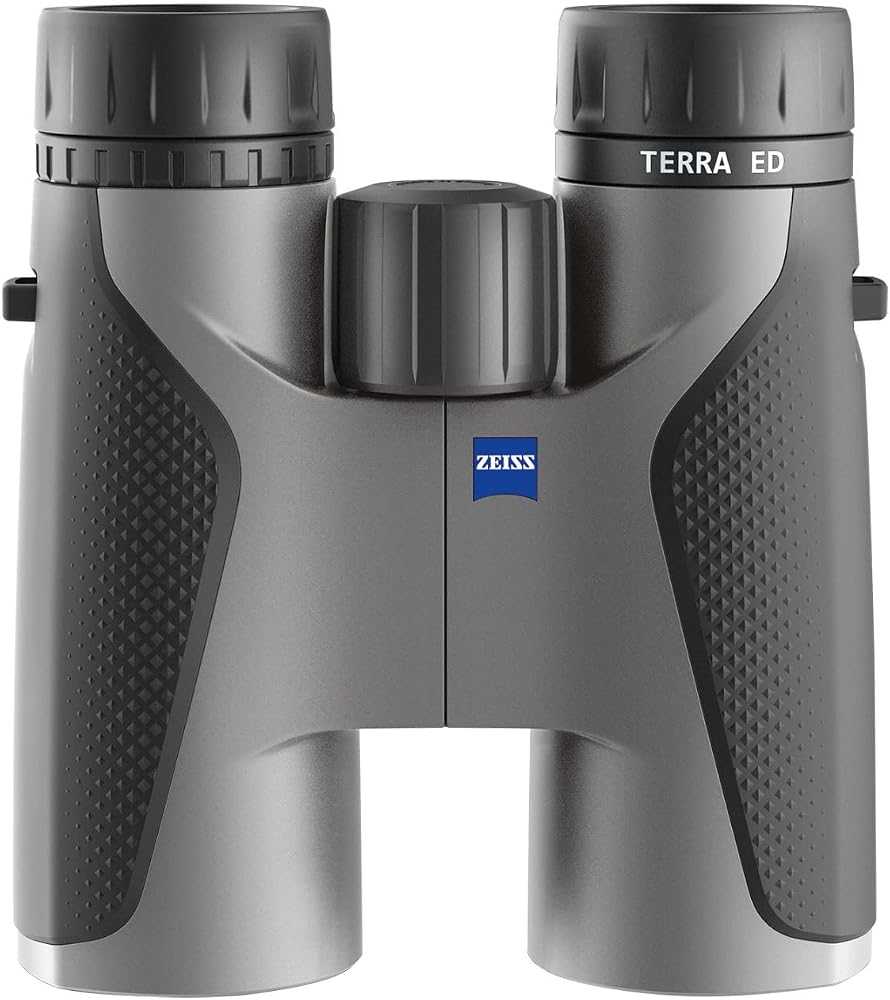
The best binoculars for bird watching and stargazing balance light gathering, steadiness and weight. Compare 8x42 and 10x50 pairs for dawn, dusk and night.
Birds at dawn and stars after dark ask the same thing from a pair of binoculars: gather plenty of light and stay steady in the hand. The best binoculars for bird watching and stargazing balance magnification, front lens size and weight so one pair works in a woodland at first light and in a dark field at night.
This guide explains which specs help both hobbies, where they pull in different directions, and how to choose a sensible compromise. For daytime-only birding, see our guide to the best binoculars bird watching.
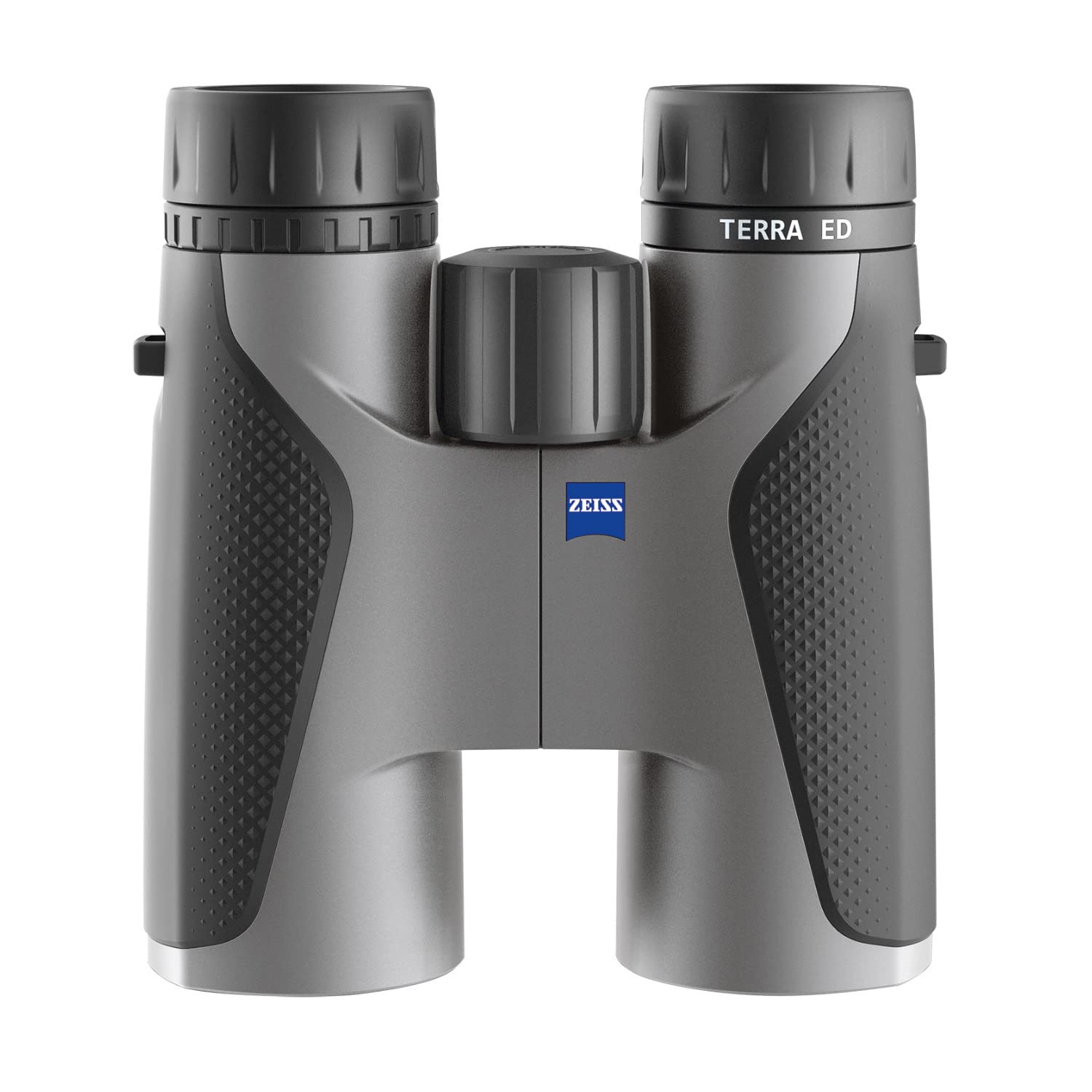


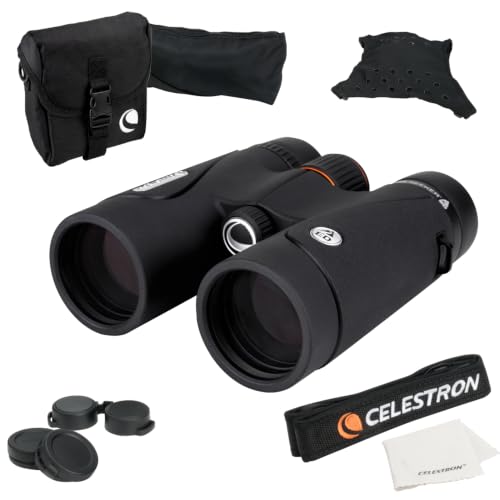
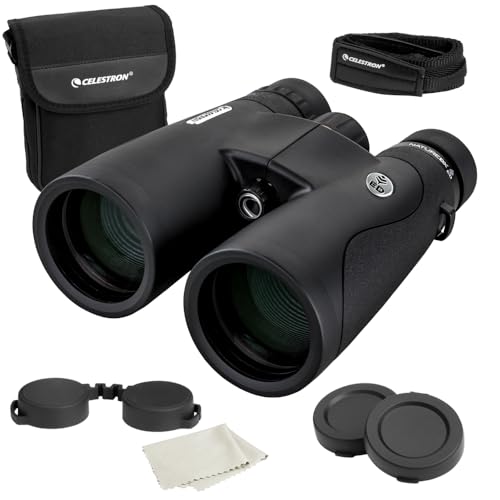

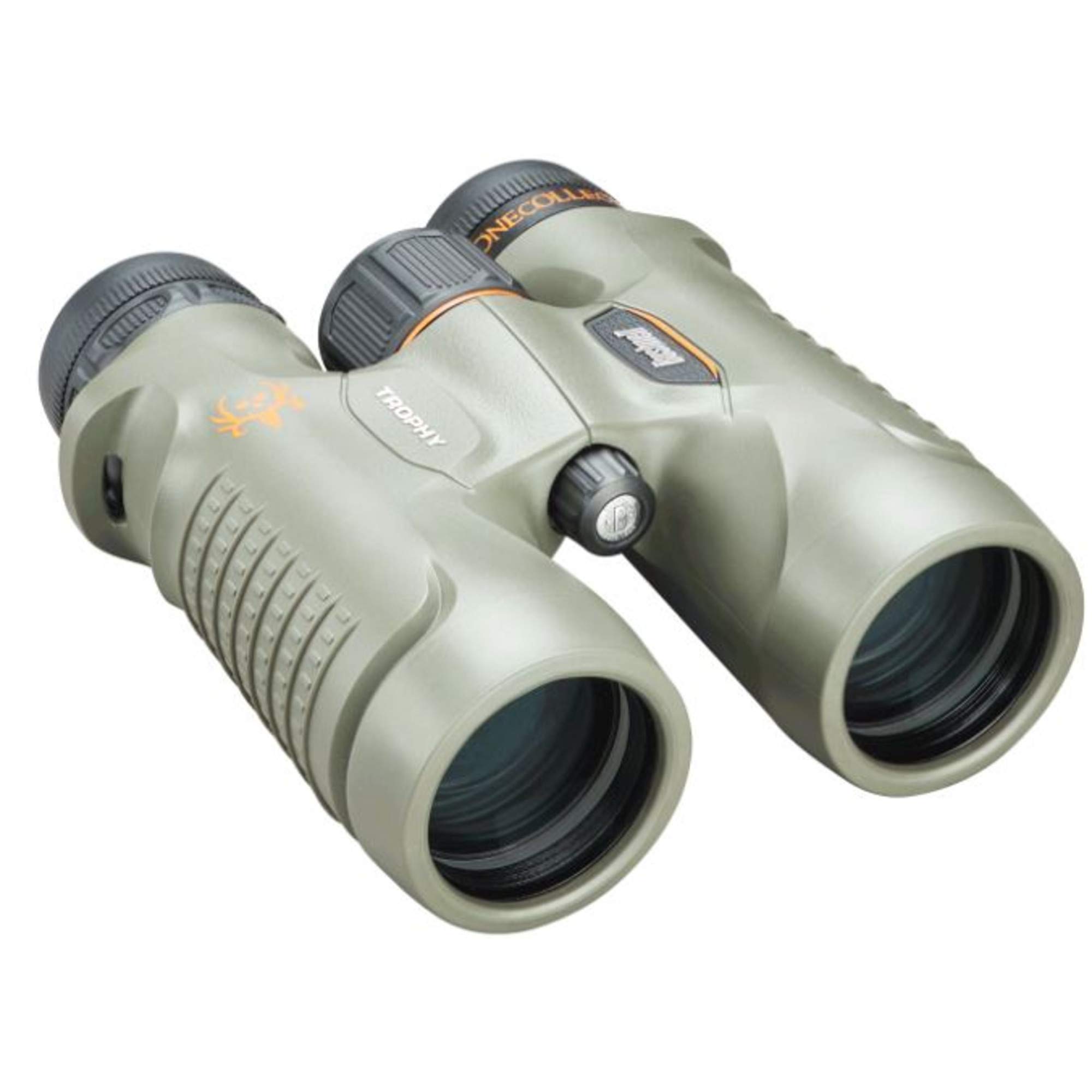


Who Should Buy Binoculars for Both Birding and Stargazing?
A single pair suits you if birding is your main hobby and you also like scanning the Moon, star clusters and the Milky Way on clear nights. It also suits families and beginners who want one affordable pair instead of two specialist tools.
If you mainly chase faint deep sky objects, you may prefer larger astronomy binoculars on a tripod. If you mainly watch songbirds in daylight, a lighter pair will be more comfortable. A pair in the middle covers both well enough to enjoy each.
Best Binoculars for Bird Watching and Stargazing: Key Specs
Magnification
Eight power gives a wide, steady view that makes birds easy to find and star fields easy to scan. Ten power adds reach for distant birds and shows a little more on the Moon, but hand shake grows. Above ten power, most people need a tripod or a rest for a stable image.
Objective Lens Size
A 42 mm front lens is the practical sweet spot: bright at dawn and dusk and still light enough to carry on a walk. A 50 mm lens gathers more light for stargazing and shows fainter stars, but it adds weight that tires your arms on a long birding day.
Exit Pupil and Low Light
Divide the lens size by the magnification to get the exit pupil. An 8x42 pair gives about 5.3 mm and a 10x50 pair gives 5 mm, both bright enough for night viewing. A 10x42 pair gives about 4.2 mm, which is fine for birds but a little dimmer for stars.
Field of View
A wide field helps you follow a bird through branches and sweep across a star cluster without losing your place. Compare the listed width at 1,000 yards between pairs of the same power.
Glass, Coatings and Prisms
Fully multi coated lenses and phase coated roof prisms improve contrast, which helps with both a pale bird against a dark tree and a faint star against a dark sky. Extra low dispersion glass reduces color fringing on bright edges such as the Moon.
Close Focus and Eye Relief
A close focus near 6 feet suits garden birds and insects. Glasses wearers should look for eye relief of about 15 mm or more so the full view stays visible.
Handling, Support and Weather Sealing
Stargazing means holding binoculars at a steep angle for minutes at a time, which tires your arms quickly. Lean on a wall, sit in a reclining chair, or use a tripod adapter and a small tripod to keep stars sharp.
Both hobbies happen outdoors in damp air, so choose a waterproof, fogproof body. Rubber armor helps with grip in the cold. Never point binoculars at the Sun, because it can permanently damage your eyes.
Choosing the Right Size for Your Use
8x42 for Birding First
An 8x42 pair is the best all round choice when birding is the priority. It is bright, wide, steady and light, and it still shows the Moon, bright clusters and the Milky Way well.
10x50 for Stargazing First
A 10x50 pair gathers more light and reaches farther, which suits dark sites and open country birding. It is heavier, so pair it with a harness and a rest. If size is your main question, see our guide to the best size binoculars for bird watching.
Compact Pairs
Compact 8x25 or 10x25 pairs are easy to carry but small lenses dim the view after dark. Treat them as a daytime travel option, as covered in our guide to the best compact binoculars for bird watching.
What Your Money Buys at Each Price Level
Pairs at about $80 to $150 usually give sealed bodies, decent coatings and a clear center view. Pairs at about $150 to $400 add brighter glass, wider and flatter fields and smoother focus. Above that, you pay for premium glass and lighter, tougher bodies. For tighter budgets, see our guide to the best budget binoculars for bird watching.
Common Mistakes to Avoid
- Choosing very high power without a tripod, which turns stars into shaky smears.
- Buying small compact lenses and then finding night views too dim.
- Ignoring weight, so a heavy 50 mm pair stays at home on long walks.
- Skipping the diopter setting, which leaves one eye slightly out of focus.
- Choosing an unsealed body that fogs on cold, damp nights.
Care Tips
Blow dust off the lenses before wiping with a soft lens cloth. Keep the caps on when the pair is not in use, and let a damp pair dry before you case it. After a cold night outside, let the binoculars warm up slowly in their case to limit fogging.
Frequently Asked Questions
What size is best for both birding and stargazing?
An 8x42 pair is the best compromise, and a 10x50 pair leans toward stargazing. Choose the one that matches the hobby you will do more often.
Can I see planets and the Moon with binoculars?
You can see lunar craters, the four bright moons of Jupiter and star clusters. Planets appear as small bright disks, and detail needs a telescope.
Do I need a tripod?
For birding, no. For stargazing at 10x or above, a tripod or a firm rest makes a big difference to sharpness and comfort.
Are waterproof binoculars necessary?
Yes for outdoor use. Dew, rain and cold air are common, and sealed optics resist internal fogging and moisture.
Does a bigger lens always mean a better night view?
A bigger lens gathers more light, but weight and shake can cancel the gain. A pair you can hold steadily often shows more than a heavier pair you cannot.
Final Thoughts
Pick 8x42 for a lighter all round pair or 10x50 for darker skies, insist on a sealed body and good coatings, and plan a rest for night viewing. Chosen that way, the best binoculars for bird watching and stargazing will serve you at dawn, dusk and after dark.