Best 10x42 Binoculars for Bird Watching at Every Price in 2026: What Your Money Gets You
Disclosure: We may earn a commission when you buy through links on this page, at no extra cost to you. As an Amazon Associate I earn from qualifying purchases. Learn more

The best 10x42 binoculars for bird watching depend on budget. See what entry, mid and premium tiers deliver so you spend where birding benefits.
A pair of 10x42 binoculars can cost about as much as a nice dinner or as much as a used car payment, and the boxes all promise sharp, bright views. The honest difference sits in the glass, the coatings, and how carefully the pair was put together. This guide walks through the best 10x42 binoculars for bird watching at each spending level, so you can see exactly what an extra hundred dollars buys and where it stops mattering.
Use the product table to line up the picks side by side, then read on for the features that separate a fair pair from a frustrating one. Birders ask a lot of their optics, and the sections ahead explain which of those demands cost money and which ones are nearly free.


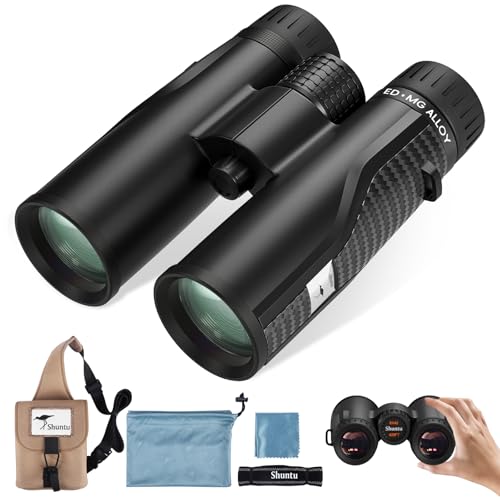
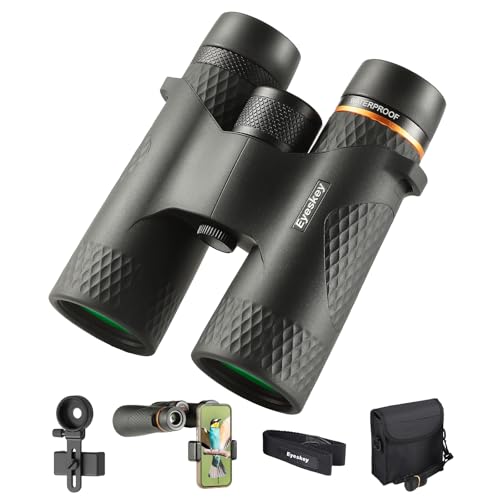
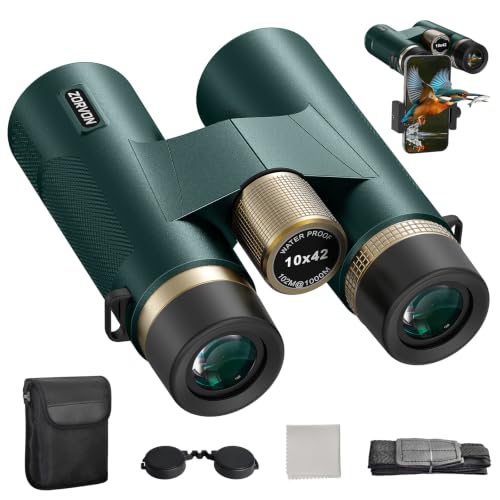
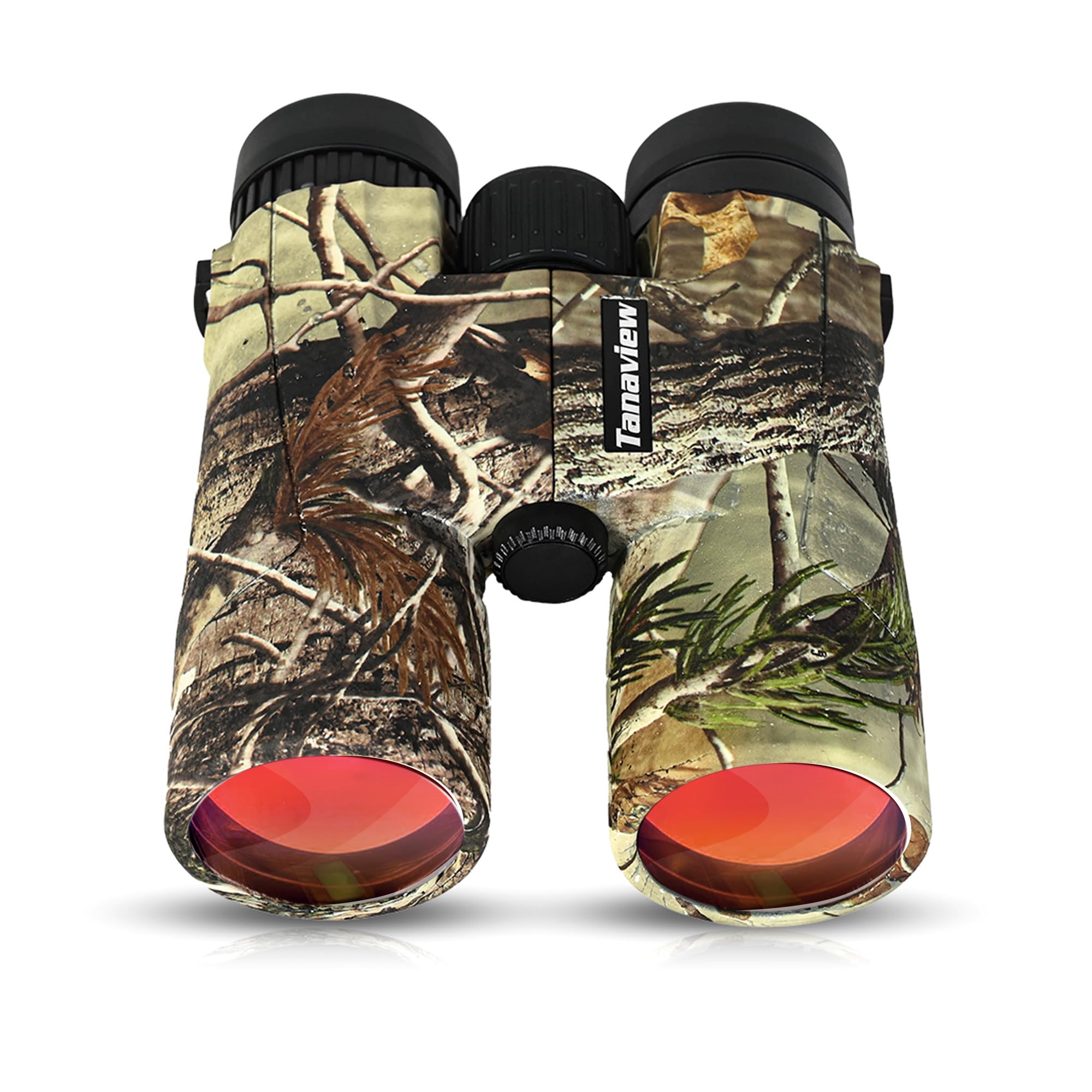

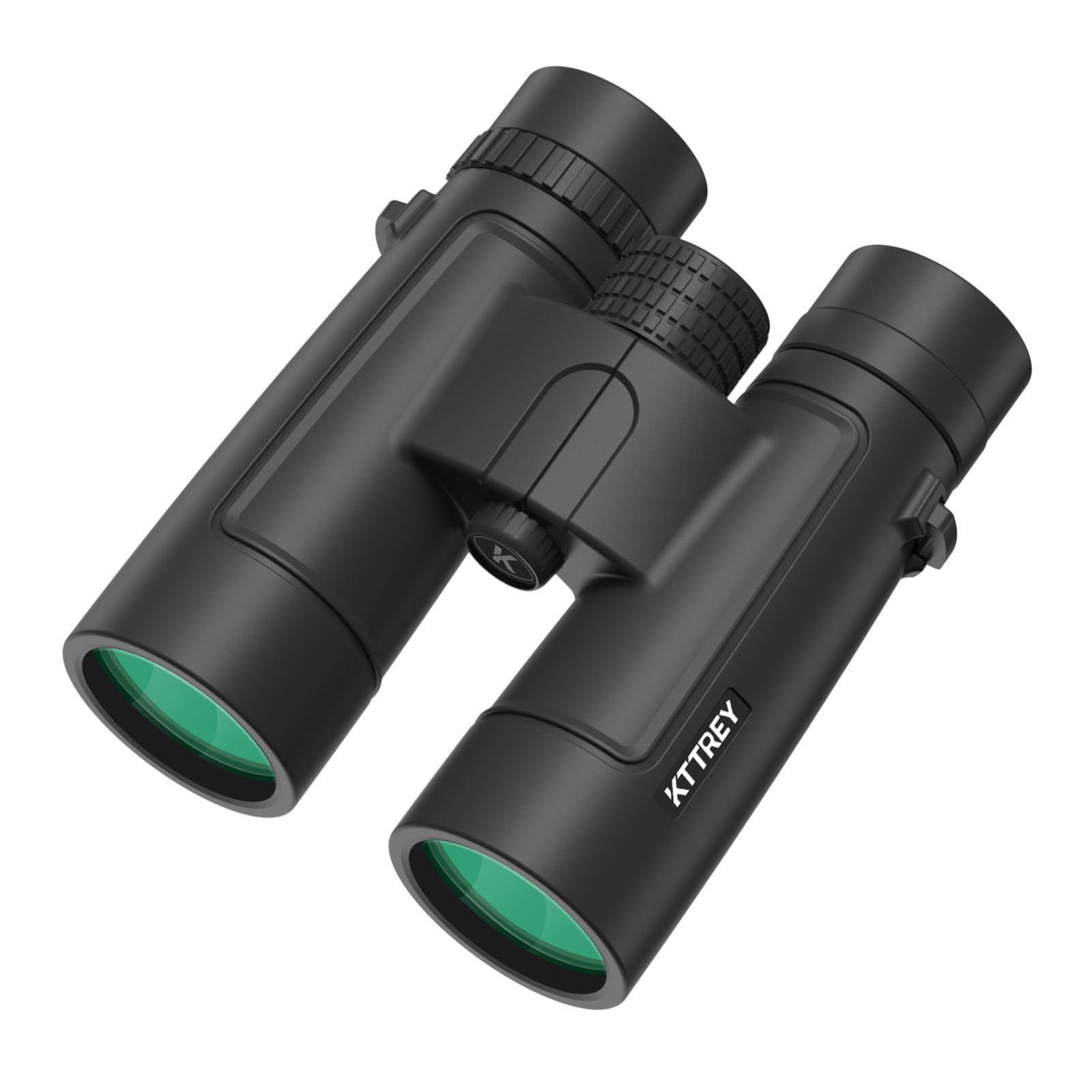


Best 10x42 Binoculars for Bird Watching at Each Spending Level
Before comparing glass, match the price band to your actual birding. A backyard watcher, a weekend trail birder, and someone chasing warblers at dawn in the rain put very different demands on the same 10x42 format.
Getting Started for Under About $100
This level suits new birders, spare pairs for the car, and anyone trying out whether 10x magnification feels steady in their hands. Expect a usable center image, basic coatings, and a focus wheel that may feel stiff on cold mornings. Color can look slightly washed out in backlight, yet you can still separate a song sparrow from a house sparrow at normal ranges. If your birding is mostly bright midday outings close to home, this band covers the basics without regret.
The Working Middle at About $100 to $300
Most regular birders land here, and it is where the view improves the fastest per dollar. This band suits people who bird several times a month, travel for migration weekends, or watch in mixed light under tree cover. Images gain contrast, edges stay cleaner, and the focus wheel usually turns smoothly with one finger. If you are comparing options in this band, our guide to the best budget binoculars for bird watching explains how the lower priced end of the range is put together.
The Top Shelf at About $300 to $600 and Beyond
Serious birders who are out at dawn, in drizzle, and on long walks tend to choose this level. The gains are real but narrower: brighter views in poor light, a wider and flatter field, and mechanics that still feel precise after years of daily use. This band also suits birders who wear glasses full time, since generous eye relief is common here. The image will not show you new species, but it will tire your eyes less across a long morning.
What Actually Changes as the Price Climbs
Price tags rise in steps, and each step tends to upgrade a specific part of the optical system. Knowing which part matters to birding keeps you from paying for improvements you will never notice in the field.
Glass and Coatings at Each Step
Entry pairs use simpler glass with coatings on some surfaces, so less light reaches your eyes and colors drift slightly. The middle band usually adds fully multi coated optics and ED glass elements, which tighten up color fringing around high contrast edges like a white egret against dark water. Premium pairs refine this further with better corrected fields, so birds near the edge of the view stay recognizable instead of smearing into streaks.
Build, Sealing, and Warranty Length
Cheaper housings are often plastic over a light frame, fine for dry days but less forgiving of a drop onto gravel. Mid priced pairs add rubber armor, nitrogen filled tubes, and O ring seals that keep internal fogging out when you step from an air conditioned car into humid air. At the top end, magnesium housings cut weight while adding strength, and warranties stretch longer, which matters on a tool you may carry for a decade.
Focus Speed and Handling in the Field
Birds rarely sit still, so the center focus wheel earns its keep every outing. Budget wheels can need two full turns from close focus to distance, which is slow when a warbler hops between branches. Better pairs focus through that range in about one turn with steady resistance. Close focus distance also improves with price, dropping from around 10 feet to near 6 feet, a real help with butterflies and tame feeder birds.
Features That Earn Their Cost, and a Few That Do Not
Size, Weight, and Carrying Comfort
A 10x42 pair typically weighs about 22 to 28 ounces, and that weight hangs on your neck for hours. Lighter premium housings and a wide padded strap make the difference between a pair you bring and a pair you leave in the car. If you mostly watch from a deck or a car window, a slightly heavier budget pair is no burden at all. Readers weighing smaller formats can see how the sizes stack up in our guide to the best size binoculars for bird watching.
Why Bird Watching Demands Fast Focus and a Wide View
Birding is a locating sport before it is a viewing sport. A field of view around 315 feet at 1,000 yards or wider helps you find a moving bird and stay on it, and a smooth focus wheel lets you snap from a near branch to a distant treeline. Aim for that field width, a close focus under about 8 feet, and eye relief of 15 mm or more if you wear glasses. These numbers matter more to birders than to almost any other binocular buyer.
Magnification and the 42 mm Objective Lens
The 10 in 10x42 means birds appear ten times closer, while 42 mm is the diameter of the front lenses gathering light. Dividing 42 by 10 gives a 4.2 mm exit pupil, which keeps the image reasonably bright at dawn and dusk for most adults. Higher magnification also magnifies hand shake, so the 10x42 balance suits birders who want reach for shorebirds and raptors without a tripod. One rule applies at every price: never point any binocular at the sun, and follow the manufacturer's instructions for safe use.
Color Fidelity and Low Contrast Detail
Many bird identifications turn on subtle color: the olive wash on a warbler, the exact tone of a sparrow crown. Better glass renders those tones faithfully, while cheap optics can shift whites toward yellow and mute fine contrast in shadow. This is where ED glass and quality coatings pay off most, because no amount of magnification fixes a color that was never delivered to your eye. If you often bird in flat, overcast light, put your money here before anywhere else.
Ownership Costs Beyond the Sticker Price
Budget for a few extras alongside the binoculars themselves. A harness strap that moves weight to your shoulders costs about $25 to $50 and saves real neck strain, while a rain guard, lens cloths, and a hard case for travel add about $20 to $40 over the years. Eyecups and focus wheels can wear, so a brand with an accessible repair service protects your purchase. Birders who split time between trails and travel may also keep a smaller spare pair, and our guide to the best compact binoculars for bird watching covers that lighter format.
Frequently Asked Questions
What features matter most in 10x42 binoculars for bird watching?
Fast, smooth center focus matters most, because birds move and you refocus constantly. After that, look for a field of view of about 315 feet at 1,000 yards or wider, fully multi coated optics, and a close focus under about 8 feet. Waterproof and fog proof sealing protects the pair in real weather. Weight under about 26 ounces keeps the pair comfortable on long walks, and generous eye relief helps if you wear glasses.
Which handles dawn and dusk birding better, 8x42 or 10x42 binoculars?
An 8x42 pair is slightly brighter and steadier, since its 5.25 mm exit pupil delivers more light and lower magnification shows less hand shake. A 10x42 pair pulls distant birds closer, which helps with shorebirds, waterfowl, and raptors across open water. For woodland birding at first light, many birders prefer 8x42, while open country watchers lean toward 10x42. Either format beats a small compact pair once the light drops in the evening.
What does 10x42 mean on a pair of binoculars?
The first number is magnification, so objects look ten times closer than with the naked eye. The second number is the objective lens diameter in millimeters, and a larger number gathers more light. Together they set the exit pupil when you divide 42 by 10, giving 4.2 mm here. A bigger exit pupil generally means a brighter image in dim light, which is why 10x42 stays popular for birding at the edges of the day.
How much should a first time bird watcher spend on 10x42 binoculars?
About $100 to $200 buys a genuinely satisfying first pair with coated glass, waterproof sealing, and a focus wheel you will not fight. Spending less often means dimmer optics that can make identification harder and learning slower. Spending more makes sense once you know you bird weekly and in poor light. A sensible path is to start in the middle band, then upgrade later and keep the first pair as a car or guest spare.
Can a smartphone replace 10x42 binoculars for bird watching?
A smartphone helps with recording sightings and snapping a quick record shot, but it cannot replace binoculars for finding and studying birds. Phone zoom is mostly digital cropping, so distant birds turn into grainy shapes with little feather detail. Screens also wash out in bright sun, right when birds are active. Use the phone for notes, field guide apps, and photos of cooperative birds, and let the binoculars do the actual watching.
Final Thoughts
Spend first on focus speed, field width, and honest glass, since those three decide how many birds you actually identify. The product table gives you a range of prices to compare, and the best 10x42 binoculars for bird watching for your budget is the pair whose tier matches how often and how early you bird. Readers still weighing overall value can compare notes in our guide to the best value binoculars for bird watching before deciding.