
Best Brooks Running Shoes Mens 2026: Types, Fit and Value
Disclosure: We may earn a commission when you buy through links on this page, at no extra cost to you. As an Amazon Associate I earn from qualifying purchases. Learn more

Which Brooks fits your stride? Compare neutral, stability, speed and trail shoes for men, with sizing and replacement tips.
Choosing the best brooks running shoes mens range has to offer starts with your stride, your weekly mileage and the surface you run on, not with the newest colorway. Brooks focuses only on running, so even inside the men's line the shoes split into clear groups: neutral cushioned trainers, stability shoes, lightweight speed shoes and trail shoes.
This guide shows how to match a group to your body and routine, how to size men's running shoes properly, and when to replace a pair. The product table gives a quick way to compare what is available once you know which group you need.
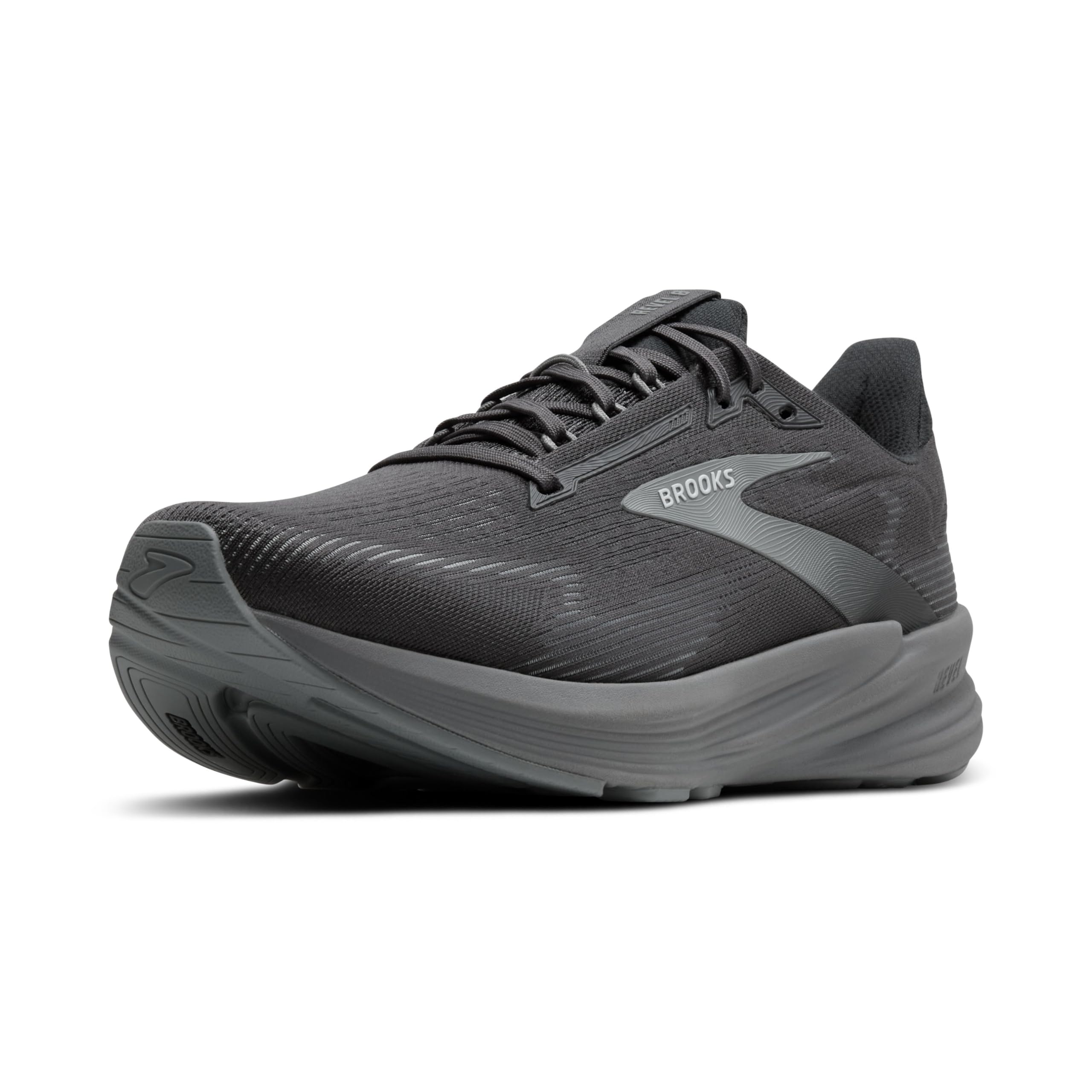
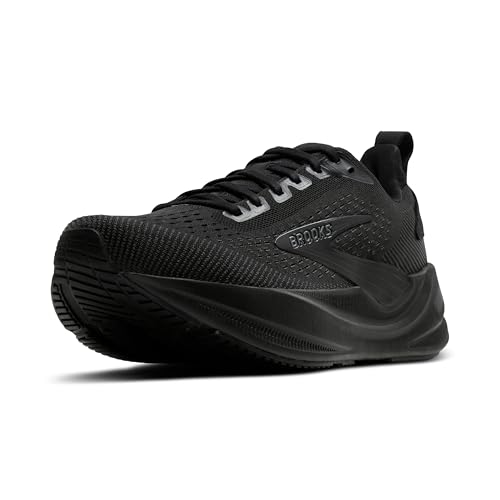
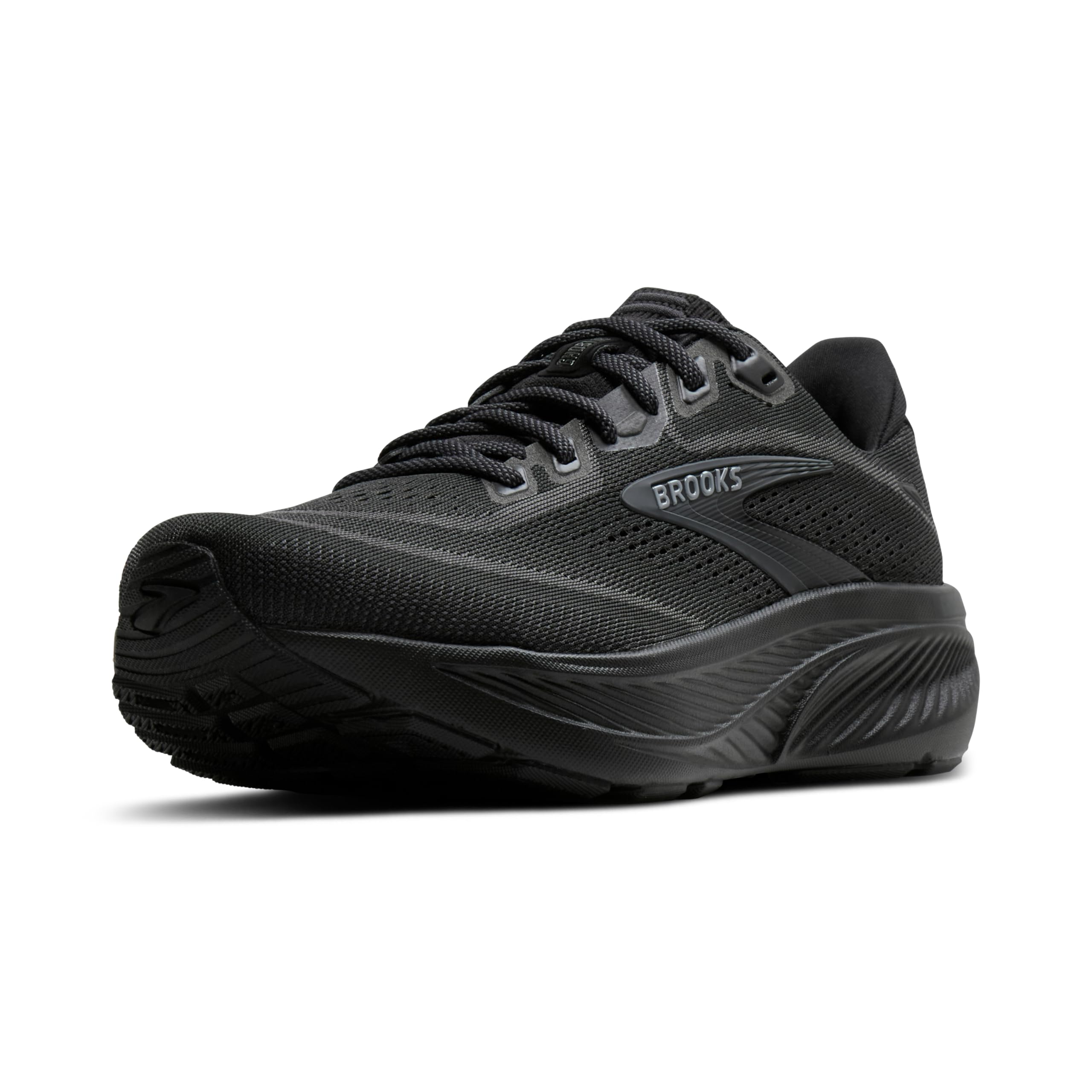

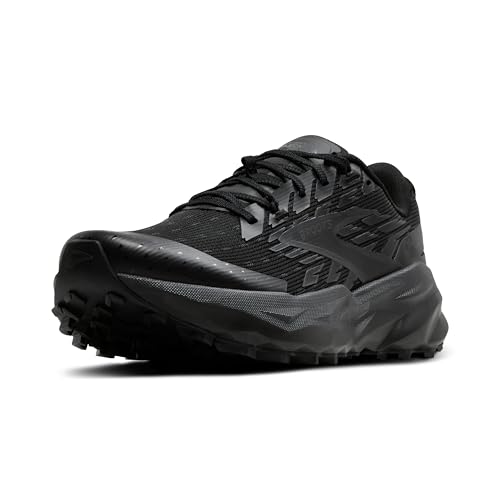
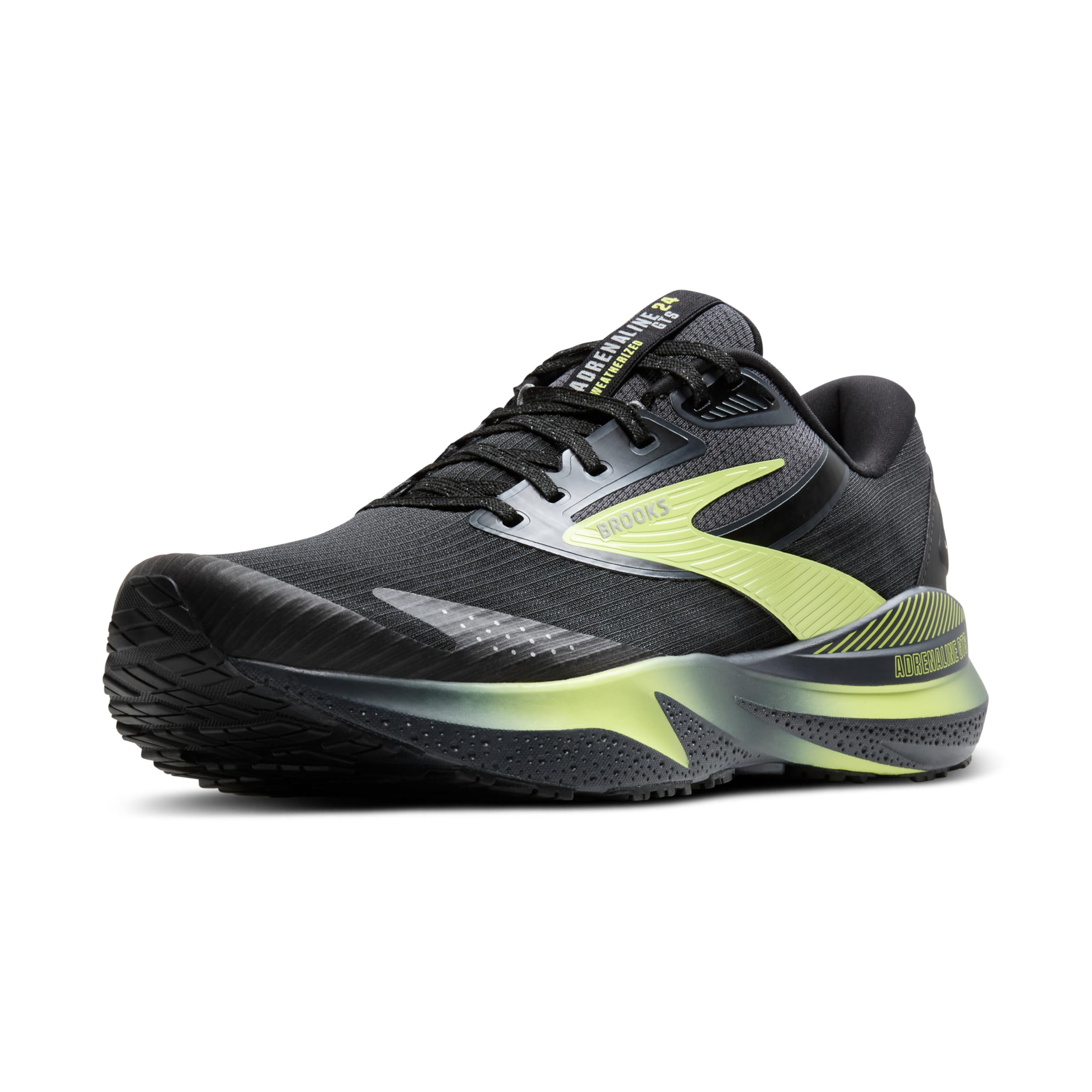
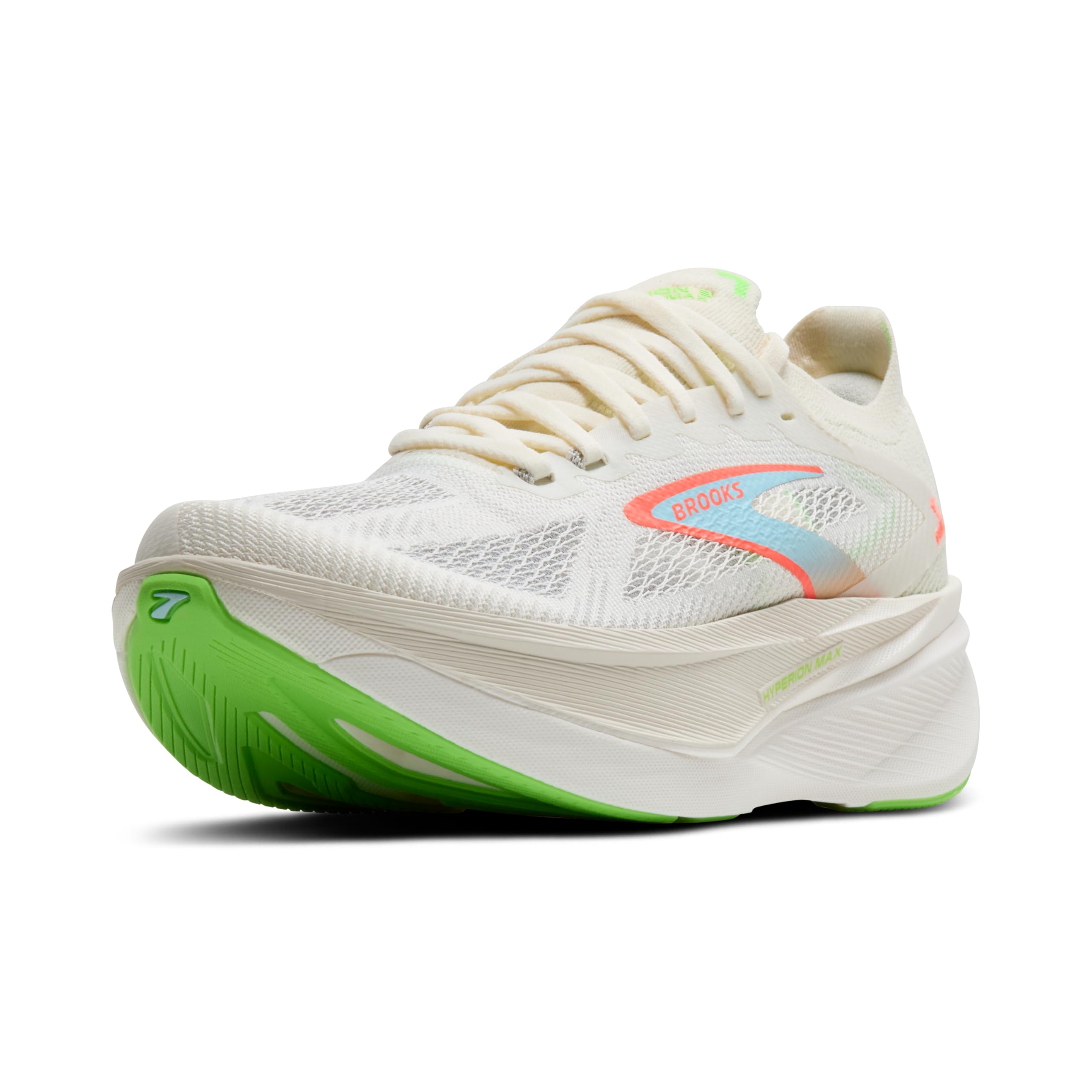
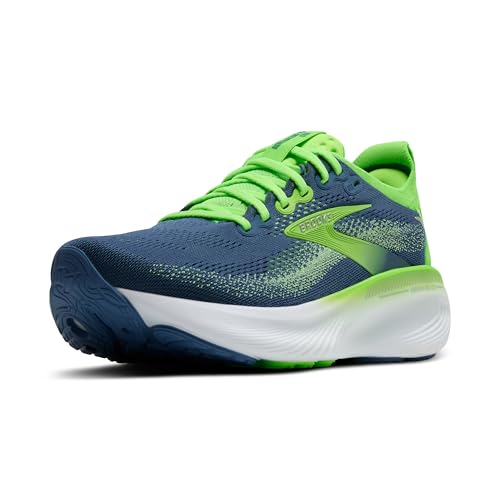
Matching Brooks Running Shoes Mens Styles to Your Run
Brooks organizes its men's range around how your foot moves. A neutral shoe lets the foot roll naturally, a stability shoe adds guidance for feet that roll inward, and a speed or racing shoe trades cushion for low weight. Trail shoes add grip and protection. Pick the group first, then compare individual shoes within it.
Neutral Cushioned Daily Trainers
Neutral daily trainers are the default choice for most men who run three or four times a week on roads. They offer soft, protective cushioning and a smooth heel to toe roll, and they hold up across hundreds of easy miles. If you have no history of overpronation and your last pair felt fine, start here.
Stability Shoes for Feet That Roll Inward
Stability shoes use guide rails or a firmer medial side to keep the foot from collapsing inward. They suit runners with flatter arches or those who notice the inside edge of their old shoes wearing down first. Heavier runners also like the extra structure on long runs.
Lightweight Shoes for Faster Days
Lightweight trainers and speed shoes feel quick and responsive, with less foam under the foot. They work for tempo runs, intervals and race day, but most runners do better using them alongside a cushioned daily shoe than as their only pair.
Trail Shoes for Mixed Surfaces
Trail shoes add deeper lugs, a stronger toe guard and a sturdier upper. They are the right choice for dirt paths, gravel and wet grass, and they feel firm and slightly slow on smooth pavement. Match the lug depth to the terrain you actually run.
Sizing and Fit for Men
Men's lasts are usually wider through the forefoot than women's, but the width options vary by model. Measure your feet in the evening when they are at their largest, and leave about a thumb's width between your longest toe and the front of the shoe. Your heel should stay locked in place when you flex, and the midfoot should feel snug but not tight.
If you run long distances, consider going up half a size, because feet swell as the run goes on. If you are between sizes or have broad feet, look for a model offered in a wide width rather than forcing a standard fit. A shoe that pinches in the first mile will not get better later.
Cushioning Versus Ground Feel
Cushioning is a personal preference. Max cushioned shoes feel soft and protective on recovery days and long slow runs. Moderate cushioning gives a balance of comfort and road feel for daily mileage. Firmer, thinner shoes feel direct and fast but ask more of your legs. Try to match cushioning to the run: soft for easy days, firmer for speed days.
Heel to toe drop also changes how a shoe feels. A higher drop shifts some load from calves to knees, while a lower drop does the opposite. If you are changing drop, do it gradually and keep early runs short.
Whatever the type, the best brooks running shoes mens runners rave about share three traits: a secure heel, enough toe room and cushioning that suits the run. If a shoe misses on fit, no amount of technology will rescue it, so give comfort in the first few minutes more weight than any feature list.
What to Spend
Brooks men's shoes cover a wide price range. Entry models sit around $70 to $100 and suit new runners and easy mileage. Mainstream daily trainers and stability shoes are often around $110 to $150. Max cushioned and speed oriented models can run higher. Past a certain price you are paying for specialized foam or racing features, so spend more only if the shoe fits a specific need.
Because running shoes are replaced regularly, cost per mile matters. A mid priced shoe that lasts 400 miles can cost less per run than a cheap pair that breaks down in 250.
Common Mistakes to Avoid
- Buying a stability shoe because it sounds safer, when your feet do not need it.
- Choosing by color or by a friend's recommendation instead of by fit.
- Using trail shoes for daily road mileage, which wears the lugs quickly.
- Keeping shoes for too many miles because the upper still looks good.
- Skipping a proper sock when trying shoes on.
Care and When to Replace
Rotate between two pairs if you run often, since foam recovers between runs. Clean mud off with a soft brush and cool water, remove the insoles to dry, and stuff the shoes with paper rather than putting them near a radiator. Heat can warp the foam and weaken the glue.
Most running shoes last roughly 300 to 500 miles. Replace them when the midsole feels flat, the outsole is worn smooth, or you notice new aches in your knees, shins or feet. If pain lasts more than a few days or you notice swelling or numbness, see a clinician rather than relying on new shoes to fix it.
Related Guides
For a wider look at running footwear, see our guide to the best running shoes and the broader best brooks running shoes page. If heel pain is your concern, read best brooks men's running shoes for plantar fasciitis, and for rough ground look at best men's trail running shoes. Women can start with best brooks running shoes women.
Frequently Asked Questions
Do Brooks men's running shoes run true to size?
Most runners find Brooks close to true to size, though some models run snug in the toe box. Try them with your running socks, and choose a wide width if your forefoot feels squeezed.
Which Brooks type is best for a heavier runner?
Heavier runners often prefer well cushioned neutral or stability shoes because the extra foam and structure hold up better over time. Check fit first, then cushioning.
Can I wear running shoes for work or walking?
Yes. Cushioned running shoes are a popular choice for walking and for jobs that keep you on your feet. Keep in mind that wear shortens shoe life for running, so retire a worn pair from runs first.
How many miles do Brooks running shoes last?
Most pairs last about 300 to 500 miles, depending on your weight, running style and surface. Lighter speed shoes tend to wear faster than sturdy daily trainers.
Should I buy two pairs at once?
Many runners do. Alternating a cushioned daily shoe with a lighter pair gives your legs variety and extends the life of both.
Final Thoughts
The best brooks running shoes mens shoppers can buy are the ones that match their stride and mileage. Pick the group first, size carefully, and spend where it changes how the shoe feels on your runs.
Use the product table above to compare current options within your group, and replace shoes before they stop protecting you.


