Best Brooks Trail Running Shoes 2026: Grip, Protection and Fit by Terrain
Disclosure: We may earn a commission when you buy through links on this page, at no extra cost to you. As an Amazon Associate I earn from qualifying purchases. Learn more

Best Brooks trail running shoes: how Cascadia, Ghost Trail, Catamount, Divide and Caldera differ, and how to match grip and protection to your routes.
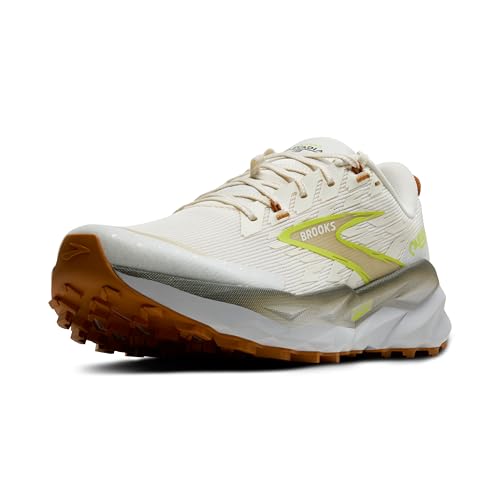
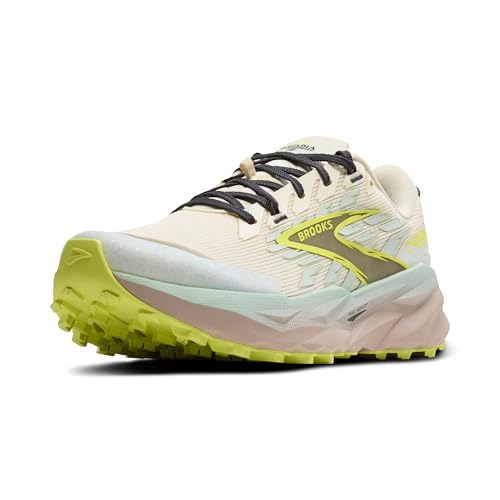
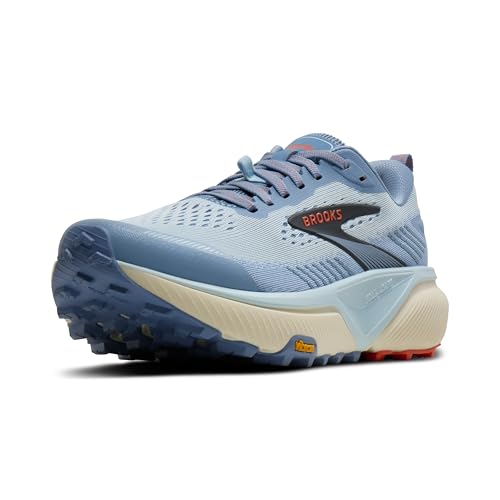
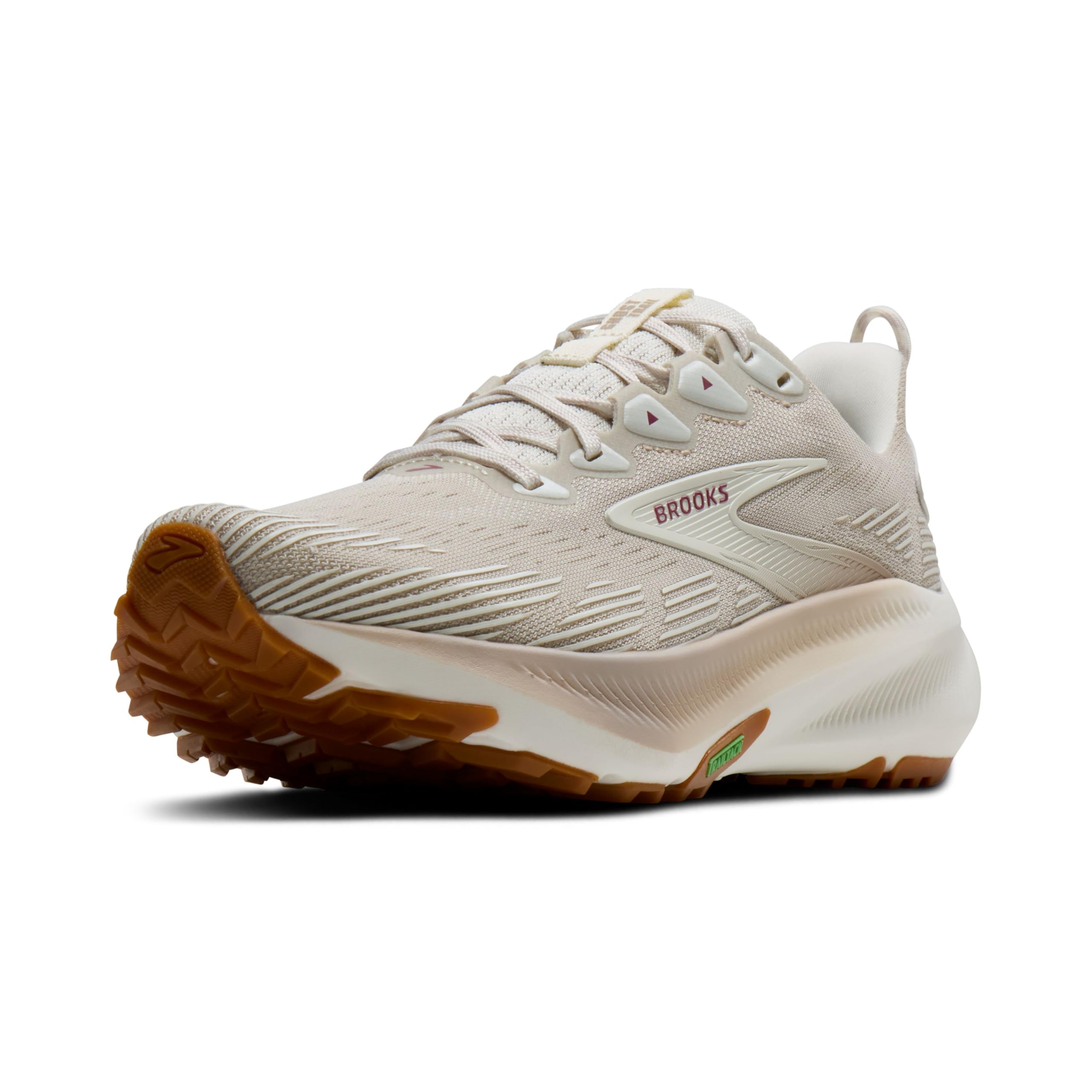
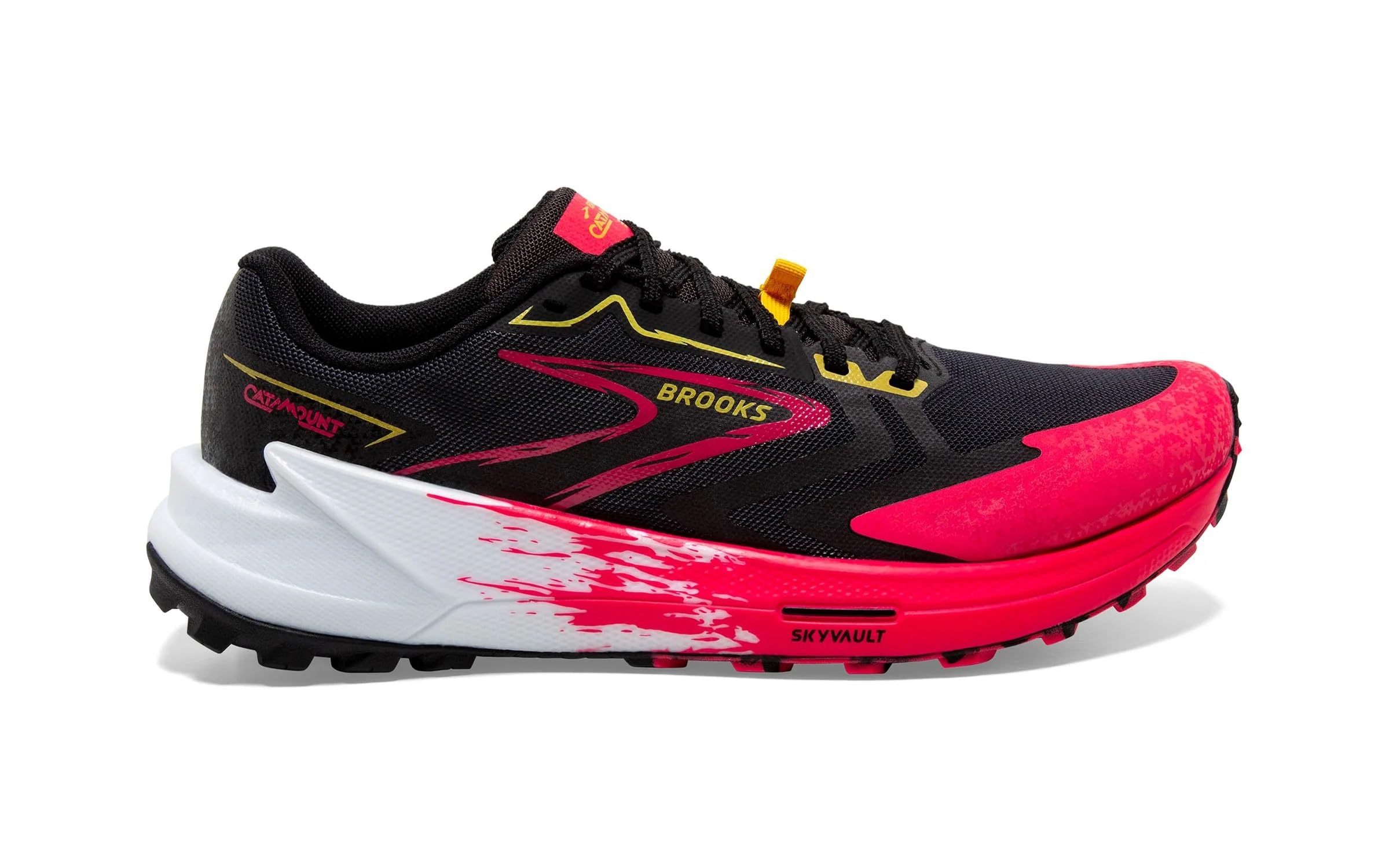
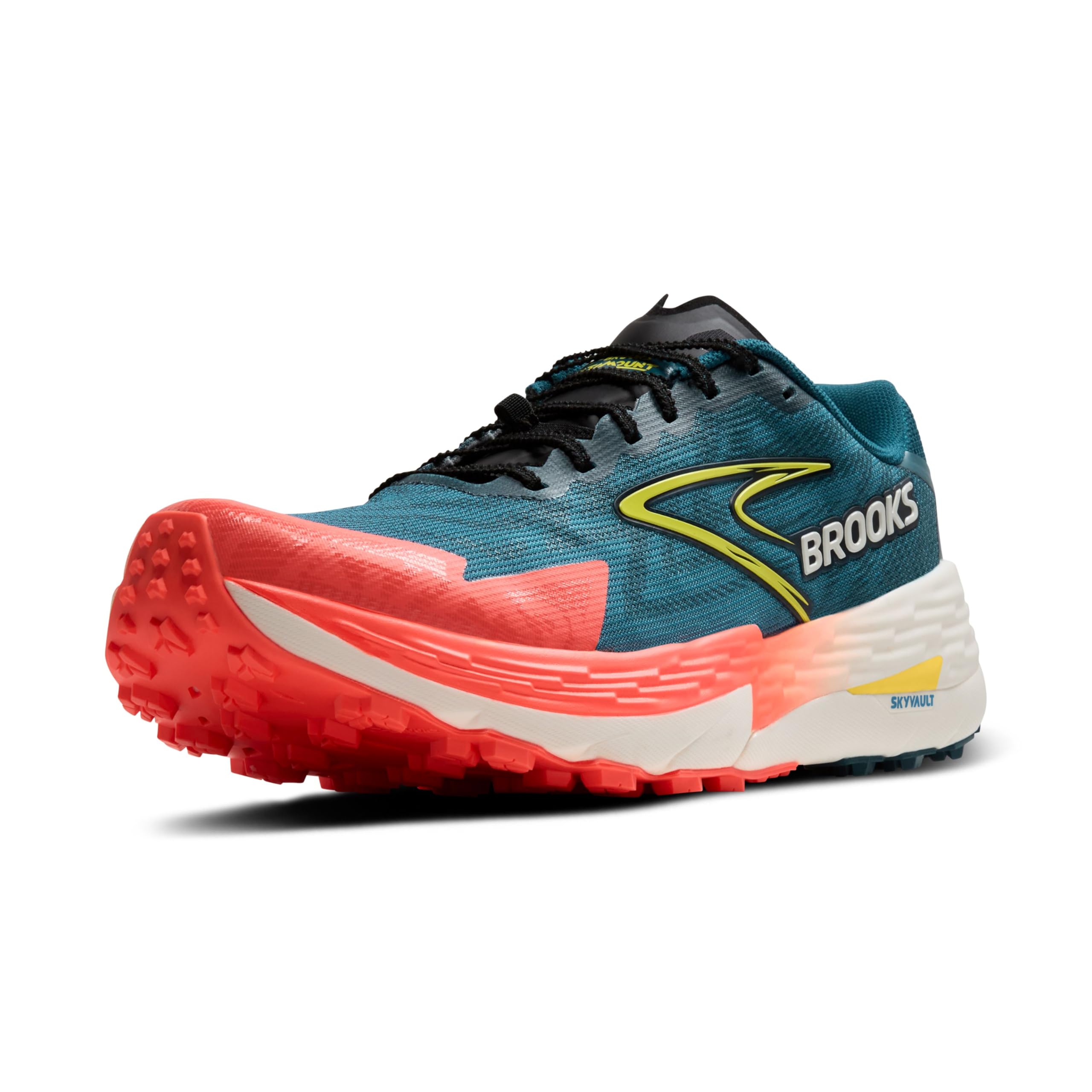
The best brooks trail running shoes combine a familiar Brooks fit with deeper lugs, a tougher upper and extra underfoot protection for dirt, rock and mud. Brooks sells trail shoes for gentle park paths, for rugged mountain terrain and for fast, light running on groomed trails. The table below lists current options, and this guide explains how the main lines differ so you can match one to your routes.
The right pair depends on where you actually run. A shoe built for sharp rocks and deep mud feels heavy and stiff on a smooth gravel path, while a light, flexible shoe can be punishing on a technical descent. Think about terrain, distance and weather first, then compare models.




The Main Brooks Trail Lines
The Cascadia is the best known Brooks trail shoe. It has a protective rock plate, a durable upper and a grippy outsole, which makes it a favorite for mountain trails, long days and rough ground. It is a stable, well cushioned shoe rather than a minimalist one, so it suits runners and hikers who value protection.
The Ghost Trail takes the soft, forgiving ride of the road Ghost and adds trail grip. It is a good choice for runners who split time between roads and park trails and want one shoe for both. The Divide is a more affordable trail shoe for mixed routes, with a road-like feel and moderate lugs, and a Gore-Tex version exists for wet weather.
The Catamount is lighter and faster, with a responsive feel for race days and quick training runs. The Caldera is a heavily cushioned trail shoe for long distances, with a thick midsole that reduces fatigue over many hours.
Key Features to Compare
Grip and Lugs
Deep, widely spaced lugs bite into mud and loose soil, while shallow lugs run smoother on hard-packed trails and feel better on pavement. Check the outsole pattern for the surfaces you meet most, and look for sticky rubber if your routes include wet rock.
Rock Protection
A rock plate or a firm forefoot guard protects the underside of the foot from sharp stones. It adds a little stiffness and weight, which you may notice on smooth paths. If your trails are rocky, it is a feature worth keeping.
Cushioning for Distance
Softer cushioning helps on long runs and on downhills, where impact builds up. A firmer ride gives better ground feel on technical terrain, where foot placement matters. Many runners choose a cushioned shoe for long days and a lighter shoe for short, fast runs.
Fit and Lockdown
A secure midfoot and heel stop the foot sliding on descents, which prevents blisters and black toenails. A roomy toe box lets the toes spread, and toes should not hit the front of the shoe when you run downhill. Trail shoes often fit slightly more snugly in the midfoot than road shoes.
Weight and Drainage
Lighter shoes tire your legs less, but they usually give up some protection. Uppers that drain and dry quickly are more comfortable after stream crossings and wet grass. Waterproof membranes keep rain out but dry slowly if water gets in over the collar.
Choosing by Terrain
- Smooth park trails and gravel: a Ghost Trail or a Divide is comfortable and versatile.
- Rocky mountain trails: a Cascadia gives the most protection and durability.
- Fast, light running: a Catamount keeps the weight down and the ride lively.
- Long distances and ultra days: a Caldera or a Cascadia provides cushioning that lasts.
- Wet, cold conditions: a waterproof model keeps feet drier, though breathability suffers.
Fit Tips for Trail Running
Try shoes with your usual running socks, in the afternoon when feet are slightly bigger. Leave about a thumb width ahead of your longest toe. Walk down a slope in the shop or at home to check that your toes do not slide forward. If your heel slips, use the extra lace eyelet to make a heel lock, and retie the laces after the first mile when your feet settle.
Care and Replacement
Brush off dried mud and let shoes air dry away from direct heat, which can damage foam and glue. Remove the insoles to dry them separately. Caked mud adds weight and hides wear, so clean the outsole regularly. Trail shoes often wear faster on rocky ground than on smooth paths, so judge by lug wear, cushioning feel and upper tears, and replace them when grip fades or foot pain returns on familiar routes.
Budget and Value
Brooks trail shoes cost from roughly $90 to about $180. A mid-priced shoe covers most runners, a lower-priced model suits smooth trails, and a higher price typically buys lighter foams, better grip rubber or a longer-lasting upper. Previous versions of popular models are often discounted when new ones arrive, and they are usually very similar.
Common Mistakes to Avoid
Choosing by looks alone is common, as is buying a very aggressive tread for smooth trails. Others include sizing too small for downhill running, ignoring the need for rock protection on stony routes and wearing a pair long after the lugs have worn down.
Hiking, Road-to-Trail and Everyday Use
Many people buy trail running shoes for hiking, dog walks and weekend adventures too. The sturdier Cascadia works well for this, because it protects the foot and keeps its shape under a light pack. If your runs start on pavement before reaching the trail, a Ghost Trail or Divide handles the road section without feeling harsh, while a very aggressive tread wears quickly on asphalt.
Trail shoes can also serve as a winter shoe. Deep lugs help on frosty paths and slippery leaves, and a protective upper keeps debris out. Pair them with warm, wicking socks and check that you can still wiggle your toes.
Stability and Support on the Trail
Uneven ground asks a lot of the ankle. A wide, stable base and a snug midfoot help you stay balanced, and a firm heel counter reduces wobble on side slopes. If you tend to roll your ankles, avoid very tall, soft stacks and choose a shoe that feels planted. Practicing on easier trails first lets you learn how the shoe handles before you tackle rougher routes.
Runners who overpronate on roads may notice that the trail surface naturally varies the foot strike. Most still do well in neutral trail shoes, but if you rely on stability shoes for road running, try the trail version on short runs first.
Related Guides
For more options, see best brooks running shoes, best men's trail running shoes, best trail running shoes for women and best running shoes.
Frequently Asked Questions
How do trail shoes differ from road shoes?
Trail shoes add deeper lugs, tougher uppers and often rock protection, while road shoes focus on smooth cushioning and low weight. Trail shoes can feel firmer on pavement, and road shoes can slip on mud.
Should trail shoes be waterproof?
Waterproof shoes keep light rain out but dry slowly once water gets in over the collar. For wet, cold conditions they help, but on warm, muddy runs a breathable shoe that drains often feels better.
How much toe room do I need?
About a thumb width ahead of your longest toe. Toes should not hit the front when you run downhill.
How long do trail shoes last?
Often 300 to 500 miles, less on rocky ground. Check the lugs, the cushioning and the upper for wear.
Do I need gaiters?
They help on sandy or scree-covered trails by keeping debris out, but many runners skip them on smooth paths.
Final Thoughts
Choosing the best brooks trail running shoes comes down to terrain, distance and fit. Pick the line that matches your routes, check toe room on a downhill, and replace the shoes when the grip is gone.