Best Brooks Running Shoes for Men (2026): Types, Fit and Value
Disclosure: We may earn a commission when you buy through links on this page, at no extra cost to you. As an Amazon Associate I earn from qualifying purchases. Learn more

The best brooks running shoes for men depend on stride, mileage and width: compare neutral, stability and lightweight styles.
Choosing the best brooks running shoes for men starts with your stride, your weekly miles and the surface you run on, not with the newest colorway. Brooks focuses only on running, so even within the men's range the shoes split into clear groups: neutral cushioned trainers, stability shoes, lightweight speed shoes and trail shoes. This guide shows how to match a group to your body and your routine, and the product table gives you a quick way to compare what is available.
Men's lasts are usually cut with a roomier heel and forefoot than women's, and Brooks offers wide and extra wide sizes in many core shoes. That matters, because a shoe that squeezes the forefoot changes how the arch loads and can turn a good model into a sore one.
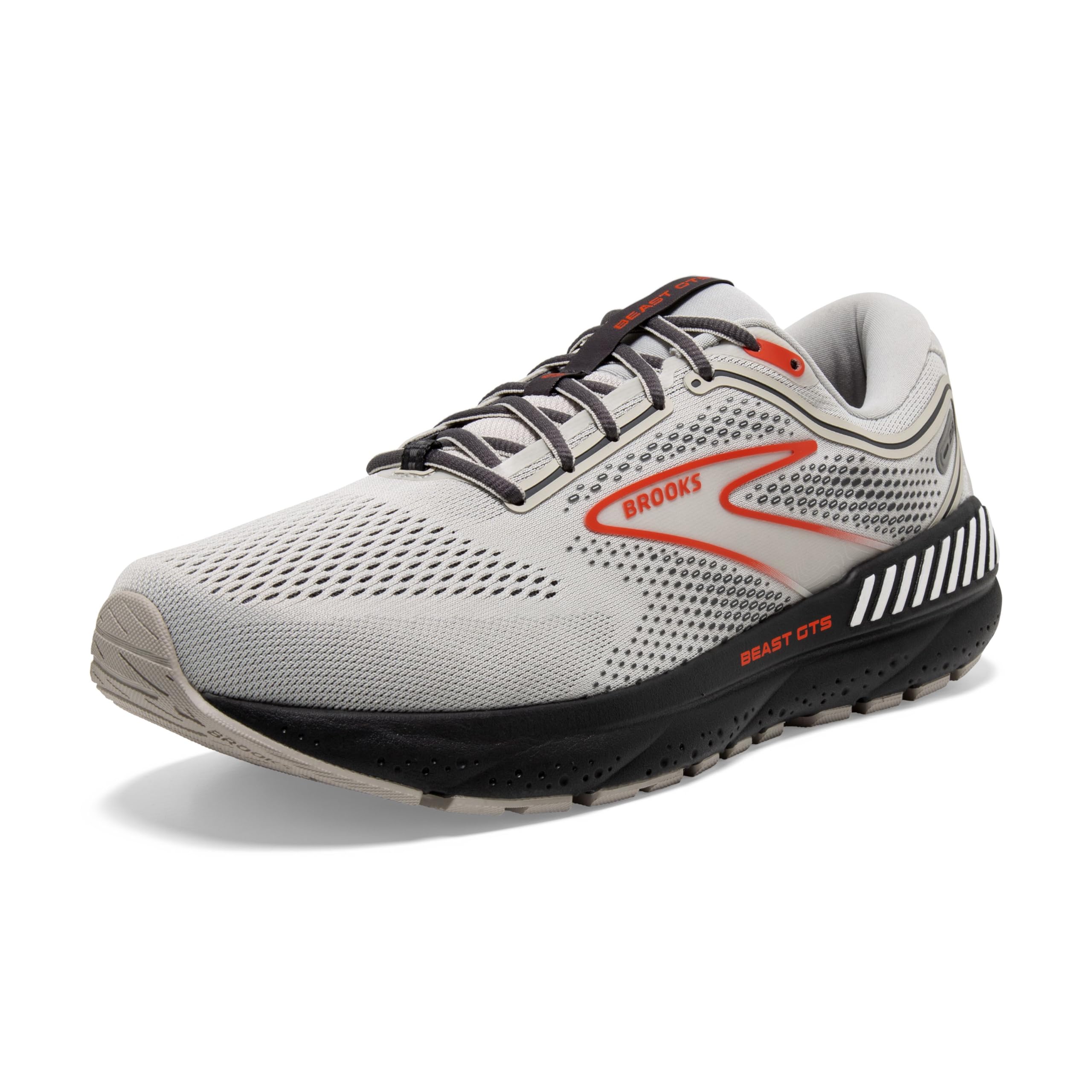
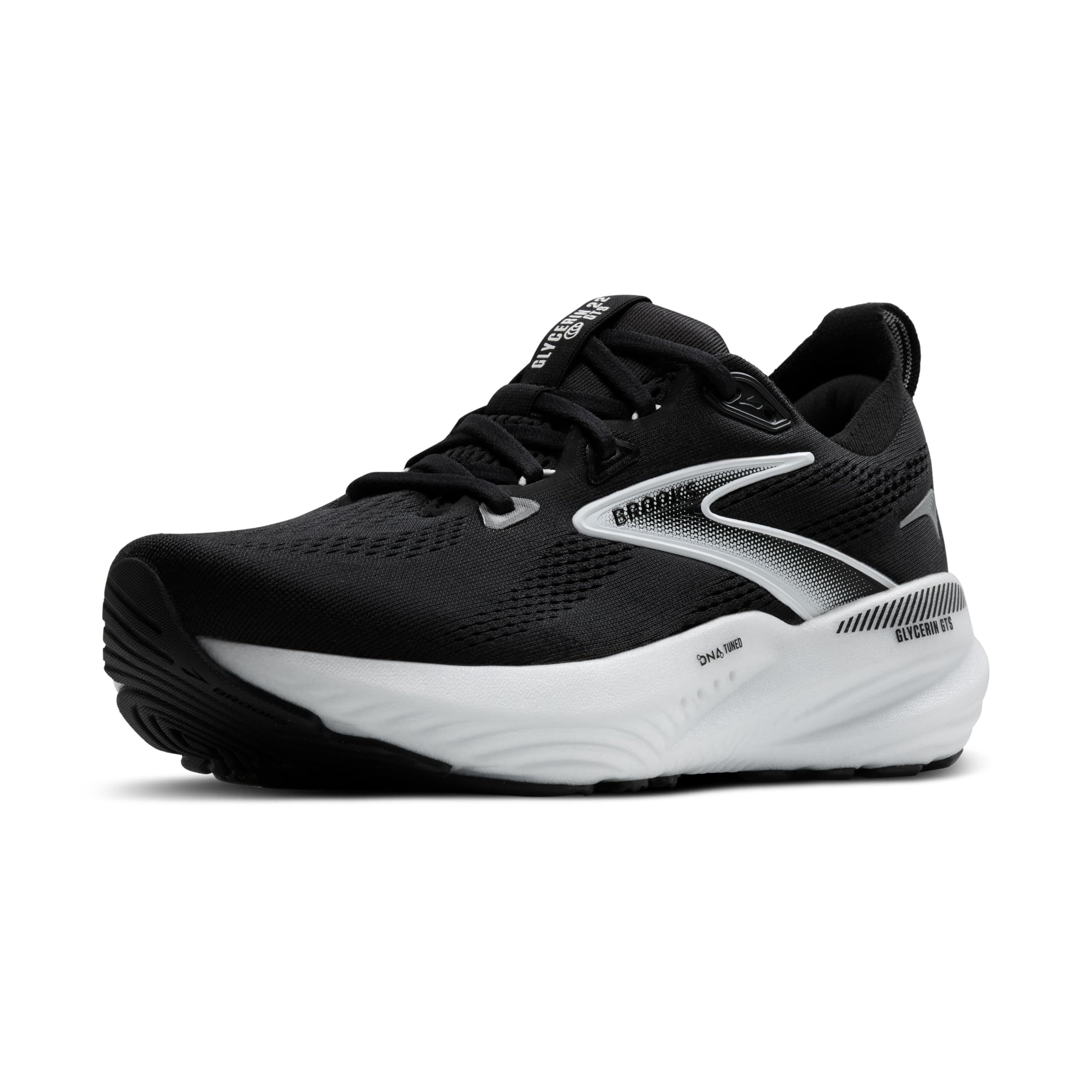
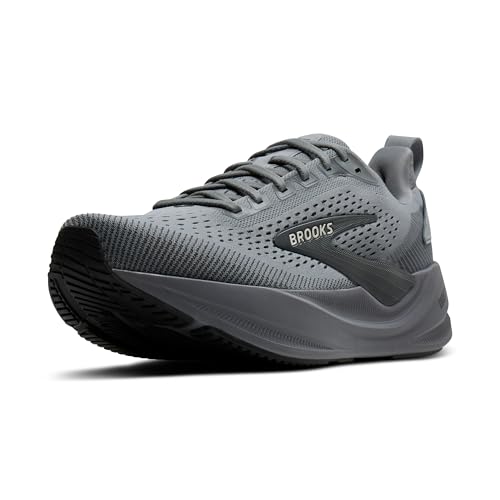
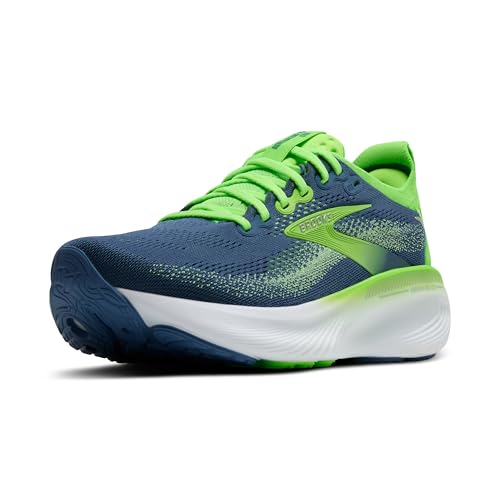
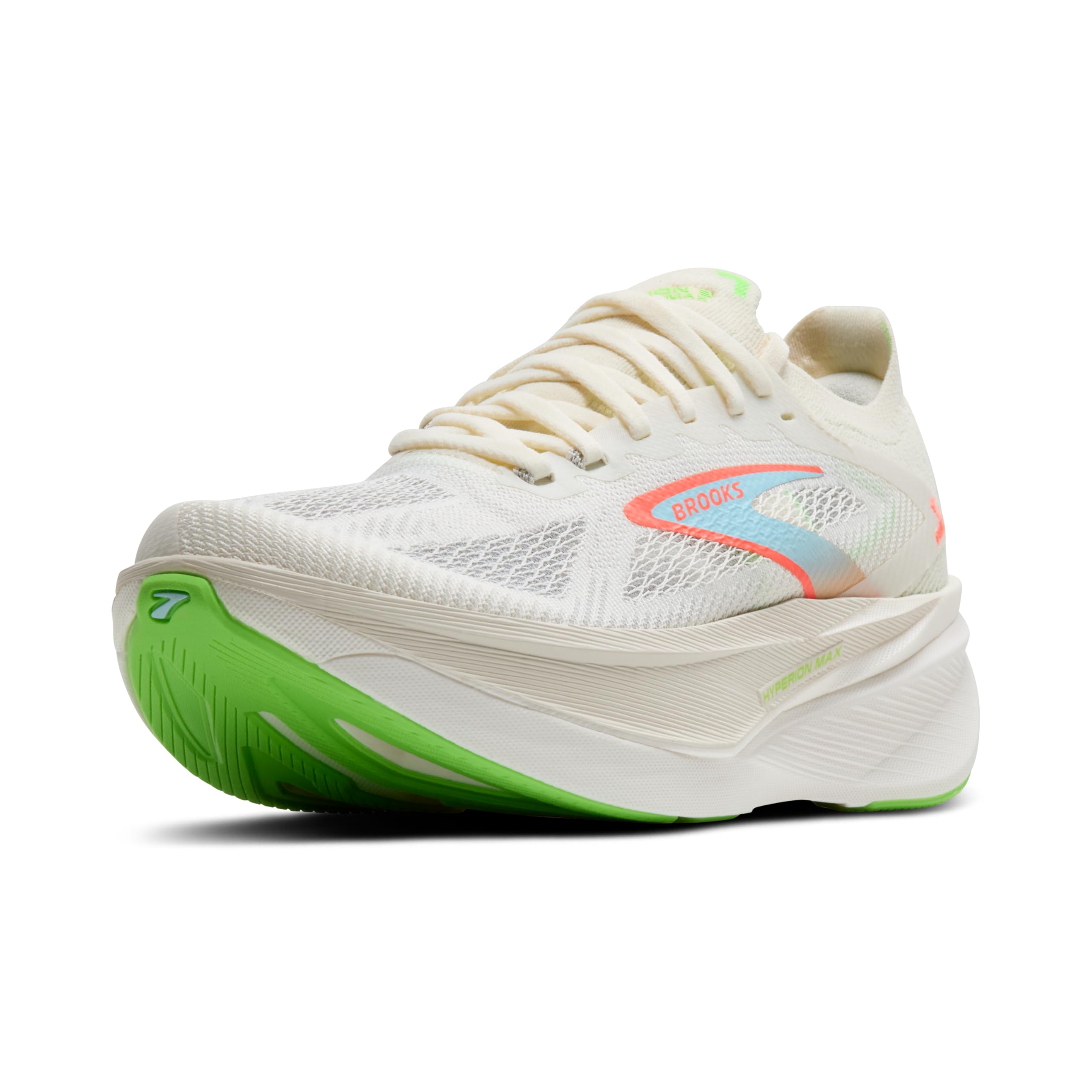


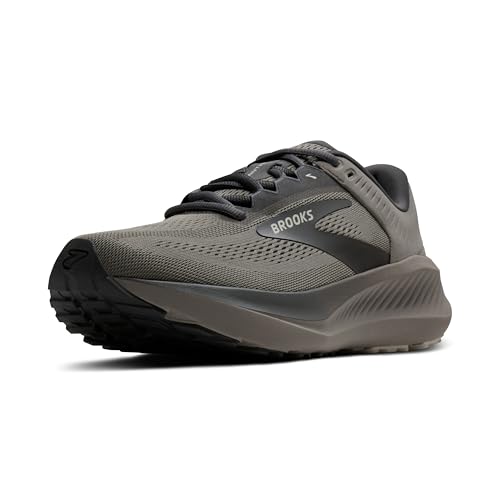
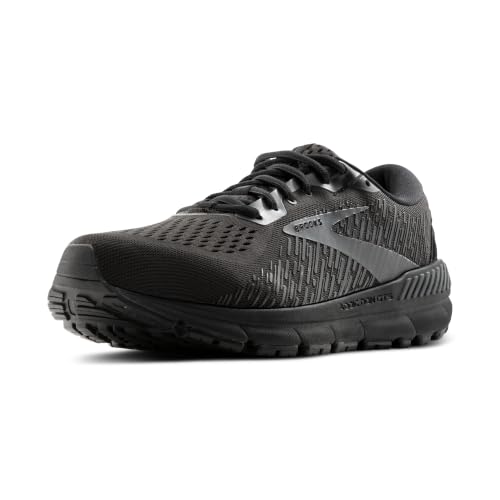
Choosing the Best Brooks Running Shoes for Men by Type
Neutral cushioned daily trainers
If your feet land fairly straight and your old shoes wear evenly, a neutral daily trainer is the usual starting point. These shoes put their effort into soft, resilient foam and a smooth heel to toe roll. They suit easy runs, long weekend miles and anyone who mostly runs on pavement. Heavier runners should look for denser foam that resists packing out early.
Stability shoes for feet that roll inward
Stability shoes add guide rails or firmer foam on the inner side to slow an inward roll. If the inner edge of your heel and forefoot wears first, or your ankles and knees ache on long runs, this group deserves a close look. Choose the level of support that matches your roll rather than the strongest shoe on the shelf, because too much posting can push the foot outward and cause its own soreness.
Lightweight shoes for speed days
Lightweight trainers trim foam and upper material for tempo runs, intervals and races. They feel quick but wear out sooner and cushion less over long distances. Many men keep one pair for workouts and a plusher pair for daily volume.
Trail shoes for mixed surfaces
Trail versions add lugs, rock protection and a sturdier upper. They are the right call for dirt paths and muddy parks, but the firmer ride can feel harsh on long road runs.
Key Features to Compare
- Cushioning feel: soft foam suits recovery and long slow runs, firmer foam feels more responsive at faster paces.
- Heel to toe drop: a higher drop around 8 to 12 mm eases calf and Achilles load, a lower drop asks more of them, so change drop gradually.
- Width: check wide and extra wide options before sizing up, since extra length does not add forefoot room.
- Outsole rubber: heavier men and high mileage runners wear through exposed foam quickly, so rubber coverage at the heel and forefoot matters.
- Upper: engineered mesh breathes well and stretches over wider forefeet, while structured overlays hold the midfoot better for stability shoes.
Read Your Wear Pattern First
Your old shoes already tell you which type to buy. Set them on a flat surface and look at them from behind. Even wear across the heel suggests a neutral stride. Heavy wear on the inner edge of the heel and forefoot, or a shoe that leans inward, points toward stability. Heavy wear on the outer heel suggests a foot that rolls outward and usually does best in a flexible neutral shoe with plenty of cushioning. A running store gait check adds useful evidence, but it does not replace a clinician if you have pain.
Also think about where you run. Mostly pavement favors a road shoe with durable rubber. Mixed routes with gravel or park trails favor a road to trail hybrid. Treadmill miles are easier on shoes, so a lighter and softer pair can last longer there.
Fit and Sizing Basics
The best brooks running shoes for men still need a proper fit check. Try shoes late in the day, when feet are at their largest, and wear the socks you run in. Leave about a thumb width of space ahead of your longest toe, keep the heel snug with little lift, and make sure the toes can spread without pressing the upper. Walk and jog in place before deciding, and use the extra top eyelet for a heel lock loop if the heel slips. If you use insoles or orthotics, bring them and check that the shoe still has depth with them inside.
What to Spend
Brooks pricing follows cushioning technology, durability and weight rather than looks. Entry road shoes cost roughly $90 to $120 and suit new runners and moderate mileage. Mid range models around $120 to $150 add fresher foam and lighter builds that regular runners notice on longer runs. Premium shoes around $150 to $180 target high mileage and comfort on hard surfaces. Last season versions often drop a price tier while keeping most of the design, which is a smart way to buy.
Common Mistakes to Avoid
- Buying the same size as everyday shoes without leaving run specific toe room.
- Choosing maximum cushioning for speed work, then feeling slow and unstable.
- Picking stability shoes without any sign that your foot rolls inward.
- Keeping shoes past 300 to 500 miles, after the foam has already flattened.
- Using road shoes on rocky trails, which wears the outsole fast and risks slips.
Care and Replacement
Air dry wet shoes at room temperature and keep them away from radiators, since heat warps foam and glue. Rotating two pairs lets the midsole rebound between runs and extends the life of both. Track mileage in a simple log, and replace shoes when the midsole feels flat, the heel counter leans, or old aches return. If you have pain that is sharp, one sided or lasts more than a few days, see a clinician rather than changing shoes alone.
Related Guides
If you want a wider look at the brand, read our guide to the best brooks running shoes or the best men's brooks running shoes. Runners with heel pain can compare the best brooks men's running shoes for plantar fasciitis, and our overview of the best running shoes covers other brands.
Frequently Asked Questions
Do Brooks men's running shoes run true to size?
Most runners stay close to their usual size, but fit varies by model and width. Try them with running socks and check length, width and heel hold separately. A half size up is common for run specific toe room, as long as the heel still locks.
Which Brooks type is best for a heavy runner?
Heavier runners usually do well in a cushioned neutral or stability shoe with dense foam, a wide base and plenty of outsole rubber. These features resist packing out and keep the ride stable over long miles.
Can I wear running shoes for work or walking?
Yes, cushioned road shoes are comfortable for standing and walking. Keep your main running pair for running, because daily wear at work uses up the foam, and consider a second pair for long shifts.
How many miles do Brooks running shoes last?
Plan on roughly 300 to 500 miles. Lighter runners on smooth surfaces may get more, and heavier runners or those on rough pavement often get less. Press the midsole with your thumb: foam that feels dead and hard has lost its protection.
Final Thoughts
Pick the type that matches your stride and your weekly mileage, confirm the width and toe room, and use the product table to compare what is available. The best brooks running shoes for men are the pair that feel stable and comfortable after several miles, not just soft in the store.