Best Brooks Running Shoes Women Can Buy (2026): Types, Fit and Value
Disclosure: We may earn a commission when you buy through links on this page, at no extra cost to you. As an Amazon Associate I earn from qualifying purchases. Learn more

The best brooks running shoes women prefer depend on stride, heel fit and mileage: compare neutral, stability and speed styles.
The best brooks running shoes women can buy are not the pinkest or the lightest pair on the shelf, they are the ones that match your stride, your mileage and the shape of your foot. Brooks sells only running footwear, and its women's range splits into neutral cushioned trainers, stability shoes, lightweight speed shoes and trail shoes. This guide explains how to choose between them, what fit details matter most, and how to avoid the mistakes that lead to blisters and sore knees.
Women's running shoes are built on a different last than men's, usually with a narrower heel and midfoot for the same length. That is why a men's shoe in a smaller size is rarely a good substitute. Use the product table to compare the available shoes once you know which type suits you.
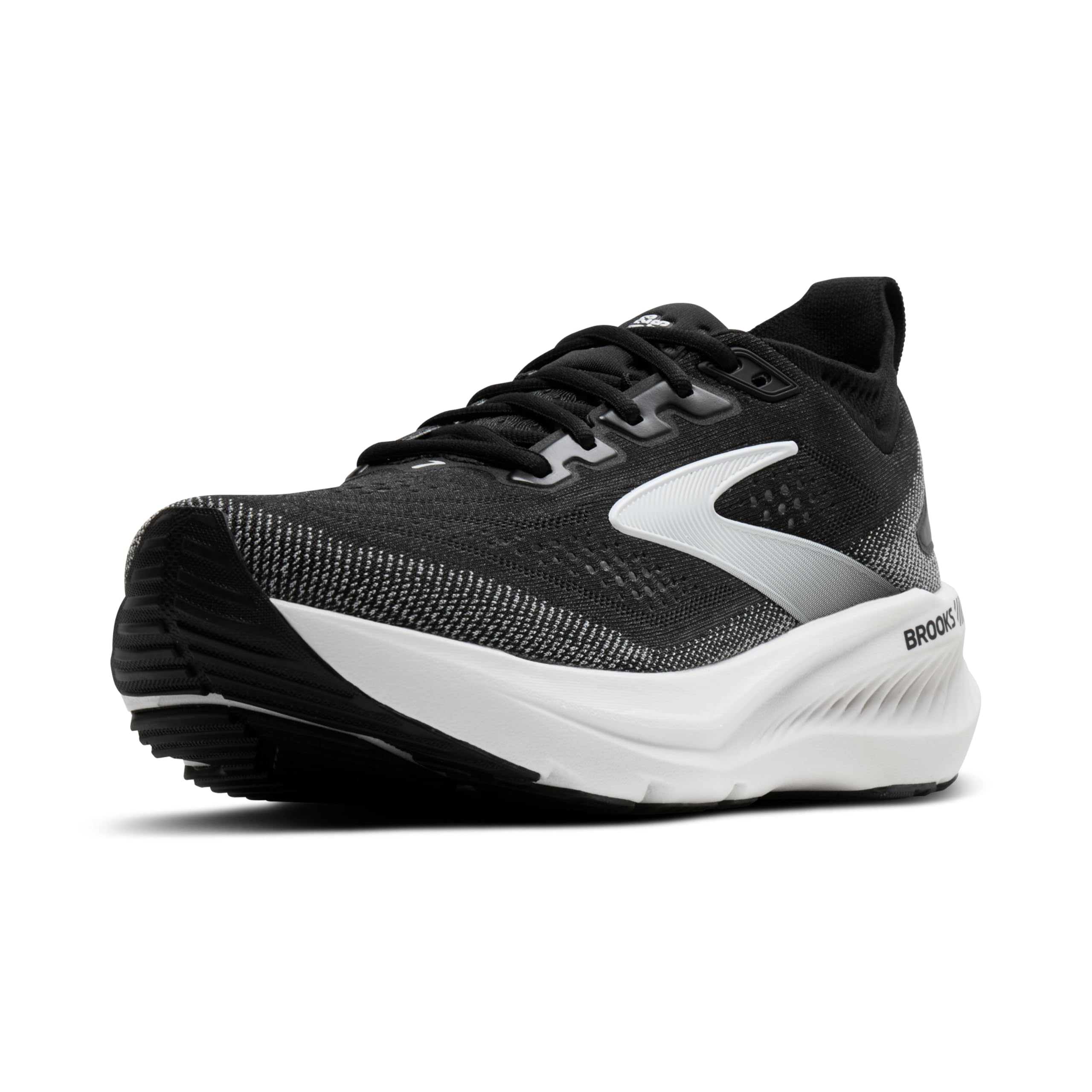
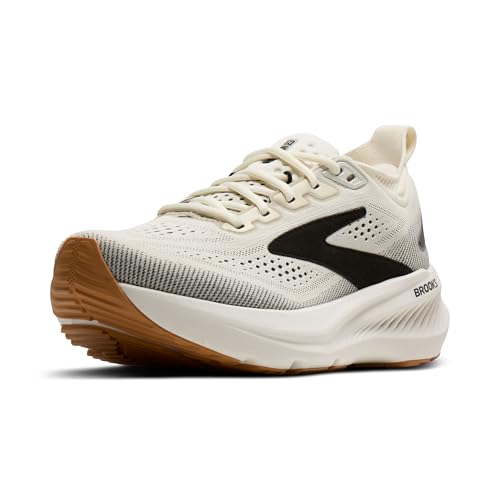
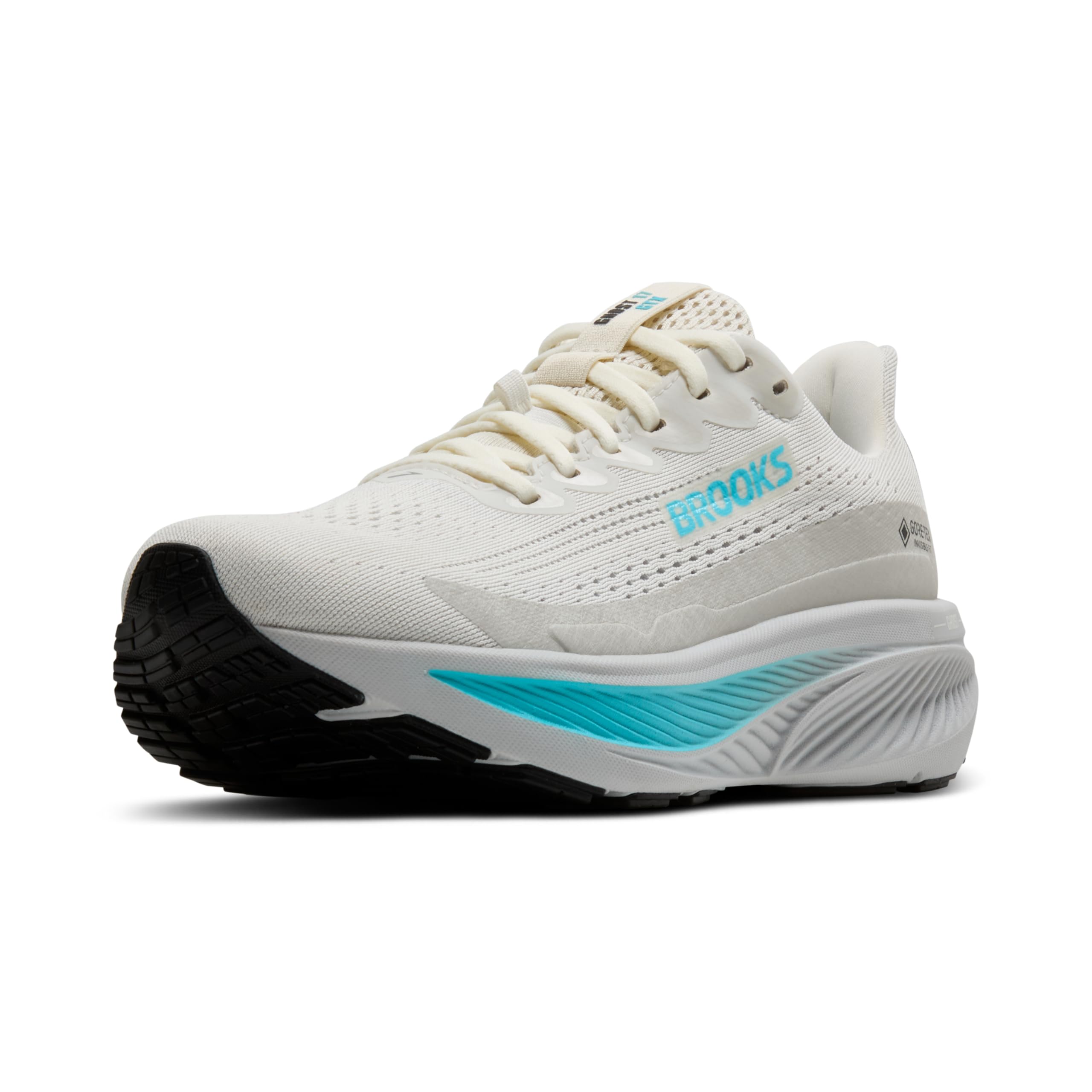

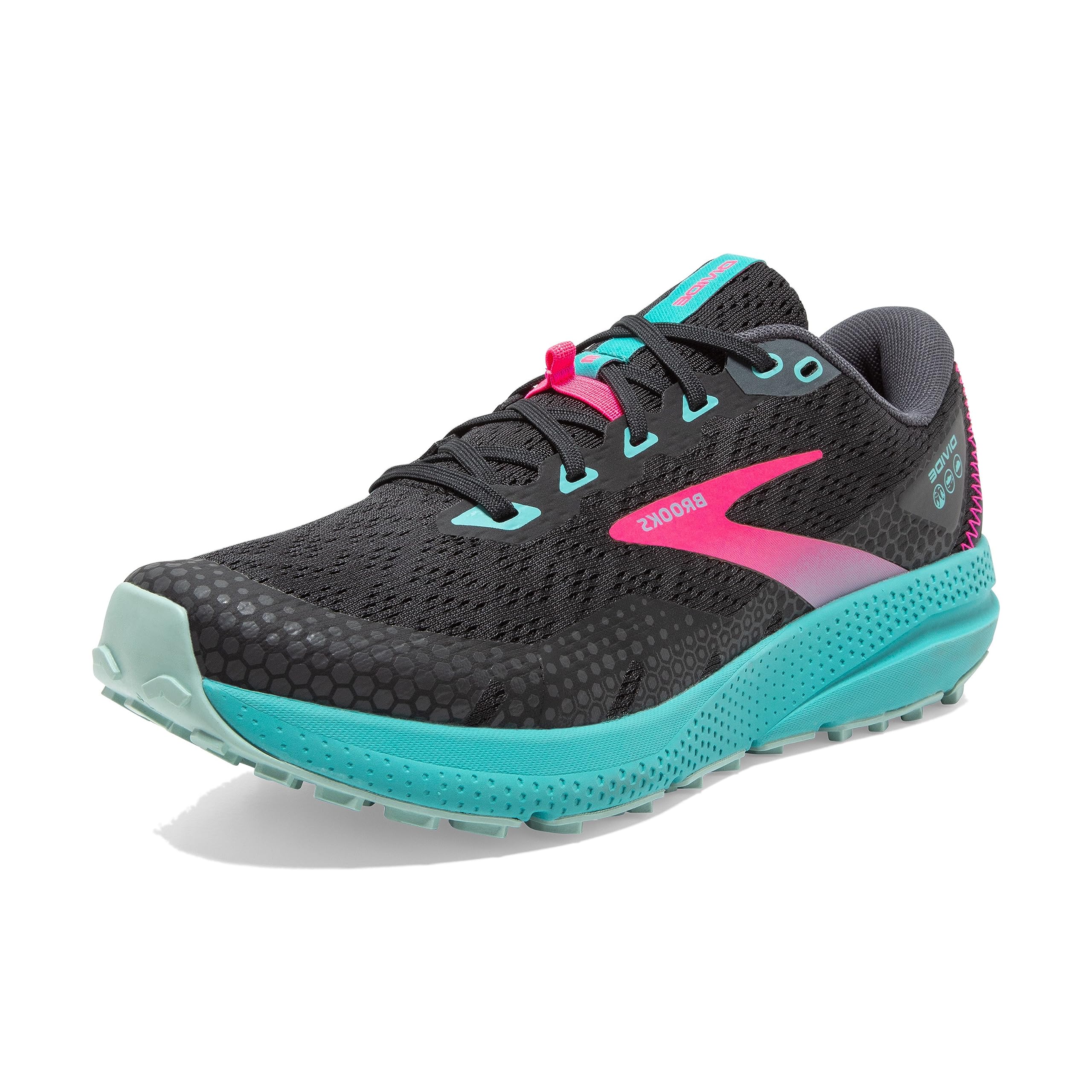
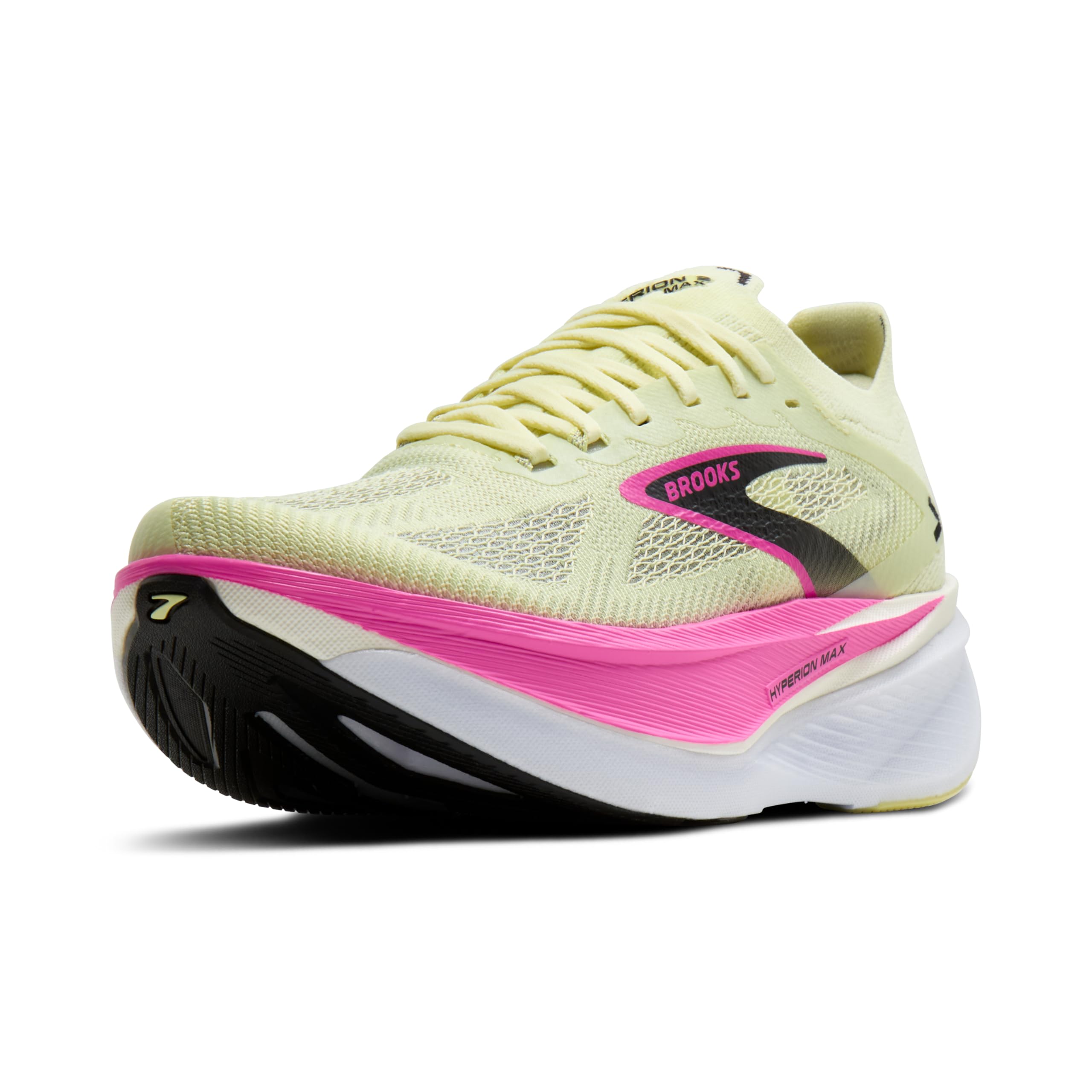


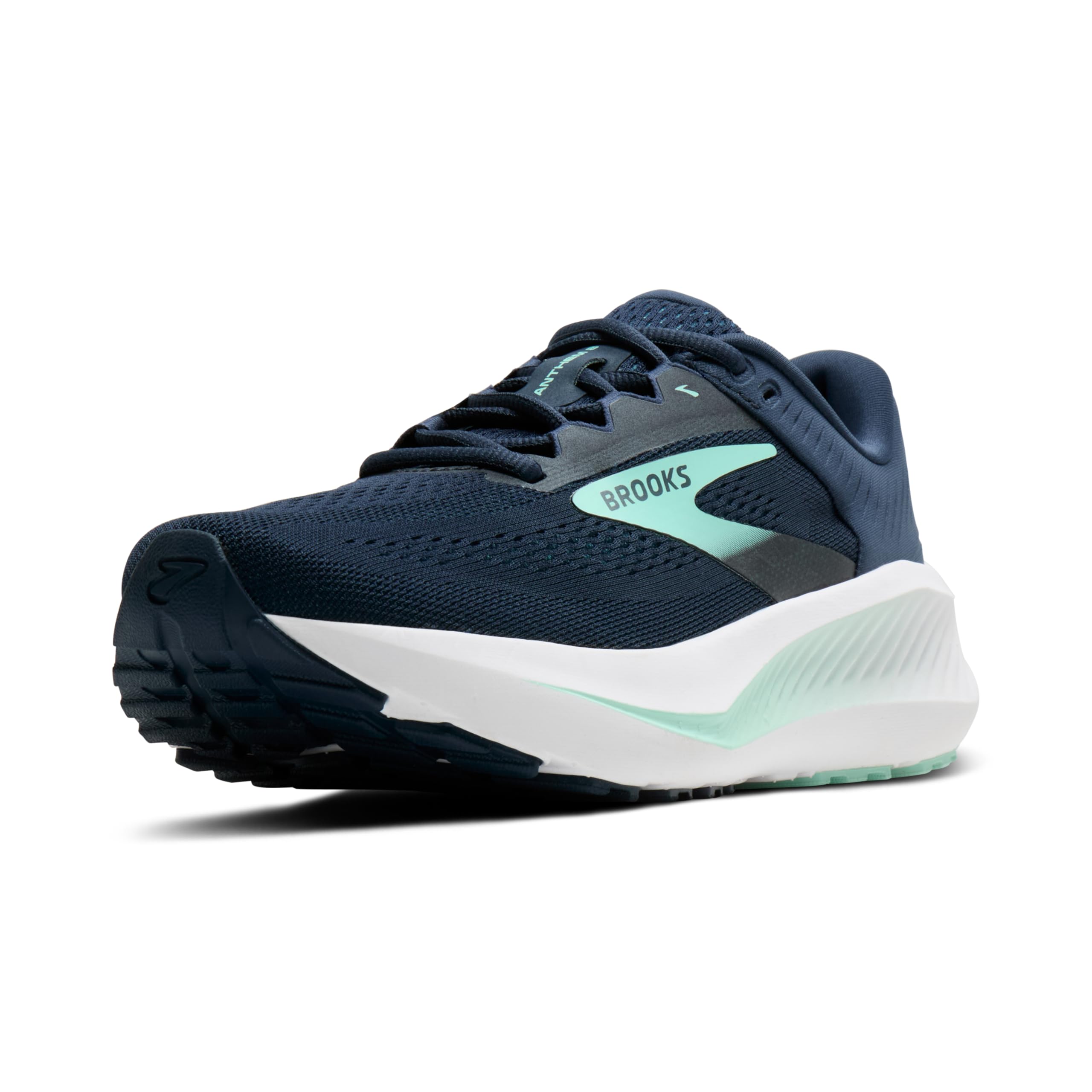
Choosing the Best Brooks Running Shoes Women Prefer by Type
Neutral cushioned trainers
Neutral trainers suit runners whose feet land fairly straight and whose old shoes wear evenly. They put the effort into soft, resilient foam and a smooth ride, which makes them a good fit for easy runs, long weekend miles and first marathon training. If you are not sure which type you need, a neutral shoe with good fit is a sensible place to begin.
Stability shoes
Stability shoes add guide rails or firmer inner foam to slow an inward roll. They help runners who notice wear on the inner heel, ankle fatigue or knee ache late in a run. Match the support level to your roll. Too much correction can feel stiff and push the foot outward.
Lightweight and speed shoes
These trim weight and foam for tempo runs and races. They feel quick, but they cushion less and wear faster, so most runners keep them for workouts only.
Trail shoes
Trail models add grip, rock protection and a more secure upper. Choose them for dirt paths and wet roots, and keep road shoes for pavement.
How to Read Your Gait Before You Shop
Put an old pair of shoes on a flat surface and look at them from behind. Even wear across the heel and forefoot suggests a neutral stride. A shoe that leans inward, or heavy wear on the inner edge, points toward stability. Wear on the outer heel suggests a foot that rolls outward and does best in a flexible neutral shoe. A wet footprint on dark paper also helps: a full print suggests a low arch, while a thin band across the midfoot suggests a high arch that needs extra cushioning.
None of these checks diagnose a foot condition, and they are only clues. If you have recurring pain, a short assessment with a running store fitter or a clinician is more reliable than guessing.
Your First Two Weeks in a New Pair
Start with short, easy runs so your feet and calves can adjust, especially if the drop or cushioning differs from your old shoes. Note any hot spots or rubbing after each outing and adjust lacing before the problem becomes a blister. Most modern running shoes need little formal break in, so rubbing that persists usually means the size or width is wrong, and you should exchange within the return window. Keep the receipt and packaging until you are sure the pair works.
Fit Details That Matter for Women
A narrower heel is the most common fit issue. If your heel lifts when you walk, use the extra top eyelet for a heel lock lacing loop before you decide the shoe is wrong. The midfoot should feel held without pressure, and the toes need room to spread because feet swell during a run. Leave about a thumb width ahead of your longest toe, and try shoes in the afternoon with your usual running socks.
Many women also find that a standard women's width feels tight across the forefoot. Brooks offers wide options in many core shoes, so ask for them rather than going up a full size, which adds length but not volume. If you wear orthotics, bring them to the fitting and confirm the shoe still has depth with them inside.
Features Worth Paying For
- Responsive cushioning that stays even over a long run rather than feeling soft only at first.
- A secure heel counter and midfoot wrap so the foot does not slide inside the shoe.
- Breathable mesh for summer miles, with a structured upper if you want more support.
- Durable outsole rubber at the heel and forefoot, where most runners wear through first.
- Good wet pavement grip for early morning or rainy runs.
Budget and Value
Brooks women's road shoes usually cost about $90 to $180. The lower end covers solid daily trainers from a previous season, the middle gives fresher foam and lighter builds, and the top adds more cushioning for high mileage. Spend according to how many miles you run each week. A low mileage runner gains little from premium foam, while someone logging high mileage will feel the difference. Previous season colors often sell for less with almost the same design.
Common Mistakes to Avoid
- Buying the same size as casual shoes, which leaves too little toe room for running.
- Choosing stability shoes because they sound safer, when your stride is actually neutral.
- Judging cushioning by a few steps in the store instead of a short jog.
- Running past 300 to 500 miles in one pair, after the foam has flattened.
- Ignoring early warning signs such as pain that grows from run to run.
Care and Replacement
Let wet shoes dry at room temperature, away from radiators, and pull the insoles out overnight. Rotating two pairs gives the foam time to rebound and makes each pair last longer. Keep a simple mileage log and replace shoes when the midsole feels flat or old aches return. Seek advice from a clinician for persistent pain, swelling, numbness or any change in how you walk.
Related Guides
For a broader view of the brand, read our guide to the best brooks running shoes or the best brooks shoes for women. Trail runners can compare the best trail running shoes for women, and our best running shoes guide covers other brands.
Frequently Asked Questions
How should women's running shoes fit?
Snug at the heel and midfoot, with a thumb width of space ahead of the longest toe and room for the toes to spread. Walk and jog briefly before deciding, and check for hot spots after a few minutes.
Do I need stability shoes?
Only if your foot rolls inward noticeably. Check the wear on old shoes and consider a gait check at a running store. Many runners do well in neutral cushioned shoes.
Can I use running shoes for walking and gym days?
Yes, cushioned road shoes are comfortable for walking and light gym work. For heavy lateral training, a flatter and firmer cross training shoe is more stable.
When should I replace my shoes?
Roughly every 300 to 500 miles, or sooner if the cushioning feels flat, the outsole is worn through or new aches appear.
Final Thoughts
Match the type to your stride, confirm the heel hold and toe room, and compare shoes in the product table before you order. The best brooks running shoes women can choose are the ones that feel secure, cushioned and almost forgettable by the third mile.