Best Brooks Running Shoes for High Arches (2026): A Cushioning Guide
Disclosure: We may earn a commission when you buy through links on this page, at no extra cost to you. As an Amazon Associate I earn from qualifying purchases. Learn more

The best brooks running shoes for high arches cushion impact and leave room under the midfoot: see what to compare and avoid.
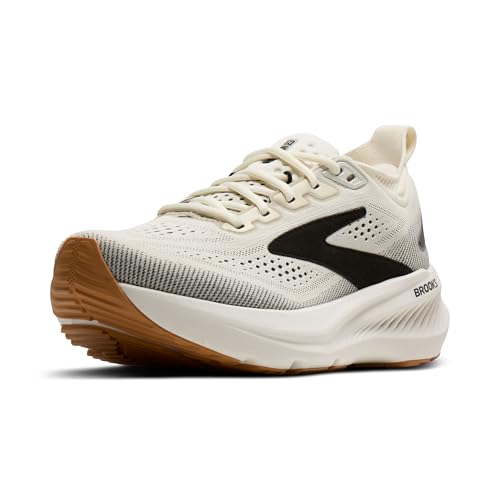
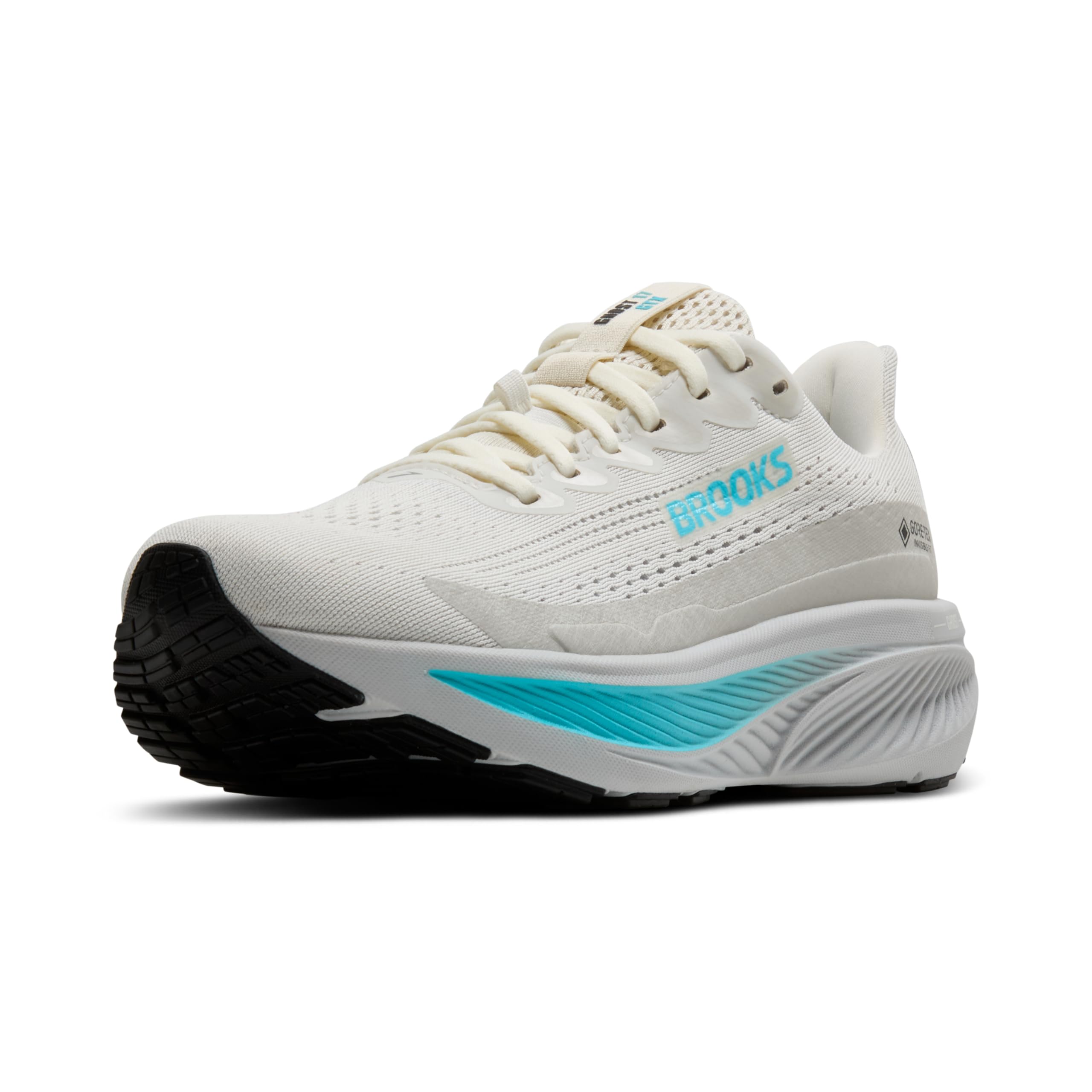
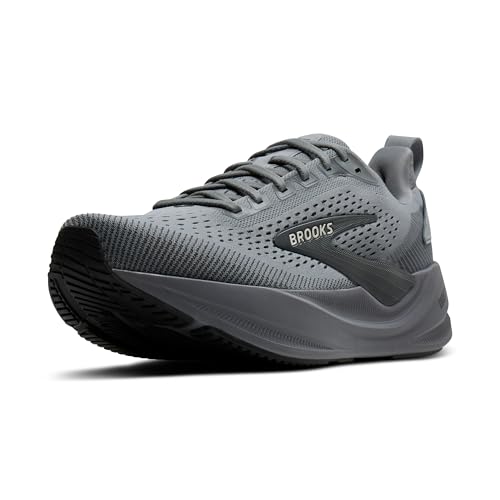
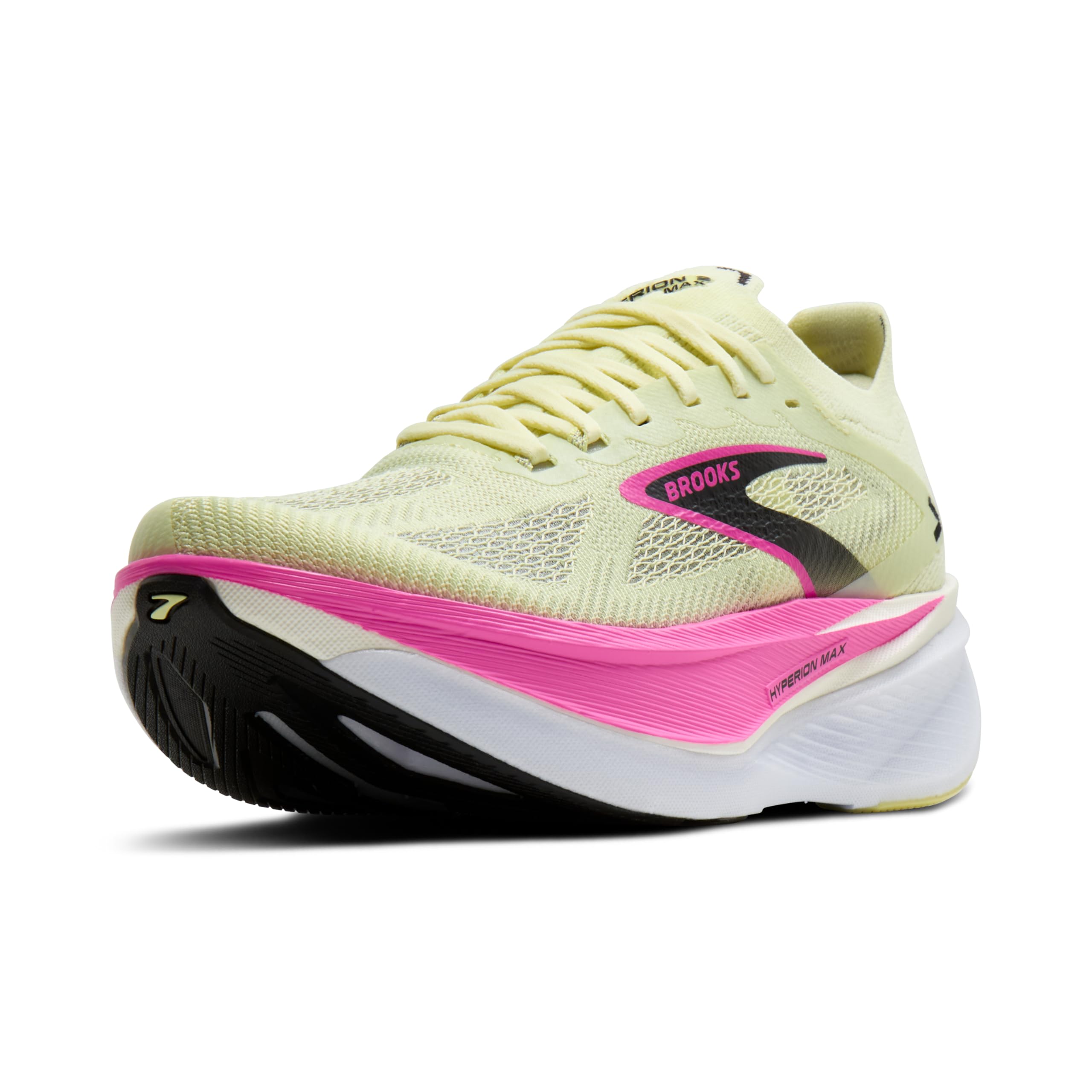
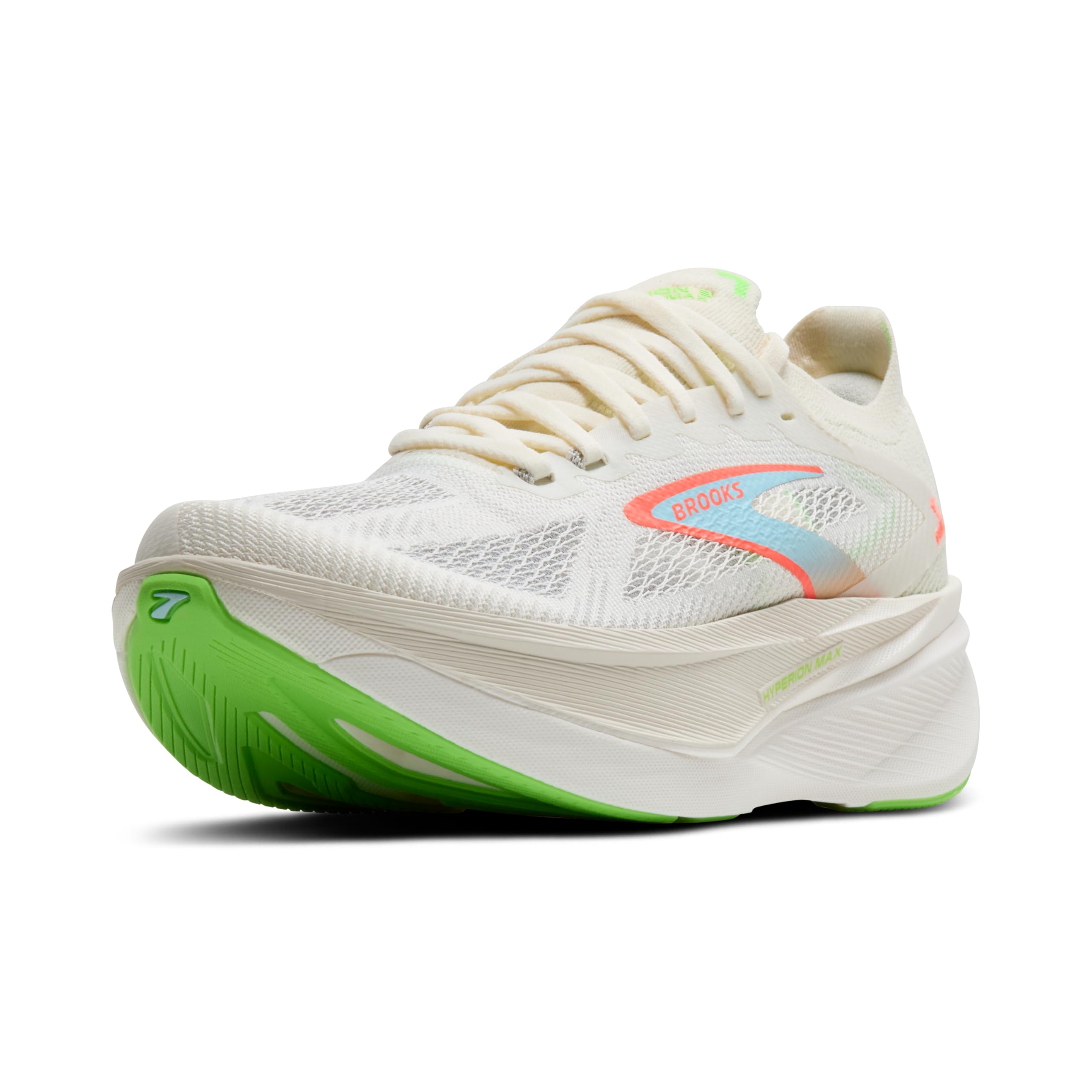
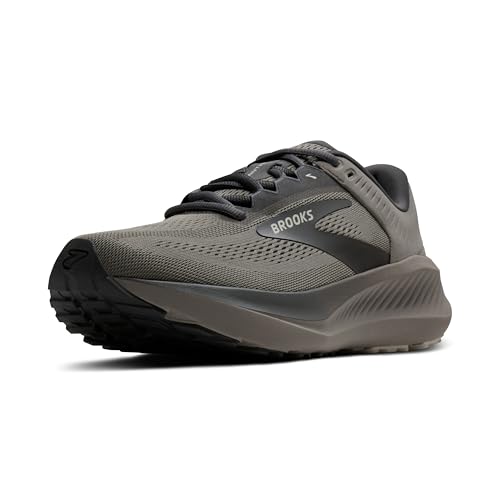
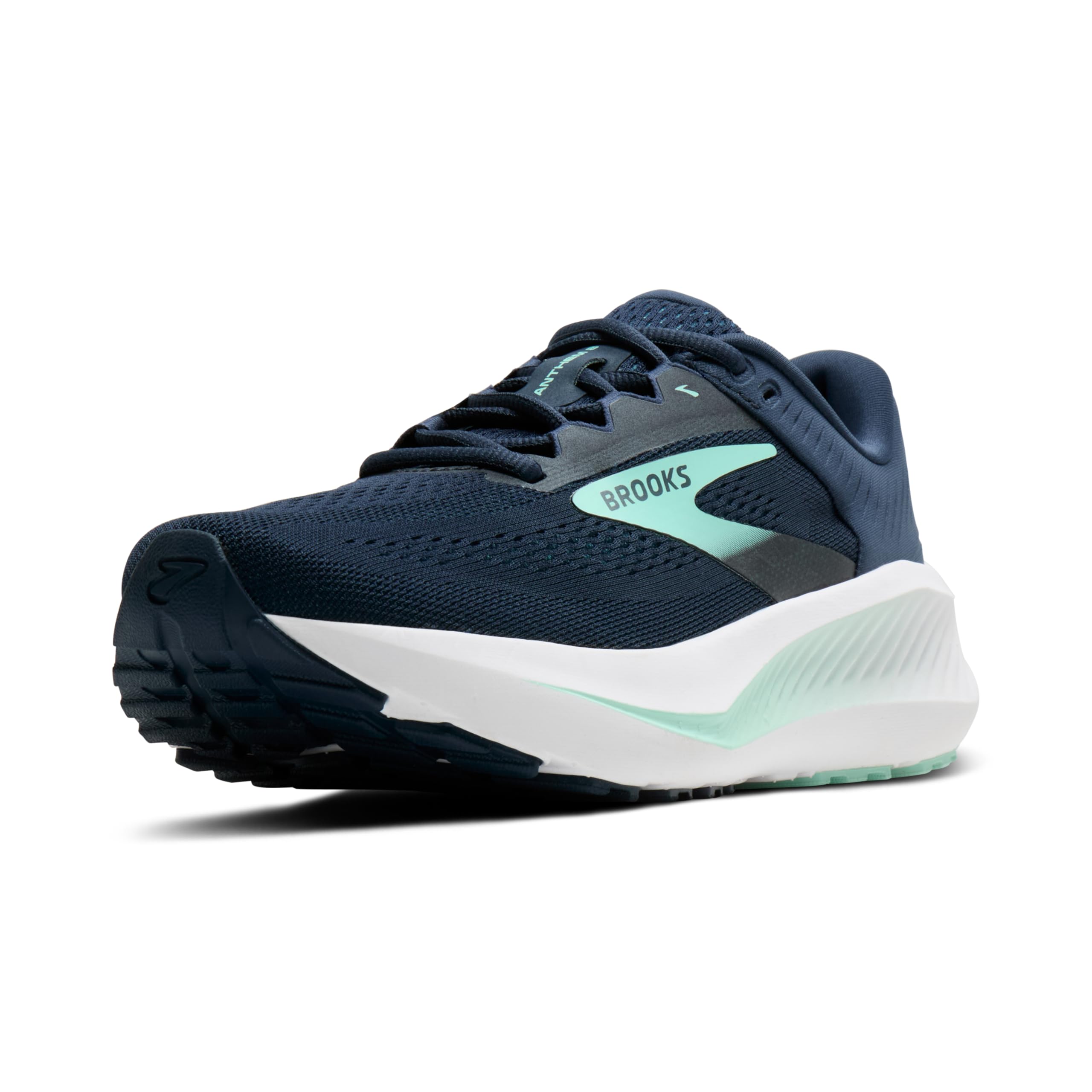
The best brooks running shoes for high arches cushion impact, leave room under the midfoot and let the foot move naturally rather than forcing it flat. A high arch absorbs shock poorly and tends to put extra load on the heel and the ball of the foot, so the right shoe matters more than it does for many other foot types. This guide explains what to look for in Brooks road and trail shoes, how to fit them, and which mistakes to avoid. The product table helps you compare the available pairs.
High arches are often described as a rigid foot that rolls outward slightly, also called supination or underpronation. Most runners with this foot shape do best in neutral, well cushioned shoes, not in heavy stability models built to slow an inward roll.


How to Tell If You Have High Arches
Wet your foot and step on a dark piece of paper. A narrow band between the heel and the ball of the foot suggests a high arch. Old shoes can also give clues: heavy wear on the outer heel and outer forefoot, or a shoe that tilts outward on a flat surface. These checks are only hints. A running store gait check or a clinician can confirm your foot type, and persistent pain deserves professional advice rather than a shoe change alone.
What the Best Brooks Running Shoes for High Arches Offer
Soft, resilient cushioning
Because a high arch absorbs shock poorly, generous cushioning in the heel and forefoot reduces the jolt of each landing. Look for foam that stays lively over a long run instead of going flat after a few miles.
Room for the arch
A shoe that presses up into the arch feels like a pebble under the foot. Check that the midsole shape and the insole leave space, and that the laces do not squeeze the top of the foot. A removable insole is useful if you add a cushioned insert.
A flexible forefoot and neutral platform
Stiff stability features can push a rigid foot further outward. A flexible forefoot lets the foot roll through naturally, and a stable, wide heel keeps ankles steady.
A roomy toe box and secure heel
High arched feet are often shorter in practical length because the arch lifts the foot, and the toes need space to spread on landing. Keep the heel snug, because a loose heel adds instability to an already rigid foot.
Brooks Shoe Types for High Arches
- Neutral cushioned trainers: the main choice for daily miles, easy runs and long weekend runs.
- Maximum cushion shoes: thicker midsoles for heavier runners or those who run on hard surfaces.
- Lightweight road shoes: suitable for faster sessions if you also own a plusher pair for volume.
- Trail shoes: add grip and protection for uneven ground, but check the cushioning, since some trail models ride firmer.
Fit and Sizing
Try shoes in the afternoon with your usual running socks. Leave about a thumb width ahead of your longest toe and keep the heel from lifting. Check length and width separately, and look at the wide options if the midfoot or forefoot feels tight. Walk and jog briefly before deciding, and pay attention to any pressure along the arch or the outer edge of the foot. If you use insoles or orthotics, fit the shoe with them inside.
Lacing and Sock Tips for a Rigid Foot
High arched feet often feel pressure on the top of the midfoot because the instep is tall. Skip the eyelet over the highest point of the foot (a window lace) to relieve that pressure, and keep the heel secure with the extra top eyelet. Thin, cushioned running socks reduce friction without eating into the shoe's volume. Thick socks can make an already snug midfoot feel tight, so wear the socks you plan to run in when you try shoes.
Surface and Season
Hard pavement is the toughest surface for a high arch, so many runners choose the more cushioned end of the range for road miles and save firmer, lighter shoes for track or treadmill sessions. On trails, uneven ground can strain the outer ankle of a rigid foot, so a wider base and a secure upper help. In winter, a slightly roomier fit allows thicker socks, and a second pair lets one dry fully between runs.
Warning Signs to Watch
Outer foot soreness, frequent ankle rolls, or arch and heel pain that appears after a few miles can mean the shoe is too firm, too narrow or worn out. Try a more cushioned model or a wider width, and give any new pair a few short runs before a long one. Pain that is sharp, one sided or lasts more than a few days is a reason to see a clinician or podiatrist.
Budget
Brooks cushioned shoes usually cost about $110 to $180. Entry models cover daily running well, while premium models add more foam and lighter builds. For high arches, spend on cushioning and fit first, and skip extras that do not change comfort. Last season versions often cost less with nearly identical cushioning.
Common Mistakes to Avoid
- Choosing a heavy stability shoe because it sounds supportive, when a high arch usually needs cushioning and flexibility.
- Skipping the wear pattern check and guessing your foot type.
- Ignoring width, which can pinch a rigid foot at the forefoot.
- Running in worn out shoes, since flat foam gives a high arch little protection.
- Adding a thick insert without checking that the shoe still has volume.
Care and Replacement
Rotate two pairs if you run most days, and let shoes dry at room temperature away from heat. Plan to replace them about every 300 to 500 miles, or when the cushioning feels flat or old aches return. Build mileage gradually, and see a clinician for sharp pain, swelling or numbness that does not settle.
Related Guides
For more options, read our guides to the best running shoes for high arches, the best brooks shoes for high arches and the best running shoes for women with high arches. Men can also compare the best running shoes for men with high arches.
Frequently Asked Questions
Do high arch runners need stability shoes?
Usually not. High arches tend to underpronate, so neutral cushioned shoes are the common starting point. Stability features are designed to limit inward roll, which a high arched foot does not need.
Should I use insoles with high arch running shoes?
Insoles can add cushioning or contact under the arch, and some runners find them helpful. Choose a shoe with a removable insole and enough depth, and introduce any insert gradually. Persistent pain is a reason to see a clinician.
Do Brooks shoes run true to size?
Fit varies by model, so check length, width and heel hold with your running socks. If the midfoot feels tight, look at a wide width before going up a size.
When should I replace my shoes?
When the cushioning feels flat, the wear looks uneven or discomfort returns after runs. Roughly every 300 to 500 miles is a good guide.
Final Thoughts
Look for cushioning, arch room and a flexible, neutral platform, then confirm the fit with a short jog. Compare shoes in the product table, and the best brooks running shoes for high arches will be the pair that feel soft, stable and pressure free from the first mile to the last. If pain persists, talk with your clinician before relying on a shoe change alone.