Best Brooks Shoes for High Arches 2026: Cushioned Picks for Running and Walking
Disclosure: We may earn a commission when you buy through links on this page, at no extra cost to you. As an Amazon Associate I earn from qualifying purchases. Learn more

Best Brooks shoes for high arches: why neutral cushioned models suit rigid arches, and how to check fit, width and wear before you buy.
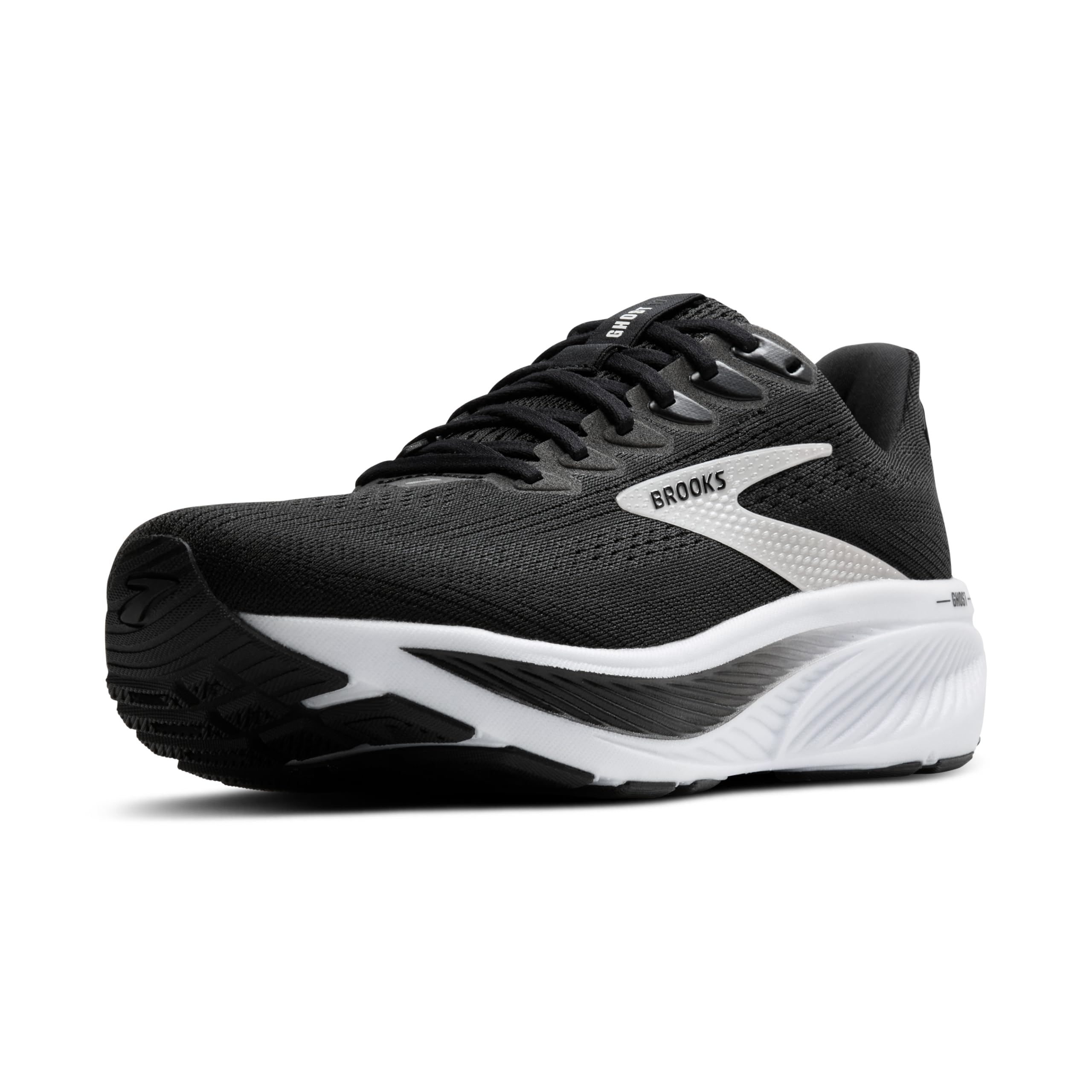
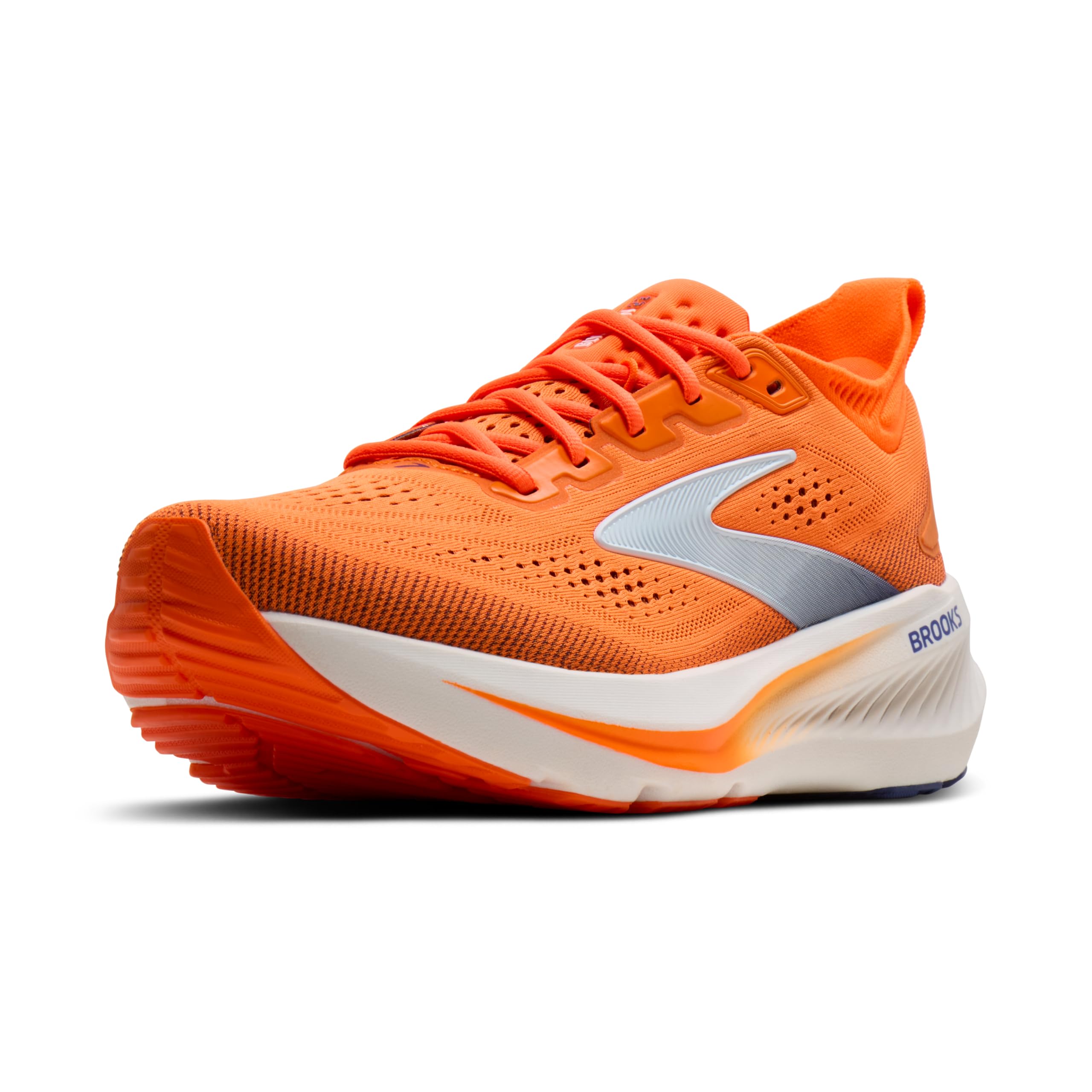
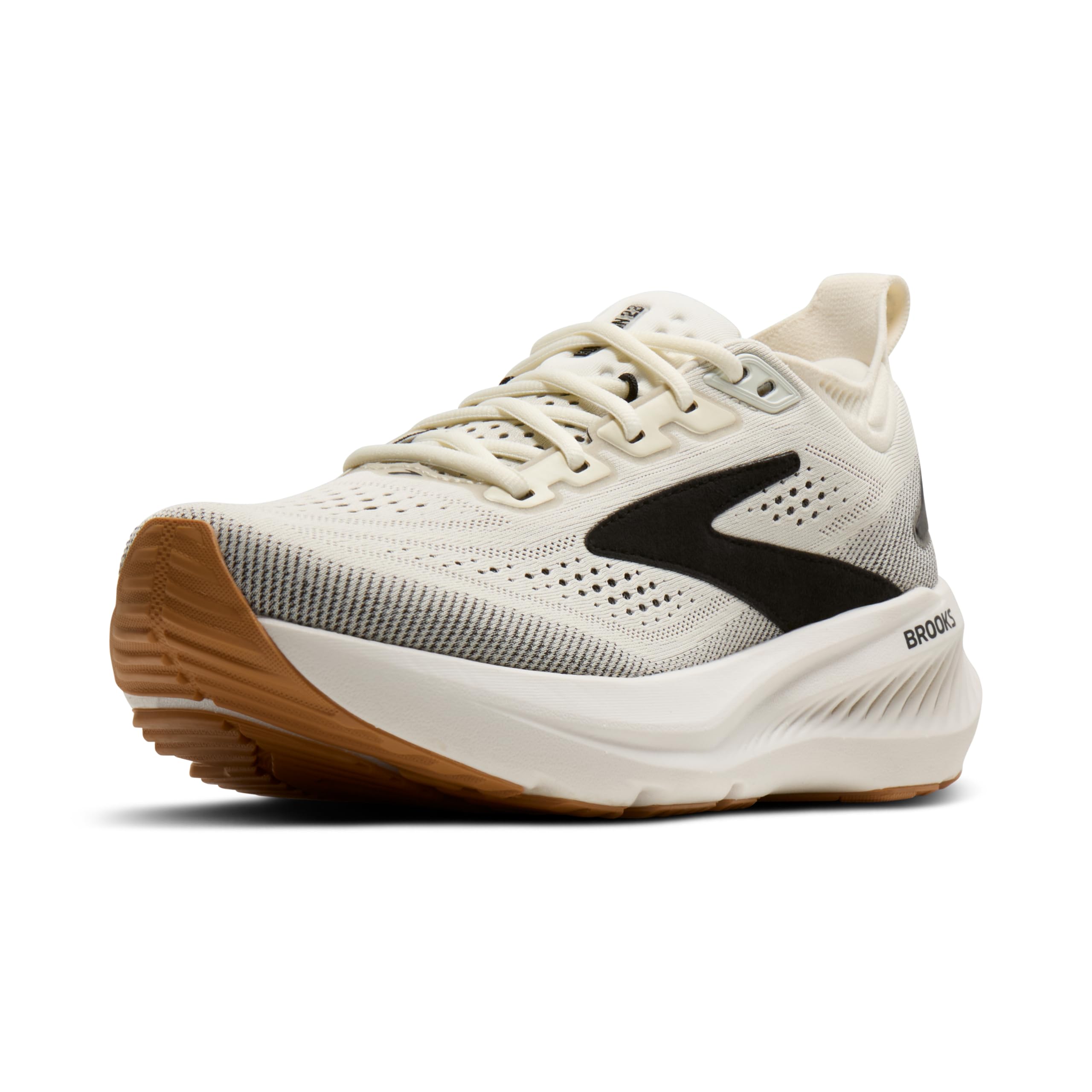
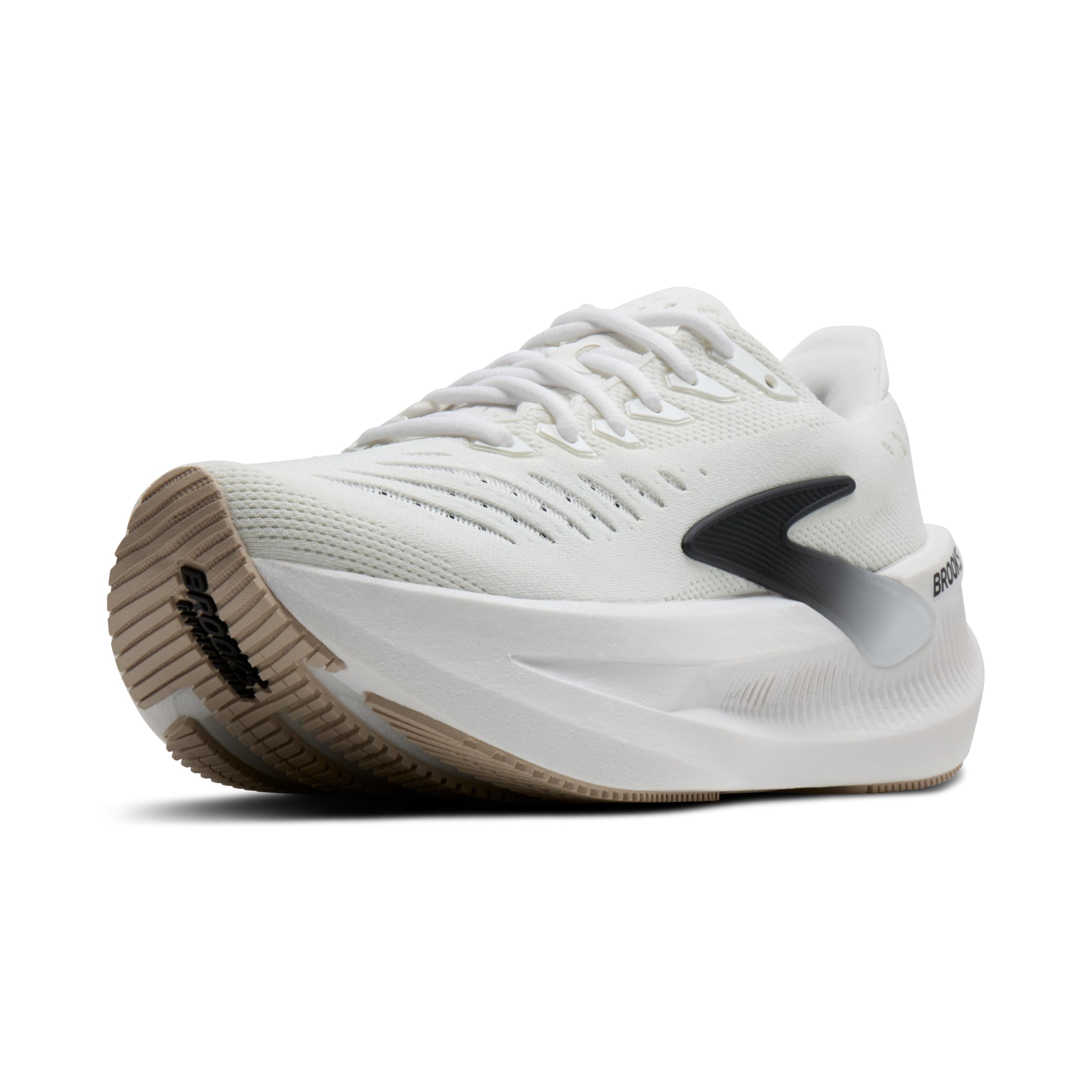
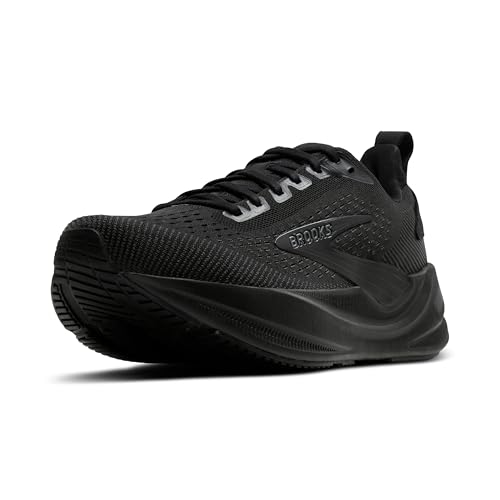
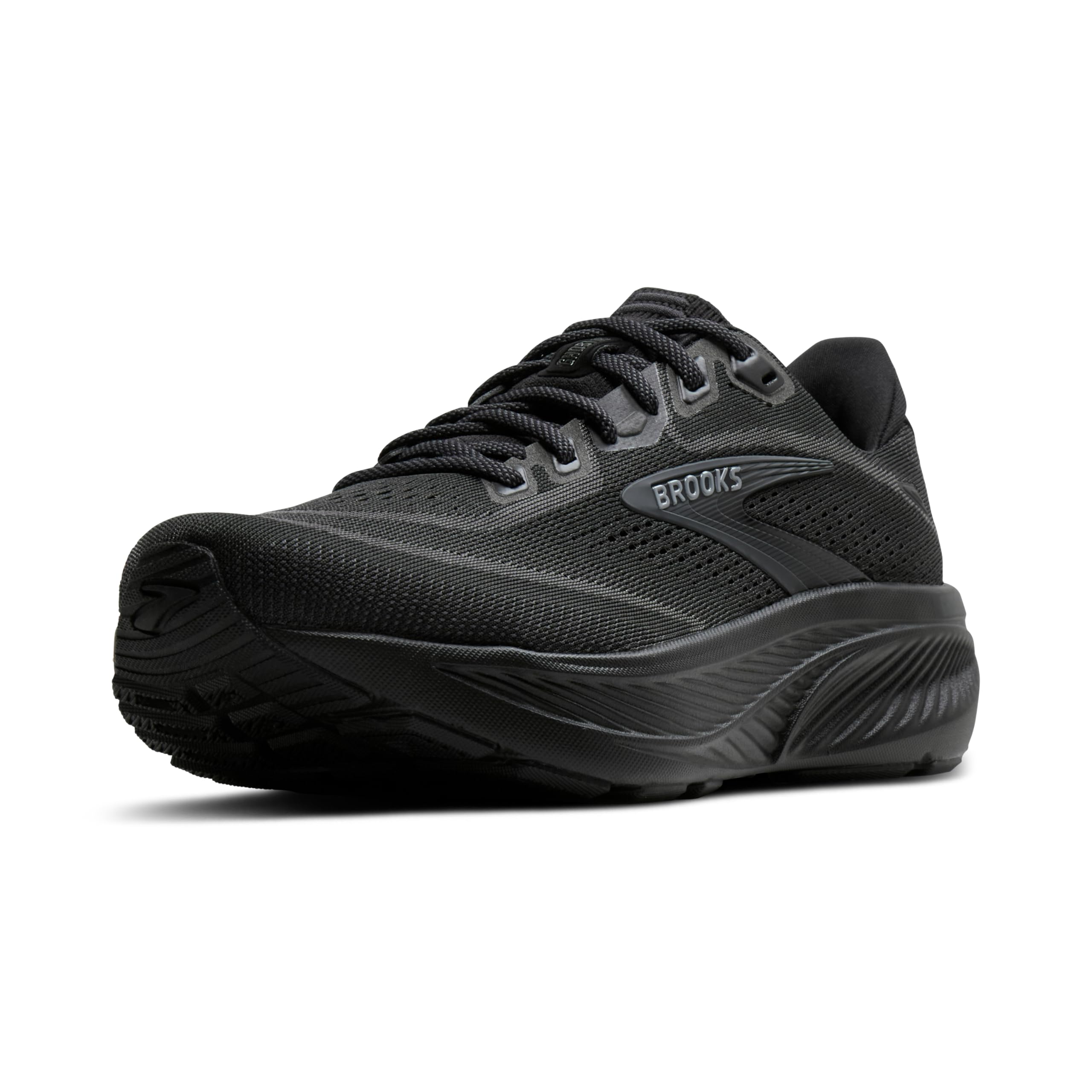
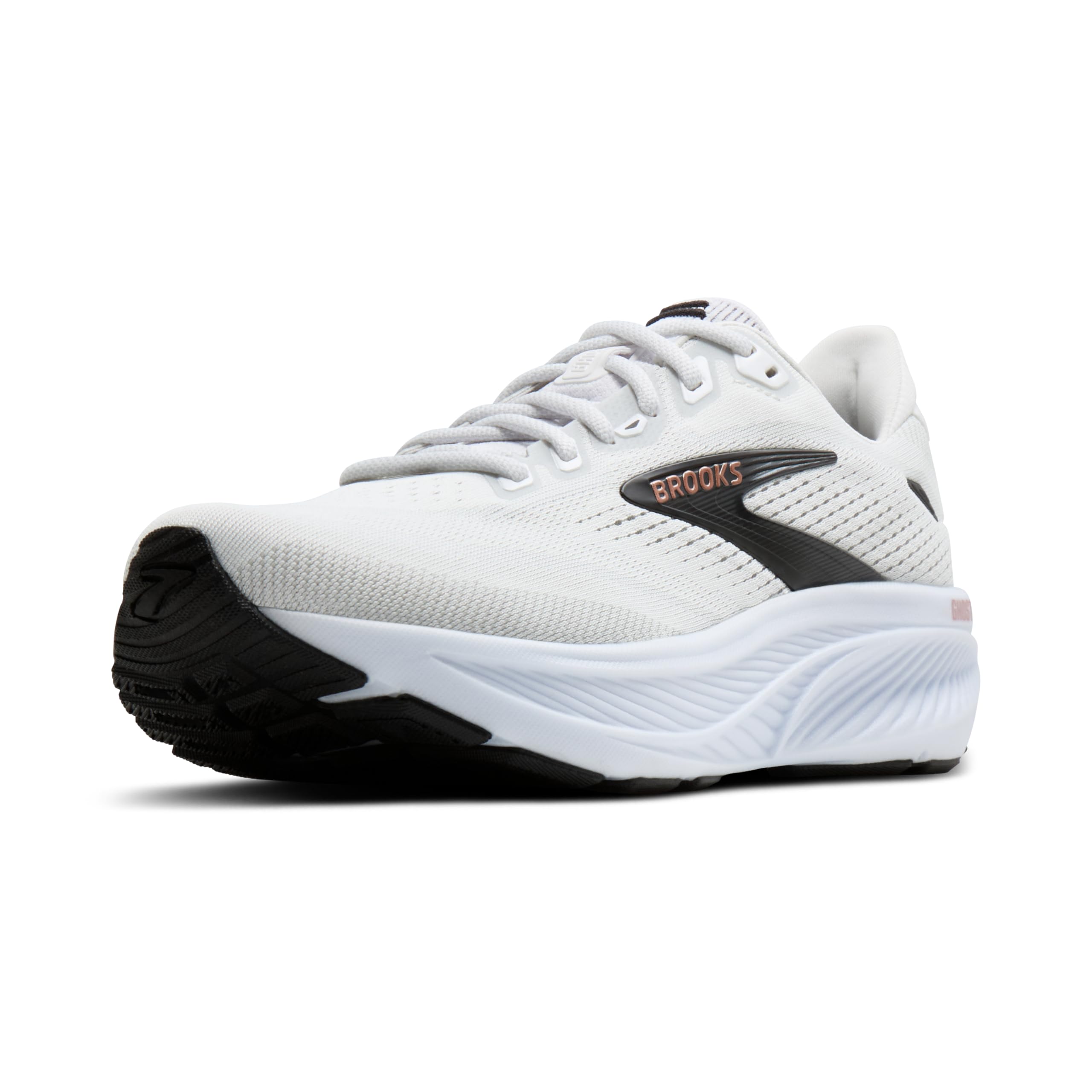
The best brooks shoes for high arches are neutral, well cushioned models that spread impact across the foot and leave room for a raised arch. High arches tend to be stiff, so they absorb less shock on their own and put more pressure on the heel and the ball of the foot. The table below lists current Brooks options, and this guide explains how to choose between them.
The most useful question is not which shoe has the most arch support, but which one feels even under the whole foot. A shoe with a hard arch bump can press uncomfortably into a high arch, while a soft, evenly cushioned midsole usually feels better over long distances.


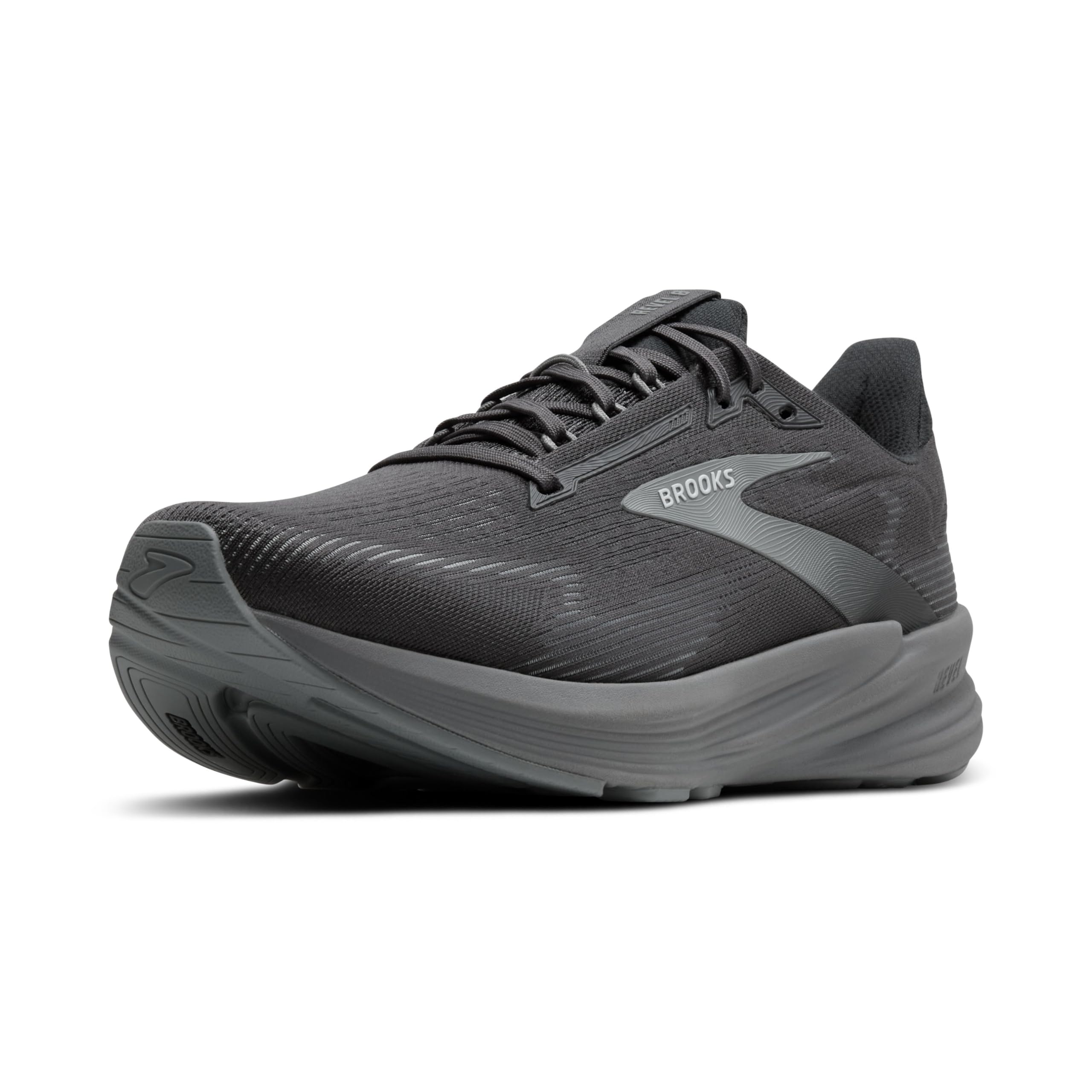
Why High Arches Need Cushioning
A high arch does not flatten much when you land, so the foot acts like a rigid lever and passes more of the impact to the heel and forefoot. Many people with high arches also roll slightly outward, which loads the outer edge of the shoe. Soft, shock absorbing foam helps with both problems, and a stable heel cup keeps the foot from tipping sideways.
Stability shoes with a strong inner post are usually the wrong choice for this foot type, because they push the foot outward and can add pressure on the outer side. Neutral models are normally the better starting point.
Brooks Lines Worth Comparing
The Ghost is the classic all rounder, with balanced cushioning that suits road running, walking and daily wear. The Glycerin is softer and plusher, a good match when you want maximum comfort on long runs or long days. The Glycerin Max and Ghost Max add a thick, rocker shaped midsole that rolls the foot forward and takes strain off a stiff arch.
The Revel is a lighter, lower priced neutral shoe that suits easy runs and casual wear. Most of these shoes come in several widths, which matters because high arches often come with a taller instep and a feeling of tightness over the top of the foot.
Key Features to Compare
- Cushion depth: look for generous, even foam rather than a firm, thin layer under the arch.
- Midfoot room: a taller instep needs a roomy upper and laces that can be loosened over the top of the foot.
- Heel hold: a snug heel cup keeps the foot steady without relying on a stiff arch support.
- Removable insole: this lets you swap in a cushioned insole if the stock one feels too firm or too thin.
- Outsole wear: check for even wear on the outer edge, which is where many high-arched feet land.
How to Fit Brooks Shoes for High Arches
Shop in the afternoon with your usual socks. Lace the shoe fully and check that the top of the foot is not pinched, since a high instep is the most common source of discomfort. If the laces cannot be loosened enough, try a wide size or a model with a softer, stretchier upper.
Walk for a few minutes on a hard floor and pay attention to the heel and the ball of the foot. You should feel a soft, even landing rather than a sharp contact. Remember that arches can feel different at the end of the day, so a shoe that is only comfortable for ten minutes in the store may not hold up on a long walk.
Running, Walking and Standing
For running, pick a neutral shoe with plenty of foam and replace it after about 300 to 500 miles. For walking, the same neutral shoes work well, and a rocker shaped model can feel smoother over long distances. For standing work, choose a broader, well cushioned shoe and consider a rotation of two pairs so foam can recover between shifts.
Common Mistakes to Avoid
Buying a stability shoe because it sounds supportive is the most frequent error. Others include choosing a narrow fit that squeezes the instep, ignoring outer edge wear on old shoes, and wearing a pair long after the midsole has compressed. If you get new aches in the heels or the outside of the foot, treat it as a sign that the shoe has worn out.
Budget and Value
Neutral Brooks shoes range from roughly $65 for the Revel to $150 or more for the Glycerin and Ghost Max. The extra money buys thicker, softer foam and a smoother ride, which matters more for a rigid arch than it does for a flexible one. If you cover many miles or stand most of the day, the more cushioned models usually pay for themselves in comfort.
Older versions of popular models are often discounted when a new version arrives, and they are generally very similar. Check the width options before you buy a discounted pair, because the sizes that remain are not always the ones you need.
Signs a Shoe Is Not Working
Pay attention to where you feel discomfort. Burning under the ball of the foot or a sore heel suggests the cushioning is too thin or has worn out. Pain along the outside of the foot can mean the shoe is pushing you outward or that the outsole is worn on that edge. Tingling or numbness over the top of the foot usually points to laces that are too tight across a high instep.
Small changes help. Try a different lacing pattern that skips the eyelet over the highest part of the instep, add a thin cushioned insole, or try a wide size. If you cannot find a comfortable setup, a running store or a podiatrist can help.
Socks, Insoles and Lacing
Small details change how a shoe feels on a stiff arch. A cushioned sock adds a little shock absorption, while a thin sock gives more room over the instep. If the factory insole feels hard, a soft replacement can help, provided it does not reduce volume too much. Lacing the shoe loosely over the highest point of the foot and snugly around the ankle often removes pressure without losing hold.
Related Guides
If you run, see best brooks running shoes for high arches. For a wider comparison, read best shoes for high arches, best running shoes for high arches or best shoes for people with high arches.
Frequently Asked Questions
Are Brooks shoes good for high arches?
Many people with high arches like the neutral Brooks models, such as the Ghost and Glycerin, because they offer soft cushioning and room in the midfoot. Fit and width are still individual, so check how the shoe feels over the top of the foot.
Do high arches need stability shoes?
Usually not. High arches tend to be rigid and roll outward, so neutral cushioned shoes are the normal choice. Stability posts can add pressure on the outside of the foot.
Should I add an insole?
A cushioned insole can help if the stock one feels firm. Make sure the shoe has a removable insole and room for it, since extra thickness reduces space for the instep.
How often should I replace them?
Running shoes usually last 300 to 500 miles. Daily walking shoes often last six to twelve months. Replace them sooner if the cushioning feels flat or discomfort returns.
Can shoes fix foot pain from high arches?
Good shoes can reduce discomfort, but they are not a treatment. If pain, swelling or numbness persists, ask a podiatrist or doctor.
Final Thoughts
The best brooks shoes for high arches are cushioned, neutral and roomy enough over the instep. Start with the Ghost or Glycerin family, check width and fit late in the day, and swap them out when the foam stops feeling soft.