
Best Adidas Running Shoes for Men 2026 Guide
Disclosure: We may earn a commission when you buy through links on this page, at no extra cost to you. As an Amazon Associate I earn from qualifying purchases. Learn more

Learn how to choose Adidas running shoes for men, with cushioning, support, fit, gait, and training versus racing advice in this guide. Shop with confidence.
Choosing best adidas running shoes for men means matching the shoe to your running style, not just to a favourite colour. Adidas makes cushioned daily trainers, stable support shoes, lightweight tempo shoes, and racing flats, and each feels very different after 5 miles. The comparison table below compares the main options, so you can weigh cushioning, support, weight, and price.
Fit matters more than brand loyalty: a shoe that fits your foot shape, arch, and gait will feel better and last longer than a popular model in the wrong size. Try shoes later in the day when feet are slightly swollen, wear your running socks, and leave a thumb width of space in front of your longest toe.


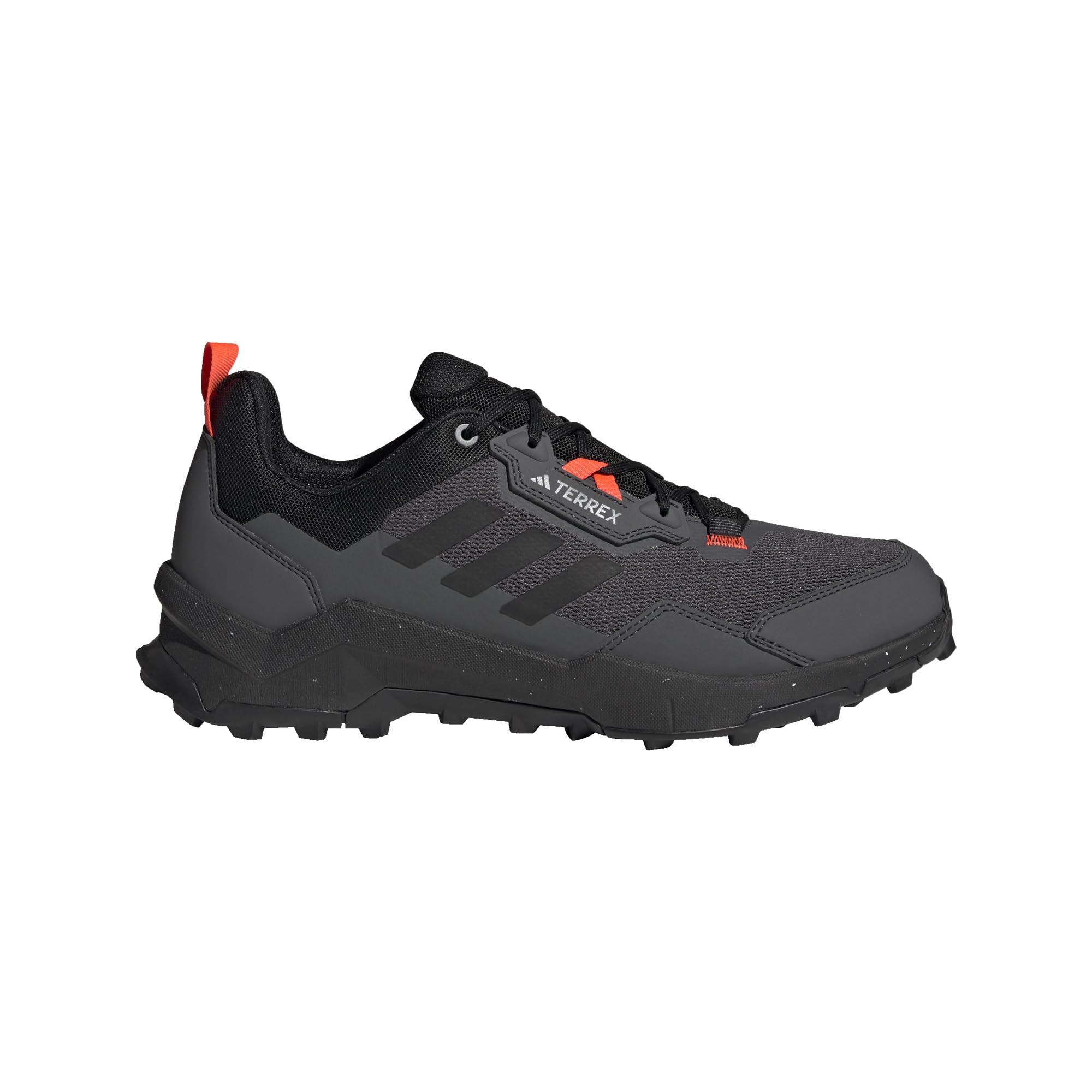


Who Should Buy Adidas Running Shoes
Adidas running shoes suit men who run roads regularly, train for races, jog for fitness, or want one pair for running and gym work. They suit neutral runners and overpronators alike, since the range covers both. If you run trails or need specialist medical footwear, a trail specific or clinically advised shoe may suit you better.
- Road runners
- Race trainers
- Fitness joggers
- Run and gym users
Key Features That Matter Most
Cushioning type shapes the ride: soft foam feels plush on long runs, while firmer responsive foam returns energy for faster sessions. Support features such as a firmer medial post or a wide base help overpronators, while neutral runners usually prefer a balanced platform. Drop, the height difference between heel and toe, affects calf load, so change drop gradually if you switch.
Outsole rubber coverage affects grip and durability, especially on wet roads. A breathable upper keeps feet cool, while a snug midfoot lockdown prevents sliding inside the shoe. Weight matters more as distance grows, but durability often falls as weight drops, so balance the two by your weekly mileage.
Fit, Gait, and Sizing
Check your gait if you can: a running store video analysis or a wear pattern on old shoes can reveal overpronation or supination. Buy the width that fits your forefoot without squeezing, since Adidas widths vary by model. Break in new shoes with short runs first, and rotate two pairs if you run most days, since foam recovers better with rest days.
Replace shoes roughly every 300 to 500 miles, or sooner if cushioning feels flat or the outsole wears through. Keep a simple mileage log if you train seriously, since worn shoes can contribute to aches. If pain persists, sharp, or changes your gait, talk with a clinician rather than pushing through it.
Budget and Long Term Value
Adidas running shoes typically cost from about $70 to $180, with daily trainers in the middle and racing shoes at the top. Last season colours often cost less with identical performance, making them excellent value. Budget for two pairs if you run high mileage, since rotation extends the life of each pair and gives foam time to recover.
Consider total cost per mile rather than sticker price: a durable $130 shoe that lasts 450 miles costs less per mile than a $70 shoe that flattens at 200 miles. Keep shoes for running only where possible, since daily wear wears the same foam faster.
Common Mistakes to Avoid
A common mistake is buying a racing shoe for daily training, then finding it lacks durability and support. Another is choosing a size based on dress shoes, which usually runs tighter than running fit. A third is ignoring foot pain signals and blaming fitness, when a fit or support change may help. Listen to your feet early in a new pair.
Planning for Everyday Use
Air dry shoes after wet runs, stuff them loosely with paper to hold shape, and avoid direct radiator heat, which hardens foam. Wash uppers gently by hand when dirty, and keep laces and insoles in good condition. A small routine after each run keeps shoes fresher and makes wear patterns easier to spot.
Related Guides Worth Reading Next
For more on a related option, see our guide to best running shoes for detail that complements this guide.
For more on a related option, see our guide to best adidas running shoes for detail that complements this guide.
For more on a related option, see our guide to best adidas shoes for men for detail that complements this guide.
For more on a related option, see our guide to best nike running shoes for men for detail that complements this guide.
For more on a related option, see our guide to best running shoes for overweight men for detail that complements this guide.
A Final Check Before You Order
Before you order, check your current shoes for wear patterns: worn outer heels suggest supination, while worn inner edges suggest overpronation. That pattern, plus any gait advice you have received, guides you toward neutral or support models far better than colour or popularity. If you have never had a gait check, a running store analysis is a worthwhile free or low cost step.
Confirm the size by trying shoes late in the day with your running socks, and jog in place or on a treadmill if the store allows. A shoe that feels perfect standing still can pinch at mile three, so a short test run matters. Keep the receipt and test new shoes on short runs first, so you can exchange them if the fit proves wrong.
Finally, think about your training mix: a daily trainer for most miles, a lighter shoe for speed sessions, and possibly a trail shoe for off road runs. One pair can cover everything for a casual runner, but higher mileage runners benefit from rotation. Start with the daily trainer that matches your most common run.
Caring for Your Running Shoes Over Time
Rotate pairs where possible, giving foam a day to recover between runs, and air dry shoes after wet sessions away from direct heat. Wash uppers by hand when dirty, and replace laces when they fray, since a broken lace mid run is avoidable. Track mileage roughly, so replacement timing is a decision rather than a guess.
Retire shoes when cushioning feels flat, the outsole wears smooth, or new aches appear that were absent before. Worn shoes can contribute to discomfort, so do not stretch a favourite pair far beyond its life. If pain persists after changing shoes, talk with a clinician rather than trying endless new models.
Frequently Asked Questions
How do Adidas running shoes fit?
Adidas running shoes generally fit true to size, but fit varies by model, with some racing models feeling snug and some daily trainers roomier. Try shoes with your running socks and leave space in front of your toes. If you are between sizes, the larger size usually suits long runs better.
What is the difference between neutral and support shoes?
Neutral shoes suit runners whose feet roll inward a normal amount, while support shoes add firmer foam or a wider base for overpronators. A gait check or old shoe wear pattern can guide you. If you are unsure, start with a neutral daily trainer and seek advice if aches persist.
How often should I replace running shoes?
Most running shoes last about 300 to 500 miles, depending on weight, surface, and foam type. Replace them sooner if cushioning feels flat, the outsole wears smooth, or new aches appear. A mileage log helps you judge timing rather than guessing.
Can I use running shoes for the gym?
Running shoes work for light gym use, but they lack the lateral stability needed for heavy lifting or court sports. For mixed training, a cross trainer may suit you better. Keep running shoes for running if you train seriously, to preserve their cushioning.
When should I see a clinician about running pain?
See a clinician promptly for sharp pain, swelling, numbness, pain that changes your gait, or pain that does not ease with rest. These signs can point to an injury that needs assessment. Do not rely on a new shoe alone to fix persistent pain.
How do I choose between cushioning levels?
Choose maximum cushioning for long slow runs and recovery days, moderate cushioning for daily training, and lighter responsive cushioning for speed work and races. Your weight and weekly mileage also matter, since heavier runners and high mileage runners benefit from more durable cushioning. Try models at your usual pace if possible.
Are Adidas shoes good for wide feet?
Adidas offers wide fit options in some running models, but width varies by model, so check wide versions specifically rather than assuming a standard model fits. A wide model with a roomy toe box prevents squeezing on long runs. Try wide fits in person with your running socks before committing.
Can I run a marathon in Adidas daily trainers?
Many runners complete marathons in cushioned Adidas daily trainers, especially if the shoes suit their gait and mileage. Racing shoes save weight but offer less durability and protection over 26 miles. For a first marathon, a comfortable daily trainer you have trained in is usually the safer choice.
Final Thoughts
When you compare best adidas running shoes for men, fit and running style should lead, with cushioning and support matched to your gait and mileage. The product table above helps you narrow the range to a few models worth trying in person. Take time with this final check, since a careful choice now avoids returns and disappointment later, and it ensures the option you buy genuinely fits your room, routine, and budget.


