Best Brk Smoke Detectors in 2026: What Actually Matters Before You Buy
Disclosure: We may earn a commission when you buy through links on this page, at no extra cost to you. As an Amazon Associate I earn from qualifying purchases. Learn more

Compare BRK smoke detectors by sensor type, power source, placement and interconnection, with a buyer checklist for coverage on every level of your home.
Choosing a smoke alarm is less about a long feature list and more about coverage you can trust on the worst night. The best brk smoke detectors for your home match the fire risks in each room, stay powered without constant attention, and warn everyone at once. This guide uses a simple checklist to compare sensor types, power options and placement needs before you check the product table.
Start by counting the locations your home needs covered, then note which alarms are hardwired and which run on batteries alone. BRK is the professional line from First Alert, and its alarms share mounting styles and interconnect methods that reward a little planning.





Who Should Buy Which Brk Smoke Detectors?
Your wiring, floor plan and fuel burning appliances decide the right mix. For brand level differences in warranties and interconnect systems, see our guide to the best brand of smoke detectors.
Owners Replacing an Aging Hardwired System
Your ceiling boxes are already wired, and your alarms are near the end of their service life. Choose hardwired BRK alarms with battery backup so protection continues during an outage. Match new units to your existing interconnect wiring so one alarm sounds through the whole house.
Renters and Owners Without Ceiling Wiring
You need strong protection without opening walls or hiring an electrician. Choose alarms with a 10 year sealed battery and screw mounting where your lease allows. Sealed power ends the yearly battery swap and the late night chirp that tempts people to pull a battery and forget it.
Households With Fuel Burning Appliances
You heat with gas, oil or wood, or you park in an attached garage, so carbon monoxide is a real risk beside fire. Choose combination alarms for both risks, or pair smoke alarms with dedicated carbon monoxide alarms near the bedrooms.
Key Features to Compare
Score every candidate against the same six factors below, because a low price matters little if the sensor suits the wrong room.
Sensor Type and What Each Sensor Catches Best
Ionization sensors react quickly to fast flaming fires, while photoelectric sensors respond faster to slow smoldering fires. Dual sensor alarms combine both for hallways and living areas. Carbon monoxide alarms use an electrochemical cell. Match the sensor to the room, and favor photoelectric sensing near kitchens and bathrooms, where steam and cooking fumes are common.
Power Source and Backup During an Outage
Hardwired alarms draw house current with a battery as backup, and codes often require them in new construction. A 10 year sealed battery removes replacements for the life of the alarm, while replaceable cells cost less and need yearly changes. For cell types and change intervals, see our guide to the best battery for smoke detectors.
Placement Requirements for Full Home Coverage
Plan on an alarm inside every bedroom, one outside each sleeping area, and at least one on every level including the basement. Mount on the ceiling or high on a wall, away from corners. Keep smoke alarms at least 10 feet from a stove when the room allows it, because closer placement invites false alarms during cooking. Garages and unheated attics usually need heat alarms instead, since dust and fumes can damage smoke sensors.
Interconnection and How Alarms Sound Together
Interconnected alarms sound together, so a fire in the basement wakes people on the top floor. Hardwired systems link through a third wire in the ceiling cable, while wireless models link by radio and suit homes without that wiring. For circuit and adapter notes on wired units, see our guide to the best wired smoke detectors.
Nuisance Alarm Reduction and the Hush Feature
A hush feature silences a false alarm for several minutes while you clear steam or cooking smoke, and the alarm resets on its own. Photoelectric sensors near the kitchen cut false alarms at the source, since they react less to light cooking fumes. Look for an end of life signal that is distinct from the low battery chirp, so you can tell a dying alarm from one that only needs a fresh cell.
Lifespan, Standards and Replacement Dates
Smoke alarms work for about 10 years from the manufacture date, and carbon monoxide sensors age out sooner, in about 7 to 10 years. Check for a recognized safety listing such as UL on both smoke and carbon monoxide alarms, because listed alarms meet set response and endurance requirements. Write the install date on the alarm, and check the manufacture date before you buy, since shelf time counts against total life.
Brk Detector Types Compared by Coverage
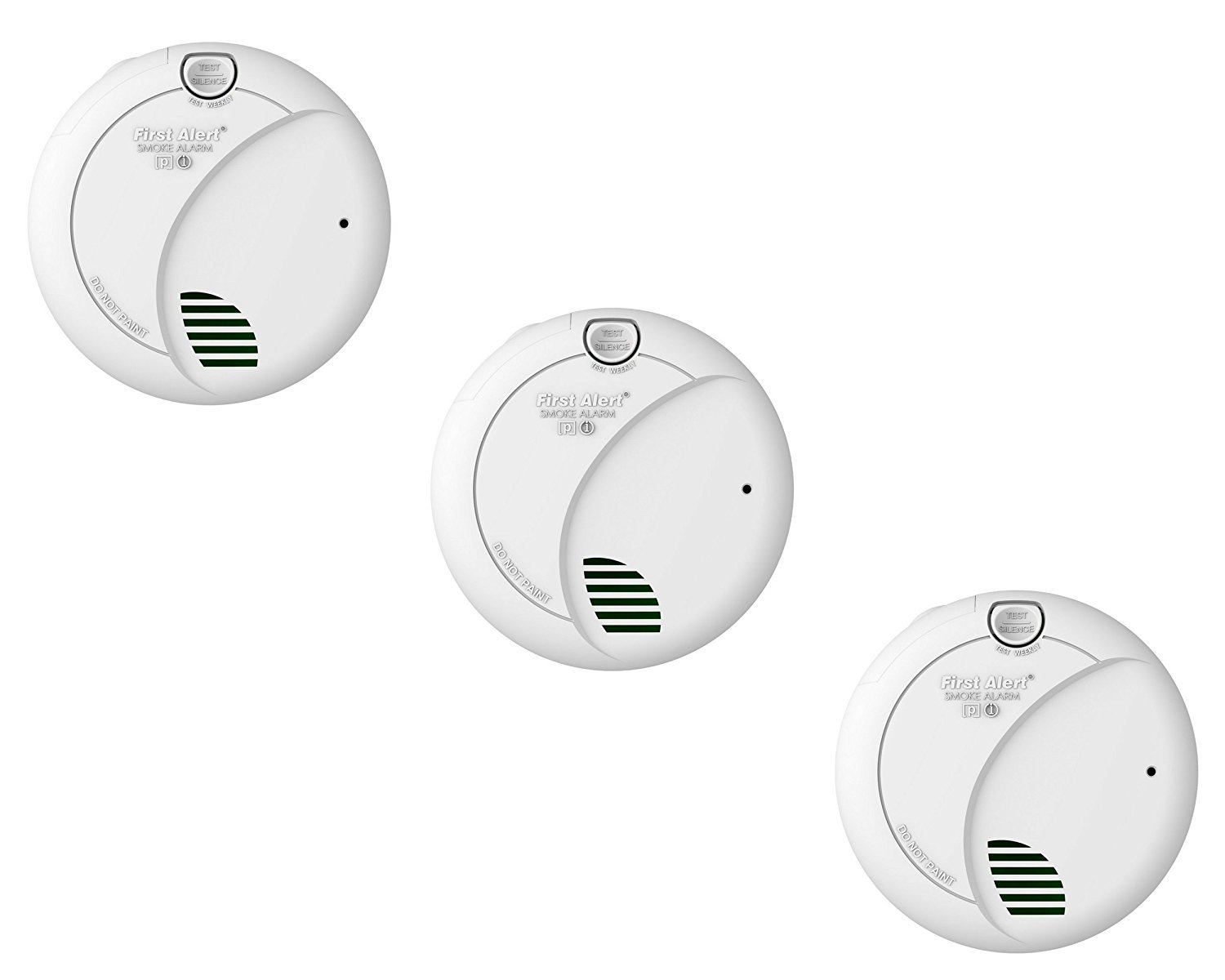
When you compare best brk smoke detectors by coverage rather than by housing shape, three types cover almost every home, and most houses need a mix of them.
Smoke Only Alarms for Bedrooms and Hallways
A smoke only alarm does one job and costs the least, about $15 to $30 for battery models and about $25 to $50 hardwired. Choose photoelectric sensing for bedrooms and hallways near bathrooms, where steam is common. These units suit all electric homes with no fireplace and no attached garage.
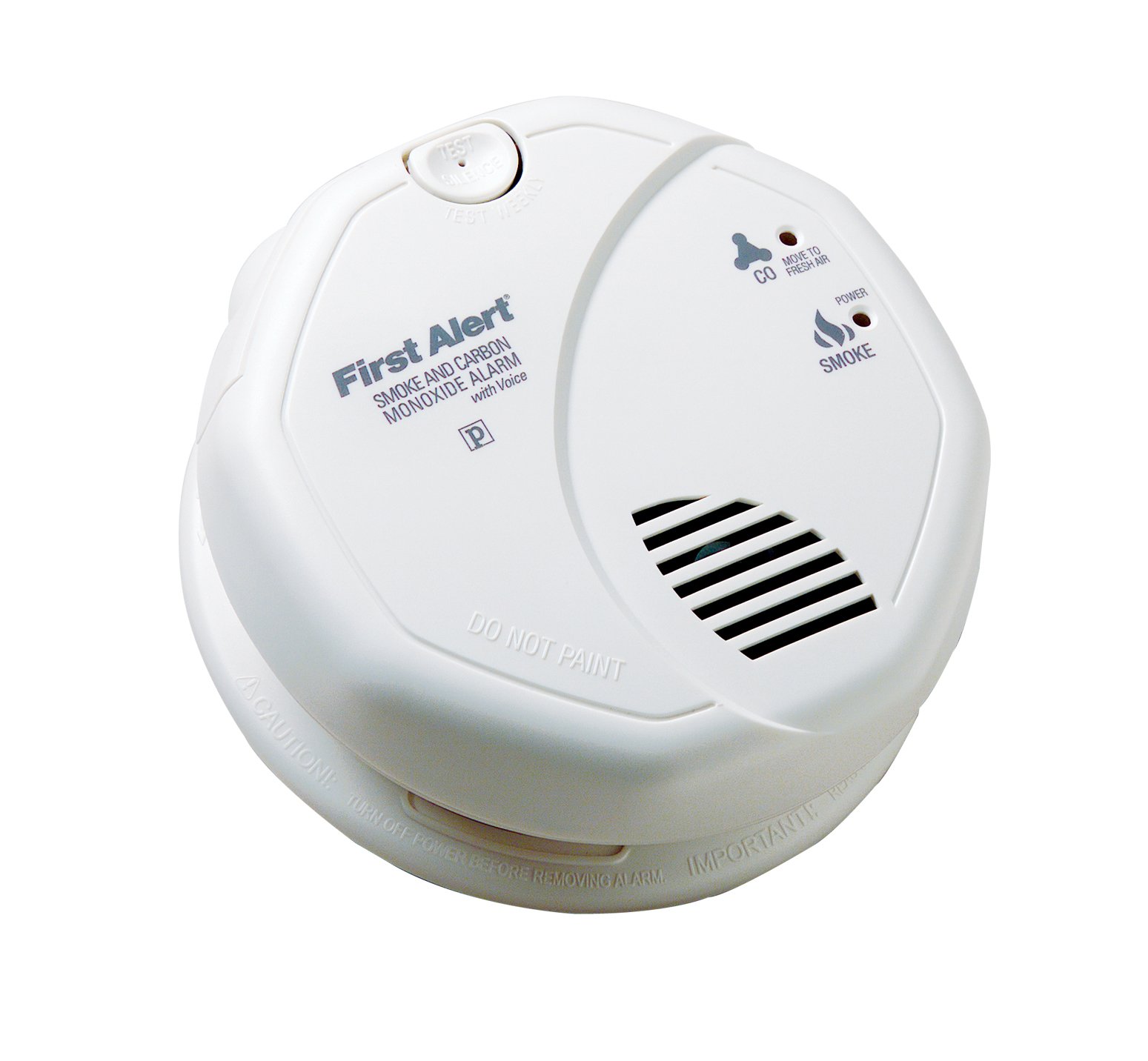
Combination Smoke and Carbon Monoxide Alarms
A combination alarm puts both sensors in one housing, which halves the devices you install and test. Expect about $35 to $60 for a hardwired or sealed battery unit. If you are weighing combo units across brands, see our guide to the best smoke and co2 detectors for sensor pairing notes. They suit hallways outside bedrooms best, while smoky kitchens do better with a separate photoelectric alarm placed farther from the stove.
Carbon Monoxide Only Alarms for Targeted Spots
A carbon monoxide only alarm fills gaps where smoke coverage already exists but gas risk remains, such as a hallway near a gas furnace room. Many models plug into a wall outlet with battery backup, which suits rooms where ceiling mounting is hard. Place them at head height in sleeping areas rather than near the floor, because carbon monoxide mixes with room air instead of pooling low.
A Home Safety Checklist Before You Buy New Alarms
Answer these questions before you order, and see our guide to the best rated smoke detectors to widen the field afterward.
- Do you have an alarm inside every bedroom and outside every sleeping area?
- Is there at least one alarm on every level, including the basement?
- Does each alarm match the sensor type that suits its room?
- Will every alarm sound when any single alarm triggers?
- Do your alarms carry a UL listing that matches their sensing job?
- Do fuel burning appliances or an attached garage call for carbon monoxide sensing?
- Can everyone in the home hear the alarm with bedroom doors closed?
Common Mistakes to Avoid
- Installing one hallway alarm and skipping bedrooms leaves people behind closed doors with the weakest warning.
- Mounting a smoke alarm a few feet from a stove causes false alarms that train your household to ignore the sound.
- Mixing brands on one interconnect line without checking compatibility can leave some alarms silent when others trigger.
- Painting over an alarm or covering its vents during a remodel blocks smoke from reaching the sensor.
- Removing a chirping battery at night and planning to replace it later leaves that room unprotected if you forget.
How to Make Your Brk Smoke Detector Last Longer
Press the test button on every alarm once a month, and vacuum the vents gently with a soft brush tool to clear dust that slows the sensor. Never use harsh cleaners or spray air freshener near an alarm, because residue can coat the sensing chamber.
If an alarm sounds and you see or smell smoke, leave the home at once and call the fire department from outside. Headache, dizziness or nausea in several people at once can signal carbon monoxide, so leave first, get fresh air, and seek medical help promptly rather than waiting indoors. Talk with your clinician about any symptoms after a suspected exposure, and let a qualified technician inspect fuel burning appliances before you use them again.
FAQs
How long do Brk smoke detectors last before replacement?
Brk smoke detectors last about 10 years from the manufacture date printed on the back of the unit. The sensing chamber collects dust and its response drifts with age, so cleaning cannot restore a worn sensor. Set a phone reminder for the replacement month when you install each alarm, and replace interconnected units from the same install round together.
Is a hardwired or battery powered Brk smoke detector better for an older home?
A battery powered unit with a 10 year sealed cell is usually better for an older home without ceiling wiring at each location. Adding new circuits means electrician time in finished ceilings, and that cost often exceeds the price difference between alarm types. If wired boxes already exist in the right rooms, keep that setup and its interconnect line.
Do you need separate smoke and carbon monoxide alarms with Brk detectors?
No, you do not need separate devices if a combination alarm covers both risks in the right location. Separate units still help when the ideal spots differ, such as a smoke alarm on a bedroom ceiling and a carbon monoxide alarm with a readout near a furnace hallway.
Where should you install Brk smoke detectors in a two level home?
Install Brk smoke detectors inside each bedroom, outside the sleeping areas, and at the top of the stairs on the upper level. The stair top spot matters because smoke from below rises through the stair opening first. Test audibility from the farthest bed with doors closed on a quiet night before you rely on the layout.
Our Verdict
Start with sensor type and coverage, then choose power and interconnection that fit your wiring. A photoelectric or dual sensor alarm in the right rooms does more for safety than any premium feature. Use the product table to confirm listing and power source before you order.
When the best brk smoke detectors for your floor plan are in place and tested monthly, you gain quiet confidence. Replace units on schedule, and your system will be ready on the one night it truly matters.