Best Brand of Generators to Buy for 2026: Strengths, Weak Spots, Value
Disclosure: We may earn a commission when you buy through links on this page, at no extra cost to you. As an Amazon Associate I earn from qualifying purchases. Learn more
A first time buyer guide to the best brand of generators to buy, covering reliability, clean power, fuel options, warranty support and safe home backup use.
Buying your first generator feels risky because the machine only proves itself during an outage, when a mistake is hard to fix. Brand choice matters here, since you are buying parts support, honest watt ratings, and help lines that answer during storm season. This guide shows first time buyers how to judge the best brand of generators to buy with clear, checkable criteria.
You will compare generator types, runtime claims, and clean power ratings, then sort brands into tiers that match different homes and budgets. Use the comparison table below for a quick scan of price and feature patterns, and keep your own list of must run appliances beside you as you read, because that list decides the size you need.



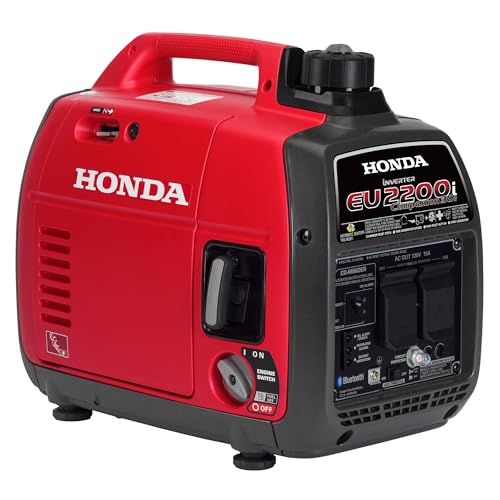

What Makes a Great Generator Brand?
A great generator brand rates its machines honestly. Starting watts describe the brief surge a motor needs, running watts describe what the unit can carry for hours, and trustworthy brands print both numbers clearly. They also publish runtime at a stated load, noise at a stated distance, and total harmonic distortion for inverter models. When a listing hides those conditions, the numbers are marketing, not specifications.
Support matters just as much. Look for a warranty of at least two years on portable models, a service network you can reach from your state, and parts such as air filters, spark plugs, and recoil starters that stay in stock. Brands with wide product ranges let you move from a small camping unit to a home backup model without learning a new control layout each time.
Generator Type (Portable, Inverter, Standby, Solar Power Station)
Portable generators give the most watts per dollar and suit job sites and basic home backup, but they are loud and must run outdoors. Inverter models cost more, run quieter, and produce cleaner power for electronics. Standby units install permanently, start on their own, and cost the most. Solar power stations store energy in a battery, often LiFePO4, and run silently indoors, but they hold far less energy than a fuel tank. Match the type to your outage length and noise limits first.
Runtime and Fuel Efficiency
Runtime claims only mean something at a stated load, usually 25 percent or 50 percent of capacity. A unit that runs 10 hours at quarter load may run only 5 hours when your fridge, furnace fan, and lights pull harder. Dual fuel models add flexibility, since propane stores for years without going stale, while gasoline delivers slightly more power. For multi day outages, fuel storage and efficiency matter more than a small price gap between brands.
Clean Power (THD) for Electronics
Total harmonic distortion, shortened to THD, measures how rough the electrical wave is. Inverter generators usually stay under 3 percent, which is safe for laptops, modern televisions, and variable speed furnace controls. Conventional portable units can run far higher, fine for tools and basic appliances but riskier for sensitive electronics. If clean power matters to you, our overview of the best rated generators explains how ratings are published, and brands that state THD plainly deserve more trust than brands that stay vague.
Top Brands at a Glance
Rather than crown one winner, sort the market into tiers. The product table above shows the current spread, and the tiers below explain what each group generally delivers, where each one cuts corners, and who should shop there. The same brand can appear in several tiers, so judge the exact model and its support terms, not the badge alone.
Budget Tier Brands for Occasional Outages
Budget brands, often under $500 for midsize portable units, target short outages and light duty use. Expect conventional power, louder operation, and shorter warranties, sometimes only one year. These machines can keep a fridge cold and lights on for a weekend storm, which is all many homes need. The weak spot is endurance, since thinner frames and basic engines dislike weeks of heavy runtime. If you shop here, favor brands with United States based support and spare parts listed online, because a cheap unit with no parts supply becomes scrap after one failure.
Midrange Inverter Brands for Most Homes
Midrange inverter brands, roughly about $500 to $1,200, fit most first time buyers. You get clean power, parallel capability on many models, quieter mufflers, and two or three year warranties. This tier pairs well with a manual transfer switch for safe home backup, a setup covered in our guide to the best backup generators. Weak spots include smaller fuel tanks and control panels that vary in quality. For apartment adjacent homes, RV trips, and food truck style uses, this balance of noise, weight, and price is hard to beat.
Premium Brands for Heavy and Frequent Use
Premium brands charge about $1,200 to $3,000 for portable and inverter models with stronger frames, better voltage regulation, and longer parts and labor coverage. Contractors and rural homes with frequent outages feel the difference, because these machines tolerate long runs and rough transport. You also tend to get clearer manuals and faster warranty handling. The honest weak spot is value for rare users: if your power fails once a year, premium durability may never repay its cost. Buy this tier for workload, not for peace of mind alone.
Standby Focused Brands for Automatic Backup
Standby brands build permanent home units that start within seconds of an outage and run on natural gas or propane. Installed cost often reaches about $10,000 or more once permits, a concrete pad, and a transfer switch are included. Brands in this space compete on dealer networks, because local service decides real world reliability. If automatic coverage is your goal, compare our guide to the best automatic generators before requesting quotes. Ask each dealer about annual maintenance plans and response times during regional storms.
Solar Station Brands for Quiet Indoor Power
Battery station brands suit renters, apartment dwellers, and anyone who cannot run an engine outside. Units recharge from wall outlets or solar panels and power lights, phones, laptops, and small fridges for hours, not days. LiFePO4 batteries last through far more charge cycles than older lithium types, which improves long term value. The limit is energy storage, so these stations complement rather than replace fuel generators for whole home backup. Brand quality here shows in app reliability, fan noise, and honest capacity ratings in watt hours.
Dual Fuel Specialists for Flexible Fuel Supply
Some brands lead with dual fuel lineups that run on gasoline or propane with a simple dial change. Propane keeps indefinitely in the tank, produces cleaner exhaust, and avoids stale fuel problems after long storage, while gasoline gives the full rated output. These brands suit preparedness minded buyers who store propane already. Output on propane usually drops by about 10 percent, so size your purchase using the propane running watts figure. Our explainer on what are the best brands of generators adds background on how these lineups developed.
How to Choose Between Brands
Write down your must run loads and add their running watts, then add the largest motor surge. That total, with about 20 percent headroom, sets your size class before brand loyalty enters the picture. Within that class, compare warranty terms, local service options, and the cost of a transfer switch or inlet box if you plan home backup. A slightly weaker brand with a dealer in your town can beat a famous brand with no nearby support.
Safety rules apply to every brand. Run fuel generators outdoors only, at least 20 feet from windows and doors, with exhaust pointed away, because carbon monoxide can kill without any warning smell. Never backfeed power through a dryer outlet, and let the engine cool before refueling. Keep a battery powered carbon monoxide alarm inside the home. These habits matter more than any logo on the fuel tank, so build them into your outage plan from day one.
Generators: Your Questions Answered
How long can a generator run continuously?
Most portable units can run for 8 to 12 hours per tank, but they need oil checks and cool down periods during multi day use. Many makers advise an oil change after the first 5 hours of break in, then at regular intervals stated in the manual. Running for several days straight without rest and fresh oil shortens engine life quickly, so plan short shutdown breaks during long outages.
Inverter or conventional generator: which is better?
Inverter models are better for electronics, fuel efficiency at partial load, and quiet operation, which suits homes and campsites. Conventional models cost less per watt and tolerate rough job site loads well. If your main loads are a fridge, lights, and a furnace fan with electronic controls, choose the inverter. If you mainly run power tools and a well pump on a budget, a conventional unit can be the sensible pick.
Do I need a transfer switch for a home generator?
A transfer switch is the safe, legal way to feed house circuits, because it isolates your home from utility lines and protects line workers from backfeed. The alternative is running extension cords through a window, which works for a fridge and a few lights only. Any hardwired setup needs a licensed electrician and local permits. Skipping the switch to save money is the most common first time buyer mistake.
Can a generator run a refrigerator?
Yes. A typical fridge needs about 100 to 200 running watts but can surge to 800 watts or more when the compressor starts. Even a small inverter unit handles one fridge comfortably, as long as you start large loads one at a time. Keep the fridge door closed during outages and the cold will hold for hours between runs, which saves fuel and engine wear.
What size generator do I need to power a house?
For essentials only, lights, fridge, furnace fan, WiFi, and a few outlets, about 5,000 to 7,500 running watts usually covers a typical home. Running central air, an electric range, or a dryer pushes needs toward 10,000 watts or a standby system. Add your loads honestly using nameplate watts.
Our Verdict
First time buyers usually land best in the midrange inverter tier, where clean power, sane noise, and solid warranties meet fair prices. Budget tiers serve rare, short outages, premium tiers earn their cost under heavy use, and standby brands suit homes that need automatic coverage. Check the product table above against your load list, and you will find the best brand of generators to buy for your home without paying for capacity you will never use.