
Best Breathable Work Boots: A Buying Guide for 2026
Disclosure: We may earn a commission when you buy through links on this page, at no extra cost to you. As an Amazon Associate I earn from qualifying purchases. Learn more

Choose the best breathable work boots for hot days by comparing ventilation, fit, traction, support, and protection for your job.
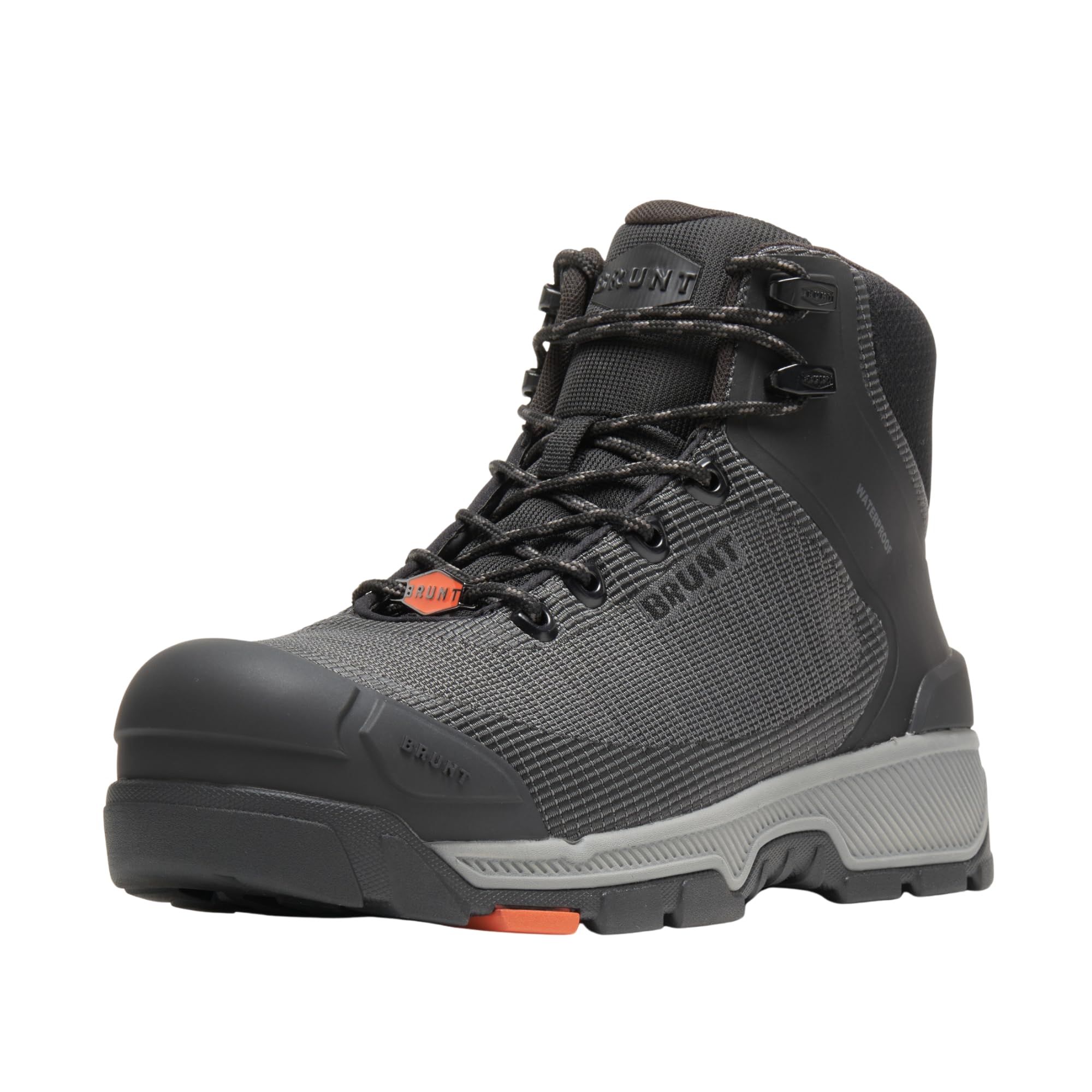
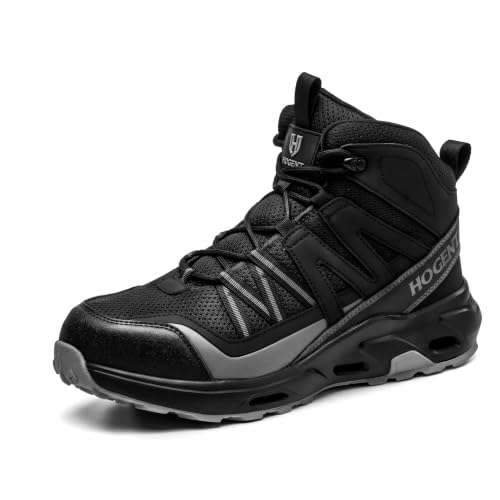
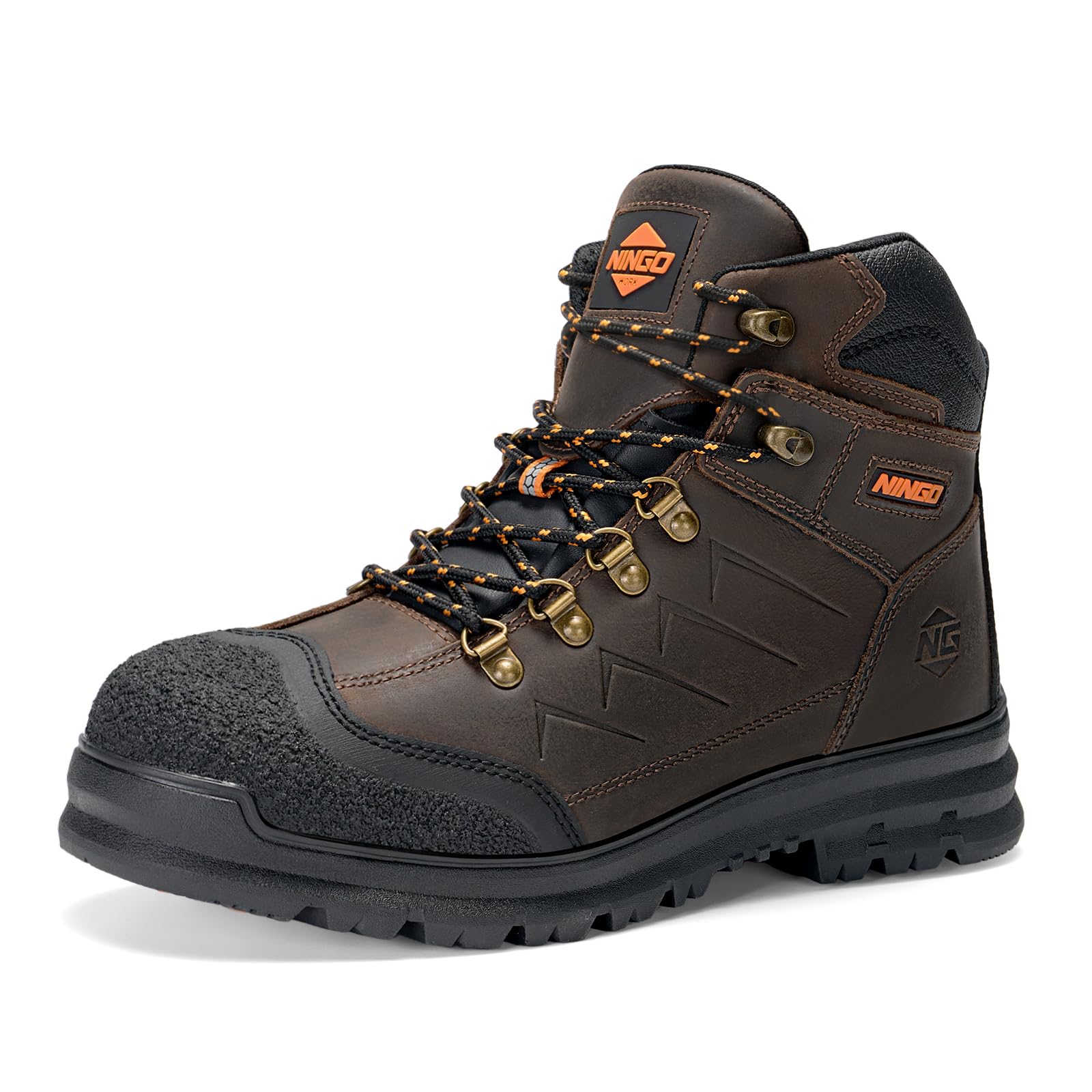
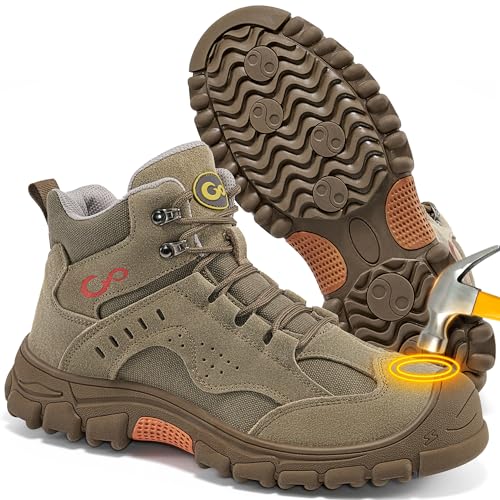
Hot feet can turn a long shift into a miserable one, and that is why ventilation matters as much as protection. This guide to best breathable work boots explains how airflow, fit, support and grip work together, so you can compare options without getting lost in marketing claims. Use the comparison table below to see how the main types differ before you read the details.
Breathable boots are not all the same. Some use mesh panels and lighter uppers to move air, while others add a waterproof membrane that still allows some moisture to escape. The right choice depends on your workplace, the surfaces you walk on, and how long you stay on your feet each day.




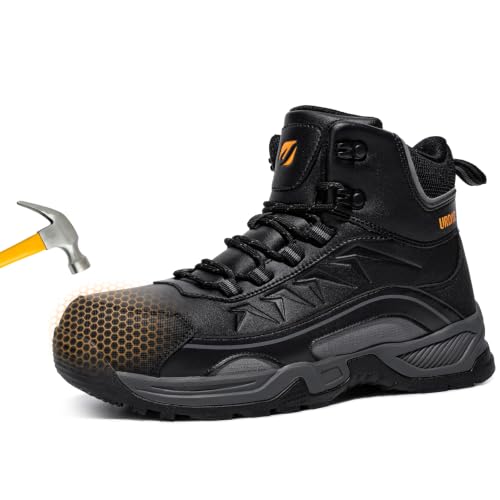

Who Should Buy Breathable Work Boots?
Breathable work boots suit people who work hard in warm conditions and need footwear that stays comfortable through a full shift. The groups below show how different jobs place different demands on ventilation, protection and durability.
Warehouse and Factory Workers in Warm Buildings
Workers in warm warehouses, kitchens and factories often stand and walk for hours on hard floors. They need steady airflow, cushioning that does not flatten early in the shift, and an outsole that grips smooth concrete and tile. A lighter boot can reduce leg fatigue, but it still needs a stable base and enough toe room for long standing.
Outdoor Crews in Summer Heat
Landscapers, road crews and construction workers face sun, dust and uneven ground. They need ventilation that works while moving, plus a tougher outsole and an upper that resists scuffs from soil, gravel and debris. For muddy or wet mornings, a breathable waterproof version may be a better match than a fully open mesh boot.
Workers Who Walk Long Distances on the Job
Delivery workers, maintenance staff and site inspectors often cover many miles in a day. They benefit from a flexible boot that bends with the foot, a padded collar that does not rub the ankle, and a breathable lining that dries between shifts. Weight matters here, since even a small saving per step adds up over a long day.
Spending Levels Explained
Price alone does not tell you whether a boot will breathe well. The levels below describe what you usually gain as spending rises, and where extra spending may not help your particular job.
Lower Spending
At a lower spending level, look for mesh or perforated panels, a basic cushioned insole and a slip resistant outsole. These boots can work well for shorter shifts and lighter duties. Check the stitching and sole bond carefully, since these areas often show wear first.
Middle Spending
Middle spending usually buys better ventilation design, such as mapped mesh zones, a moisture wicking lining and a more durable midsole. This level suits daily wear and mixed indoor and outdoor work. You may also find wider size ranges and more choices in width and toe protection.
Higher Spending
Higher spending often brings premium cushioning, tougher leather and mesh combinations, and soles built for long service. This level makes sense if you wear boots every day in demanding conditions. Still compare fit and airflow first, since a costly boot that fits poorly will not feel better than a well fitting cheaper pair.
How to Choose Breathable Work Boots
Use the factors below as a checklist. A boot that scores well on ventilation but fails on fit or traction will not serve you well, so weigh the whole package rather than one feature.
Fit, Sizing, and Toe Box
Measure your feet in the afternoon, when feet are slightly larger, and wear the socks you plan to use at work. A roomy toe box lets toes spread and move, which helps comfort and balance on long shifts. Your heel should stay in place without slipping, and your toes should not press the front when you walk downhill or stop quickly.
Durability and Expected Lifespan
Work boots wear out through daily use, not through a fixed mileage count borrowed from running shoes. Expect a well made pair to last many months of regular wear, with lifespan depending on surfaces, hours worn and care. Inspect the sole, stitching and upper often, and plan replacement when cushioning feels flat, traction fades or the upper splits.
Weight and Flexibility
Lighter boots can reduce fatigue, but very light boots sometimes trade away protection and sole life. Flex the boot by hand and walk in it if you can, checking whether it bends near the ball of the foot rather than in the middle. A boot that flexes naturally usually feels better over a long shift than a stiff boot that fights each step.
Arch Support and Foot Type
People with flat feet often need firmer arch support and a stable heel, while people with high arches may prefer extra cushioning under the midfoot. Overpronation, where the foot rolls inward, calls for a supportive midsole and a firm heel counter. If your feet ache often, try the insole that comes with the boot first, then consider a replacement insole made for your foot shape.
Cushioning and Support
Cushioning should feel soft on first wear but still supportive after hours on your feet. Stability designs help control inward roll, while neutral designs suit feet that do not roll much either way. Heel to toe drop, the height difference between heel and forefoot, affects how your stride feels, so compare boots with a similar drop if you already know what feels comfortable.
Outsole Traction and Terrain
Outsole traction depends on lug depth, lug pattern and rubber compound. Deeper lugs shed mud and grip loose ground, while shallower, closely spaced lugs suit smooth indoor floors. Look for a slip resistant rating that matches your workplace, and check whether the sole handles oil, water or smooth tile if those are common where you work.
Types of Breathable Work Boots
Breathable work boots come in several forms, and each form balances airflow against protection in a different way. Match the type to your main hazard and climate, not just to the hottest day you can remember.
Lightweight Breathable Work Boots
Lightweight breathable boots use mesh, lighter leather and thinner midsoles to cut weight and increase airflow. They suit warm indoor work and jobs with lots of walking. They may wear faster on rough ground, so reserve them for lighter duties if your site is harsh.
Breathable Waterproof Work Boots
Breathable waterproof boots add a membrane that blocks outside water while letting some sweat vapor escape. They suit wet mornings, puddles and washdown areas better than open mesh boots. They will feel warmer than a fully ventilated boot, so weigh water protection against airflow for your climate.
See our guide to best breathable waterproof work boots if wet conditions are a regular part of your job.
Breathable Steel Toe Work Boots
Breathable steel toe boots pair a protective toe cap with ventilated uppers and linings. They suit jobs where falling objects or compression hazards are a real risk. Steel toes add weight, so check the overall balance and fit carefully, and confirm the protection level your employer requires.
See our guide to best breathable steel toe work boots for more detail on toe protection and ventilation together.
Ventilated Work Boots Without a Safety Toe
Some jobs do not require a safety toe, and a ventilated boot without one can be lighter and more flexible. These boots suit light warehouse work, delivery driving and indoor maintenance where impact protection is not required. Always check employer rules first, since a missing safety toe can be a problem if site rules change.
See our guide to best lightweight breathable work boots if low weight is your top priority, and see our guide to best work boots for a broader comparison across work boot types.
Tips to Get the Most From Your Breathable Work Boot
- Air dry wet boots away from direct heat, since strong heat can stiffen leather and damage adhesives.
- Rotate two pairs for daily wear when you can, so each pair dries fully between shifts.
- Lace properly to prevent heel slip, starting snug at the forefoot and firming up toward the ankle.
- Clean mesh panels gently and remove dried mud, so airflow paths stay open and the upper lasts longer.
- Wear breathable socks for work boots to help move moisture away from the foot. See our guide to best breathable socks for work boots for sock choices that pair well with ventilated boots.
Frequently Asked Questions
Do Breathable Work Boots Need to Be Waterproof?
No, breathable work boots do not always need to be waterproof. Open mesh boots breathe best in dry heat, while a waterproof membrane suits wet ground, puddles and washdown work. Choose waterproofing only if water is a regular problem, since the membrane adds warmth.
How Should Breathable Work Boots Fit?
Breathable work boots should fit snug at the heel and midfoot, with enough room for toes to wiggle and spread. Try them on in the afternoon with your work socks, and walk on a hard surface to check for heel slip or toe pressure. A boot that pinches in the store will rarely improve with wear, so choose a wider width or a larger size rather than hoping for a long break in.
How Often Should I Replace Breathable Work Boots?
Replace breathable work boots when cushioning feels flat, traction fades, the lining tears or the sole starts to separate. For daily wear, that often means after many months of hard use, though harsh surfaces shorten life. Rotate pairs and clean them regularly, and inspect the outsole and stitching each month.
Are Expensive Breathable Work Boots Worth It?
Expensive breathable work boots can be worth it for daily wear in demanding jobs, where better cushioning, ventilation design and sole life pay off over time. For light or occasional use, a lower cost pair with a good fit may serve just as well. Compare fit, airflow and traction first, and spend more only when the extra features match a real need in your workplace.
Can I Wear Breathable Work Boots All Day?
Yes, you can wear breathable work boots all day if they fit well and suit your job, since ventilation helps reduce sweat and heat buildup. Take short breaks to air your feet when you can, and change socks if they become damp. If you feel persistent foot pain, numbness or swelling, rest and seek advice from a clinician, since fit or a health issue may need attention.
How Long Is the Break In Period for Breathable Work Boots?
The break in period for breathable work boots is usually short, often a few days of gradually longer wear. Leather panels may soften over one or two weeks, while mesh boots often feel comfortable almost at once. Wear new boots for shorter shifts first, adjust lacing as needed, and do not ignore blisters or hot spots, since those signal a fit problem rather than normal break in.
Final Thoughts
Choose fit first, then ventilation, traction and protection in the order your job demands. A boot that breathes well, supports your arches and grips your workplace surfaces will serve you far better than a boot chosen on looks alone. Review the product table above, compare the spending levels, and pick the best breathable work boots for your daily work.


