
Best British Made Watches: Our 2026 Checklist and Buying Guide
Disclosure: We may earn a commission when you buy through links on this page, at no extra cost to you. As an Amazon Associate I earn from qualifying purchases. Learn more
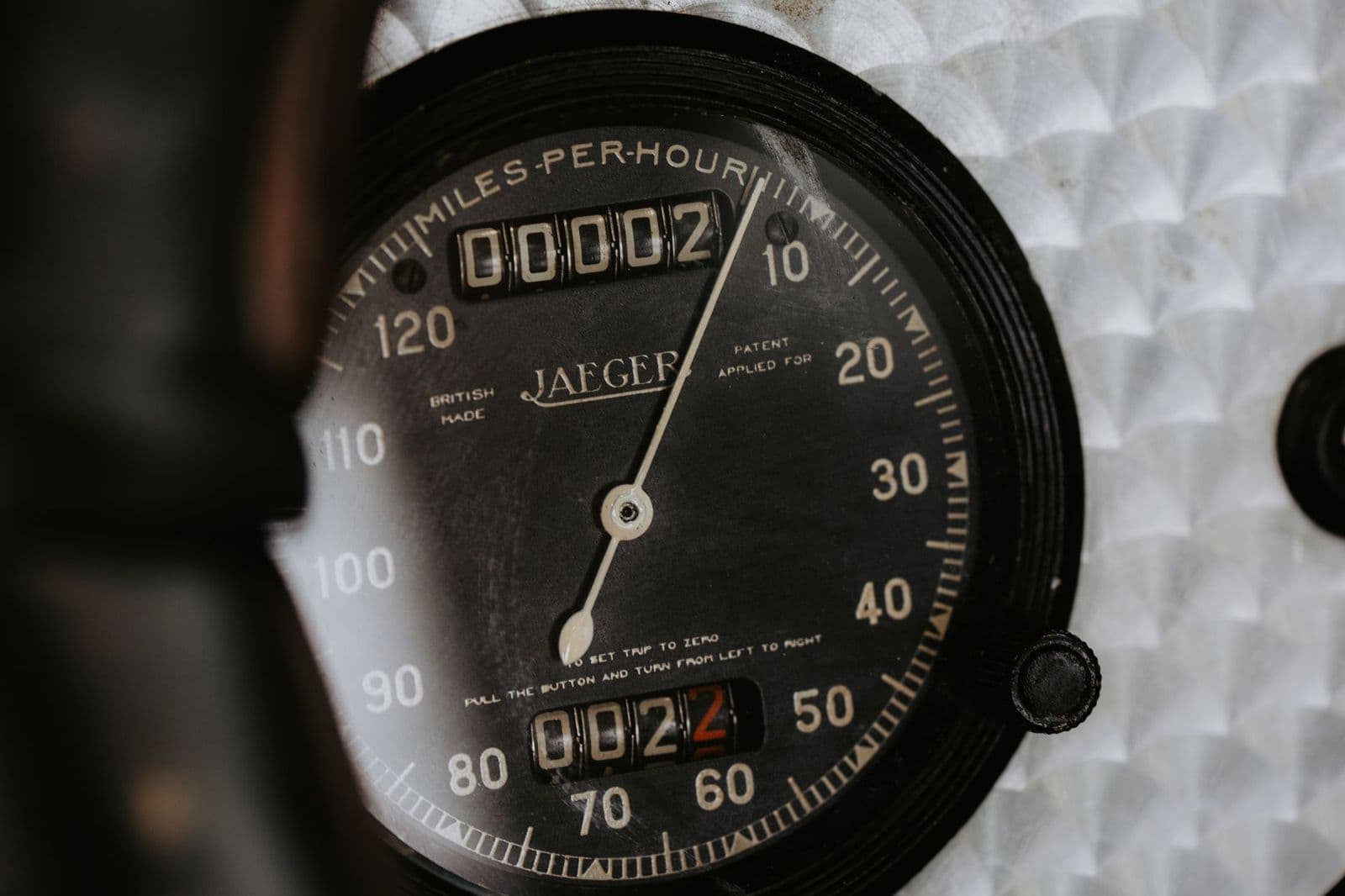
Run through our checklist for the best british made watches before you buy. Compare movements, case size, crystals, straps, and water resistance here.
British watchmaking mixes old workshop skills with modern machining, but the label can mean anything from full assembly in Britain to a British brand using imported movements. A clear checklist protects you from paying for a story instead of a watch. This guide scores the best british made watches on movement, fit, materials, water resistance, and warranty, in that order.
Work through each criterion for the best british made watches and note where a watch passes, where it merely looks the part, and where the maker stays vague. Set your budget and case size range first, then apply the checklist to every candidate that remains.
How to Evaluate British Made Watches
Movement Type (Quartz, Automatic, Solar, Smart)
Quartz movements are the accuracy benchmark, often gaining or losing only a few seconds a month, and they ask for little care beyond a battery change. Automatic movements wind from your wrist motion and appeal to buyers who enjoy mechanical craft, but they run less precisely and need servicing every five to seven years. Solar models suit owners who dislike battery changes, while smart models trade tradition for screens and sensors. A good sign is a named movement with published specifications. A vague phrase like premium movement, with no maker or caliber named, scores poorly.
Case Size and Wrist Fit
Most British designs sit between 36 and 42 mm across, and that range flatters most wrists. Measure your wrist, then check the lug to lug length, because that figure decides whether the case overhangs your wrist edges. Thickness matters under a shirt cuff: dress styles often run about 8 to 11 mm thick, while dive styles can reach 14 mm. Lume on hands and markers helps in low light and is worth checking on any watch you plan to wear at night. If the lugs extend past your wrist, size down even if the diameter looks right on paper.
Smart and Fitness Features
Only a small share of British made watches are smart, so judge this criterion only where it applies. Useful features include GPS for runs, notifications you can filter, and a battery that lasts several days rather than one. Heart rate readings from a wrist sensor are estimates for general fitness, and they do not replace a medical device or a clinician if you have health concerns. Check phone compatibility before you buy, since some models favor one phone system. If you want a classic watch, score this section as not needed and put the money toward crystal and movement quality instead.
Brand Reputation, Warranty, and Value
A maker earns trust by stating plainly what is made in Britain, what is imported, and who services the watch. Look for a warranty of at least two years, a clear service center or partner in the United States, and published service prices. Resale value follows reputation, spare parts supply, and timeless sizing more than limited edition claims. Readers comparing national traditions can see our guide to the best british watches for the wider field, then return to the stricter made in Britain checks here.
Strap and Bracelet Options
The strap changes comfort, weight, and style more than any other single part. Leather suits dress wear but hates water, metal bracelets last for years and add heft, and fabric straps keep summer wear light and washable. Quick release spring bars let you swap straps at home with no tools, which stretches one watch across work and weekends. Check lug width, commonly 18 to 22 mm, before you buy spare straps. A bracelet should have solid end links and a clasp that closes with a firm click, not a tinny snap.
Crystal and Case Materials
Sapphire crystal is the benchmark for scratch resistance and appears on most serious British watches above the entry tier. Mineral glass costs less and resists knocks well, but it scratches more easily over years of wear. Case steel is usually 316L grade, which handles sweat and daily knocks, while titanium cuts weight for larger cases and suits sensitive skin. Brushed finishes hide small marks better than polished ones. Ask whether the crystal has an anti reflective coating, because glare can spoil an otherwise clear dial in bright light.
Water Resistance Rating
Read water ratings as splash guidance, not diving permission. A 30 m rating covers rain and hand washing only, and you should not swim with it. At 100 m, swimming and snorkeling become reasonable, and 200 m with a screw down crown suits recreational diving. Seals age, so a watch that was waterproof five years ago may not be today without a pressure test. For a contrast in rating traditions, our guide to the best swiss made watches shows how Swiss makers label the same depths.
Three Price Tiers That Can Pass This Checklist
The Balanced Tier
Balanced British watches, often around $400 to $900, suit buyers who want one watch for most days. At this level you can expect a named quartz or automatic movement, sapphire crystal, and a case finished with care. Water resistance around 100 m covers swimming, and straps are usually good enough to keep for years. You give up precious metals and elaborate decoration, but the core checklist scores stay high, which is what your wrist notices daily.
The Value Tier
Value models, often around $150 to $400, suit first time buyers and anyone adding a second style. Expect quartz movements, mineral or basic sapphire crystals, and simpler straps. These watches can still pass on fit, clarity, and warranty if you choose carefully, so spend your checks on case size and seal ratings rather than dial decoration. The common failure here is a short warranty with no clear service route, which turns a small fault into a full replacement cost.
The Compact Tier
Compact models focus on smaller cases, usually 36 to 38 mm, and suit slimmer wrists or anyone who dislikes heavy watches. They often follow classic British dress styling, with clean dials, slim profiles, and leather straps. Around $300 to $800 buys strong examples with sapphire crystals and reliable movements. Check legibility carefully, because small dials crowd date windows and subdials. A compact watch that stays easy to read at a glance passes the checklist better than a larger one you keep squinting at.
Quick Buyer Checklist
- Can the maker state clearly which parts and assembly steps happen in Britain?
- Is the movement named, with accuracy and service guidance published?
- Does the lug to lug length sit within your wrist width?
- Is the crystal sapphire, or are you accepting mineral glass knowingly at a lower price?
- Does the water rating match your real life, including swimming or only rain?
- Is the warranty at least two years, with a service route you can actually use?
- Can you buy spare straps and seals for this model in a standard lug width?
If a watch fails two or more of these questions, keep looking. For a wider view of origin claims across countries, browse our guide to the best watches made and compare how each tradition phrases its labels.
Red Flags to Watch For
- Vague origin wording such as British inspired or designed in London, with no statement about where the watch is built.
- Unnamed movements and no accuracy figures, which usually means the maker hopes you will not ask.
- Water resistance shown with dramatic diving photos on a watch rated at only 30 m.
- Warranties under one year, or cover that requires shipping the watch overseas at your cost.
- Review patterns that praise a launch heavily in one week and then vanish, with no long term owner reports.
Setup and Care Tips
Set the date away from the late evening hours, because many movements change the date near midnight and forcing the hands then can strain the mechanism. Rinse the watch in fresh water after salt water exposure if its rating allows immersion, and dry it on a soft cloth. Store it away from strong magnets such as tablet covers and speaker drivers, which can disturb a mechanical movement. Book automatic services every five to seven years, and ask for a pressure test whenever the case is opened.
Frequently Asked Questions
How water resistant should a british made watch be?
For daily wear with rain and hand washing, 30 to 50 m is enough if you never swim in the watch. If you swim weekly, choose 100 m or more and keep the crown pushed or screwed fully in. One point many buyers miss is the strap: a 200 m case on a leather strap is still not a swim watch, because the strap will suffer long before the case does.
What watch case size fits my wrist?
Start with lug to lug length rather than diameter. Measure across the top of your wrist where the watch sits, and keep the lug span at or below that width. Slim wrists under about 6.5 inches usually suit 36 to 38 mm cases, while larger wrists can carry 40 to 42 mm easily. Trying the watch over your usual sleeve also helps, since cuff clearance changes how large a case feels.
Quartz or automatic: which is better for a british made watch?
Quartz is better for accuracy, low cost, and grab and go ease, while automatic is better for buyers who value mechanical craft and a sweeping second hand. Neither is objectively superior. Think about service: a quartz watch needs a battery every one to three years, while an automatic needs a costlier service every five to seven years. If the watch will sit unworn for weeks, quartz also saves you resetting the time and date each wear.
Is a smartwatch worth it over a classic british made watch?
A smartwatch is worth it if notifications, GPS tracking, and contactless payment shape your day. A classic watch wins on lifespan, since a well made mechanical or quartz piece can serve for decades, while smart models age with their software and batteries. Some owners keep both, wearing the smart model for training and the classic for work and events. If service support for the smart model ends in a few years, factor that shorter life into the price.
How long does a british made watch battery last?
Most quartz batteries last about one to three years, depending on the movement and how often you use features such as a chronograph or backlight. Solar models can run far longer before a rechargeable cell needs attention. A seconds hand that jumps in wide steps is often a low battery warning built into the movement. Have the battery changed by someone who will renew the seals and pressure test the case, or the water rating may not survive the change.
Wrapping Up
Score the movement, the fit, and the crystal first, because those three shape every day with the watch. Then confirm the warranty and service route before you pay. Compare case sizes and prices on each maker's spec sheet, and use the checklist to reject vague origin claims with confidence. Chosen that way, the best british made watches offer honest making, lasting materials, and a style that stays welcome on your wrist for years.


