
Best Breathable Socks for Work Boots: Types Compared and How to Choose for 2026
Disclosure: We may earn a commission when you buy through links on this page, at no extra cost to you. As an Amazon Associate I earn from qualifying purchases. Learn more

Compare the best breathable socks for work boots by type, fiber and cushioning with a clear guide to cooler, drier feet through long work shifts.
A work boot can only breathe as well as the sock inside it allows. With so many fibers, heights, and cushion levels on offer, choosing the best breathable socks for work boots can feel confusing. This guide compares the main sock types clearly, with who each type suits and what it costs. Start with the comparison table below, then use the sections that follow to match a sock to your boot, your job, and your climate.
Cotton is the most common mistake in work boots. It absorbs sweat, stays wet, loses cushioning, and raises blister risk through a long shift. Breathable work socks use fibers and ventilation zones designed to move moisture away from skin and let it escape through the boot.
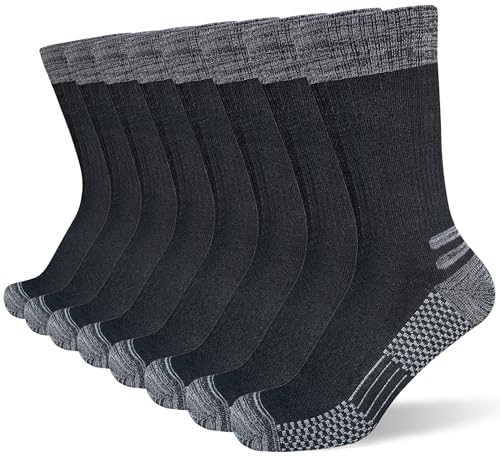

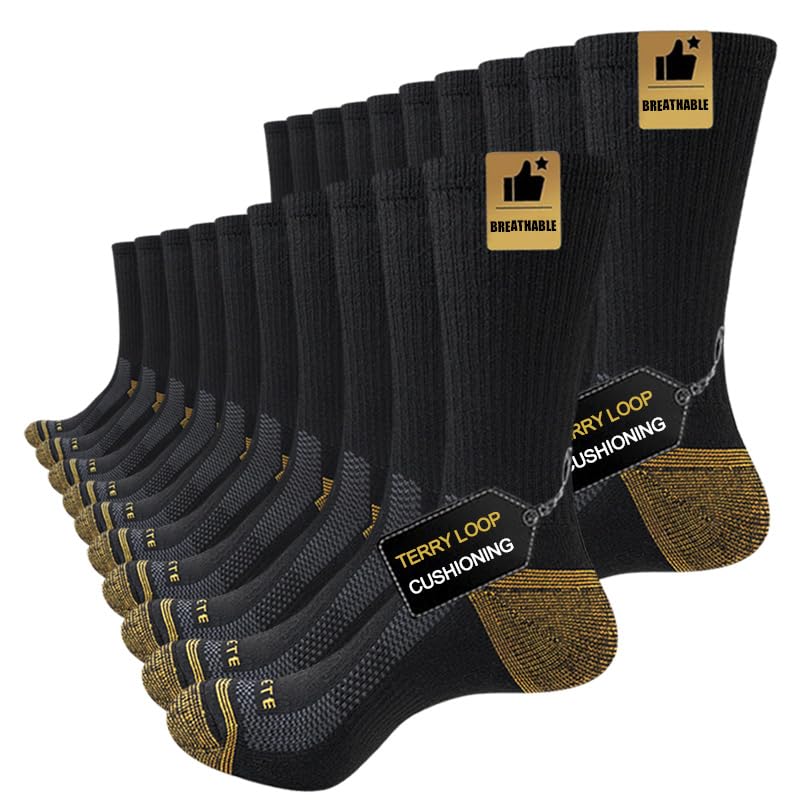
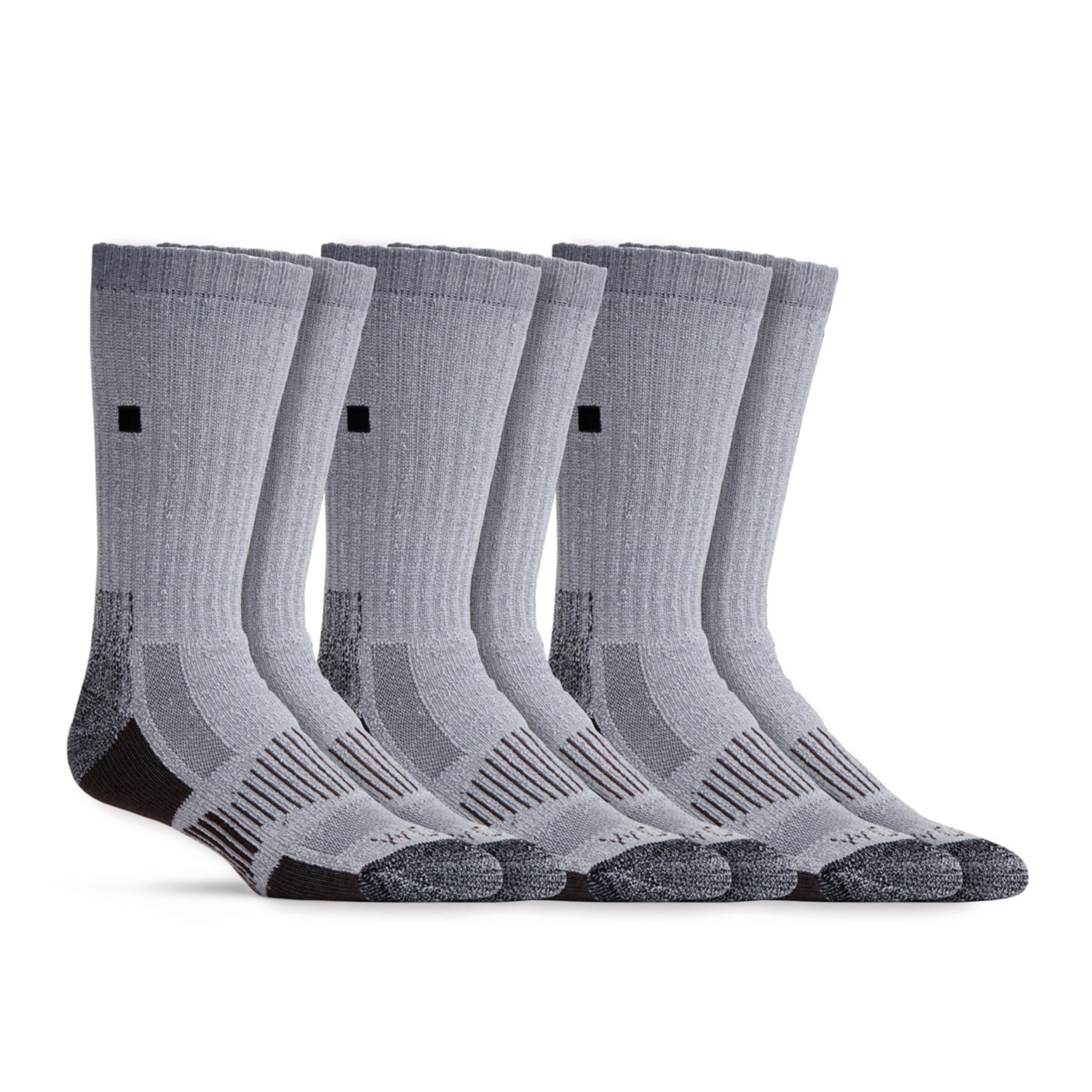
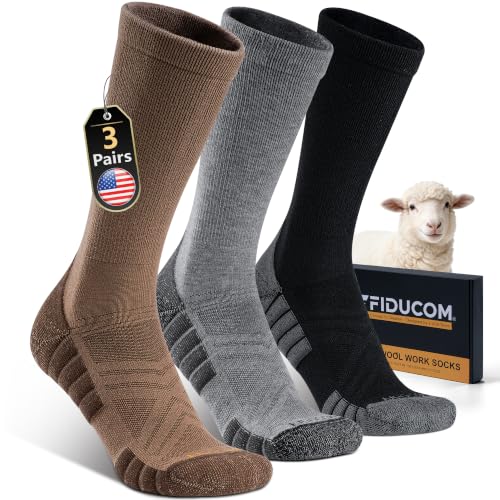

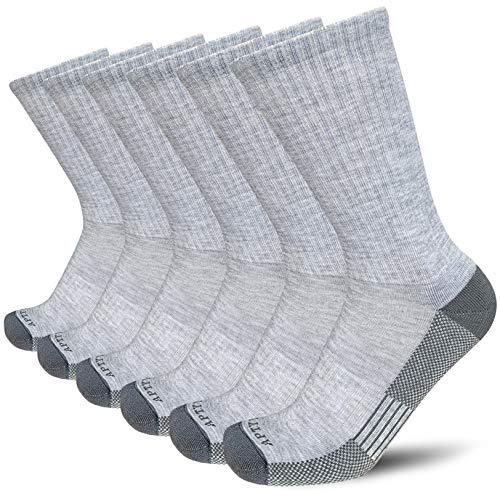
Types of Breathable Socks Compared
Sock types differ mainly in fiber, cushion placement, and how they manage heat inside a tall, often waterproof boot. The four groups below cover most jobs, from warehouse floors to outdoor construction. Many workers keep two types on hand, a lighter pair for summer and a warmer cushioned pair for winter, and rotate them so each pair dries fully between shifts.
Support and Cushioned Work Socks
Support style work socks add thicker cushioning under the heel and ball of the foot plus a firmer arch band that keeps the sock in place. They suit long standing, concrete floors, and heavy boots that transmit impact with each step. Prices are often about $12 to $25 per pair. The trade off is warmth. Extra padding holds a little more heat, so look for ventilation channels over the top of the foot to balance cushion with airflow. For most full shift workers, this is the safest everyday starting type.
Lightweight Breathable Work Socks
Lightweight socks use thinner knit, mesh panels on the top of the foot, and fast wicking synthetic or wool blend fibers. They suit hot climates, indoor jobs, and workers whose feet overheat even in ventilated boots. Expect about $10 to $20 per pair. They dry fastest after washing and feel least bulky in snug boots. Their limit is protection. Thin socks offer less padding against boot pressure points and wear through sooner at the heel and toe, so inspect them often and replace them before holes form.
Wool Blend Work Socks
Wool blend socks, often using merino wool mixed with nylon and elastane, regulate temperature in both heat and cold and resist odor across long shifts. They wick moisture while still feeling dry, which helps in boots worn for ten hours or more. Prices tend to run about $15 to $30 per pair. They need gentler washing and cost more upfront, but they often last longer and need fewer pairs in rotation. For workers who cannot change socks mid shift, wool blends are frequently the most comfortable choice.
Waterproof Boot Socks
Waterproof socks use a membrane layer between knit layers to block outside water in very wet jobs like utilities, fishing support work, or flood cleanup. They cost more, often about $25 to $45 per pair, and they breathe less than standard wicking socks. That trade off is worth it only when your boots regularly let water in or you stand in water. For ordinary rain with waterproof boots, a good wool blend sock inside the boot is usually cooler and more comfortable than adding a membrane sock as well.
For a general starting point across all sock styles, see our guide to the best socks for work boots before you narrow to breathable options.
Support Socks vs Lightweight Socks: Which Should You Choose?
Choose support socks if you stand or walk on hard floors all day, wear heavy safety boots, or get sore heels and arches by mid shift. Choose lightweight socks if heat and sweat are your main problems, your boots fit snugly, and your work involves less impact. On blister control, both can work, but fit decides the winner. A sock that bunches will rub regardless of fiber. On durability, cushioned socks usually outlast thin ones. On drying speed, lightweight socks win clearly. Many workers solve the choice by using lightweight pairs in summer and cushioned pairs in winter with the same boot.
How to Choose the Right Breathable Sock
Features That Matter for Work Boots
Work boots create a hot, high friction environment, so sock features must handle both. Look for moisture wicking fibers such as merino wool, polyester, or nylon blends, ventilation mesh over the instep, and reinforced heel and toe zones. Height matters. Crew or boot height socks protect your shin from the boot collar and stop the sock sliding down. Seam placement matters too. A flat or low profile toe seam reduces rubbing inside a safety toe boot where space is already tight.
Fit, Sizing, and Toe Box
Socks should fit your foot, not just your boot size range on the package. A correct fit feels smooth with no extra fabric bunching at the toes or heel, because folds inside a work boot quickly become blisters. If you are at the top of a size range, sizing up usually prevents overstretching, which thins cushioning and reduces wicking. Remember the boot toe box. Thick socks in a snug safety toe can compress your toes and cut circulation, so pair sock thickness with the room your boot actually leaves.
Outsole Traction and Terrain
Your sock does not provide traction, but it affects how securely your foot sits over the outsole. On slick warehouse floors, steep roofs, or muddy sites where your boot lug pattern and outsole compound do the gripping, a sock that slides inside the boot undermines that grip. Choose a sock with a snug arch band and heel pocket so your foot and boot move as one unit. If your boots themselves lack breathability, see our guide to the best breathable work boots for boot side ventilation options.
Cushioning and Support
Cushioning absorbs impact and protects pressure points, while arch support in a sock mainly means a compression band that holds the sock in place and offers mild support feel. It does not replace an insole or orthotic for real foot support. Match cushion level to your job. Heavy impact work benefits from full cushion, desk to site mixed work suits targeted cushion, and hot indoor work often feels best with light cushion plus strong ventilation. Check heel to toe comfort after a full shift, not just in the morning.
If wool sounds right for your climate, see our guide to the best wool socks for work boots for fiber blend and care details.
Tips to Get the Most From Your Breathable Sock
Rotate at least three pairs so each pair dries and recovers for a full day between wears. Change socks at lunch on very long or hot shifts if you can, because a dry pair halfway through the day prevents more blisters than any single premium pair worn for fourteen hours. Wash socks inside out in cool or warm water and air dry them away from direct heat to protect elastic and wool fibers. Replace pairs when the heel or ball thins, elastic no longer holds the sock up, or cushioning feels flat. For most full time workers, that means every six to twelve months per pair in regular rotation.
Frequently Asked Questions
What features matter most in breathable socks for work boots?
Wicking fiber, ventilation over the top of the foot, and a smooth secure fit matter most. Merino wool and quality synthetic blends move sweat away from skin, mesh zones let heat escape into the boot, and an arch band stops sliding that causes blisters. Cushion level comes next and should match your floor type. Skip cotton, even if it feels soft in the morning, because it will stay wet by afternoon.
How long is the break in period?
Breathable work socks have almost no break in period and should feel comfortable on the first full shift. Wool blends may feel slightly fuller after the first wash as fibers settle. What does need checking is the sock and boot combination. Wear a new type for one normal shift before a long overtime day, and check your heels and toes afterward. Any hot spot on day one will likely become a blister by day three.
Are expensive breathable socks worth it?
They can be worth it when higher cost buys better wool content, stronger reinforcement, and elastic that holds up for a year of washing. Workers on their feet all day often feel the difference by the end of a shift. For occasional boot use, a mid priced synthetic blend is usually enough. Judge by cost per wear and how many pairs you need in rotation, not by the single pair price alone.
Do I need waterproof shoes?
You need waterproof boots only if your job regularly involves standing water, heavy rain, or wet concrete work. A waterproof boot paired with a breathable wicking sock is the usual best combination, because the boot blocks outside water while the sock manages sweat inside. Adding a waterproof sock as well can trap too much heat for most jobs. Reserve membrane socks for cases where water gets inside the boot despite good boots and gaiters.
How should breathable socks fit?
They should lie flat and snug with no wrinkles, the heel pocket sitting exactly on your heel and the toe seam resting beyond your toes without excess fabric. Your toes should move freely inside the boot without the sock pulling tight. If the sock slides down during a shift, the size or height is wrong for your boot. Boot height socks should end above the boot collar to protect skin from rubbing.
How often should I replace my breathable socks?
Replace them when cushioning thins at the heel or ball, holes start, or the top band no longer stays up through a shift. In daily rotation, many work socks last about six to twelve months before performance drops. Do not wait for a hole. A thin spot inside a work boot becomes a blister quickly, and worn elastic lets the sock bunch, which removes the breathability and fit benefits you paid for.
Can I wear them all day?
Yes, breathable work socks are designed for all day wear, and wool blends handle ten to twelve hour shifts especially well. For shifts longer than that in high heat, a mid shift sock change is the single most effective comfort step you can take. If you have diabetes, circulation problems, or recurring foot sores, talk with your clinician about sock fiber, compression, and foot checks for your personal needs, and inspect your feet after every shift.
Men looking for gender specific sizing can see our guide to the best men's socks for work boots, and anyone considering added circulation support can see our guide to the best compression socks for work boots for cautions and fit notes.
Final Thoughts
Match fiber first, fit second, and cushion third. Choose wicking wool or synthetic blends over cotton, get a smooth fit that stays up inside your boot height, and pick cushioning that suits your floors without crowding the toe box. Rotate pairs and replace them before they thin out. With those basics right, the best breathable socks for work boots will keep your feet drier and more comfortable through the longest shifts. Use the product table above to compare your finalists.


