
Best Breathable Shoes: Every Type Explained Side by Side for 2026
Disclosure: We may earn a commission when you buy through links on this page, at no extra cost to you. As an Amazon Associate I earn from qualifying purchases. Learn more

How the best breathable shoes manage heat and sweat, with mesh and knit types compared and support matched to daily activity.
Shoes that trap heat leave feet hot, damp, and tired long before the day ends. The best breathable shoes let air move through the upper and moisture escape from inside, which matters most on warm days, long walks, and workouts. Use the comparison table below for a quick overview, then read the guide to match a type, material, and fit to your own routine.
Breathability is not one feature. It comes from the upper weave, the lining, the insole, and how much of the foot the design covers. A closed mesh shoe with a ventilated footbed can feel cooler than a partly open shoe with a sealed insole.


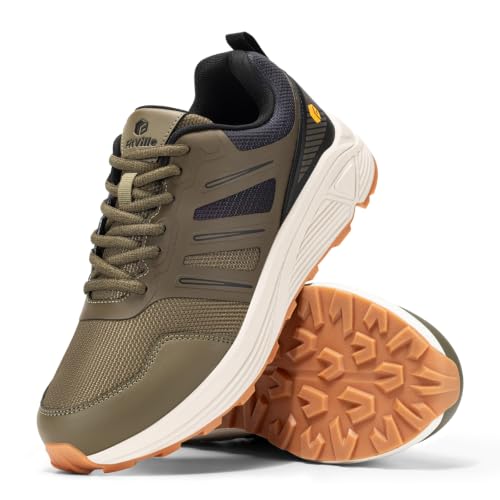


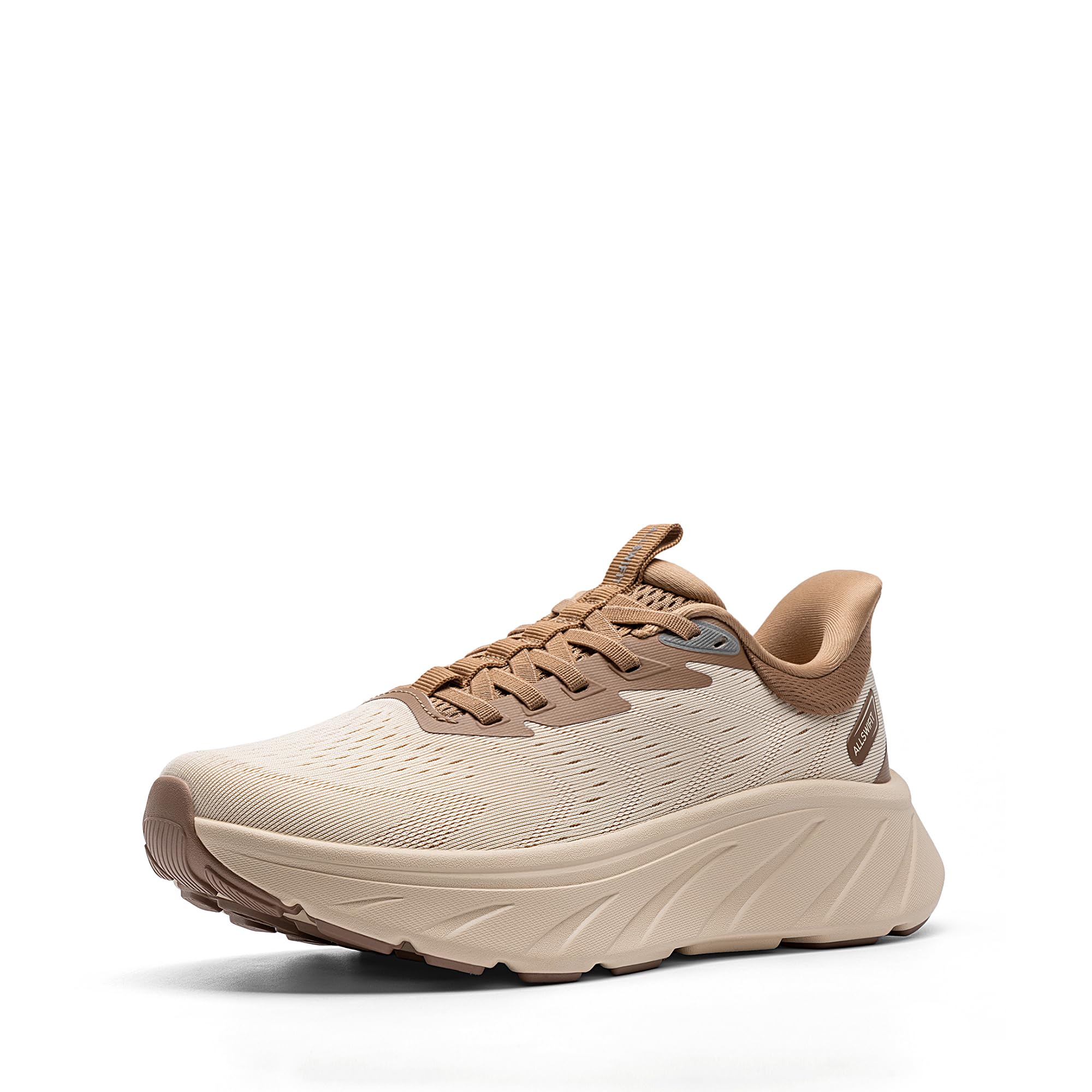
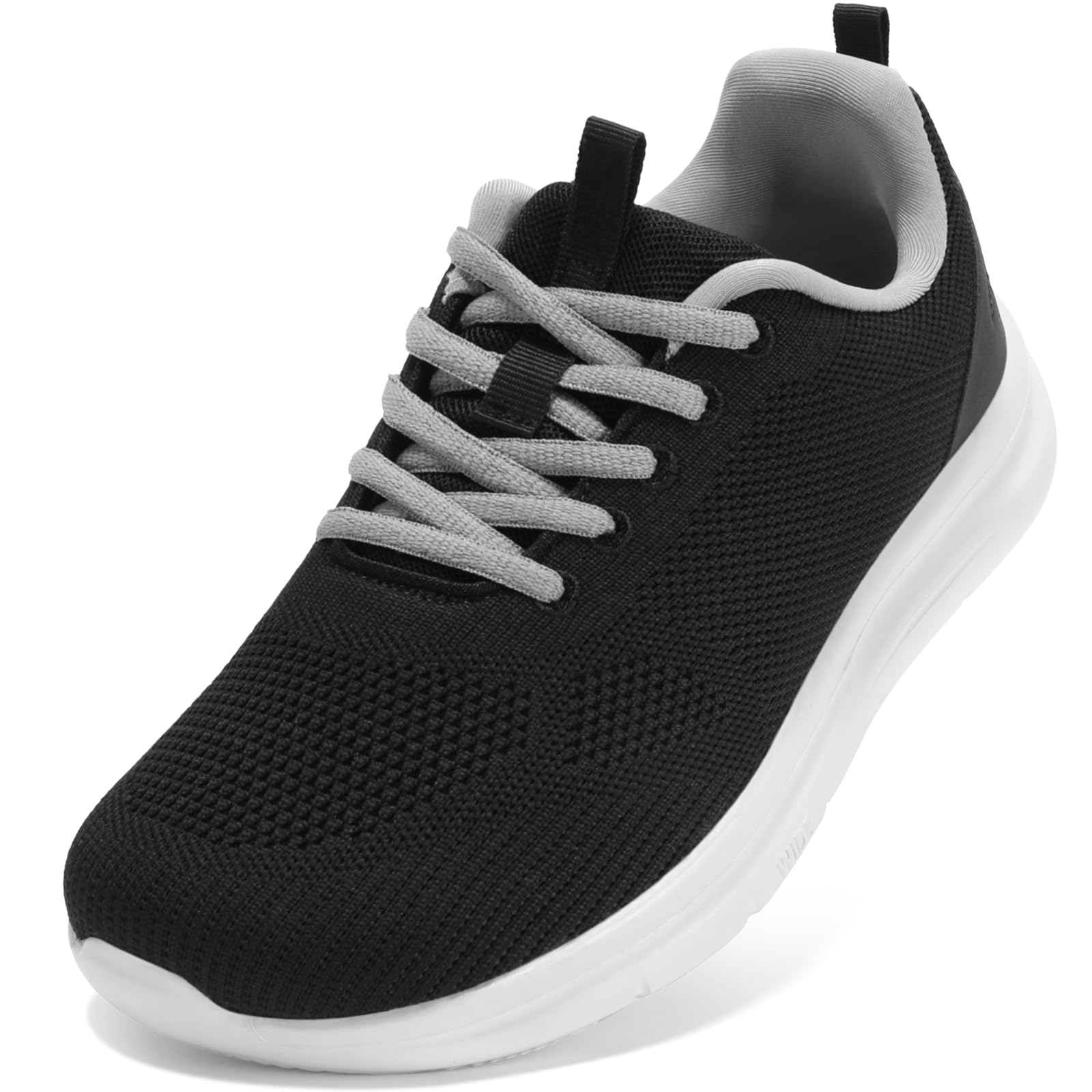


Types of Breathable Shoes Compared
Mesh Running Shoes
Light mesh uppers and responsive foam make these the coolest choice for exercise. They suit runners, gym users, and anyone who wants low weight. The trade off is durability, since thin mesh can tear at the toe, and the cushioning wears out after several hundred miles.
Knit Walking Shoes
Stretch knit uppers feel like a sock and adapt to swelling feet. They suit everyday walking, travel, and errands. Dense knits can hold heat, so look for visible open zones over the toes and midfoot.
Breathable Work Shoes
These pair a ventilated upper with a slip resistant sole and sturdier support for long shifts. If your employer requires a toe or electrical rating, confirm it on the product page, because not every lightweight shoe carries one.
Sandals and Open Shoes
Open designs give the most airflow in hot weather. They offer less protection and security, so they work best for casual wear, travel, and recovery after a long day in closed shoes.
Who Should Buy Which Type
Warm weather walkers do best in knit or mesh walking shoes with a cushioned midsole. Runners and gym users should pick a mesh trainer with a snug heel and enough foam for their distance. People on their feet at work should put support and a grippy outsole first and airflow second. If your feet sweat heavily, favor mesh, wicking linings, and removable insoles you can dry.
Key Features to Compare
Upper Material and Airflow
Engineered mesh passes the most air and dries fastest. Knit is softer and more flexible. Perforated leather breathes moderately and looks smarter, but it dries slowly. Look for ventilation you can see, not only the word breathable on a label.
Lining and Insole
A thin, moisture wicking lining pulls sweat off the skin. A perforated or removable insole lets you air or replace the part that absorbs the most moisture.
Weight and Cushioning
Lighter shoes feel better over long walks, but very light foam compresses sooner. Choose cushioning that matches your mileage, and add arch support if you stand for hours.
Fit and Sizing
Try shoes late in the day, with the socks you plan to wear. Leave about a thumb width in front of your longest toe, and make sure the heel stays put. A tight shoe closes off air channels, while a loose one slides and rubs.
Durability of the Mesh
Reinforced toe caps, bonded overlays, and tight stitching help thin mesh survive daily wear. Check these details in the product photos and care instructions.
Do Breathable Shoes Work in Rain and Cold?
Open mesh dries fast but lets water in easily, so breathable shoes suit dry and warm conditions better than wet ones. If you walk in rain often, keep a second, water resistant pair and rotate. In cold weather, pair a breathable shoe with a warmer sock rather than switching to a sealed shoe that traps sweat.
Socks, Insoles, and Foot Type
Even the most ventilated upper cannot help if the sock holds sweat against the skin. Thin synthetic or merino blend socks wick better than cotton, and a fresh pair midday resets comfort on long hot days. If you use orthotics, check that the insole removes cleanly and that the shoe has enough interior depth for the insert without lifting your heel.
Match support to your arch. Flat feet that roll inward often feel best in a structured shoe or a neutral shoe with a firm insole, while high arches need extra cushioning to spread pressure. A quick clue is a wet footprint: a wide, full print suggests a flatter foot, and a print with a narrow middle suggests a higher arch. If you have ongoing pain, numbness, or a diagnosed foot condition, talk with a clinician or qualified fitter about what suits you.
What to Expect on Price
Lightweight mesh trainers often cost about $50 to $110, neutral everyday walkers about $70 to $140, and structured work or stability shoes about $80 to $160. Sandals and recovery slides usually fall between $30 and $90. A higher price tends to buy more durable mesh, longer lasting cushioning, and a more precise fit, but cost per wear is the better test: a pair worn daily for a year justifies more spending than one worn twice a month.
Care Tips That Extend Shoe Life
Rotate two pairs so each gets a full day to dry. Pull the insoles out after wear, and dry shoes at room temperature, away from radiators and direct sun. Brush off grit that grinds into the mesh, and wash only as the maker directs. Replace walking and running shoes after roughly 300 to 500 miles, or sooner if the cushioning feels flat or new aches appear.
Breaking In and Daily Habits
Even a well chosen pair needs a short adjustment period. Wear new shoes for an hour or two at first, then build up over a week, and watch for rubbing at the heel or pressure over the toes. Lace them evenly from the bottom, since a secure midfoot lets you leave the toe box roomy and the airflow open. Keep a spare pair of socks in your bag for long days, and let each pair of shoes rest for a full day between wears so the foam can rebound and the lining can dry.
Common Mistakes
- Choosing by price alone and ignoring fit and support.
- Buying a thick padded shoe that feels soft but runs hot.
- Wearing cotton socks that hold moisture against the skin.
- Skipping the return terms, even though sizing varies by brand.
Related Guides
For more specific needs, compare the best breathable hiking shoes, the best breathable work shoes, the best breathable walking shoes, or the best breathable slippers for indoor comfort.
Frequently Asked Questions
Are breathable shoes good for running?
Yes. Airflow helps manage heat and sweat, but support and cushioning still matter for running form, so pick a model that matches your distance and foot type.
Do breathable shoes work in rain?
Mesh shoes dry quickly, but they also let water in easily. They suit dry weather better than wet conditions.
Can breathable shoes help with foot odor?
Better airflow reduces dampness, which helps, but socks, hygiene, and rotating pairs matter too.
Are mesh shoes durable enough for daily wear?
Quality mesh can last well for daily wear, though rough use and trail debris wear it faster. Look for reinforced toe areas.
Should I size up in breathable shoes?
Fit should match your foot and socks. Try shoes late in the day with the socks you wear most, and size up only if your toes feel cramped.
Final Thoughts
Choose the type first, then the material, then the fit. Mesh and knit uppers, wicking linings, and a secure heel make the biggest difference, and good habits keep any pair fresh. Compare your finalists in the product table above, and the best breathable shoes for your routine will keep your feet cool and comfortable.


