Best Breathable Walking Shoes Buying Guide 2026
Disclosure: We may earn a commission when you buy through links on this page, at no extra cost to you. As an Amazon Associate I earn from qualifying purchases. Learn more

Learn how to choose best breathable walking shoes with confidence. Compare types, features, fit, and care so you pick an option that suits your space,.
A walking shoe that traps heat turns a pleasant mile into a sweaty slog. The best breathable walking shoes keep feet cool and dry over distance, not just for the first block, while still giving enough cushioning and support to stay comfortable after hours on pavement. Use the comparison table below to shortlist options, then read on to match upper, fit, and support to the way you walk.
Think about your routine first. A daily commuter, a vacation sightseer, and a person who walks for fitness each need a slightly different balance of airflow, cushioning, and durability.
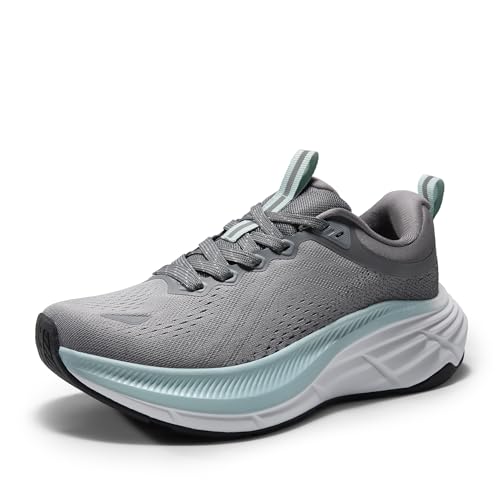
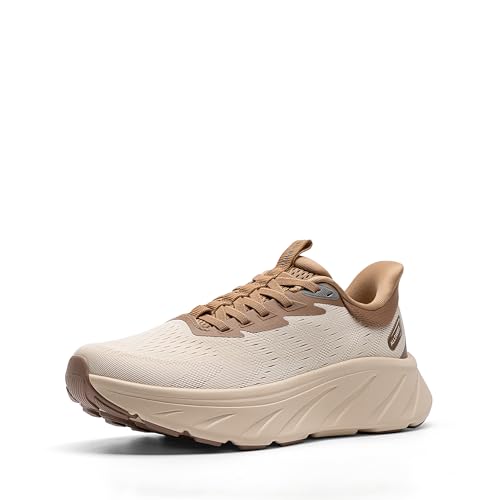
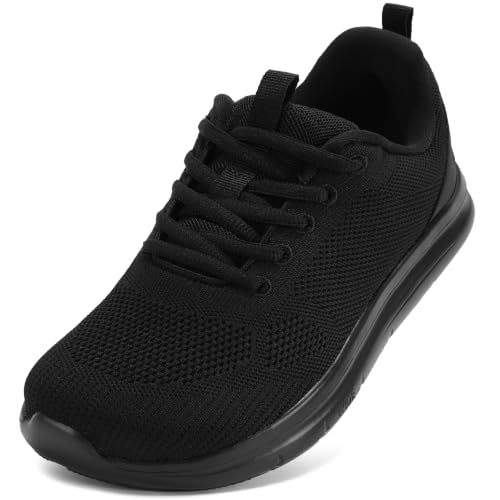

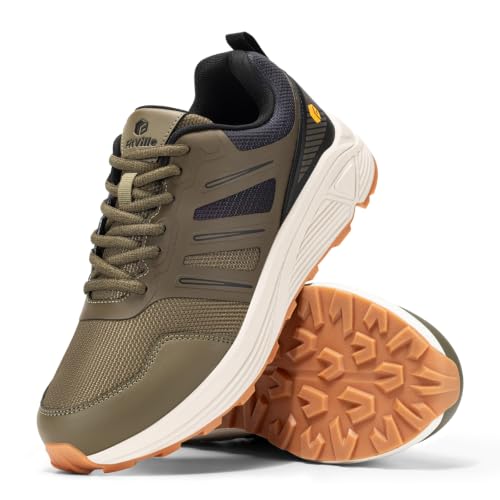
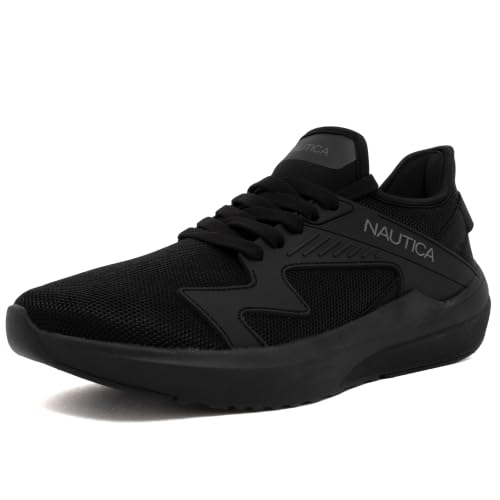


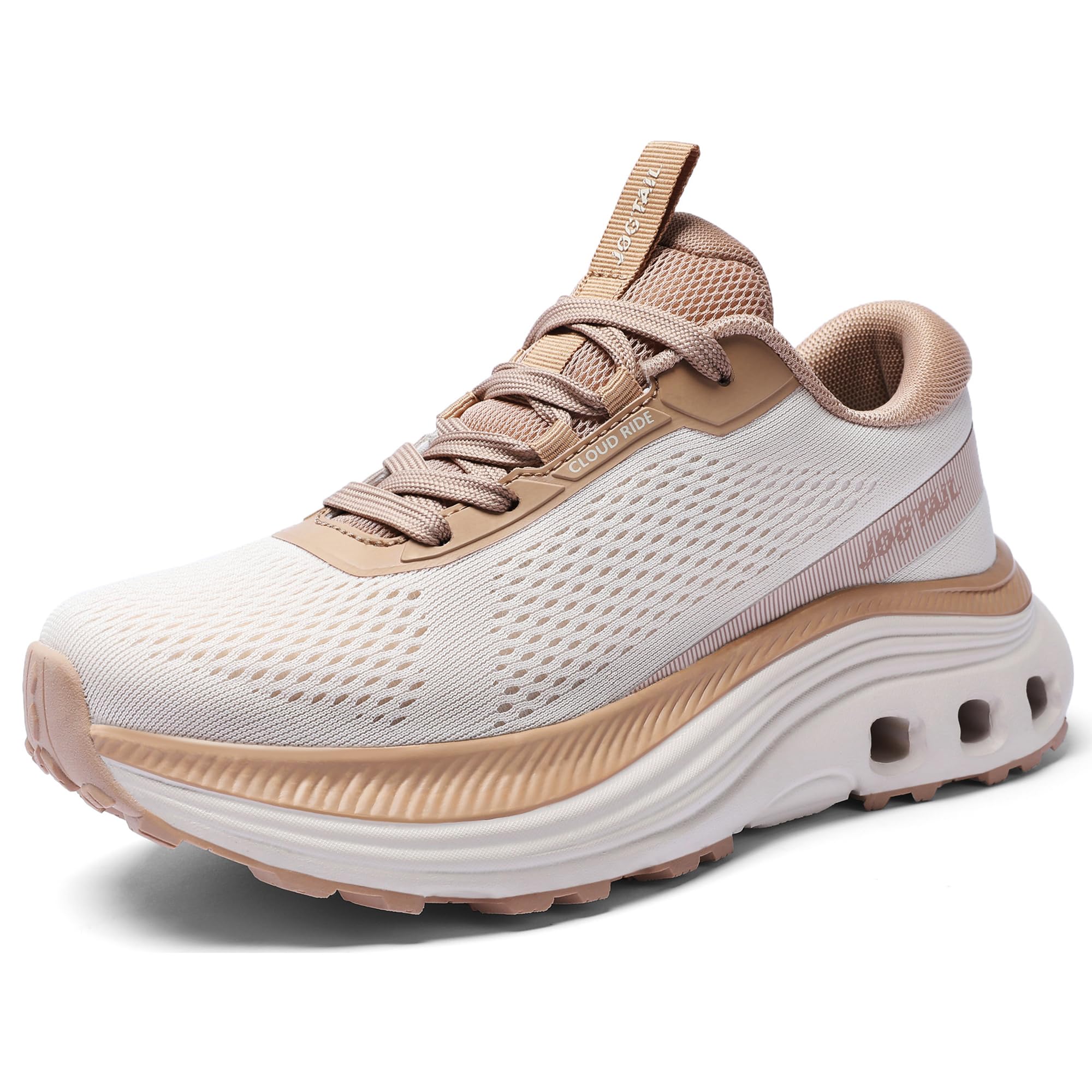

Who Should Buy Breathable Walking Shoes?
Warm climate walkers and people whose feet run hot get the biggest gain, since open uppers let heat and moisture leave the shoe. Travelers who cover many miles in a day benefit from light weight and quick drying. Workers who walk or stand all shift can use them too, as long as the cushioning and arch support are strong enough for hard floors. If you walk mostly in cold or wet weather, a more protective shoe may serve you better.
Main Types of Breathable Walking Shoes
Mesh Road Walking Shoes
Open mesh uppers move the most air and dry the fastest. They suit pavement walking, city trips, and warm climates. The trade off is durability on rough ground, since thin mesh can fray or tear at the toe.
Knit Upper Walking Shoes
Knit uppers wrap the foot softly and flex with each step, which suits walkers who want a sock like feel. Look for visible ventilation zones, because dense knit can hold warmth.
Ventilated Leather Walking Shoes
Leather with perforations or mesh panels combines a smarter look and better durability with decent airflow. It dries more slowly than mesh and is best in mild weather.
Key Features to Check
Upper and Lining
Choose an upper that lets air pass without letting the foot slide around. A thin, moisture wicking lining helps sweat evaporate, and a perforated insole adds airflow underneath.
Cushioning and Support
Cushioning should still feel good after several miles, not just on a first try. Firm, springy foam with a shaped heel cup tends to hold up better than very soft foam that flattens. Add arch support if your feet tire quickly.
Outsole Grip
Look for rubber with moderate tread that grips wet pavement and light gravel. A smooth, hard sole can feel slippery after rain or on polished floors.
Weight and Flexibility
Lighter shoes reduce leg fatigue over long distances. The sole should bend at the ball of the foot but stay firm through the midfoot for stability.
Fit, Size, and Everyday Use
Try walking shoes late in the day, when feet are slightly larger, and wear your usual walking socks. Leave a thumb width of room in front of your longest toe, and check that the heel stays put as you walk. If your feet swell on long walks, a slightly roomy fit is safer than a tight one. Walk on a hard floor at home during the return window and watch for heat, rubbing, or toe pressure.
Socks and Insoles
Socks change how any shoe feels. Thin synthetic or merino blend socks wick sweat better than cotton, and a seamless toe reduces rubbing on long walks. If you use orthotic insoles, check that the shoe's insole removes cleanly and that the interior is deep enough to hold the insert without lifting your heel. A perforated or removable insole also makes it easier to dry the shoe overnight.
Walking Surface and Distance
City sidewalks reward a cushioned midsole with a smooth rolling sole, while park paths and light trails call for a little more tread and toe protection. For walks under an hour, a very light mesh shoe is usually enough. For several hours a day, favor a slightly firmer midsole and a supportive heel, even if it adds a little weight, because soft foam that feels great in the first mile can leave your feet sore by the tenth.
Heat changes the equation as well. On a hot day, feet swell, so a shoe that fits perfectly in a cool morning may feel tight by afternoon. Choose a stretchy upper or a half size of room if you walk in summer, and carry a spare pair of socks for long outings.
Care and Long Term Value
Air shoes after each walk and take the insoles out now and then so they dry fully. Wash mesh gently as the maker directs and avoid direct heat, which can warp soles. If you walk daily, rotate two pairs so each recovers between walks. Many walking shoes last several hundred miles, so replace them when the cushioning feels flat or new aches appear.
Mistakes to Avoid
- Choosing the most ventilated shoe and ignoring arch support, which leads to foot fatigue.
- Wearing cotton socks that hold sweat against the skin.
- Buying a tight fit that cuts off airflow and causes blisters.
- Skipping the return terms, even though sizing differs between brands.
When to Choose a Different Shoe
Breathable shoes are not right for every walk. Trails with loose rock, snow, and heavy rain call for a sturdier or weather resistant shoe, and anyone with a foot condition that needs firm support should ask a clinician or qualified fitter what to look for. For everyday sidewalks, parks, and travel, an airy upper with steady cushioning is hard to beat.
Budget Guide
Breathable walking shoes commonly cost about $50 to $150. Lower priced pairs suit light use, while higher priced pairs usually offer longer lasting cushioning, tougher mesh, and a more precise fit. Compare cost per year of use rather than the price on the day.
Related Guides
For wider choices, see the best walking shoes, the best walking shoes for women, and the best walking shoes for men. If you spend whole days on your feet, compare the best shoes for walking all day, and for other uses see the best breathable shoes.
Frequently Asked Questions
Are mesh walking shoes durable?
Good mesh shoes last well for road walking, though they wear faster on rough trails than leather. Check reinforcement around the toes and heels, and replace them when the cushioning feels flat or the upper tears.
Do breathable shoes prevent blisters?
Breathability helps by reducing moisture, but fit and socks matter more. Wear moisture wicking socks, break shoes in gradually, and address hot spots early. If blisters keep forming in the same place, try a different width or lacing pattern.
Can I wear breathable walking shoes in rain?
Mesh shoes dry quickly but soak through in heavy rain. For wet walks, choose a water resistant ventilated shoe or carry a change of socks. Waterproof shoes breathe less, so they suit rain better than heat.
How do I choose between mesh and knit uppers?
Mesh offers stronger airflow and structure, which suits long, hot walks. Knit offers a softer, more flexible wrap for casual walking.
When should I replace walking shoes?
Replace them when the cushioning feels flat, support feels uneven, or pain appears that was absent before. Persistent foot pain should be checked by a clinician or podiatrist.
Final Thoughts
Match the upper to your climate, the cushioning to your mileage, and the fit to your foot, and your walks will stay comfortable. Compare your finalists in the product table above, and the best breathable walking shoes will keep you cool from the first step to the last.