
Best Breathable Slippers: What Actually Matters Before You Buy for 2026
Disclosure: We may earn a commission when you buy through links on this page, at no extra cost to you. As an Amazon Associate I earn from qualifying purchases. Learn more

Learn how to choose the best breathable slippers with a checklist on fit, airflow, arch support, cushioning and traction for warm and comfortable feet.
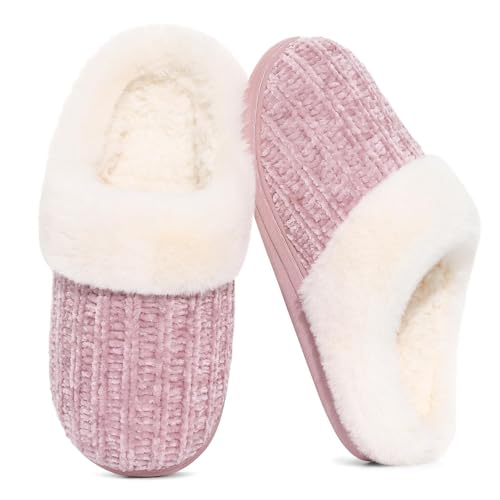
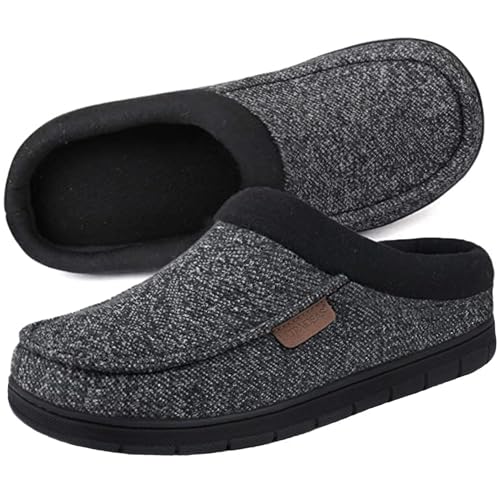
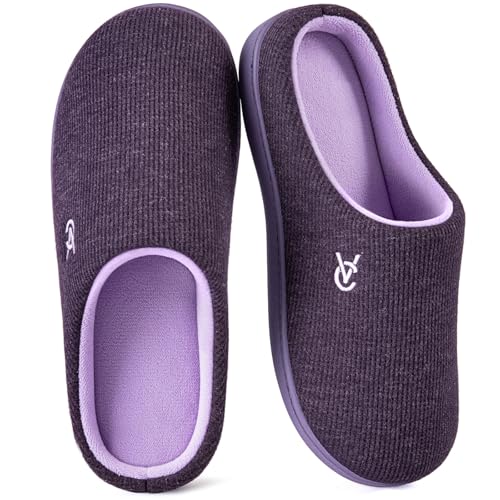
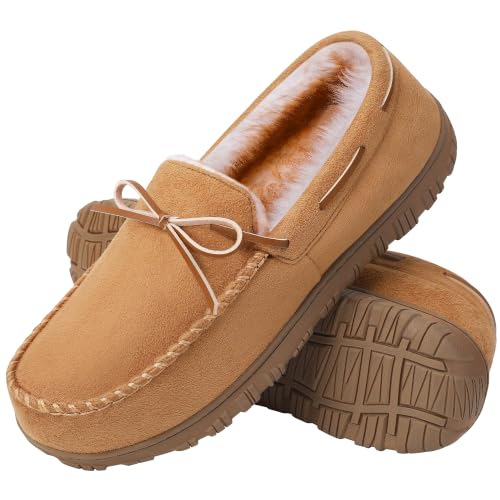
Hot and sweaty feet at home are usually a materials problem, not a thermostat problem. Thick fleece and sealed synthetic linings trap heat, while open designs and airy uppers let moisture escape. This checklist guide helps you judge the best breathable slippers by airflow, fit, support, and sole grip, so you can stay cool without giving up comfort. Start with the comparison table below, then score each option against the criteria that follow.
Breathability is not one feature. It comes from the upper fabric, the lining, the insole, and how open the shape is around your foot.





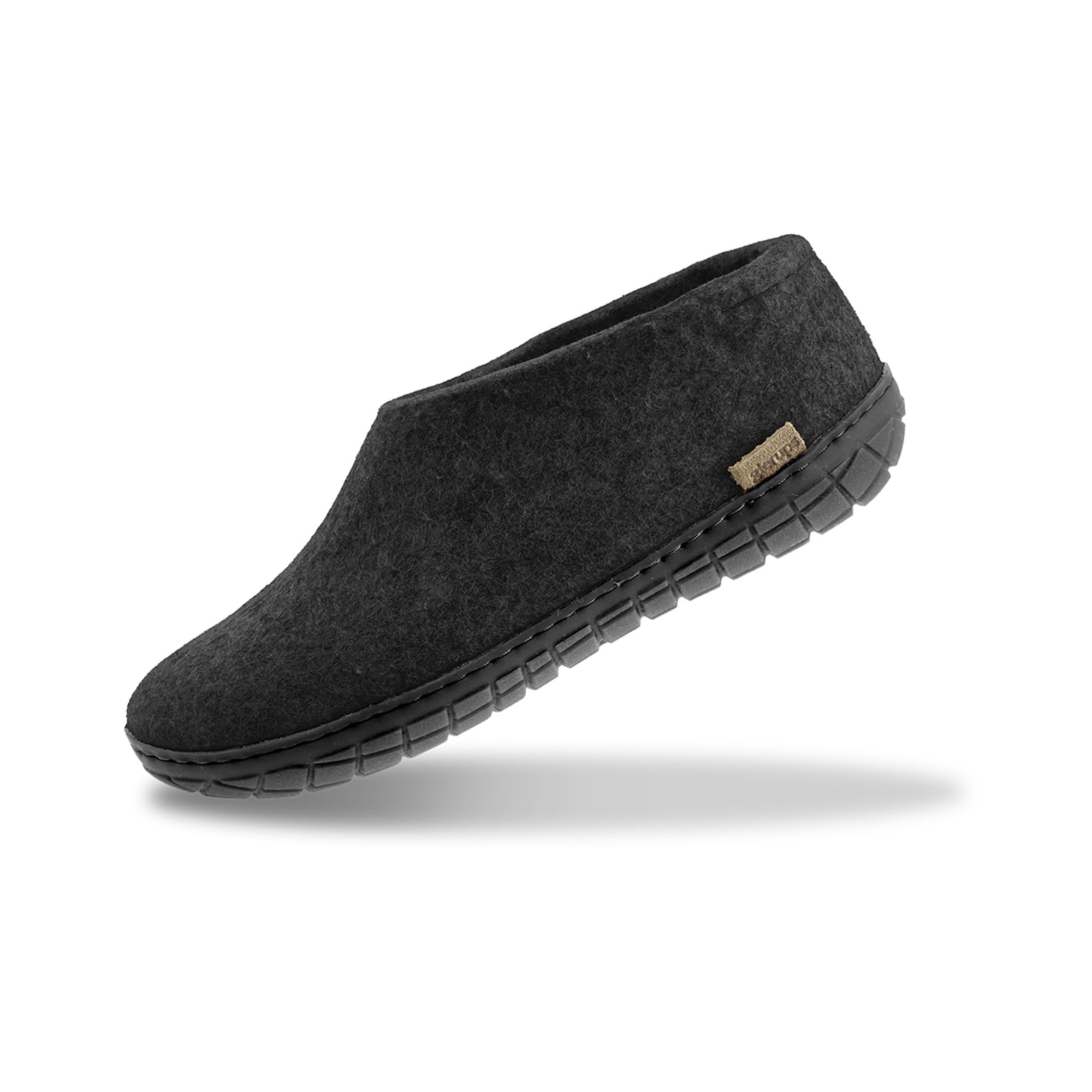
How to Evaluate Breathable Slippers
Score each pair on the seven checks below. A good pair does not need to win every check, but it should never fail on fit or traction. Pay special attention to what happens after an hour of wear, because many slippers feel airy for ten minutes and then hold heat once the insole warms up and compresses.
Fit, Sizing, and Toe Box
Measure your feet in the afternoon, when they are at their largest, and compare the length in centimeters with the brand size chart rather than trusting your usual shoe size. A breathable slipper needs a toe box wide enough for your toes to spread, because a tight toe box traps heat and causes rubbing. If you are between sizes and the style is open backed, size up for airflow. Check return terms, since slipper sizing varies more than sneaker sizing.
Durability and Expected Lifespan
For daily indoor wear, expect a quality pair to feel supportive for about six to twelve months before the insole flattens. Stitching around the upper, a sole that is stitched as well as glued, and a dense insole all extend life. Thin fashion slippers with glued soles and foam that stays dented after you press it will feel tired within weeks. Rotating two pairs lets each insole recover and dry fully, which also helps odor control in warm weather.
Cushioning and Support
Cushioning should feel firm and springy, not soft and sinking. A very soft insole feels plush in the store but lets your heel sit low and can tire your feet during long periods of standing in the kitchen. Look for a shaped footbed with a defined heel cup and moderate thickness under the forefoot. People who stand on hard floors need more structure than people who mostly sit. Press the insole with your thumb. It should push back, not stay flat.
Arch Support and Foot Type
Flat feet and overpronation need a firmer arch and a stable heel, while high arches need cushioning that fills the midfoot without forcing it upward. A removable insole is a real advantage because you can swap in your own insert if your clinician recommends one. Be cautious with very high built in arches if you have never worn support before. Start with shorter wear periods and increase gradually so your feet can adapt without soreness.
Upper Materials and Breathability
This is the core check. Mesh, open knit, cotton canvas, perforated suede, and unlined leather move air far better than fleece, sherpa, or sealed synthetic linings. An open toe or open back design vents the most heat, while a closed design needs a truly airy upper to compete. Check the lining as well as the outer fabric, because a mesh upper over a thick foam lining still traps warmth. Unlined or lightly lined uppers dry faster after washing too.
Outsole Traction and Terrain
A breathable slipper still needs a real outsole if you step onto tile, wood, or a wet patio. Look for rubber with texture or shallow lugs rather than a smooth fabric sole. Fabric soles are quiet but slippery and wear through quickly. A slightly thicker rubber sole also lets you take out trash or collect mail without changing shoes. Check grip on your own floors during the return window, walking normally and turning, not just standing in place.
Waterproofing (Gore Tex and Membranes)
Most breathable slippers should skip waterproof membranes. A waterproof layer, including Gore Tex style membranes in outdoor footwear, blocks water by limiting air flow, which works against cooling at home. Choose water resistance only if you regularly step onto wet decks or grass and accept warmer feet as the trade off. For indoor use, a quick drying upper beats a waterproof one. If a slipper claims to be both fully waterproof and highly breathable, treat the claim with skepticism.
Readers shopping mainly for men can compare shapes in our guide to the best breathable men's slippers, where toe box width and larger sizes get extra attention.
Three Styles That Pass the Checklist
Match the styles in the product table above to one of these three profiles. Each profile states who it suits and the main trade off, without naming models.
The Balanced Profile
The balanced profile is an open back or open toe slipper with a knit or mesh upper, a shaped and firm insole, and a full rubber outsole, usually around $40 to $70. It suits most people for all day home wear because it vents heat, supports standing, and grips hard floors. Confirm the insole is not covered in fleece, which would cancel the airy upper. The trade off is coverage. Your toes and heel are exposed, so it is not the warmest choice for cold floors in winter.
The Value Profile
A value profile is a simple canvas or cotton slipper with a rubber sole, often under $35. It suits warm climates, guest use, and anyone who washes slippers often. Look for machine washable construction and a sole with real texture. Our guide to the best quality slippers explains which construction details signal a pair that lasts at any price. The trade off is support. Value pairs usually have flatter insoles, so they suit sitting and light walking better than long standing sessions.
The Compact Profile
A compact profile is a light knit slipper or travel style that packs flat, usually around $25 to $50. It suits travel, small storage spaces, and warm weather trips where hotel floors feel unclean. Breathability is often excellent because the upper is thin and unlined. The trade off is durability and cushioning. Thin soles transmit every pebble on a driveway and flatten sooner, so treat a compact pair as a second pair rather than your only daily pair at home.
Quick Buyer Checklist
- Is the upper mesh, knit, canvas, or unlined leather rather than fleece or sealed synthetic?
- Is the lining thin or absent, so air can actually move through the upper?
- Does the toe box let your toes spread when you stand and walk?
- Does the insole feel firm and shaped, with a heel cup you can feel?
- Is the outsole rubber with texture, not smooth fabric?
- Can you wash the pair or remove the insole to dry it fully?
- Does the size chart match your afternoon foot measurement in centimeters?
- Are returns free if the fit or airflow disappoints in the first week?
Red Flags to Watch For
Avoid listings that call a slipper breathable while showing a thick fleece lining and a sealed upper, because the lining decides how your foot feels. Watch for vague material words with no fiber content, soles with no brand or material stated, and size guidance that only says true to size with no measurements. Very low prices with no return option, comments that mention soles peeling within weeks, and insoles that are glued in and cannot dry are also warning signs. A good seller states materials, sole type, and care clearly.
Best Breathable Slippers for Specific Needs
Supportive Breathable Slippers
If you need best supportive breathable slippers, judge support separately from softness. Look for a firm arch that matches your foot type, a deep heel cup that stops side movement, and a sole that does not twist easily when you wring it by hand. A knit upper over a structured footbed gives you airflow without losing stability. This group suits people on their feet at home for hours, and it usually costs around $50 to $90 because the footbed is the expensive part.
Women comparing narrower and wider fits can also see our guide to the best slippers for women for sizing notes that apply across styles.
Tips to Get the Most From Your Breathable Slipper
Air dry wet or damp slippers away from direct heat, because heat cracks leather and warps foam insoles. Rotate two pairs for daily wear so each pair dries fully between uses, which reduces odor more than sprays do. Wash washable pairs on a gentle cycle and reshape them while damp. Replace a pair when the insole stays flat, the arch feels gone, or the outsole tread smooths out, even if the upper still looks fine. Support wears out before looks do.
Breathable Slippers: Your Questions Answered
How often should I replace my breathable slippers?
Replace them when support fades, typically after six to twelve months of daily wear. A useful home test is to place the pair on a flat surface and press the heel area. If it leans inward or the insole no longer springs back, replacement is due. Worn pairs can move to guest or travel duty, but do not keep using a flattened pair for long standing days.
Can I wear them all day?
Yes, if the pair has a shaped footbed and a stable sole, you can wear them through a full day at home. Flat and unsupportive pairs are fine for short periods but often cause tired arches by evening. One point many buyers miss is sock choice. A thin cotton or bamboo sock can improve airflow and reduce friction in a closed style, while a thick wool sock can cancel the benefit of a breathable upper.
Do I need waterproof shoes?
No, most indoor wear does not need waterproofing. A membrane or sealed coating reduces airflow and makes feet warmer, which defeats the purpose of a breathable design. If you step outside often, choose a rubber outsole and a quick drying upper instead, and keep a separate outdoor shoe by the door for wet weather. That two pair setup keeps your indoor pair cooler and cleaner.
How should breathable slippers fit?
They should fit snugly at the midfoot with room for toes to move and no heel slipping as you walk. Your heel should sit inside the heel cup, not on its edge. Try them late in the day with the socks you plan to wear. If an open back style makes a slapping sound with every step, it is likely too long or too loose, and a smaller size or a back strap style will feel better.
Are expensive breathable slippers worth it?
They can be, when the price buys a better footbed, a stitched rubber sole, and an upper that keeps its shape. Those features extend useful life and support. Price is not worth it when it only buys fashion branding on a flat foam insole. Compare cost per month of daily wear. A pair around $70 that lasts a year often beats two pairs under $35 that flatten in a season.
Final Thoughts
Put airflow first by checking the lining, then confirm fit in the toe box and grip in the outsole. Support matters most if you stand for long periods, and waterproofing rarely belongs on an indoor pair. Use the checklist to score the best breathable slippers in the product table above, and choose the pair you will still find comfortable after a full warm day at home.


