
Best Breathable Hiking Shoes: Buying Guide for 2026
Disclosure: We may earn a commission when you buy through links on this page, at no extra cost to you. As an Amazon Associate I earn from qualifying purchases. Learn more

Best breathable hiking shoes compared by airflow, grip, and fit, with practical checks to run before you order.
Warm weather hiking asks a shoe to move air, grip varied ground, and stay comfortable over long miles without feeling heavy or soggy. This guide to the best breathable hiking shoes explains how mesh uppers, midsole cushioning, outsole grip, and fit work together, and which details are worth paying for. The table above gives you a shortlist, and the sections below help you choose between low trail shoes, mid height shoes, and approach styles.
A breathable shoe is not a waterproof one. It dries faster and runs cooler, which suits dry and warm trails, but it will not keep your socks dry in a stream crossing. Decide how wet your hikes get before you decide how much airflow you want.
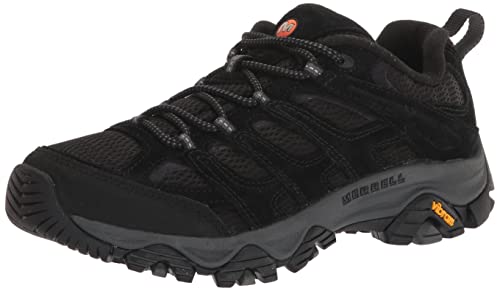
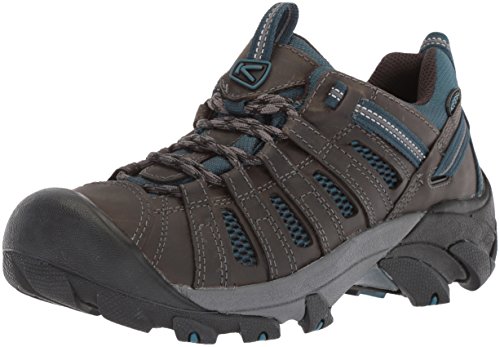


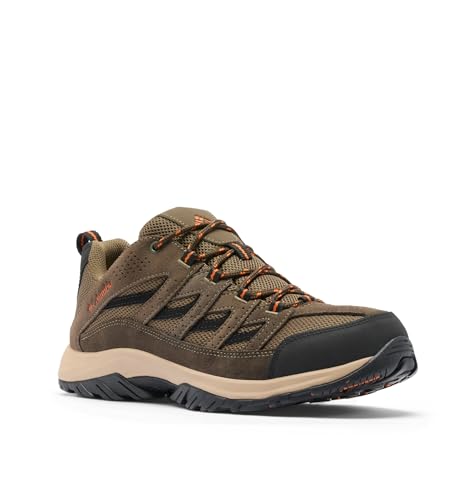
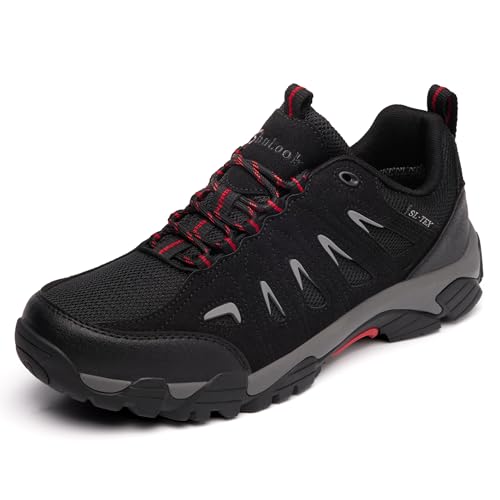
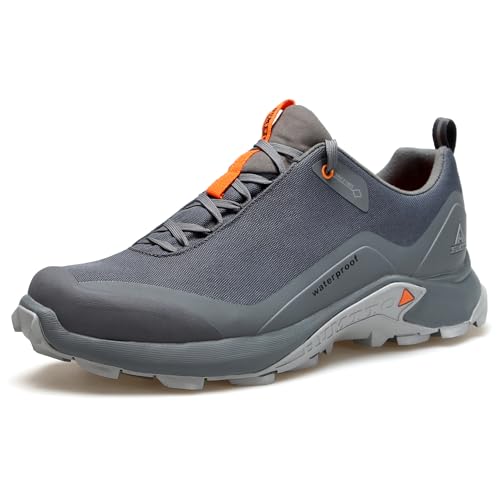
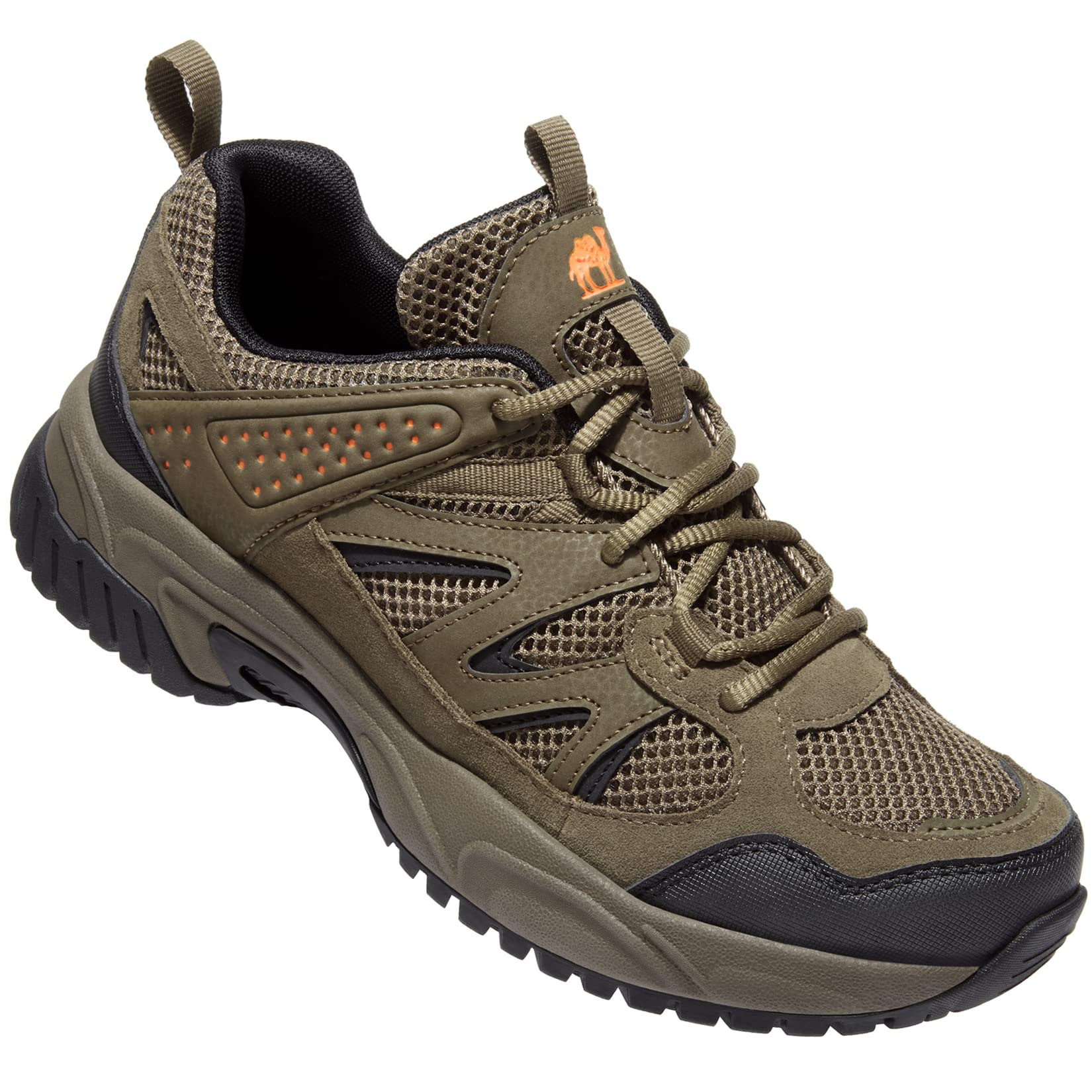

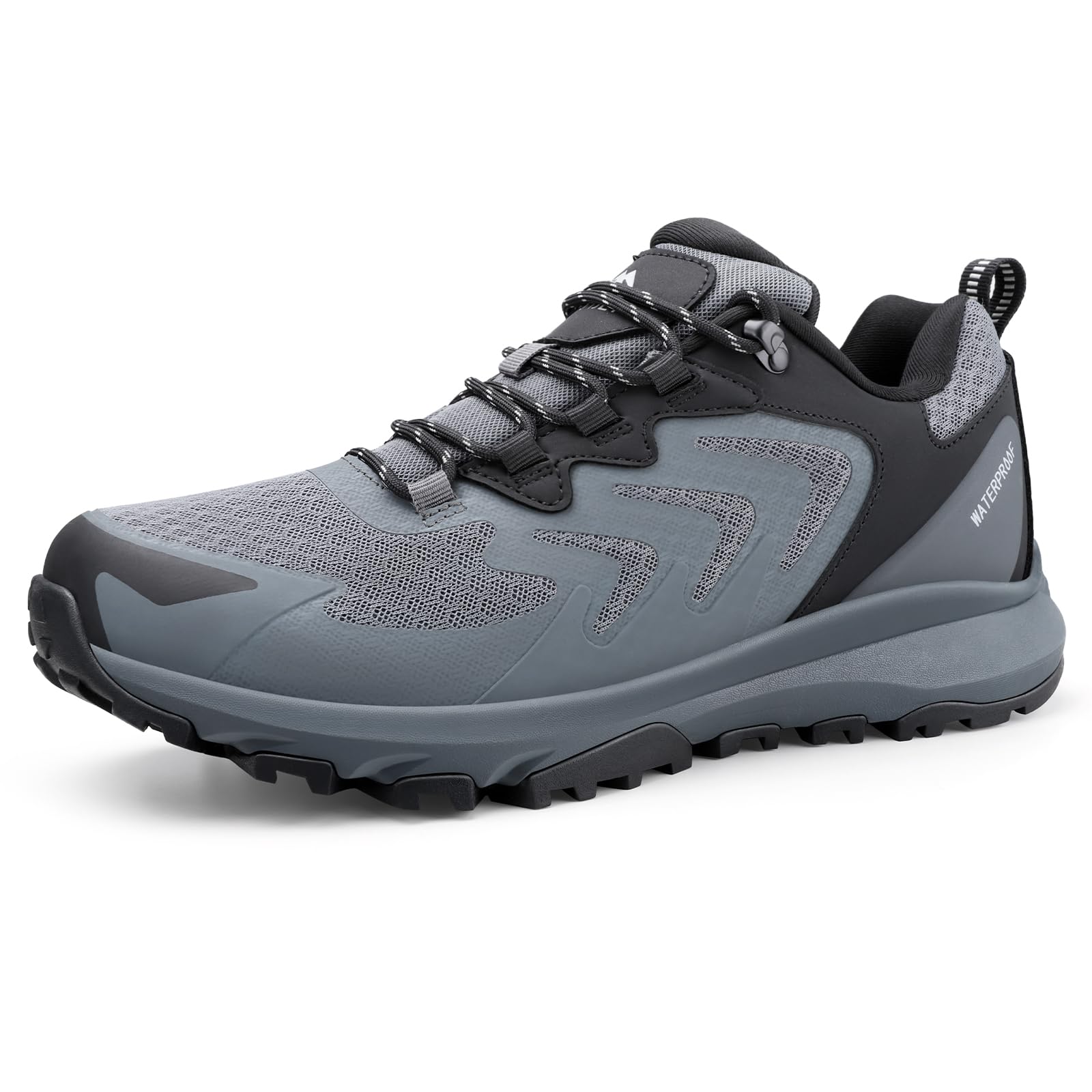
Types of Breathable Hiking Shoes Compared
Low trail shoes
Low trail shoes look like sturdy sneakers with a grippy sole and a protected toe. They are light, flexible, and the coolest option, which makes them a good fit for fast day hikes on smooth or moderately rocky trails. They give less ankle coverage than mid height shoes, so choose them if your ankles are stable and your pack is light.
Mid height hiking shoes
Mid height shoes add ankle coverage and keep grit and trail debris out. They suit rocky or muddy ground, heavier packs, and ankles that roll easily, and they usually give up only a little airflow compared with low shoes.
Approach style shoes
Approach shoes use sticky rubber and a precise toe for scrambling and mixed ground. They trade some breathability and cushioning for grip and protection, which suits rocky routes more than long, flat miles.
Key Features to Compare
Breathable uppers
Mesh panels and open weaves let heat and moisture escape. Hold a shoe up to the light: if you can see through the panels, airflow will be good. Check for a protective toe cap and reinforced overlays in high wear areas, because open mesh alone tears on rocks and roots.
Grip and lug pattern
Widely spaced lugs shed mud and grip loose dirt, while a sticky rubber compound helps on wet rock. Softer rubber grips better but wears faster on pavement, so choose a compound that matches the ground you cover.
Cushioning balance
Enough cushioning protects feet on long descents, but too much soft foam can feel unstable on uneven ground. A moderate midsole with a firm heel cup usually gives the best mix of comfort and control.
Drainage and drying
Shoes that drain and dry quickly feel lighter after stream crossings and cut blister risk. Removable insoles speed drying and let you air them out overnight.
Ankle support choice
Low shoes suit smooth trails and fast walking, while mid height shoes suit rough ground and heavier packs. If you are unsure, try both heights on a short walk and notice how your ankles feel on a sideways slope. For a wider look at trail footwear, see our guide to the best hiking shoes, and for lighter boot styles, our guide to the best lightweight breathable hiking boots.
Fit, Sizing, and Break In
Fit decides comfort more than any feature. Try shoes late in the day, when feet are slightly larger, and wear the socks you plan to hike in. Leave about a thumb width of space ahead of your longest toe so your toes do not hit the front on downhill sections, and make sure the heel stays seated without pinching. A wide toe box helps on long hikes because feet swell as the day goes on.
Wear new shoes on short walks first. Hot spots found early are easy to fix with lacing changes or a different sock, while blisters on a long hike are not. Most breathable mesh shoes need little break in time, but stiffer leather overlays can take a few outings to soften.
Budget and Value
Prices commonly run from about $70 to $200. A solid mid range pair covers most day hikes, a budget pair can suit smooth trails and occasional use, and a higher price usually buys lighter materials, better grip compounds, or longer lasting mesh. If you hike often on rough ground, spend on durability and fit rather than on a long feature list. Occasional hikers rarely need the most expensive build.
Also check return terms before you buy. Fit is personal, and a shoe that looks right online can feel wrong on the trail, so a clear return window is worth more than a small discount. For a broader category view, our guide to the best breathable shoes compares everyday options as well.
Common Mistakes to Avoid
- Buying for looks or price and skipping the fit check with hiking socks.
- Expecting mesh shoes to stay dry in rain, then hiking wet without a plan.
- Choosing a soft, thick midsole that feels plush in the shop but wobbles on rocky trails.
- Skipping a short break in walk before a long hike.
- Ignoring wear signs such as smooth lugs and flat cushioning.
Care After Mud and Water
Remove the insoles, brush off mud, and rinse the shoes with clean water if they are very dirty. Air dry them away from direct heat, since heat can warp soles and weaken adhesives, and stuff them with paper if they are soaked. Rotating two pairs on frequent hikes lets each pair dry fully and extends its life. Replace the shoes when the lugs are smooth, the cushioning feels flat, the mesh tears, or foot pain returns on familiar trails.
Frequently Asked Questions
Do breathable hiking shoes handle rain?
Breathable shoes dry faster after rain, but they are not waterproof unless the maker says so. On wet trips, pair them with gaiters and quick dry socks, and accept damp feet in heavy rain. If you hike in constant wet cold, a waterproof boot may suit you better despite less airflow.
How should hiking shoes fit?
Fit them late in the day with hiking socks and check that your toes do not hit the front on a downhill slope. The heel should stay put without pinching, and the widest part of your foot should match the widest part of the shoe. Walk on a slope or stairs if you can.
Are low shoes safe on rough trails?
Low shoes suit many rough trails if they have good grip and a protective toe cap, but they offer less ankle coverage than mid height shoes. Choose mid height shoes for heavy packs, loose scree, or ankles that roll easily. Trekking poles also add stability.
How do I stop blisters on long hikes?
Prevent blisters with well fitted shoes, moisture wicking socks, and tape on known hot spots. Stop early to adjust laces or socks if you feel heat or rubbing. Seek care for blisters that are very painful, look infected, or limit walking.
When should I replace hiking shoes?
Replace them when lugs wear smooth, cushioning feels flat, mesh tears, or foot pain returns on familiar trails. Mileage varies with weight, terrain, and care, so judge by grip and comfort rather than a fixed number of miles.
Final Thoughts
Choose the height and grip for your terrain, confirm the fit with hiking socks, and treat breathability as a trade off against water protection. Compare your shortlist against the table above, and when you pick the best breathable hiking shoes for your trails, keep a short break in walk and a clear return window in mind. A shoe that fits well and dries fast will feel better on mile ten than one with extra features that never matched your foot.


