
Best Breast Pumps for New Moms: A Gentle First Time Guide for 2026
Disclosure: We may earn a commission when you buy through links on this page, at no extra cost to you. As an Amazon Associate I earn from qualifying purchases. Learn more

Best breast pumps for new moms compared by type, fit, and comfort, with practical checks to run before you order.
Choosing a pump in the newborn weeks can feel overwhelming, especially when sleep is short and advice conflicts. The best breast pumps for new moms are not defined by the most features, but by comfort, a good flange fit, and a routine you can sustain without pain or dread. The comparison table below gives a quick side by side view, and this guide explains pump types, fit, and daily use in calm, practical terms.
Every body and every feeding journey differs, so a pump that suits a friend may not suit you. This guide focuses on general information to help you compare options and know when personal help matters. For fitted advice, a lactation professional or your clinician can assess your situation directly, which is far more useful than any general guide.
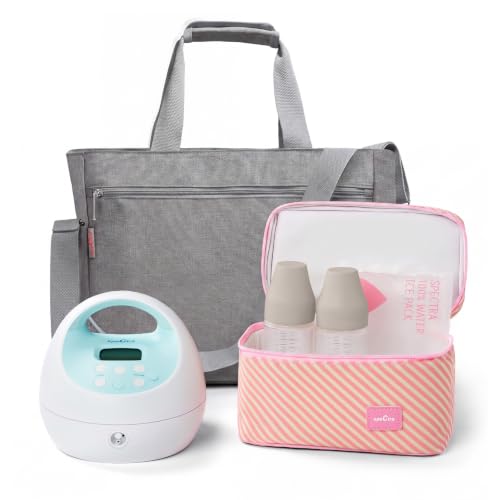
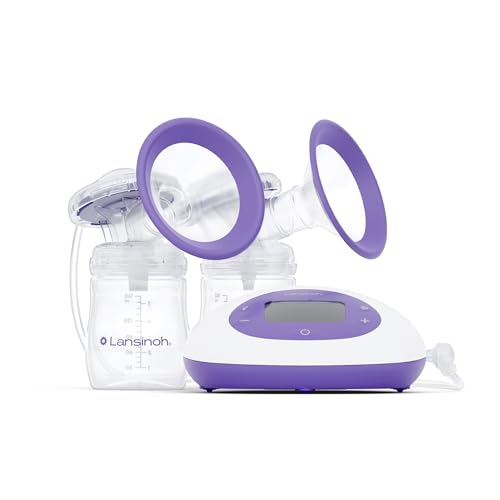


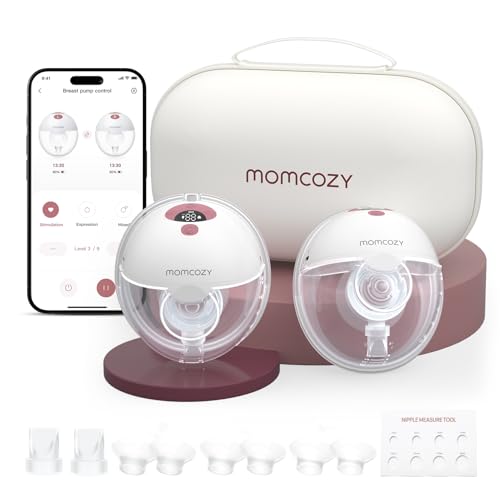
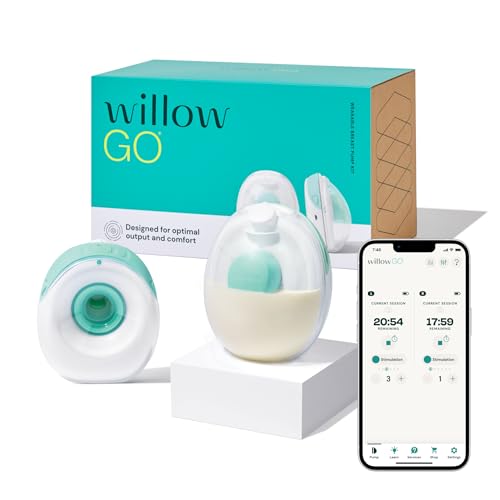


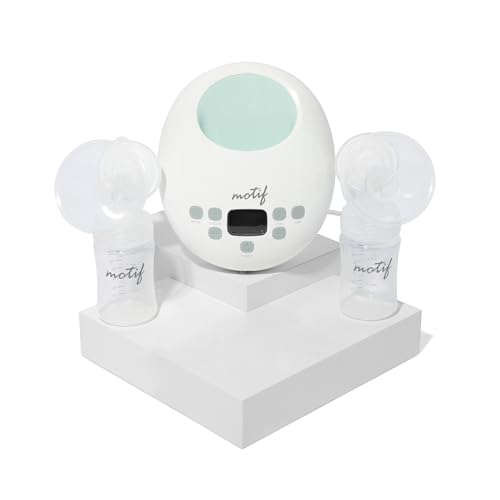
Pump Types Explained Simply
Manual pumps are small, quiet, and inexpensive, and they suit occasional use or a single daily session. You control rhythm by hand, which some people find intuitive, though it can tire the wrist during longer sessions. Electric single pumps automate the rhythm and suit regular use, while electric double pumps express both sides at once and save considerable time for frequent pumpers.
Wearable pumps sit inside a bra and free your hands, which helps parents who need to move, work, or care for an older child while pumping. They vary in capacity, discretion, and ease of cleaning, and some suit occasional use better than all day reliance. Hospital grade rental pumps offer stronger, more consistent suction for establishing supply or for specific medical situations, and a lactation professional can advise whether rental makes sense for you. Working parent options are compared in our guide to best breast pumps for working mothers.
Flange Fit: The Comfort Factor That Matters Most
Flange fit affects comfort and output more than motor power. A flange that is too small pinches and can cause soreness, while one too large pulls in excess tissue and reduces efficiency. Signs of poor fit include pain during pumping, redness that lasts after a session, or a nipple that rubs the tunnel sides. Sizing guides from makers give a starting point, but personal assessment helps when fit feels wrong.
If pumping hurts, stop and reassess rather than pushing through pain. Try a different flange size, check positioning, and lower suction to a comfortable level, since stronger suction does not automatically mean better output. Persistent pain, cracks, bleeding, or signs of infection such as fever, redness, or a painful lump need prompt advice from a clinician or lactation professional. Comfort is not a luxury here; it protects both you and your feeding journey.
Comfort, Noise, and Daily Routine
Daily pumping succeeds on routine more than on features. A pump that is easy to assemble, clean, and pack will get used consistently, while a complex pump with many parts may sit unused when you are tired. Count the parts that touch milk and need washing, and check whether spares such as valves and membranes are easy to replace, since worn parts quietly reduce performance.
Noise matters for night sessions and shared spaces. Some pumps hum softly while others cycle loudly enough to wake a sleeping baby in the same room. Portability also matters: a battery option frees you from an outlet, while a mains only pump suits a fixed pumping station at home.
Match those practical traits to where and when you will actually pump. First time parent options are covered in our guide to best breast pumps for first time moms.
Cleaning, Storage, and Milk Handling
Cleaning routines protect both pump and milk. Wash parts that contact milk after each use according to maker guidance, using clean hands and a dedicated basin rather than a sink shared with dirty dishes. Air dry parts on a clean towel or rack, and inspect valves and membranes regularly for wear, tears, or cloudiness that signal replacement time.
For milk storage, follow current guidance from your health authority or clinician, since recommended times vary by fridge, freezer, and room temperature. Label containers with date and time, store milk in small portions to reduce waste, and thaw gently without microwaving. If you are unsure about storage for a premature or medically fragile baby, ask your clinician for specific guidance, since general rules may not apply.
When to Ask for Personal Help
Personal help is worth seeking early, not only when problems become severe. A lactation professional can check flange fit, positioning, and pump settings in person, and can help with low output, uneven supply, or pain that does not resolve with basic adjustments. Many hospitals, clinics, and community services offer consultations, and some employers or insurers cover them.
Twin parents face particular time pressure, and hands free or double pumping options can make a real difference to daily feasibility. Twin focused guidance appears in our guide to best breast pumps for twins, and hands free designs are compared in our guide to best handsfree breast pumps. Whatever your situation, asking for help is a practical step, not a sign of failure, and early support often resolves issues faster than weeks of trial and error alone.
A Final Check Before You Order
Before you order, list how often you will pump, where you will pump, and whether portability or quiet operation matters most. Check flange sizing options, spare part availability, and cleaning effort, and confirm return terms in case fit proves wrong. Those practical checks matter more than a long feature list.
Start gently, prioritise comfort over maximum suction, and seek personal help promptly if pain persists or output concerns you. The product table above summarises pump types, and a lactation professional can turn that general picture into a plan fitted to you. That combination of good information and personal support gives new moms the best start with pumping.
Pumping at Work: Planning Ahead
Returning to work while pumping takes planning, but a clear routine makes it manageable. Talk with your employer early about a private space, break times, and storage, since many workplaces have policies or legal duties that support pumping. A predictable schedule, agreed in advance, reduces daily negotiation and lets you focus on work between sessions.
Packing matters for work pumping. A dedicated bag with pump, spare parts, bottles, a cooler bag, and cleaning supplies keeps everything together and avoids forgotten essentials. Label milk containers with date and time, store them promptly in a fridge or cooler, and transport them home safely at day end. Practise the full routine at home first, including assembly and cleaning, so work sessions feel familiar rather than stressful.
Flexibility helps when workdays vary. A wearable or battery pump may suit days with meetings or travel, while a double electric pump suits a fixed private room. If supply or output concerns arise after returning to work, discuss them promptly with a lactation professional, since early adjustments to schedule or fit often resolve issues before they grow. Support from colleagues and managers, plus a realistic plan, makes work pumping sustainable.
Frequently Asked Questions
How do I know if my flange size is wrong?
Pain during pumping, lasting redness, or a nipple rubbing the tunnel sides often signal poor fit. A flange too small pinches, while one too large pulls excess tissue and reduces efficiency. Try maker sizing guides as a start, and ask a lactation professional for a personal fitting if discomfort persists.
Does stronger suction mean more milk?
No, stronger suction does not automatically mean better output, and excessive suction can cause pain and swelling that reduce flow. Comfortable suction with a good flange fit usually works better. If output concerns you despite comfortable settings, discuss the situation with a lactation professional rather than raising suction further.
How often should I replace pump parts?
Valves and membranes wear with use and should be inspected regularly for tears, cloudiness, or reduced performance. Follow maker guidance on replacement intervals, and replace sooner if output drops or the pump sounds different. Worn parts quietly reduce efficiency long before they look broken, so inspect valves and membranes regularly for wear or cloudiness.
Can I pump while caring for other children?
Wearable and hands free pumps can help parents who need mobility, though capacity and cleaning effort vary. A fixed double pump may still suit a set routine at home. Choose based on your daily pattern, and test cleaning effort, since a pump that is hard to clean may not suit a busy household.
When should I seek help with pumping?
Seek help early for persistent pain, cracks, bleeding, fever, redness, a painful lump, or ongoing output concerns. A lactation professional can assess fit, positioning, and settings in person. Early support often resolves issues faster than weeks of trial and error alone, so do not wait until problems become severe.
Final Thoughts
A good first pump prioritises comfort, flange fit, and a cleaning routine you can sustain, over maximum power or feature count. Start gently, watch for pain as a signal to adjust, and use professional support early when anything feels wrong. The product table above compares pump types, and your daily routine will narrow them to the right shape.
Feeding journeys differ, and the best choice is the one that fits your body, your schedule, and your comfort. With careful fit and timely help, pumping can become a manageable part of new parent life rather than a source of stress. That gentle, practical approach defines the best breast pumps for new moms in real daily use.


