
Best Breast Pumps for Twins for 2026: Types Compared and How to Choose
Disclosure: We may earn a commission when you buy through links on this page, at no extra cost to you. As an Amazon Associate I earn from qualifying purchases. Learn more

Best breast pumps for twins compared by durability, speed, and cleaning effort, with practical checks to run before you order.
Pumping for two babies doubles the milk, the bottles, and the washing, so the wrong pump costs you time every single day. The range of types can feel overwhelming at first glance. The best breast pumps for twins share a few traits: strong double pumping, parts that clean fast, and a motor built for frequent use.
This guide compares each type plainly, with honest trade offs, so you can match a pump to your feeding plan. Whether twins nurse fully, partly, or not yet, your pump workload will be heavier than average. The comparison table below gives a quick overview of the types covered.
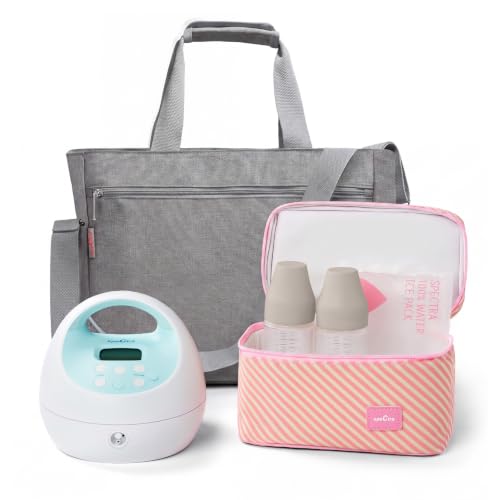
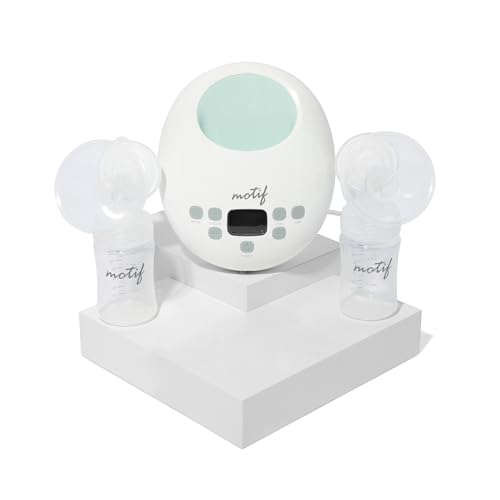
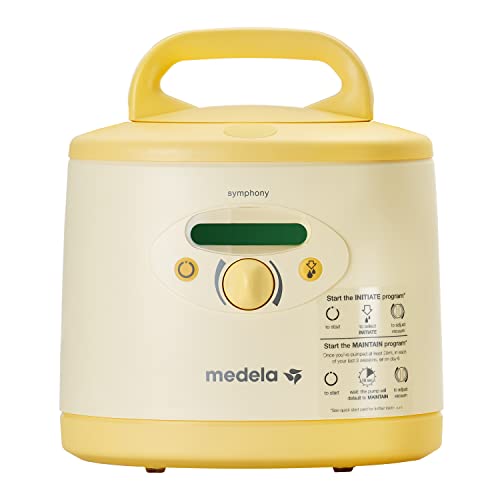
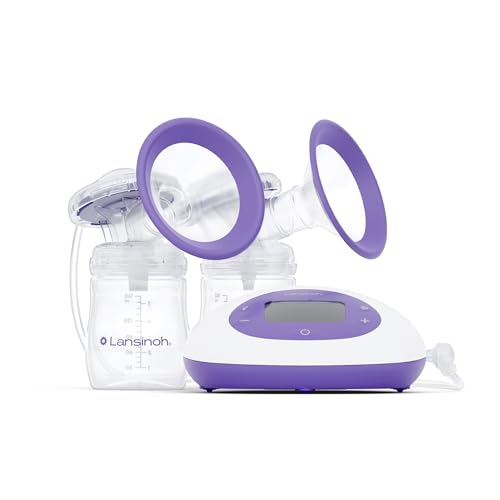


Types of Breast Pumps Compared
As a rough guide, budget friendly electric pumps often cost around $80 to $180, premium pumps around $200 to $400, portable pumps around $150 to $300, and wearable pumps around $200 to $350. Insurance may cover part or all of a standard pump. Sessions for twins often run longer, so durability and parts cost matter as much as the first price.
Budget Friendly Options
Budget friendly pumps are standard double electric models with basic controls and widely available parts. They pump both sides at once, which is essential for twins, and they cost little if insurance covers only a basic model. For occasional pumping on top of direct nursing, they can be enough.
The limits show up under heavy use. Motors may be louder and less durable across many daily sessions, suction ranges are narrower, and batteries are often absent or sold separately. If you plan to pump for most feedings, a budget pump can become a false saving when it wears out early or empties slowly.
Premium Options
Premium pumps bring stronger motors rated for frequent daily use, finer suction control, and better batteries. Many add quiet running, night lights, and session memory, small things that help during night pumping for two. They also tend to hold suction well as parts age between replacements.
For twin parents, this is often the main workhorse category. The higher price buys time, and time is the scarcest resource with twins. If you will pump six or more times a day, or exclusively pump, weigh premium durability heavily. Check parts prices too, since you will replace valves and membranes often.
Travel and Portable Options
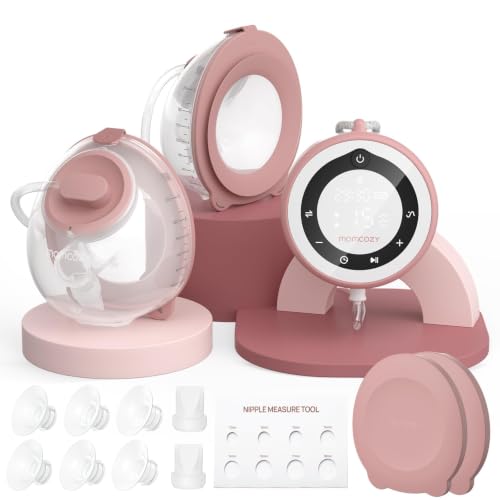
Portable pumps shrink the motor, add a real battery, and pack into a small bag for work, car, or clinic trips. Output and suction are usually close to home models, though top strength may be a step lower. With twins, portability helps you keep a pumping schedule during long days of appointments.
The trade offs are smaller bottles and sometimes fewer compatible parts. Milk volume for twins can overflow small collection bottles mid session, so check capacity. A portable pump also makes a smart second pump, letting your main pump stay set up at home. Battery life should cover a full day out without charging.
Hands Free and Wearable Options
Wearable pumps fit inside a bra and let you pump while holding a baby, eating, or moving between rooms, which twin parents value deeply. No tubes means fewer things for a curious sibling or a cord to catch. Sessions feel less tied to a chair, and discreet designs work well at a desk.
Capacity and emptying are the cautions. Cups hold less than the volume many twin parents produce, and some users empty less fully than with a standard pump. Treat wearables as a flexible second pump for most twin routines. If you want this route, our guide to the best handsfree breast pumps covers fit in detail.
Budget Friendly Options vs Premium Options: Which Should You Choose?
Compare motor duty first. Premium pumps are built for many sessions a day over a year or more, while budget motors suit lighter use. Compare suction control next, since finer steps help you find a comfortable level that still empties well, which matters when sessions are long and frequent.
Then compare total cost and time. Add a year of valves, membranes, and bottles for twins to the first price, and budget pumps lose some of their lead. Add session length too. Saving five minutes across seven sessions a day returns real rest. Choose budget for light, short term pumping. Choose premium for exclusive or long term pumping.
How to Choose the Right Breast Pump
Insurance Coverage and Price
Many plans cover one standard electric pump per pregnancy, and some cover rental of a hospital grade pump when babies arrive early or have medical needs, which is more common with twins. Ask about both paths before buying. A prescription and an approved supplier are often required, and paperwork takes time.
If your plan allows a wearable or premium upgrade for a fee, compare that fee with retail prices. Whatever you choose, confirm coverage in writing and keep receipts for parts, which some plans partly reimburse.
Safety Standards and Certifications
Choose BPA free food contact parts and a closed system that keeps milk away from tubing and the motor. Buy new or rent a pump designed for multiple users through a medical supplier. Sharing a personal use pump risks contamination and worn motors, a bigger concern when babies may be small or born early.
Register your pump for recall notices and follow maker guidance on part replacement. Use the supplied adapter only, and keep the motor dry. If your twins spent time in a neonatal unit, ask the care team or an IBCLC which pump type and cleaning routine they recommend for your babies before you settle on a model type.
Features That Matter for Twins
True double pumping with strong, adjustable suction is the core feature, because pumping one side at a time doubles your session time. Look for large bottle compatibility or adapters, since volume per session is often higher. A battery and a hands free pumping bra also rank high for parents who are rarely able to sit still.
Parts strategy matters as much as the pump. Two or three full sets of flanges and bottles let you rotate washing instead of scrubbing after every session. If you are weighing overall rankings, our guide to the best ranked breast pumps shows how criteria are scored. For twins, weight durability and parts cost above app extras.
Materials and Cleaning
With twins, you may wash pump parts six to ten times a day, so material and design choices compound quickly. Fewer parts, wide openings, and dishwasher safe pieces save real minutes. Silicone membranes and valves are consumables, so pick a pump whose parts are stocked locally and priced fairly.
Avoid designs with narrow tubes or crevices that trap milk residue. A dedicated basin for pump parts, separate from the kitchen sink, lowers contamination risk. Some parents use a countertop dryer or steam sanitizer to speed turnaround. Whatever setup you choose, a second clean set ready to go is the single best time saver.
Tips to Get the Most From Your Breast Pump
Set up a fixed pumping station with water, snacks, chargers, and spare parts within reach, so sessions start fast even at night. Pump while a partner or helper feeds a baby a bottle when you can, which keeps sessions on schedule. Label milk with date, time, and baby name if your care team tracks intake separately.
Keep sessions consistent rather than perfect. Short, regular pumping protects supply better than rare marathon sessions. If you travel or return to work, our guide to the best portable breast pumps helps with bag setup. For electric pump specifics, see our guide to the best recommended electric breast pumps as well.
Frequently Asked Questions
What features matter most in breast pumps for twins?
Efficient double pumping, a durable motor, and fast cleaning matter most for twins. You will pump often and produce more milk per session, so bottle capacity and spare parts count too. Battery power helps you keep sessions on time anywhere. App features and extra modes rank well below those basics for twin routines.
How do I clean and sanitize it?
Wash all milk contact parts after every use in hot soapy water, rinse, and air dry fully. Sanitize once a day, and more often if your care team advises it for babies born early. With twins, rotate two or three parts sets so a clean set is always ready. Replace worn valves promptly to protect suction.
How long can my baby use it?
The pump serves as long as you keep pumping, often through the first year or beyond for twins. The babies do not outgrow it, but your routine will change as they nurse more directly or start solids. Motors and soft parts wear with heavy twin use, so plan on regular part replacement and check warranty length before buying.
When should I buy this before baby arrives?
Arrange the pump earlier than you would for one baby, ideally by the start of the third trimester, since twins often arrive ahead of the due date. Confirm insurance timing, since some suppliers ship after delivery. Having the pump, fitted flanges, and spare parts at home means you are ready if the babies need extra support at first.
Is it covered by insurance?
Usually a standard electric pump is covered, and twins can strengthen the case for a hospital grade rental if there is medical need. Rules differ by plan, so ask about rental coverage, upgrade fees, and supplier choices directly. Get the answer in writing, and ask your provider to note twins on any prescription or paperwork.
Our Verdict
For most twin parents, a durable premium double electric pump is the main tool, with spare parts sets and, if budget allows, a wearable or portable second pump for freedom. Budget types suit light use only. Compare your finalists with the product table above, confirm insurance early, and set up your station before the babies arrive. Chosen well, the best breast pumps for twins give you back time every day. Talk with your clinician or lactation consultant about your personal needs.

