
Best Breast Pumps for Working Mothers: Types Compared and How to Choose for 2026
Disclosure: We may earn a commission when you buy through links on this page, at no extra cost to you. As an Amazon Associate I earn from qualifying purchases. Learn more

Best breast pumps for working mothers compared by type, noise, and battery life, with practical checks to run before you order.
Choosing best breast pumps for working mothers can feel hard when work days, commute time, and pumping breaks all compete for the same hours, so this guide focuses on what actually helps a working routine run smoothly. A good pump should fit your body, your schedule, and your workplace, and it should be simple enough to set up and clean when time is short.
This guide compares the main pump types, explains comfort and suction in plain language, and shows how to judge portability, noise, and cleaning time before you buy. Use it to narrow the field to one type that suits your job, then check size, power, and spare parts before you order.
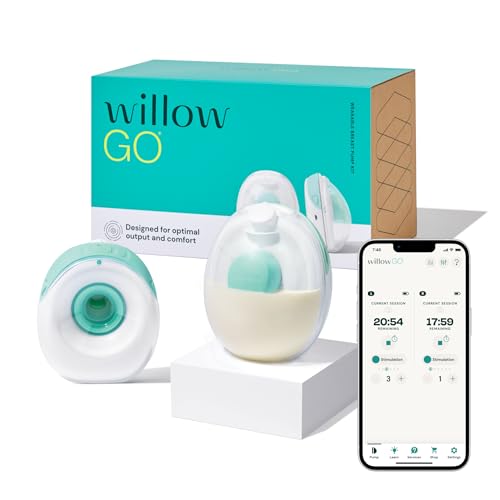
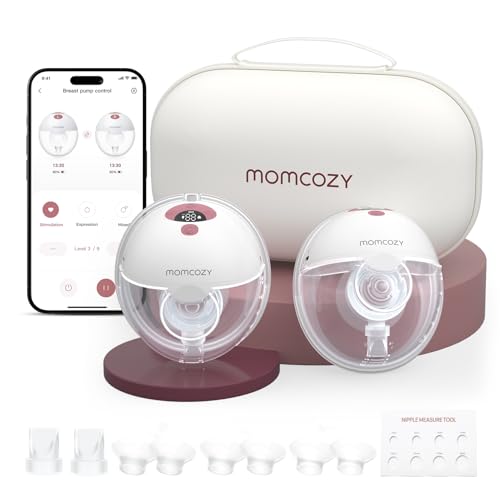
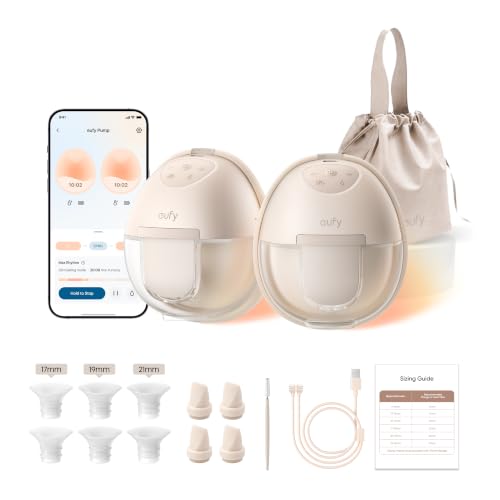

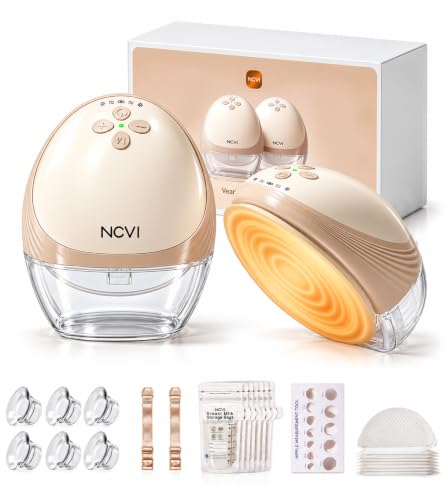

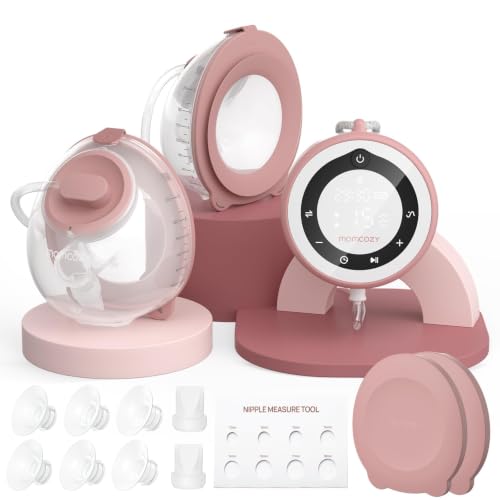
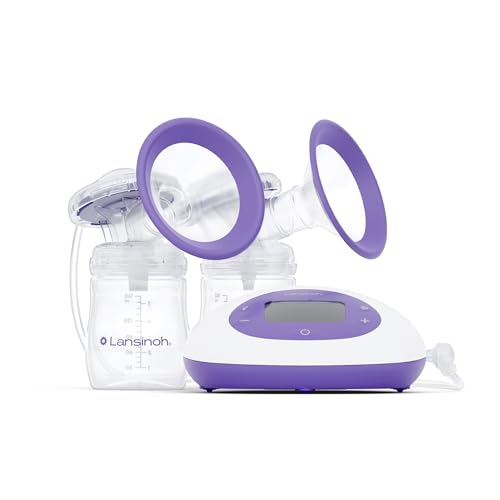
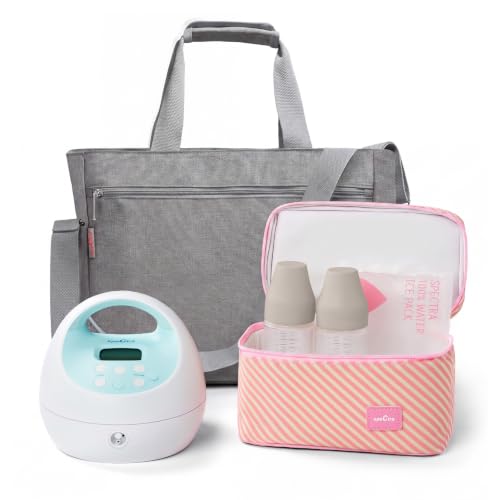
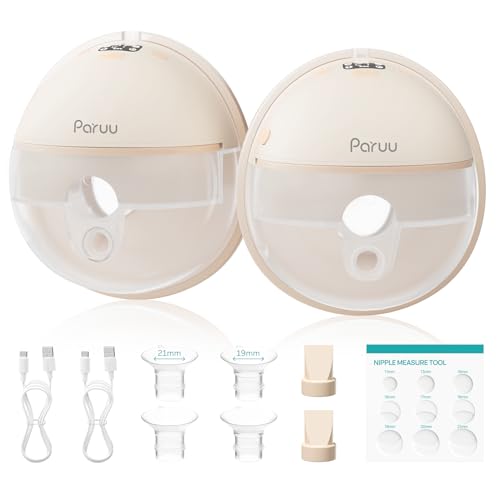
The comparison table below gives a quick overview of the main types, and the sections that follow explain each choice in plain language so you can match a type to your routine.
Who This Guide Is For
This guide is written for mothers who return to work while still pumping, including office workers, teachers, nurses, drivers, and people who work from home with a busy calendar. If you pump two or three times during a work day, portability and quiet operation matter more than extra settings you may never use. A pump that fits in a work bag and runs discreetly can make the whole day feel easier.
It is also useful for mothers who pump mainly at home but want one pump that can travel for work trips or long days out. In that case, weight, battery life, and a simple cleaning routine matter most. Think about where you will pump, how much privacy you have, and how long each break lasts, then let those answers shape your short list.
Types Compared
Pump types differ in power, size, and how much hands free movement they allow, so the right type depends on how often you pump and where you pump.
| Type | Best For | Typical Price |
|---|---|---|
| Double Electric Pumps | Regular workday pumping | about $150 to $350 |
| Wearable Pumps | Discreet pumping at a desk or on the move | about $200 to $400 |
| Single Electric Pumps | Occasional pumping or a backup pump | about $80 to $180 |
| Manual Pumps | Travel backup and occasional relief | about $25 to $60 |
Double Electric Pumps
Double electric pumps empty both sides at once, which can shorten each session and help when breaks are short. They usually need a power outlet or a large battery, and they come with bottles, tubing, and a carry bag. This type suits mothers who pump on a set schedule and want steady suction with adjustable levels.
Wearable Pumps
Wearable pumps sit inside a bra and free both hands, which helps when you must answer email or move around a room. They are quieter and more discreet than many larger pumps, but milk capacity is smaller and fit varies more by body shape. Check cup size, battery life, and how easy the parts are to wash.
Single Electric Pumps
Single electric pumps are lighter and simpler, and they work well as a backup or for mothers who pump once a day. Sessions take longer because only one side is emptied at a time, so this type is less ideal for tight work breaks. It is a good choice when budget is tight and portability matters more than speed.
Manual Pumps
Manual pumps need no power and pack very small, which makes them useful for travel, power cuts, or a short session away from home. They require hand effort and give less even suction over a long session, so most working mothers use them as a backup rather than a daily pump. Keep one in a work bag for emergencies.
Key Features to Compare
The features below decide daily comfort more than brand names do, so compare them side by side before you settle on a type.
Comfort and Flange Fit
Flange size shapes comfort more than suction strength does, because a flange that is too wide or too narrow can pinch or reduce milk flow. Measure after a warm shower or during a session, and look for pumps that offer several flange sizes in the box or as spares. A comfortable fit lets you pump longer without soreness, and it is worth checking the return policy on spare flanges.
Suction and Speed Controls
Adjustable suction and speed let you start gently and then find a rhythm that feels natural, which matters when your body is still adjusting to a work routine. Look for separate controls rather than one fixed pattern, and test the lowest settings first. Stronger suction is not always better, and pain is a sign to lower the level or change the flange.
Noise Level
Noise matters in shared offices, classrooms, and cars, where a loud motor draws attention and adds stress. Wearable and newer double electric pumps tend to run quieter, but noise also depends on tubing and bottle fit. Read user comments about noise in quiet rooms, and plan where you will sit so a low hum does not disturb colleagues.
Battery and Power Options
Battery life decides whether you can pump in a car, a private room without an outlet, or during a commute. A battery that covers two or three sessions is a practical minimum for a work day, and a USB charging option adds flexibility. Keep a charging cable in your work bag and charge the pump each evening so a low battery never cuts a session short.
Cleaning and Spare Parts
Cleaning time adds up fast when you pump several times a day, so count the parts that touch milk and check whether they are dishwasher safe on a top rack. Fewer parts mean faster washing and fewer pieces to lose at work. Buy spare valves and membranes early, because worn valves reduce suction and are a common cause of slow sessions.
Related Guides to Compare
To see how different pump styles rank on comfort and ease of use, read our overview of best ranked breast pumps before you narrow your list to one type.
If you need both hands free during a session, our guide to best handsfree breast pumps explains wearable fit, capacity, and battery trade offs in detail.
For travel, car pumping, and small work bags, our guide to best portable breast pumps focuses on weight, size, and charging options.
If you prefer a mains powered double pump for steady daily use, our guide to best recommended electric breast pumps explains power, controls, and spare parts.
Common Mistakes to Avoid
A common mistake is buying the strongest pump on the market and then finding the flange painful or the pump too loud for work. Another mistake is ignoring cleaning time, which can turn a short break into a rushed wash in a shared sink. Measure your flange, check the part count, and think about your real break length before you pay for extra features you may not use.
Care and Upkeep Over Time
Rinse parts that touch milk soon after each session, wash them with warm soapy water, and let them air dry on a clean towel away from dust. Replace valves and membranes on the schedule in the manual, because worn parts quietly reduce suction. Store bottles with lids on, keep tubing dry, and check the motor filter or vent now and then so the pump keeps running smoothly.
Questions to Ask Before You Order
Ask yourself where you will pump, how many sessions you need each day, and how long each break lasts. Ask whether you need a battery, a quiet motor, or a wearable design, and whether spare flanges and valves are easy to buy. Finally, check the warranty, the cleaning routine, and the total cost of spares so the pump stays practical month after month.
Frequently Asked Questions
How many times a day should a working mother pump?
Most working mothers pump about as often as the baby would feed during work hours, often two or three times in a full work day. Your exact pattern depends on your schedule, your milk supply, and your baby age, so use your normal feeding gaps as a starting point. If sessions feel rushed, talk with a lactation professional about timing and flange fit rather than simply pumping longer.
Is a wearable pump strong enough for daily work use?
Many wearable pumps are strong enough for daily use, but suction and capacity vary by model and by fit. A wearable pump suits mothers who value discretion and free hands, while a double electric pump may empty faster on a tight break. Try to check battery life, cup capacity, and flange options before you rely on a wearable pump as your only pump.
How do I know my flange size?
Flange size is based on nipple diameter after stimulation, not on breast size, and many mothers need a size smaller than the flange supplied in the box. Measure across the base of the nipple and compare with the maker size chart, then test for comfort and milk flow. Pain, rubbing, or a large amount of areola pulled into the tunnel are signs to try a different size or seek fitting help.
Can I pump in a car or a shared office?
Yes, many mothers pump in a car or a private corner with a wearable or battery pump, a cover, and a small cooler bag. Choose a quiet pump, plan your parking or room in advance, and keep wipes, spare parts, and a charging cable in your bag. Check local workplace rules about break time and private space, and ask your employer about a suitable room if one is available.
What should I do if pumping hurts?
Pain during pumping is a signal to stop and check fit, suction level, and positioning before you continue. Lower the suction, try a different flange size, and make sure the pump is assembled correctly with fresh valves. If pain continues, or if you notice cracks, swelling, or signs of infection, talk with a clinician or lactation professional promptly.
Final Thoughts
The best choice is the pump that fits your body, your break schedule, and your workplace, not the pump with the longest feature list. Compare flange options, noise, battery life, and cleaning time first, then use the product table above to narrow your short list to one type that suits your daily routine.
If you are unsure about fit, supply, or pain, talk with your clinician or a lactation professional before you settle on a routine, and remember that best breast pumps for working mothers should support your health and your workday, not add stress to either.


