
Best Breast Pumps with Strong Suction in 2026: Which Type Is Right for You?
Disclosure: We may earn a commission when you buy through links on this page, at no extra cost to you. As an Amazon Associate I earn from qualifying purchases. Learn more

Best breast pumps with strong suction compared by adjustable range, comfort, and type, with practical checks to run before you order.
Strong suction sounds simple until you shop. Listings use different scales, some pumps feel strong but hurt, and the strongest setting is rarely the one you should actually use. This guide compares types so you can judge the best breast pumps with strong suction by adjustable range, comfort, and how well they empty, not by a single headline number. Use the comparison table below to shortlist types, then read how each type behaves in daily use.
Your goal is effective suction you can control in small steps. More power only helps if fit is right and the setting stays comfortable through a full session.
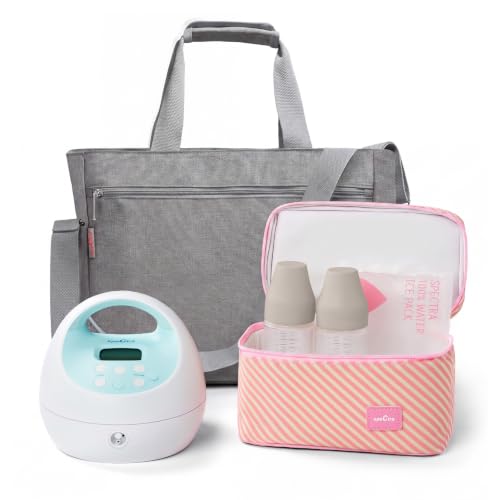
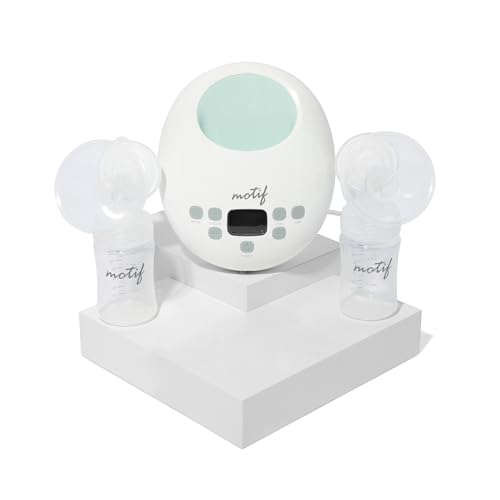
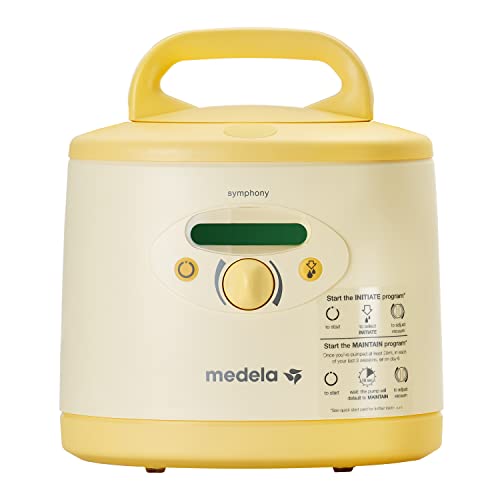
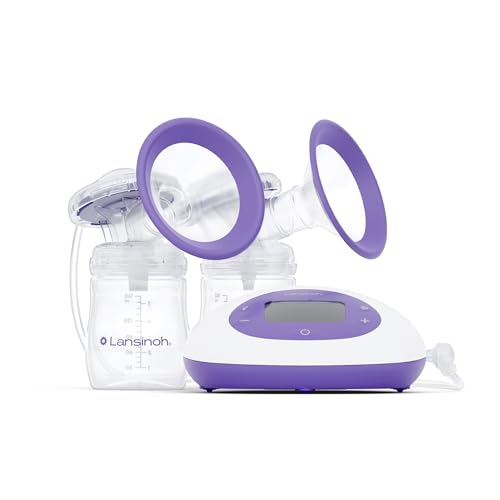


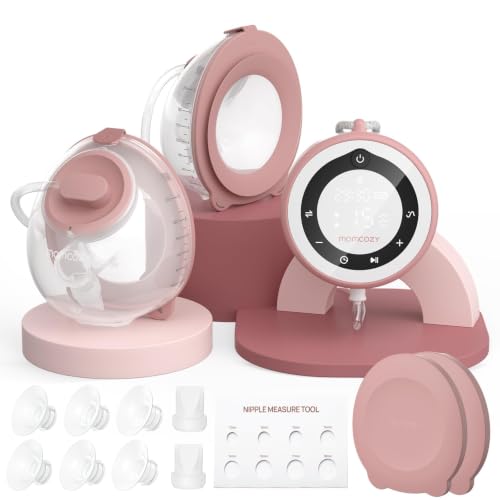
Types of Breast Pumps Compared
Suction strength varies by type more than by price alone. Tabletop double electric pumps usually give the widest and steadiest range. Wearable pumps trade some strength for freedom, and manual pumps depend on your hand. The three groups below use price and lifestyle labels, explained in pump terms so you can place any model you see.
Budget Friendly Options
Budget friendly options include manual pumps and basic single or double electric pumps, often under $100. A manual pump can feel surprisingly strong for short sessions because you control each squeeze, but it is tiring and slow for both sides. Basic electric models may reach a high top setting yet offer few steps, so you jump from too weak to too strong. Choose this group for occasional use, backup during a power outage, or clearing a clogged duct under professional guidance, not as your main daily pump.
Travel and Portable Options
Travel and portable options include small rechargeable pumps and wearable cups, usually about $150 to $350. Suction is often good but can feel different because cups sit in a bra and alignment matters more. Battery use can reduce strength near the end of a charge on some designs, so check runtime claims carefully. Choose this group if you pump at work, in a car, or while moving at home. Our guide to the best portable breast pumps covers size and bag fit in more detail.
Premium Options
Premium options include hospital grade rental pumps and high end double electric pumps, from about $250 to $400 to buy or a monthly rental fee. These tend to offer the steadiest suction across a session, gradual control, and motors built for many sessions a day. They suit parents building supply, pumping exclusively, or feeding multiples. The trade off is size and cost. A rental can be the smartest premium path for the first months, when strong and reliable suction matters most and needs may change later.
Budget Friendly Options vs Travel and Portable Options: Which Should You Choose?
Compare them on five points. For suction control, portable rechargeable pumps usually offer more steps and a steadier motor than basic budget electric pumps. For speed, portable double options pump both sides at once, while many budget options are single side. For comfort, portable cups need careful placement, while a budget flange setup is easier to see and adjust. For cost, budget wins at purchase but portable wins on time if you pump daily. For reliability, a budget manual never needs charging, making it the better backup. Choose budget for rare use, portable for regular use away from one spot, and keep a manual as backup either way.
If hands free use is your main reason for going portable, see our guide to the best handsfree breast pumps for cup capacity and fit checks before you decide.
How to Choose the Right Breast Pump
Fit for Your Baby's Age, Weight, and Stage
Pump choice changes with stage, not with a baby weight limit. In the early weeks, frequent and effective emptying helps establish supply, so a strong double electric or rental often fits best. Later, when supply is steady and you pump mainly at work, portability may matter more than top suction. If your baby was born early or has medical needs, follow your care team plan closely. Ask a lactation consultant to review your pump type and schedule for your stage.
Why Choose a Breast Pump With Strong Suction
Strong suction helps when a weaker pump leaves you feeling full, sessions run long, or you need to build or maintain supply while separated from your baby. It has limits. Suction that is too high can cause pain, nipple damage, and less milk flow because your body tenses. The best setup uses the highest comfortable setting, not the maximum setting. If you need maximum power to get milk, check flange fit and part wear first, because both often explain low output better than motor strength.
Portability and Size
Strong suction in a large tabletop motor does you no good if you skip sessions because setup is a hassle. Weigh motor size, battery life, noise, and how fast you can assemble parts in your real pumping space. Wearable cups reduce privacy needs but hold less milk, so high volume producers may need to empty mid session. Test your bag layout at home. A pump you can set up in under two minutes is a pump you will actually use on busy days.
Comfort for Baby and Parent
Comfort is a performance feature. Correct flange size, a shield that does not rub, and suction that rises gradually all protect comfort and output. You should see the nipple move freely without much areola pulled in, and you should not see blanching or feel sharp pain. Practical know how: warm your shields or use a warm compress before a session, and center the flange before you turn the pump on, because starting off center can make even moderate suction feel harsh.
Safety Standards and Certifications
Look for BPA free milk contact parts, a closed system when the pump is for personal regular use, and clear cleaning guidance. Strong suction does not change safety rules. Never share a personal pump, and sanitize parts as your clinician advises for your baby age and health. Warning signs to seek care for include fever, a painful red area on the breast, flu like feeling, nipple wounds that do not heal, or a sudden drop in output. Talk with your clinician or lactation consultant about personal needs.
Parents who want a broader view of electric designs can read our guide to the best recommended electric breast pumps and compare motor types there.
Setup and Care Tips
Register your pump for recall notices and keep the manual where you pump. Assemble parts fully dry, because water in valves can weaken suction. Replace membranes and valves at the first sign of stretching or tearing, since worn parts are the most common cause of lost strength. Wash milk contact parts after every use, keep tubing dry, and store parts in a clean and closed container. Charge batteries before they are fully empty when you rely on a portable pump, so suction stays steady for the next session.
FAQs
How long can my baby use it?
You can use a strong suction pump for the full time you provide milk, often a year or more. There is no baby age cutoff for the pump. What changes is part condition and your fit. Replace soft parts on schedule, recheck flange size after body changes, and step down in suction if sensitivity rises. A consultant can help if your needs shift from building supply to maintaining it.
Is a premium model really safer?
No, premium price does not equal greater safety. Safety comes from BPA free contact parts, sound system design, correct cleaning, and not sharing personal pumps. Premium models buy steadier motors, finer suction steps, and sometimes rental grade durability. Those are performance benefits. Judge any safety claim by asking what design feature supports it, and skip listings that cannot answer that question clearly.
Is it covered by insurance?
A standard double electric pump is often covered, while a premium or wearable strong suction model may need an upgrade fee. Rentals for hospital grade pumps are sometimes covered when there is a medical need, so ask your insurer and care team. Get the supplier quote in writing, including your cost for parts, because strong suction models can use pricier valves and cups.
When should I buy this before baby arrives?
Arrange your pump four to six weeks before your due date, earlier if a rental is advised for after birth. That window lets you learn the controls, practice assembly, and confirm flange sizes without stress. Do not judge suction before birth by trying maximum settings. Instead, learn the step pattern and cleaning routine, and plan a lactation visit soon after birth to set levels correctly.
How do I clean and sanitize it?
Wash parts that touch milk after each use with warm soapy water, rinse, and air dry on a clean surface. Keep a dedicated basin and brush at home, a detail that reduces contact with food residue in a shared sink. Sanitize by boiling or steam only where the maker allows it. If you see milk in tubing on a closed system, contact the maker, because that signals a barrier problem.
Our Verdict
Choose suction you can fine tune, fit you have measured, and a type that matches where you pump. Tabletop and rental pumps lead on steady strength, portables lead on freedom, and budget options work best as occasional or backup tools. Compare the best breast pumps with strong suction in the product table above with those priorities, and talk with your clinician or lactation consultant about your personal needs before you settle on settings.

