
Best Breast Pumps for First Time Moms in 2026: Which Type Is Right for You?
Disclosure: We may earn a commission when you buy through links on this page, at no extra cost to you. As an Amazon Associate I earn from qualifying purchases. Learn more

Best breast pumps for first time moms compared by type, flange fit, and comfort, with practical checks to run before you order.
Choosing a first pump can feel confusing, and best breast pumps for first time moms shoppers often face many types with unfamiliar terms. The comparison table below gives you a quick overview, and this guide explains each type in plain language. The right pump is the one that feels comfortable, fits your body, and suits your daily routine, not the one with the most features.
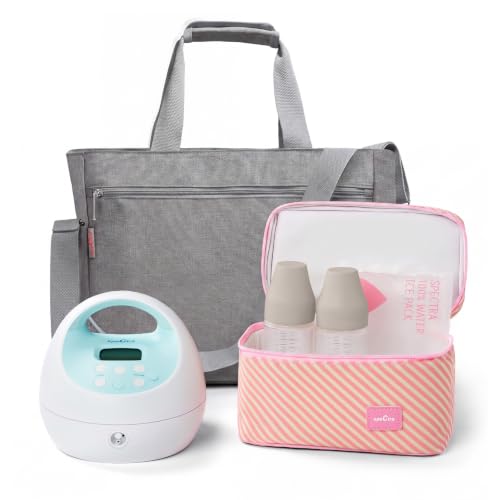
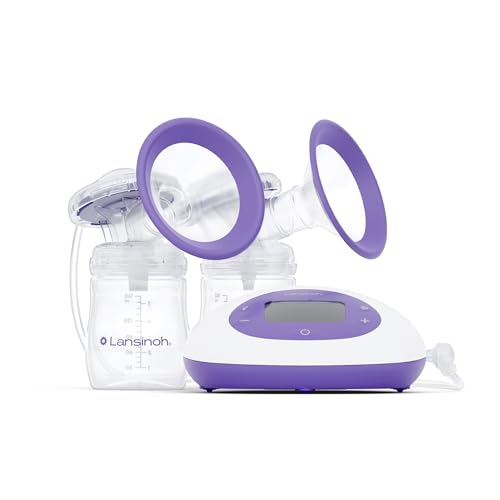


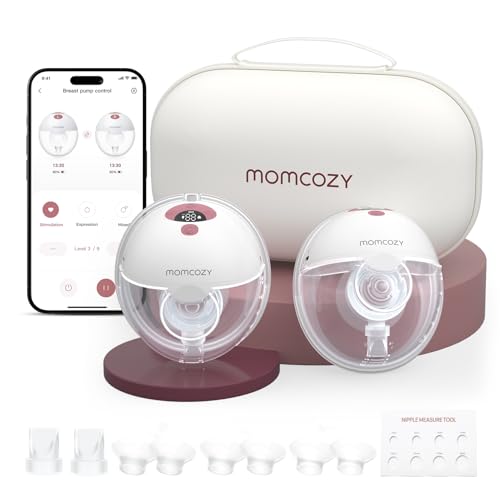
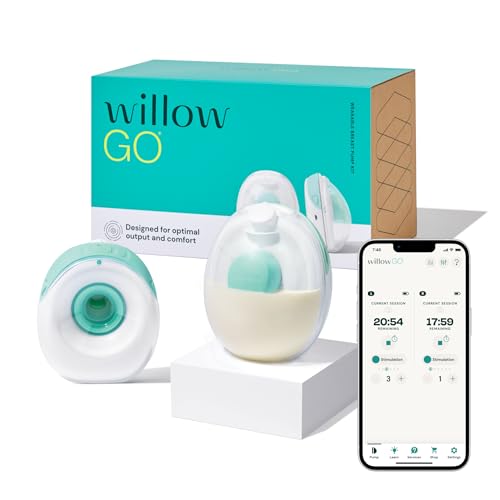


Types of Breast Pumps Compared
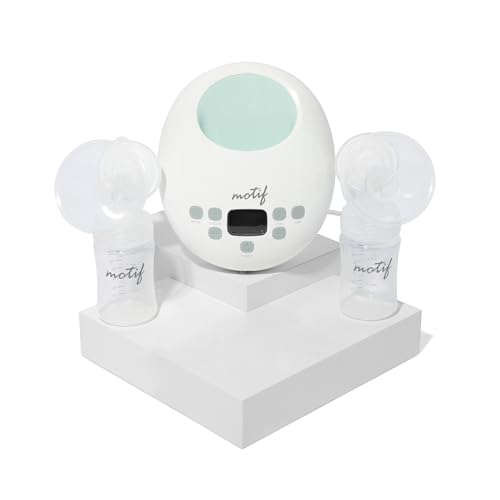
Manual pumps are small, quiet, and affordable, and they work well for occasional use or as a backup. Single electric pumps free one hand and suit less frequent pumping, while double electric pumps save time by pumping both sides at once. Wearable pumps fit inside a bra and allow more movement, though they may hold less milk and need careful fitting.
Hospital grade pumps are powerful and durable, and they are often rented for early weeks or for specific feeding challenges. For most first time moms, a double electric pump or a wearable pump covers daily needs well. Think about how often you will pump and where you will do it before choosing a type.
Flange Fit and Comfort
Flange fit is one of the most important factors for comfort and milk flow. A flange that is too large or too small can cause discomfort and reduce output. Many pumps include a standard size, and other sizes are often available separately. Measure according to the maker's guide, and try a different size if pumping feels painful or the nipple rubs the tunnel.
Comfort also depends on suction settings. Start low and increase gently until you find a level that feels effective without pain. Pumping should not hurt. If you feel sharp pain, soreness that does not settle, or skin damage, stop and seek advice from a lactation professional or your clinician.
Portability, Battery, and Daily Routine
If you pump at work or while travelling, weight, battery life, and noise matter. A rechargeable pump with a carry case is easier to use away from home. Check how many sessions a charge covers and how long recharging takes. A quiet pump is also valuable in shared spaces and at night.
Think about your routine honestly. A pump that stays at home can be larger and more powerful, while a pump for work needs to be discreet and easy to clean. Some moms use two types, such as a main electric pump at home and a manual pump in a bag for occasional use.
Cleaning, Parts, and Milk Storage
Pumps have several parts that touch milk, and they need washing after each use. Check how many parts there are and whether they are easy to take apart and reassemble. Fewer parts mean faster cleaning, which matters when you are tired. Follow the maker's cleaning and sterilising advice, and replace worn valves and membranes when output drops.
Store milk in clean, labelled containers, and follow safe storage guidance for room temperature, fridge, and freezer times. Keep a small routine for labelling dates, so older milk is used first. A simple system reduces stress during busy days.
Support, Warning Signs, and When to Seek Help
Feeding a new baby is a big adjustment, and support makes a real difference. A lactation professional can help with flange fit, positioning, and pumping technique. Peer support groups and health visitors can also offer practical reassurance. Do not hesitate to ask for help early, since small adjustments often solve common problems quickly.
Seek prompt advice from your clinician or a lactation professional if you notice a painful red area, a hard lump, fever, or flu like symptoms, or if pumping causes ongoing pain, bleeding, or a sharp drop in milk. These signs can need timely care, and early advice is always better than waiting. This guide offers general information only and does not replace professional advice.
Budget Tiers and First Time Value
Manual pumps are the most affordable and a good starting point for occasional use. Mid priced electric pumps offer adjustable suction, double pumping, and better portability. Higher priced wearable pumps offer freedom of movement, which some moms value highly, especially at work.
Check whether insurance or a health plan covers a pump, since that can change your budget. The product table above can help you compare the shortlist, and a comfortable fit matters more than a premium price tag.
Related Guides to Explore
To compare nearby angles, see our guides to the best breast pumps for working mothers, the best breast pumps for new moms, and the best ranked breast pumps.
Building a Pumping Routine That Works
A sustainable pumping routine starts with realistic expectations. Early weeks are about learning, and output varies from day to day. Try to pump at a similar time each day when you need regular sessions, since routine helps your body respond. Keep sessions relaxed, with water nearby and a comfortable chair.
Prepare your pumping station in advance so sessions feel calm rather than rushed. Keep clean parts, storage containers, a cloth, and a phone charger within reach. A calm environment, with a photo of your baby or a relaxing activity, can help milk flow more easily.
Track sessions simply, noting time, duration, and amount, without obsessing over every millilitre. Patterns over days matter more than a single session. If output drops suddenly or pumping becomes painful, seek advice early rather than pushing through.
Plan for pumping away from home by practising assembly and cleaning before you need to do it in a hurry. Pack spare parts, storage bags, and a cooler bag for transport. Familiarity reduces stress when you pump at work or while travelling.
Remember that support matters as much as equipment. Partners, family, and friends can help with washing parts, storing milk, and caring for the baby during sessions. Accepting help is not a weakness, and it makes a demanding routine far more sustainable.
Choosing with Confidence
Compare pumps on fit, comfort, and ease of cleaning rather than on feature count alone. A pump that fits well and cleans quickly will be used happily every day, while a complex pump with many parts can become a chore during tired early weeks.
Seek a fitting check from a lactation professional when possible, especially if pumping feels uncomfortable or output seems low. A professional can assess flange size and technique in minutes, saving weeks of trial and error at home.
Check whether your insurance or health plan covers a pump or offers a choice of models, since coverage can expand your options significantly. Understand what is included, such as extra parts or a carry case, before deciding.
Plan for spare parts from the start, including valves, membranes, and an extra set of bottles. Spare parts prevent a small worn valve from interrupting your routine, and they are inexpensive compared with the stress of a pump that suddenly underperforms.
Finally, be kind to yourself during the learning period. Pumping is a new skill, and every parent learns at their own pace. Support, patience, and professional advice when needed matter more than owning the most expensive pump.
Frequently Asked Questions
How often should a first time mom pump?
It depends on your feeding plan, your baby's age, and whether you are building a store of milk or replacing a feed. Many moms pump after or between feeds when they need extra milk. A lactation professional can help you plan a routine that suits your baby and your body. Avoid rigid schedules that add stress in the early weeks.
Does pumping hurt?
Pumping should feel like gentle pulling, not sharp pain. Mild tenderness at first is common, but ongoing pain, pinching, or skin damage usually means the flange size or suction level needs adjusting. Try a lower setting and a different flange size, and seek advice from a lactation professional if pain continues.
What flange size do I need?
Flange size depends on your nipple diameter, and makers provide measuring guides. A good fit centres the nipple in the tunnel without rubbing the sides and without pulling in too much surrounding tissue. If you are unsure, a lactation professional can measure and advise. Many moms need a size different from the standard one supplied.
Are wearable pumps as effective as standard pumps?
Wearable pumps offer freedom of movement and discretion, which many moms value, but output can vary by person and by fit. Standard double electric pumps are often more powerful and consistent. Some moms use both types for different situations. Try to prioritise fit and comfort over the novelty of a wearable design.
How do I clean a breast pump safely?
Wash all parts that touch milk after each use with warm soapy water, rinse well, and air dry on a clean towel. Follow the maker's guidance on sterilising and on replacing valves and membranes. Keep clean parts in a dry, covered place, and wash your hands before handling milk or pump parts.
Final Thoughts
Focus on fit, comfort, and a routine you can sustain, and seek support early if anything feels painful or worrying. The product table above can help you compare the shortlist. With best breast pumps for first time moms as your guide, and advice from your clinician or lactation professional when needed, you can choose a pump that supports you and your baby.


