
Best Breastfeeding Pillows: What Actually Matters Before You Buy for 2026
Disclosure: We may earn a commission when you buy through links on this page, at no extra cost to you. As an Amazon Associate I earn from qualifying purchases. Learn more

Best breastfeeding pillows compared by shape, height, and support, with practical checks to run before you order.
Choosing best breastfeeding pillows is less about a single perfect shape and more about how the pillow lifts your baby, supports your arms, and fits your body. A good nursing pillow brings your baby to breast height, so you can relax your shoulders instead of hunching forward. The comparison table below gives a quick view of the main shapes, and the guide that follows explains how to judge height, firmness, and ease of care.
Every parent feeds in a different chair and holds a baby in a different way. A pillow that works well on a sofa may feel too low in a firm armchair, and a pillow that suits a newborn may feel less useful as your baby grows.

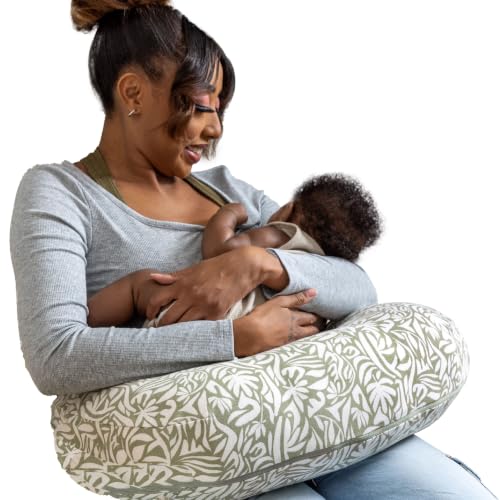
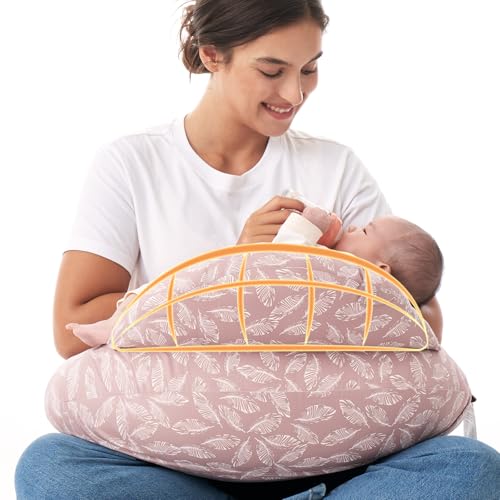


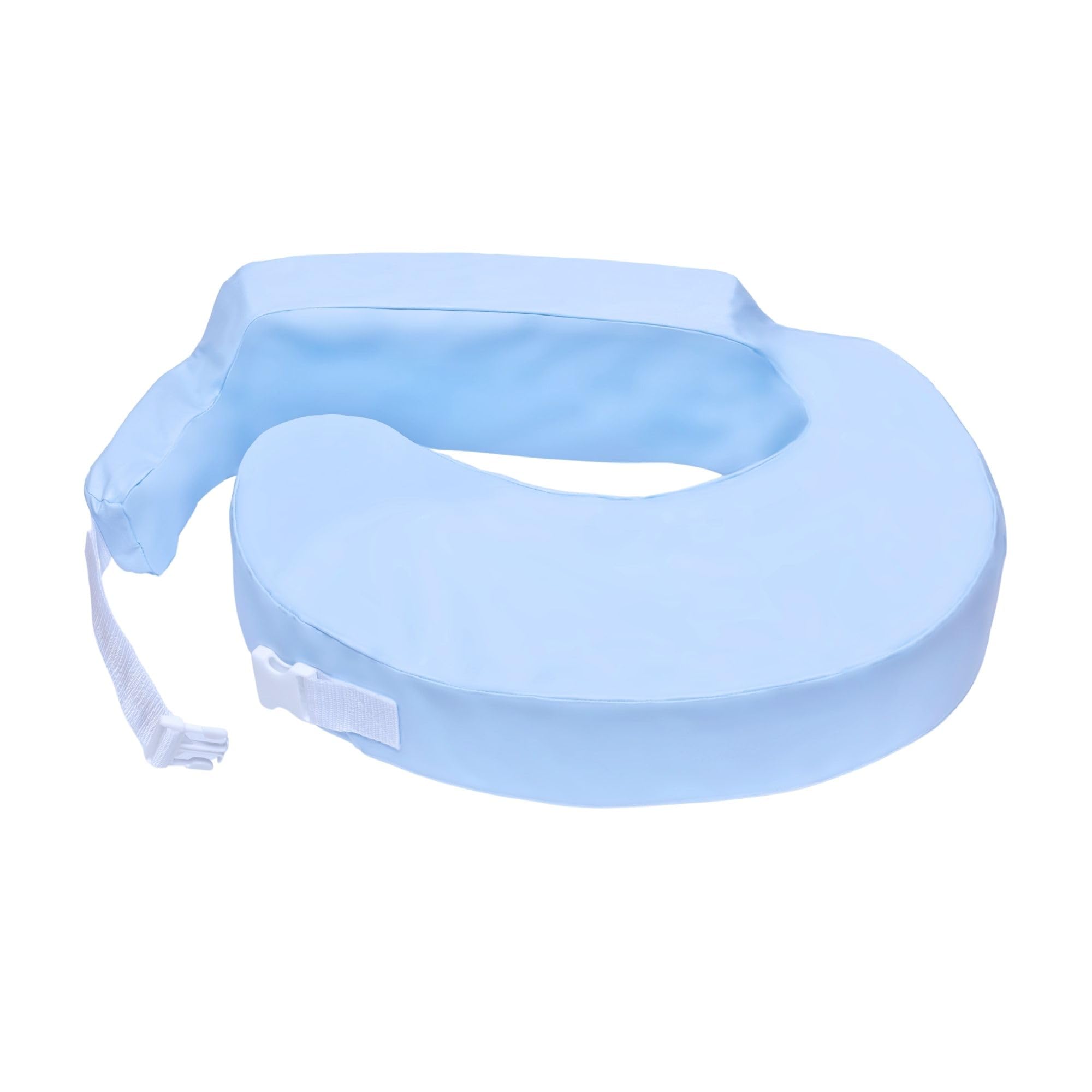
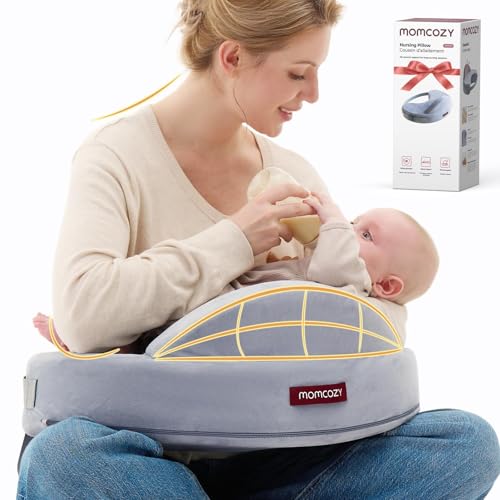

Who Should Use a Nursing Pillow
A nursing pillow suits parents who want steady support for the baby and relief for the arms, neck, and back during feeds. It can help when feeds last a while, when you feed in the same chair each day, or when holding a baby at breast height feels tiring. It is not a substitute for safe sleep practices, and a baby should never be left unsupervised on a pillow.
New Parents Learning to Feed
New parents often juggle latch, positioning, and comfort all at once, and a pillow can free one hand and steady the baby. A crescent shape that wraps around the waist can hold the baby at a stable height while you adjust position. If feeding feels painful or difficult on a regular basis, talk with a doctor or lactation professional for personal guidance.
Parents With Back, Neck, or Shoulder Strain
Parents who feel strain in the back, neck, or shoulders may benefit most from a pillow that lifts the baby higher and supports the forearms. Height matters here, since a low pillow forces you to lean forward, while a higher pillow lets you sit upright. Pair the pillow with a chair that supports your lower back, and take short breaks to change position when feeds run long.
Parents Who Feed in Different Rooms
Parents who move between bedroom, living room, and nursery may want a lighter pillow that is easy to carry and quick to position. A compact crescent pillow travels well, while a larger wrap pillow may suit a single favorite chair. Check the weight and whether the cover removes easily for washing.
What to Check Before You Buy
Work through shape, height, fill, cover, and size in order, and note which factors matter most for your body and feeding spot.
Shape and How It Sits on Your Lap
Shape decides how the baby rests and how stable the pillow feels. A crescent shape curves around your waist and gives a flat surface for the baby, which suits cradle and cross cradle holds. A wrap shape fastens behind you and stays close to your body, which can help when you need both hands free.
Height, Firmness, and Loft
Height and firmness decide whether the baby sits at breast level without you leaning forward. A firmer pillow holds its height better during a feed, while a very soft pillow may compress and drop the baby lower. Loft should match your torso length and chair height, since a tall parent in a low chair needs a different lift than a shorter parent in a high chair.
Material and Fill
Fill affects firmness, weight, and how the pillow holds up after washing. Foam fills tend to stay firm and keep their shape, while fiber fills feel softer and lighter but may flatten sooner. Covers matter too, since cotton feels breathable and a removable cover makes washing simpler. Check whether the fill and cover can be washed as the maker directs.
Size, Fit, and Portability
Size should fit your waist, your chair, and your storage space. A pillow that is too large can push you away from the chair back, while a pillow that is too small may not support the baby fully. Measure your waist and compare it with the inner curve of the pillow, and think about whether you will store it on a chair or in a closet.
Support for Arms, Back, and Neck
Good support spreads weight across your arms and lap, rather than concentrating it in your shoulders. A wider surface lets your forearms rest, while a contoured edge can keep the baby from rolling toward you. If back, neck, or shoulder pain persists or worsens, talk with a doctor about your feeding setup. For neck focused comfort after feeding, see our guide to best pillows for neck problems.
Durability and Care
Durability depends on seams, zippers, covers, and how often the pillow is washed. Strong stitching at the curve matters, since that area bears weight and flexes with each use. A removable, washable cover extends the life of the pillow, and you should replace a pillow when the fill clumps or the shape collapses.
Types of Nursing Pillows Compared
Different shapes suit different holds and rooms, so match the shape to your feeding routine. The table below is a type comparison only.
| Shape | Best For | Pros | Cons | Typical Price |
|---|---|---|---|---|
| Crescent | Everyday cradle holds | Simple and stable | May slide | About $25 to $60 |
| Wrap | Hands free support | Stays close to body | Warm in summer | About $35 to $80 |
| U shaped | Twins or side switching | Large surface | Bulky to carry | About $40 to $90 |
| Compact travel | Small spaces | Light and packable | Less height | About $20 to $50 |
Crescent Pillows
Crescent pillows are the most common shape, and they suit cradle and cross cradle holds on a sofa or armchair. The curve wraps partway around your waist and gives a flat, stable surface for the baby. The main drawback is that a crescent pillow can slide on smooth chair fabric.
Wrap Pillows
Wrap pillows fasten behind your back and keep the pillow snug against your body, which can free your hands and steady the baby. This style suits parents who want the pillow to stay in place during longer feeds. It can feel warmer than an open crescent, since more fabric sits against your body. For related support options, see our guide to best nursing pillows for breastfeeding.
U Shaped Pillows
U shaped pillows offer a larger surface and can support a baby on either side, which helps when switching sides or feeding twins. The tradeoff is bulk, since a U shaped pillow takes more chair space and is harder to carry between rooms.
Compact and Travel Pillows
Compact pillows suit small chairs, travel, and parents who want a lighter option. They pack more easily and store in smaller spaces, but they offer less height and less surface than full size shapes.
Spending Levels
Think in spending levels that match how often you feed with a pillow and how long you expect to use it. A lower price level, about $20 to $40, can work for occasional use, while a middle level, about $40 to $70, often adds a removable washable cover and firmer fill. A higher level, about $70 to $110, may offer adjustable height or a wrap design, which can make sense when you feed many times a day.
Quick Buyer Checklist
- Does the pillow lift your baby to breast height without you leaning forward?
- Does the shape support your usual hold, whether cradle, cross cradle, or football hold?
- Does the inner curve fit your waist comfortably while seated in your usual chair?
- Is the fill firm enough to hold its height through a full feed?
- Does the cover remove and wash as the maker directs?
- Can you carry the pillow easily to the rooms where you feed most often?
- Can your forearms rest on the pillow without shoulder strain?
Red Flags to Watch For
Watch for vague size and height details, since a pillow without clear dimensions is hard to judge for your body and chair. Be cautious when care guidance is missing, because a pillow that cannot be cleaned easily will wear out fast in daily use. Avoid claims that promise pain relief or medical benefits, since a pillow offers general comfort and support, not treatment.
Care and Maintenance Tips
Follow the maker care label for both cover and fill, and wash the cover as often as needed for hygiene. Air dry when the label advises it, since high heat can shrink covers and clump fills.
Store the pillow in a dry place, and check seams and zippers regularly. Replace the pillow when the fill flattens or no longer holds the baby at a comfortable height. For neck focused comfort after feeding, see our guide to best pillows for sore neck.
Frequently Asked Questions
How do I wash breastfeeding pillows safely?
Wash a nursing pillow by following the maker label for the cover and the fill, since guidance varies by material. Remove the cover when possible and wash it separately, and spot clean the inner pillow unless the label allows machine washing. Use a gentle cycle and mild detergent when washing is allowed, and check that seams and zippers are secure before the next feed.
How often should I replace my breastfeeding pillow?
Replace a nursing pillow when the fill flattens, clumps, or no longer holds the baby at breast height, rather than on a fixed schedule. Daily use, frequent washing, and heavier babies can shorten its useful life, while occasional use may extend it. If you find yourself leaning forward again to reach the baby, the pillow has likely lost its lift.
Does a higher thread count matter for a nursing pillow cover?
A higher thread count does not always mean a better nursing pillow cover, since weave, fiber, and finish affect feel and durability too. A smooth, breathable cotton cover can feel comfortable at a moderate thread count, while a very dense cover may feel warm during long feeds. Washability and softness after washing matter more for daily use than a single number.
What firmness helps with back discomfort during feeding?
A medium firm pillow often helps with back discomfort during feeding, because it holds the baby at breast height without forcing you to lean forward. A very soft pillow can sink and drop the baby lower, which increases hunching, while a very firm pillow may feel hard against the arms. If back pain persists or worsens, talk with a doctor.
Are cooling breastfeeding pillows worth it for hot sleepers?
Cooling covers can help during warm weather or long feeds, since breathable fabric and airflow reduce heat buildup against your body. They are most useful when you feed in a warm room or tend to overheat, and less important in a cool room. A cooling cover does not replace good height and support, so judge it as an added comfort feature.
The Bottom Line
Choosing best breastfeeding pillows comes down to shape, height, and ease of care for your feeding routine. Use the product table above to compare shapes, run through the buyer checklist in your usual chair, and pick the spending level that matches daily use. A pillow that lifts your baby to a comfortable height and washes easily can make feeding calmer and less tiring.

