Best Bread Machine for Whole Wheat Bread: Types and Features (2026)
Disclosure: We may earn a commission when you buy through links on this page, at no extra cost to you. As an Amazon Associate I earn from qualifying purchases. Learn more

Best bread machine for whole wheat bread guide to horizontal, compact and dual paddle types and wheat cycles.
A whole wheat loaf sounds simple until your first one comes out short, dense, and barely browned. Whole wheat dough is heavier than white dough, it rises more slowly, and it asks more of the motor and paddle with every knead. Choosing the best bread machine for whole wheat bread is mostly about matching that workload to your kitchen, your household size, and how often you plan to bake.
This guide walks you through loaf sizes, machine types, and the features that actually help heavy dough, then shows three types worth comparing side by side. You will find the key specs in the product table, and if you also bake other styles, our broader guide to the best bread machine covers general sizes and cycles in more depth.



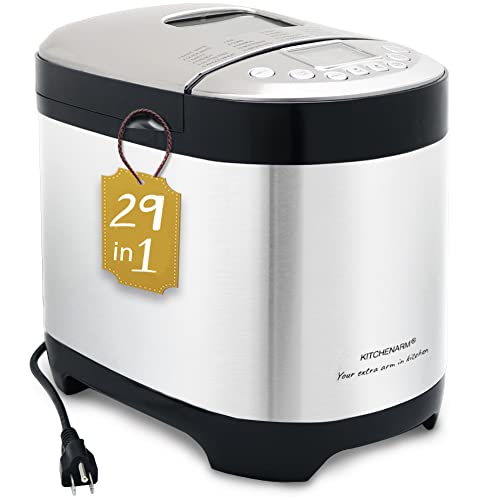

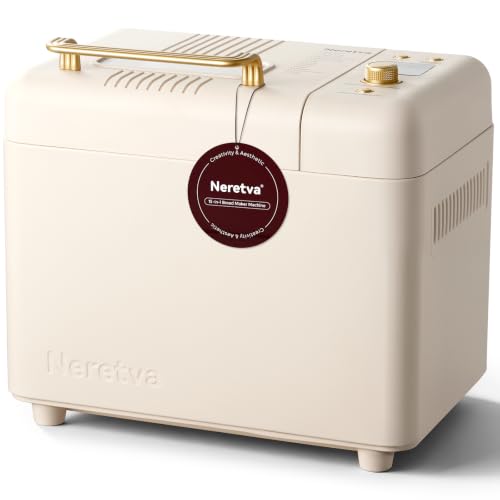

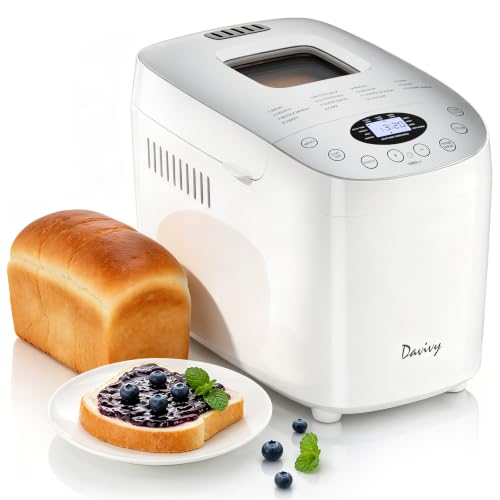
Quick Answer: The Three Types Worth Comparing
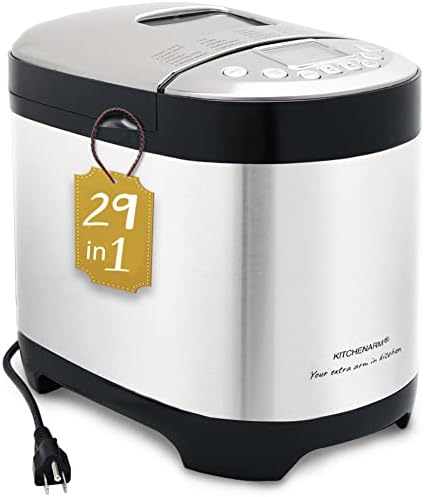
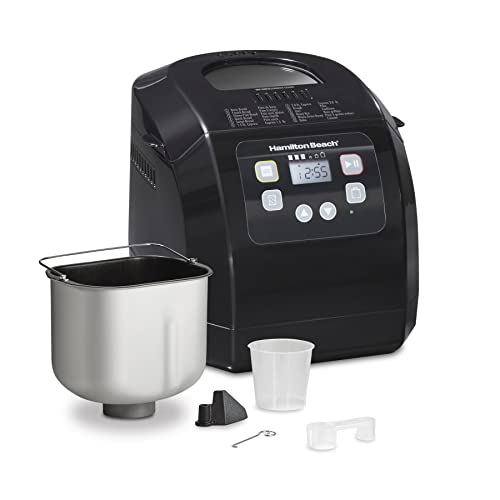
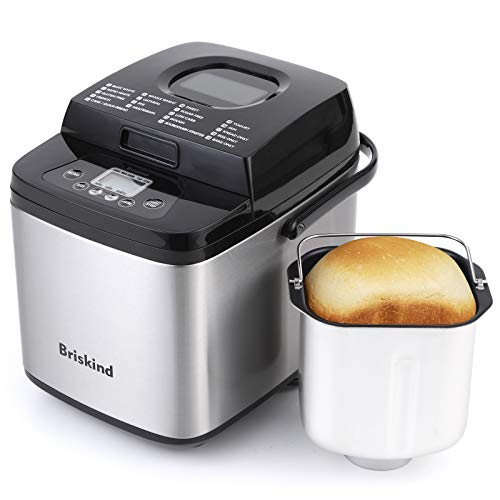
Most homes land on one of three types. Horizontal loaf machines give you a familiar sandwich shape and often a stronger knead. Compact programmable machines cost less and suit small households that bake a few loaves a week. Dual paddle machines spread the kneading work across the pan, which helps dense dough develop evenly.
Before You Buy: A Quick Checklist for Whole Wheat Bread
When you shop for the best bread machine for whole wheat bread, start with the dough itself and work outward to your kitchen.
Size: Match It to Your Space and Household
Machines are usually rated by loaf weight, from about 1 lb up to about 2.5 lb. A 1 lb or 1.5 lb model suits one or two people who eat bread slowly and want each loaf finished while it is fresh. A 2 lb model fits most families of three or four, and the largest sizes make sense when you slice for sandwiches daily or freeze extra loaves.
Which Type Fits Your Routine
Vertical machines bake a tall loaf in a deep pan and take up less counter room, while horizontal machines bake a wider loaf that slices more like a bakery loaf. Programmable models let you adjust knead, rise, and bake times, which helps when a favorite recipe needs a longer rise. Dual paddle designs knead from both ends of the pan, a real help for stiff dough that a single paddle may push into one corner.
Features Worth Paying For, and Ones to Skip
A named whole wheat cycle is the feature that matters most, since it lengthens kneading and rising to suit heavy dough. A dough setting is worth having if you like shaping rolls or pizza bases by hand, and a fruit and nut dispenser helps with seeded loaves. If you also bake for someone avoiding gluten, compare the settings here with a dedicated best gluten free bread machine before you buy. Jam and cake settings are easy to skip.
Wattage, Power, and Energy Use
Most home machines draw about 500 to 800 watts, and the baking element does nearly all of that work while the motor uses far less. A higher wattage does not guarantee a better loaf, but a stronger motor does matter for whole wheat dough, which resists the paddle more than white dough does. Energy cost per loaf stays small either way, since the element cycles on and off during baking rather than running at full draw the whole time.
Safety Features and Certifications
Look for a UL or ETL mark, which means the model passed independent electrical safety evaluation for home appliances. A lid that stays cool enough to touch, stable feet that keep the machine from walking during kneading, and automatic shutoff after the bake all add peace of mind. Keep the vents clear while it runs, since a blocked vent can overheat the housing and affect the rise near the end of the cycle.
Counter Space and Dimensions
Measure the spot before you order, including the height with the lid fully open, since many kitchens store machines under wall cabinets where an open lid will not fit. Horizontal models need more width but less height, while tall vertical models are easier to slide into a narrow gap. Also think about where the machine will live between bakes, because a model that is awkward to move tends to end up stored away and rarely used.
Realistic Budget Ranges
Listings in the product table run from about $90 to $400, with most between $100 and $180. At that level you get a whole wheat or gluten free cycle, larger loaf options, a sturdier pan coating, and control over crust color, while the top of the range adds dual paddles, quieter motors, and sturdier parts that hold up better to heavy dough.
Best Bread Machine for Whole Wheat Bread: Three Types Compared
Horizontal Loaf Machines for Most Homes
A horizontal machine is the safest default for whole wheat baking because the long pan gives thick dough room to spread, and the loaf comes out shaped for even sandwich slices. Most models in this group offer 1.5 lb and 2 lb settings, a dedicated whole wheat cycle, and three crust shades, which covers nearly every family routine. The footprint is the main drawback, so measure your counter run first.
Compact Programmable Machines for Value
Compact programmable models keep the price low while still letting you lengthen a rise or shorten a bake, which is exactly the control whole wheat recipes often need. Loaves are smaller, usually 1 lb or 1.5 lb, and the tall shape gives thicker slices, but freshness improves because you bake little and often. This is also a sensible first machine if you are new to baking at home, and our guide to the best bread machine for beginners explains starter features in more detail. Choose this type when budget and storage space matter most.
Dual Paddle Machines as a Long Term Investment
Two paddles working the same pan leave fewer unmixed pockets in stiff dough, and the flour in the corners gets folded in instead of baking onto the crust as dry patches. Machines in this group usually pair the dual paddle setup with stronger motors and replaceable drive parts, so they tolerate years of heavy dough without loosening or rattling. They cost more and the pans are pricier to replace, but for households baking several whole wheat loaves every week, the even knead and longer service life justify the step up.
The Criteria That Matter Most
Judge any model against the same short list: loaf capacity for your household, kneading strength on dense dough, how easy the pan and paddle are to clean, noise during the knead cycle, safety certification, and warranty length. Manufacturer specifications tell you the capacity and power, while verified buyer reviews are the best public source for noise, pan coating wear, and how loaves actually turn out over months of use.
Living With It: Day to Day Reality
Daily life with a bread machine is mostly about timing. A whole wheat cycle runs longer than a white cycle, so many owners load the pan in the morning and plan lunch around the finish, or use the delay timer for an evening bake. Kneading is the loud stage, so a mat underneath helps on hard counters in small apartments. If you are still learning the basics, our walkthrough on how to use a bread machine covers ingredient order and pan loading step by step.
Whole wheat baking also pairs well with other routines. The dough setting can start a batch you shape by hand, and if you keep a starter, compare that workflow with a best bread machine for sourdough guide before adding a second appliance. One caution for delay timer fans: recipes built on milk, eggs, or butter should not sit at room temperature for hours, so save overnight delayed starts for lean flour, water, and yeast loaves.
Common Buying Mistakes to Avoid
- Buying the largest loaf size for a small household, so the last third of every loaf dries out before it is eaten.
- Choosing a machine with no whole wheat cycle, then fighting dense loaves that never got the longer rise the dough needed.
- Measuring counter width but not lid height, so the machine only fits with its lid half open under your cabinets.
- Paying extra for jam, cake, and yogurt settings you will rarely touch while skipping the crust control you would use weekly.
- Ignoring replacement pan prices, since a worn pan can cost a large share of what a budget machine cost new.
Cost of Ownership and Care
Running costs stay modest. Electricity for one loaf is a small part of its cost next to flour, and the main wear items are the pan coating and the kneading paddle, both sold as replacements for most brands. After each bake, let the pan cool, soak it briefly, and wash it by hand so the coating lasts; never immerse the machine base, and wipe crumbs from the chamber with a dry cloth. Store the machine with the lid slightly open so trapped moisture does not leave a stale smell. If you are weighing the purchase itself, our breakdown of is a bread machine worth it compares home baking costs with store loaves in detail.
Your Questions, Answered
Can a bread machine handle dough made with only whole wheat flour?
Yes, most machines with a whole wheat cycle can bake a loaf made entirely from whole wheat flour. The result will be denser than a blend, so many bakers add a little extra water and let the longer cycle do its work. Some recipes also add a small amount of vital wheat gluten to help the loaf hold its rise, which you can find in the baking aisle beside the flours.
Why does whole wheat bread often come out dense in a bread machine?
The bran in whole wheat flour has sharp edges that cut developing gluten strands, so the dough traps less gas and rises into a tighter crumb. Flour age plays a part too, since whole wheat flour goes stale faster than white flour and old flour hydrates poorly. Fresh flour, enough liquid, and a full rise on the whole wheat cycle fix most dense loaves without changing the recipe.
How long does a whole wheat cycle usually take?
Expect about three to four hours from start to finish on most machines, noticeably longer than a basic white cycle. The extra time goes into a longer knead and a slower, extended rise, which heavy dough needs to develop structure. Rapid cycles cut that time sharply, but they suit whole wheat poorly, so treat the quick setting as a backup for white loaves rather than your default.
How long does a bread machine usually last?
With regular use, a well kept machine often serves for several years, and sturdier models with metal drive parts tend to last the longest. The pan coating usually wears out before the motor does, showing as loaves that start sticking even after careful washing. A rattling sound during kneading or a paddle that wobbles on its shaft are early signs that parts need attention or replacement.
Should I choose a bread machine with one paddle or two for whole wheat dough?
Two paddles suit whole wheat dough better in larger pans, because the dough is stiff and a single paddle can leave the far corners underworked. In small 1 lb pans the difference nearly disappears, since the dough mass is small enough for one paddle to fold completely. Let pan size guide you: dual paddles earn their cost on 2 lb loaves, and matter far less on compact models.
Final Thoughts
For most kitchens, a horizontal machine with a true whole wheat cycle is the balanced choice, compact programmable models keep costs down for small households, and dual paddle designs reward heavy weekly baking. Whichever type you pick from the product table above, the best bread machine for whole wheat bread is the one sized to your household, strong enough for dense dough, and simple enough that you will use it every week.